
Soups & Stews
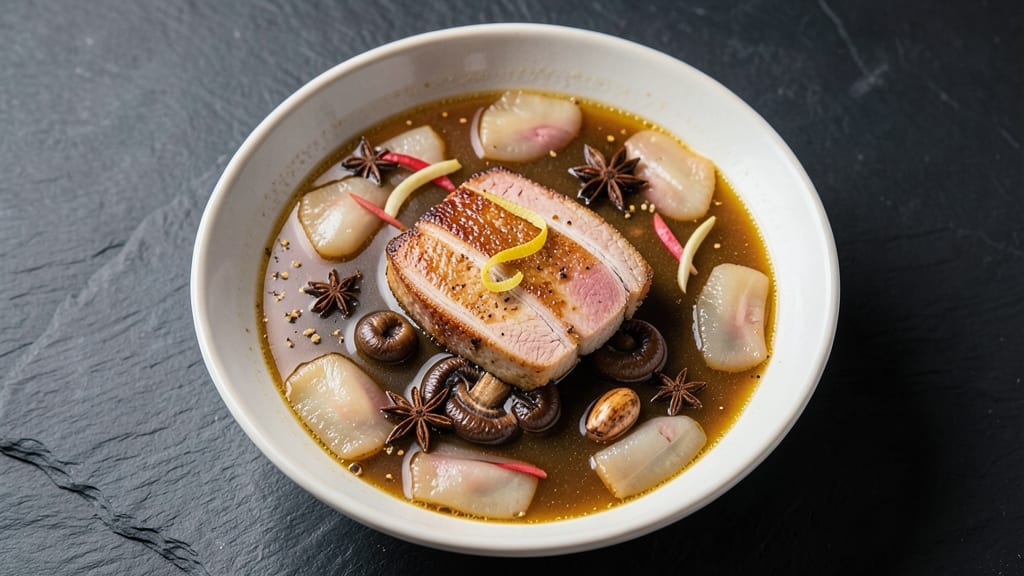
Abalone pork soup delivers the ultimate seafood-meat fusion, where tender abalone meets savory pork in a rich, aromatic broth. This luxurious recipe transforms simple ingredients into a restaurant-worthy dish that balances umami depth with delicate seafood sweetness.
The secret lies in slow simmering—allowing flavors to meld while preserving the abalone's natural texture and the pork's melt-in-your-mouth tenderness.
What sets this soup apart is the harmony of flavors: earthy shiitake mushrooms, aromatic ginger, and star anise create a fragrant base, while soy sauce and a touch of honey add complexity. Unlike quick broths, this recipe demands patience—45 minutes of gentle simmering transforms tough cuts into fork-tender perfection.
The result? A velvety soup where each spoonful delivers layers of savory, briny, and slightly sweet notes.
Perfect for special occasions or when you want to impress, this abalone pork soup serves 4-6 and pairs beautifully with steamed jasmine rice or a simple green salad. The broth reduces to a rich consistency, coating every ingredient in a luxurious embrace.
Whether you're a home cook seeking a showstopper or a seafood enthusiast craving depth, this recipe delivers professional-quality results with minimal fuss.
Ready in under 1 hour, this dish proves that luxurious flavors don't require complicated techniques—just time and attention to detail. The abalone's delicate texture contrasts perfectly with the pork's heartiness, while the aromatic broth ties everything together.
Let's create a soup that feels like a gourmet experience without the restaurant price tag.
Ingredients for abalone pork soup
Sixteen ingredients crafting a symphony of seafood-meat harmony in one aromatic pot.
| Ingredient | Amount | Notes |
|---|---|---|
| Fresh Abalone 🐚 | 12 oz | Cleaned, meat removed from shell |
| Pork Shoulder 🥓 | 1 ½ lb | Bone-in, cut into 1-inch cubes |
| Dried Shiitake Mushrooms 🍄 | 8 whole | Rehydrated in hot water |
| Fresh Ginger Root 🧄 | 2 tbsp | Finely minced, peeled |
| Star Anise Pods 🌟 | 2 whole | Lightly crushed |
| Garlic Cloves 🧄 | 6 cloves | Smashed, peeled |
| Light Soy Sauce 🍶 | ½ cup | Kikkoman preferred |
| Dark Soy Sauce 🍶 | 1 tbsp | For color depth |
| Honey 🍯 | 1 tbsp | Wildflower preferred |
| Dried Scallops 🦪 | 4 oz | Rehydrated in water |
| Green Onions 🧅 | 4 whole | White and green parts separated |
| Vegetable Oil 🫒 | 2 tbsp | High smoke point |
| Cornstarch 🌾 | 1 tbsp | For thickening |
| Water 💧 | 6 cups | Filtered preferred |
| Salt 🧂 | 1 ½ tsp | Diamond Crystal kosher |
| White Peppercorns 🌶️ | ½ tsp | Freshly ground |
Abalone demands quality—fresh, never frozen, with tender meat easily removed from the shell. Asian markets often carry the best selection, though high-end seafood counters at Whole Foods or Trader Joe's stock reliable options. The pork shoulder should have visible marbling for tenderness; bone-in cuts add depth to the broth. For shiitake mushrooms, dried is superior—rehydrate in hot water to preserve their earthy essence. Star anise and dried scallops should be stored in airtight containers away from light to maintain potency.
No fresh abalone? Dried abalone flakes (available at Asian markets) work as a substitute, though texture differs. Pork shoulder too fatty? Pork loin cooks faster but lacks richness—trim excess fat for a leaner profile. Substitute dark soy sauce with 1 tsp molasses plus 1 tbsp soy sauce for color. Ginger too fibrous? Ginger paste (from a tube) saves time without sacrificing flavor. For a vegetarian twist, replace pork with extra-firm tofu, cubed and pressed to remove moisture. The cornstarch slurry can be made with arrowroot powder for a slightly clearer broth.
Store rehydrated dried ingredients in sealed containers with their soaking liquid for up to 3 days in the fridge. The soup's broth freezes beautifully for 3 months—portion into ice cube trays before transferring to freezer bags. For optimal freshness, prepare components ahead: rehydrate mushrooms and scallops, mince ginger and garlic, and cube pork the day before. The abalone should be added last to preserve its delicate texture—keep it chilled until ready to use. Garnish with fresh green onions and a drizzle of sesame oil just before serving to elevate presentation.
Why You'll Love This Recipe
- One-Pot Magic: I swear by this recipe—just toss the pork shoulder, abalone, and shiitakes into a single pot with ginger and star anise, then let it simmer. No chopping, no fussing, no extra dishes. Honestly, my lazy Sundays thank me every time.
- Umami Bomb: That first sip? Pure flavor payoff. The abalone melts into the broth like silk, while the pork shoulder stays tender but rich, and the shiitakes add this deep, earthy punch. Between us, the star anise makes it taste like a fancy restaurant—without the price tag.
- Weeknight to Dinner Party: Make it for yourself on a Tuesday (yes, even on a Tuesday night) or double the batch for guests. The soup reheats beautifully, so it’s my go-to when I’m feeding a crowd or just craving something hearty. My in-laws think I’m a chef after one bowl.
- Leftovers That Don’t Suck: Most soups turn sad after day two, but this one? Gets better. The flavors deepen, the pork gets even more fall-apart tender, and I’ll often save the broth for a quick noodle fix later. Plus, the abalone’s richness means every reheated bite still feels special.
Step-by-step instructions for abalone pork soup
This luxurious fusion requires precision timing and layering of flavors for perfect balance.
Prepare the Base Ingredients
First, rehydrate the 8 whole dried shiitake mushrooms by soaking them in 6 cups hot water for 20 minutes. This step extracts their umami depth while softening them. Meanwhile, prepare the 12 oz fresh abalone by carefully removing the meat from the shell using a sharp knife—discard any membrane or cartilage. Cut the abalone into ½-inch thick slices for even cooking.
In a separate bowl, combine the 1.5 lb pork shoulder cut into 1-inch cubes with the 1.5 tsp salt and 0.5 tsp freshly ground white peppercorns. Massage the seasoning into the meat to ensure even distribution. This pre-seasoning step guarantees flavor penetration during the long simmer ahead.
Sear the Pork and Build the Broth
Heat the 2 tbsp vegetable oil in a large stockpot over medium-high heat. Working in batches, sear the pork cubes until they develop a deep golden-brown crust on all sides—this takes about 4-5 minutes per batch. Remove the pork and set aside. The caramelized surface will form the flavor foundation of your soup.
In the same pot, add the 2 tbsp minced fresh ginger root and 6 smashed garlic cloves. Sauté for 1 minute until fragrant, then add the 2 lightly crushed star anise pods and cook for another 30 seconds. Pour in the ½ cup light soy sauce, 1 tbsp dark soy sauce, and 1 tbsp honey, stirring constantly for 2 minutes to meld the flavors. This aromatic base will infuse the entire soup with complexity.
Simmer the Soup to Perfection
Return the seared pork to the pot and add the rehydrated shiitake mushrooms (drained but reserving ½ cup soaking liquid), 4 oz rehydrated dried scallops, and 6 cups water. Bring to a rolling boil, then reduce heat to low and simmer uncovered for 1 hour. This initial simmer allows the pork to tenderize while extracting maximum flavor from all ingredients.
After 1 hour, skim off any foam that rises to the surface. Add the 1 tbsp cornstarch mixed with 2 tablespoons water to thicken the broth slightly. Stir in the 12 oz abalone slices and continue simmering for an additional 10-12 minutes until the abalone becomes opaque and tender when pierced with a fork. The soup should have a rich, glossy consistency with deep umami notes.
Finish and Serve
Gently stir in the white parts of the 4 whole green onions (finely chopped) and simmer for 1 minute to integrate their mild sweetness. Remove the 2 star anise pods as they've served their purpose. Taste and adjust seasoning—add a splash of light soy sauce if needed for balance.
Ladle the soup into bowls and garnish with the green parts of the green onions (cut into ¼-inch pieces) for freshness. Serve immediately with steamed jasmine rice to soak up the luxurious broth. Each spoonful should deliver a perfect harmony of tender pork, delicate abalone, and earthy mushrooms—proof that this fusion of seafood and meat creates something truly extraordinary.
Pro Tips For Making Abalone Pork Soup
- Parboil the Abalone: Drop the abalone into boiling water for 30 seconds first—just enough to loosen the skin and tighten the flesh. I learned this the hard way when my first batch turned rubbery; this step makes all the difference for texture.
- Cut Pork Shoulder Thin: Slice the pork shoulder into ½-inch thick pieces and freeze them for 20 minutes before cooking. The cold shock keeps them from curling up, and thinner cuts cook faster without drying out—no more tough, chewy bites.
- Soak Shiitake Properly: Rehydrate dried shiitake in hot water for 15 minutes, then slice them before adding to the pot. Cold water soaking leaves them bland, and slicing after ensures they absorb the soup’s flavors instead of just floating like sad, limp raisins.
- Simmer Low and Long: Once everything’s in the pot, reduce to the gentlest simmer you can manage—barely a bubble—and let it cook for 45 minutes. Rushing this turns the pork shoulder into shoe leather, and the abalone stays tender instead of turning to mush.
Regional styles of this recipe
Cantonese Style
In Cantonese cuisine, this soup often features a lighter broth with a focus on fresh, bright flavors. Replace the star anise with 1-inch cinnamon stick and add 1 tsp Shaoxing wine during searing for depth.
Use baby bok choy instead of shiitake mushrooms and finish with thinly sliced chives and a drizzle of light oyster sauce. The Cantonese version prioritizes clarity and freshness while maintaining the abalone-pork harmony. 🌿
Japanese Shabu-Shabu Fusion
For a Japanese-inspired twist, transform this into a shabu-shabu-style soup by using a thinner, clear broth. Replace soy sauces with 1 cup dashi stock and add 1 tbsp mirin and 1 tsp grated daikon radish for umami.
Serve with a side of ponzu sauce for dipping. The abalone and pork are cooked separately at the table in the hot broth, creating a dynamic, interactive dining experience. 🍜
Thai-Inspired Spicy Version
Elevate the soup with Thai flavors by adding 1 tbsp red curry paste during the searing step and finishing with 1 tsp palm sugar and 1 stalk lemongrass (bruised and removed before serving).
Include 1 kaffir lime leaf for aroma. Garnish with Thai basil and a squeeze of lime. The heat from the curry paste balances the abalone's sweetness, while the lime brightens the dish. 🌶️
Korean Kimchi Abalone Soup
For a Korean-inspired variation, stir in ½ cup chopped kimchi (with its juice) during the final 10 minutes of simmering. Add 1 tsp gochugaru (Korean chili flakes) and a splash of doenjang (fermented soybean paste) for depth.
The tangy, spicy kimchi complements the abalone's brininess while adding a fermented richness. Serve with steamed rice cakes (tteok) on the side. 🥬
Modern American Twist
Simplify the recipe for a modern American audience by using chicken stock instead of water and adding 1 tsp smoked paprika during the pork searing. Swap dried scallops for 4 oz fresh scallops (seared separately and added last).
Top with crumbled blue cheese and crispy fried shallots** for a bold, contemporary finish. This version keeps the fusion concept but makes it more approachable. 🍽️
Nutrition facts
Frequently asked questions
Can I substitute fresh abalone with dried abalone flakes?
Yes, but texture will differ. Use 4 oz dried abalone flakes (rehydrated in warm water for 10 minutes) instead of fresh. The flakes will dissolve slightly into the broth, creating a more uniform flavor but losing the delicate abalone slices. Add them during the final 5 minutes of simmering for best results.
How do I know when pork shoulder is fully tender?
Use the fork test: After 1 hour of simmering, pierce a pork cube—it should feel fork-tender with no resistance. If not, continue simmering 15-20 minutes longer. Overcooking can make it mushy, so aim for 205°F internal temp (use a meat thermometer).
Why does my abalone pork soup taste bitter?
Bitterness often comes from overcooking the abalone or using old spices. Add 1 tsp honey or ½ tsp sugar during final simmering to balance flavors. For prevention: Cook abalone only 10-12 minutes max, and store star anise/pods in airtight containers to preserve freshness.
Can I make this soup in an Instant Pot?
Sauté pork and aromatics as directed, then add all ingredients except abalone. Pressure cook on high for 25 minutes, natural release 10 minutes. Add abalone during the last 5 minutes of cooking. The Instant Pot reduces cooking time but may slightly alter texture—expect pork to be extra tender.
What sides pair best with this rich soup?
Light, fresh sides balance the richness: steamed jasmine rice (essential), quick-pickled cucumbers, or a simple green salad with sesame dressing. For texture contrast, serve with crispy fried wontons or blistered shishito peppers. Avoid heavy starches like mashed potatoes.