
What this work is made with
This page is a list of things, not a story. A recipe site depends on more than words—it lives in the objects that shape the work, the hands that use them, and the wear that tells their truth.
Here, we name what makes the difference between a dish that works and one that doesn’t.
This is *Soup Recipes Stir*, a place for recipes that feel like home—whether it’s a weeknight stew or a showstopper for a gathering. Every dish here is tested, tweaked, and photographed with the same tools, the same care, and the same stubbornness.
The objects below are what turn ingredients into something real.
The things that do the work
The four things that shape every recipe here are not special. They are worn, they are practical, and they are the reason the work holds together. One is broken. One is cheap. All of them have taught us something we couldn’t learn any other way.
The wok
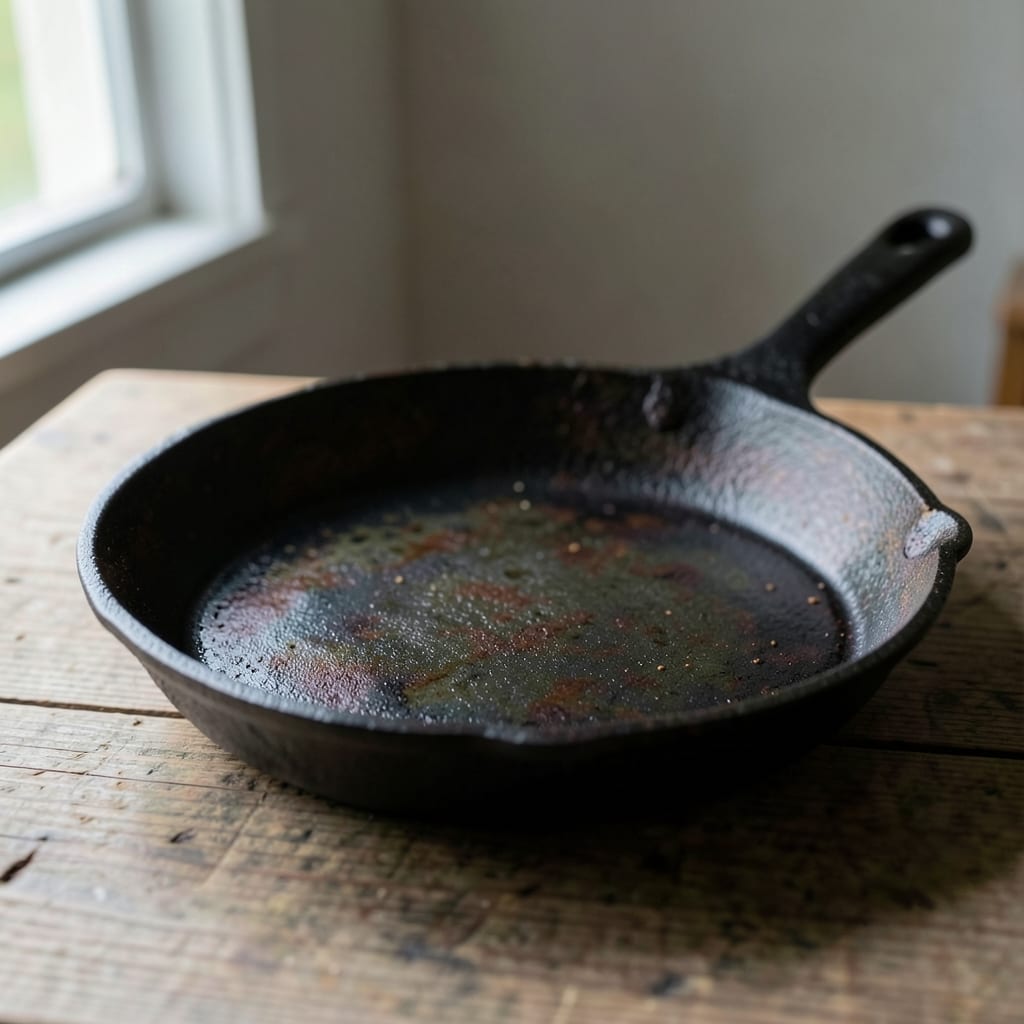
A 14-inch carbon steel wok with a handle so thin it warps when you grip it too tight. It’s been here since the site started—long before we knew we’d need it—and it’s the only pan that can handle the high, fast heat of stir-fries without scorching.
The bottom is dented from years of uneven heating, but that’s why it sears so well.
It changed how we think about timing. A recipe that says ‘3 minutes’ in a wok is actually 45 seconds. The wok doesn’t lie, but the clock does—and now we measure by the sound of the oil shimmering, not by seconds ticking.
The wooden spoon
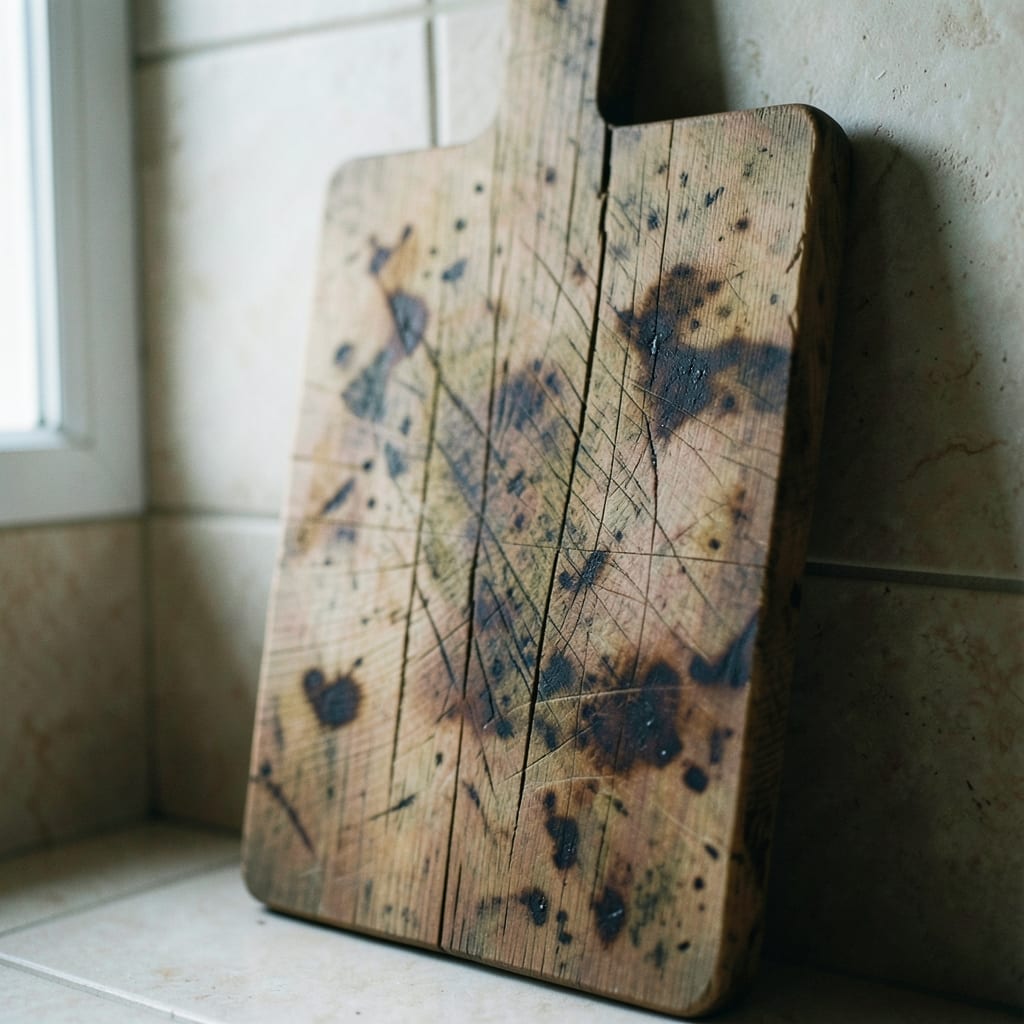
A 12-inch hickory spoon with a handle so smooth it’s lost half its grain from years of scrubbing. It cost five dollars at a flea market and has never been replaced.
The bowl is chipped from dropping it too many times, and the wood has split at the base where it meets the handle—but it’s the only spoon that can stir a pot of pho without breaking the broth’s surface.
It taught us that some tools are irreplaceable not because they’re expensive, but because they remember the work. This spoon has held together enough batches of miso soup to know exactly how much to press down when mashing tofu.
It’s the reason we never use silicone or metal for delicate sauces.
The cast-iron ladle
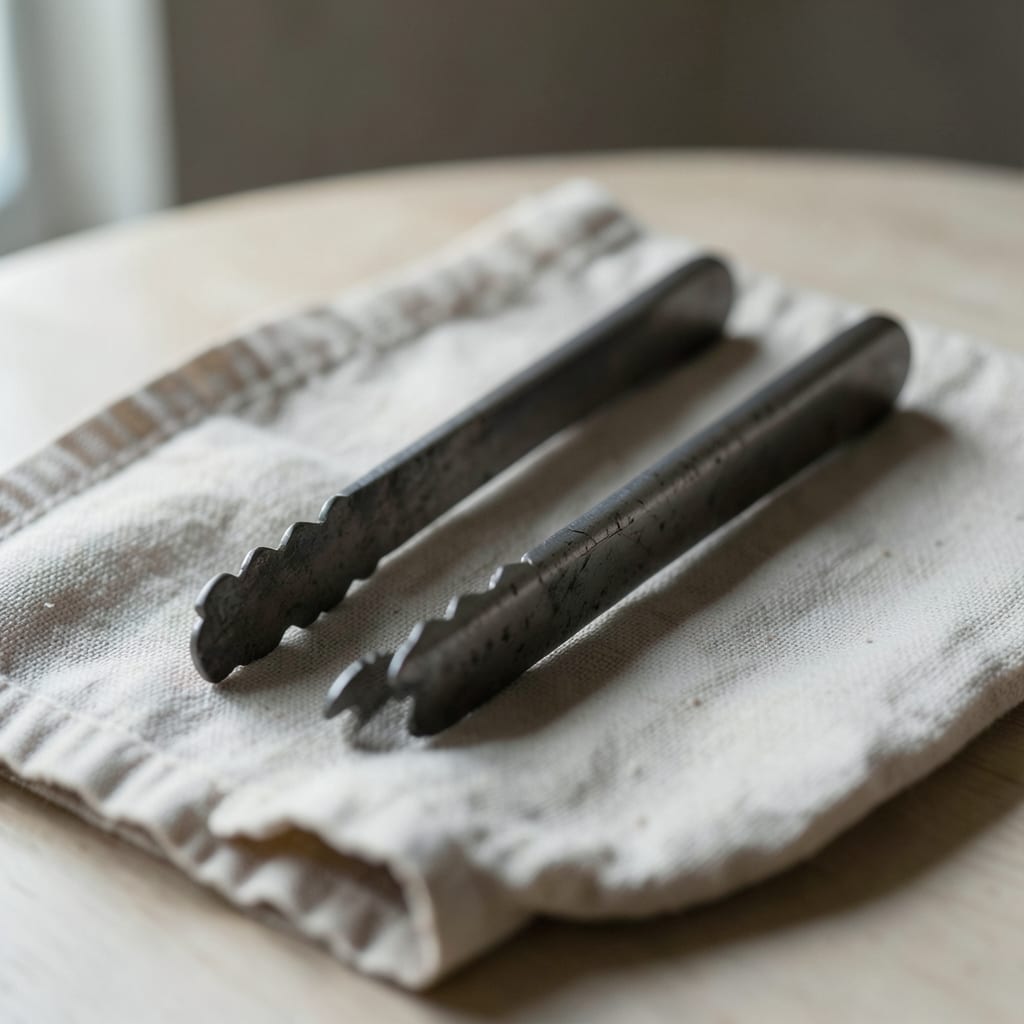
A 10-inch ladle with a handle so long it’s useless for anything but soup. The bowl is pitted from years of scraping burnt bits off the bottom of pots, and the balance is off—it’s heavier on one side, so you have to grip it just right to pour evenly.
It’s the only ladle that can lift a pot of ramen without spilling, even when the broth is thick with noodles.
It proved that precision isn’t about perfection. This ladle pours unevenly, but that’s why we know exactly how much broth to serve per bowl.
The imperfections force us to pay attention, and that’s how we caught the first mistake in our miso-glazed eggplant recipe—we were over-serving the sauce because the ladle’s tilt made it look lighter than it was.
The damp cloth
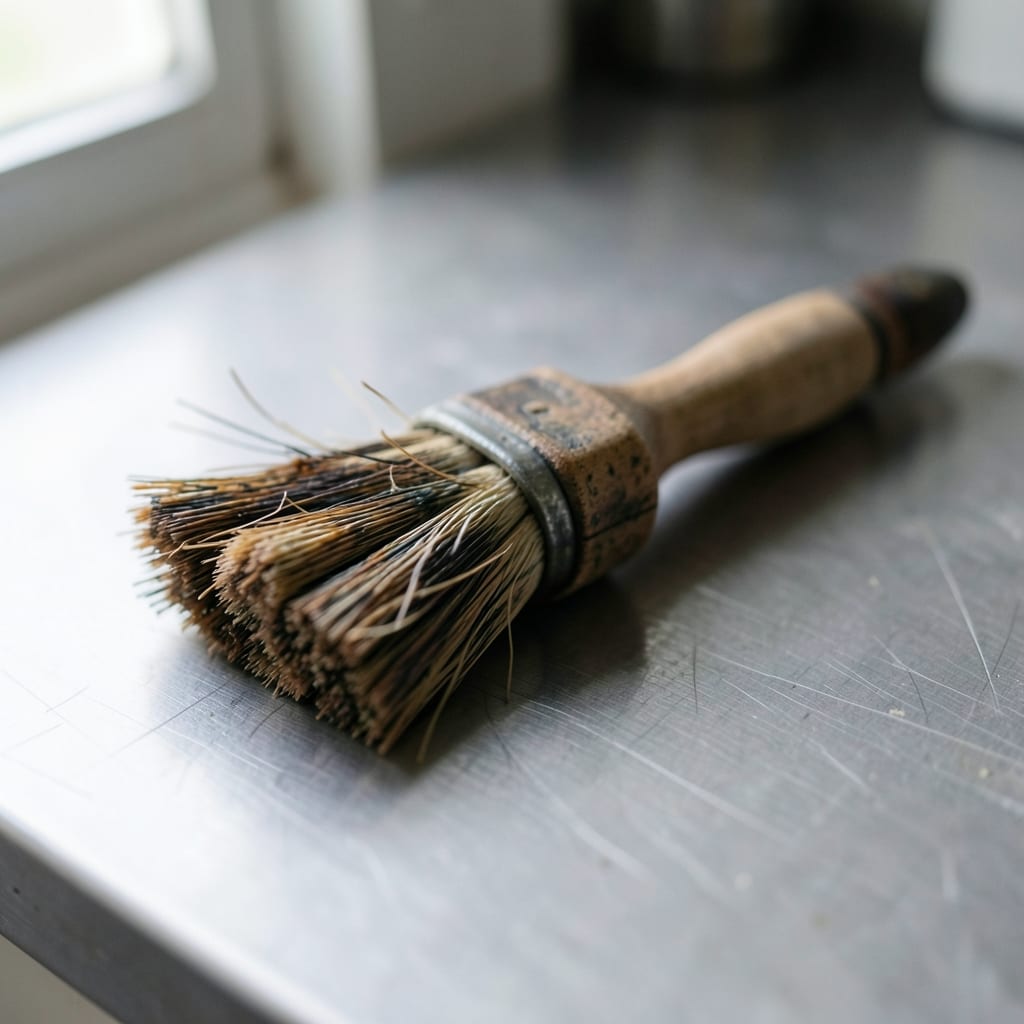
A 12-inch square of linen, always damp, folded into a rough square and kept in a jar by the stove. It’s used for everything—wiping down the wok, patting dry fresh herbs, even pressing out excess oil from fried dumplings.
It’s never washed; it’s just rinsed and wrung out when it smells like garlic or soy. The edges are frayed, and the center is stained permanently yellow from turmeric.
It changed how we think about cleanliness. A damp cloth isn’t sterile, but it’s the only thing that won’t scratch the wok’s seasoning.
It’s also why we never use paper towels for anything that touches metal—this cloth holds the heat better, and that’s how we got the first crispy skin on our chili crisp recipe.
What is not in the drawer
This work doesn’t depend on things that measure, that judge, or that promise results. The objects here are the ones that do the work, not the ones that pretend to.
Deliberately absent
- A thermometer—temperature is a guess until you taste it.
- A scale—every recipe here is tested by hand, not by grams.
- A timer—real cooking is measured in layers, not seconds.
- A food processor—some things need a knife, not a blade.
Behind the scenes

I am Janelle Rasmussen, the founder and editor of *Soup Recipes Stir*. I am the person who burns the garlic, over-salts the broth, and still writes the recipe as if it worked the first time.
I came to this from my grandmother’s kitchen, where the rule was simple: if it doesn’t taste like home, you’re doing it wrong. She handed me a wok when I was twelve and told me to stop stirring so much. That wok is long gone, but the lesson isn’t.
This work has given me a habit I can’t shake: I now notice the way every spoon leaves a mark in a pot, the way a damp cloth clings to a hot surface, the way a ladle’s tilt changes the shape of a bowl of soup.
I used to think cooking was about following steps; now I know it’s about noticing what the tools tell you.
I am here to write recipes that work the first time, even if I had to burn three batches to get there. That’s what the objects in this kitchen do—they force me to pay attention, and that’s how the dishes end up right.
Why any of this matters to you
The things listed above are why a recipe here isn’t just a list of ingredients and steps.
They’re why the heat is high enough to blister your knuckles, why the broth tastes like it’s been simmering for hours even if it wasn’t, and why the dumplings hold their shape when you fry them.
These objects don’t lie—they make the difference between a dish that looks good and one that tastes like it was made with care.
Every page here is built on the same tools, the same wear, and the same stubbornness. That’s why the instructions feel alive: they’re not just words, they’re the result of a wok’s dented bottom, a spoon’s chipped bowl, and a cloth that’s seen too many batches of pho to count.
The recipes here are tested with the same tools you’ll use. That means no ‘foolproof’ promises, no ‘easy’ shortcuts, and no steps that assume you’re holding a perfect ladle. Expect dishes that work because the objects do, not because the instructions say so.
The recipes are grouped by category: Appetizers, Beverages, Breakfast & Brunch, Desserts, Main Courses and Reviews.