
Soups & Stews
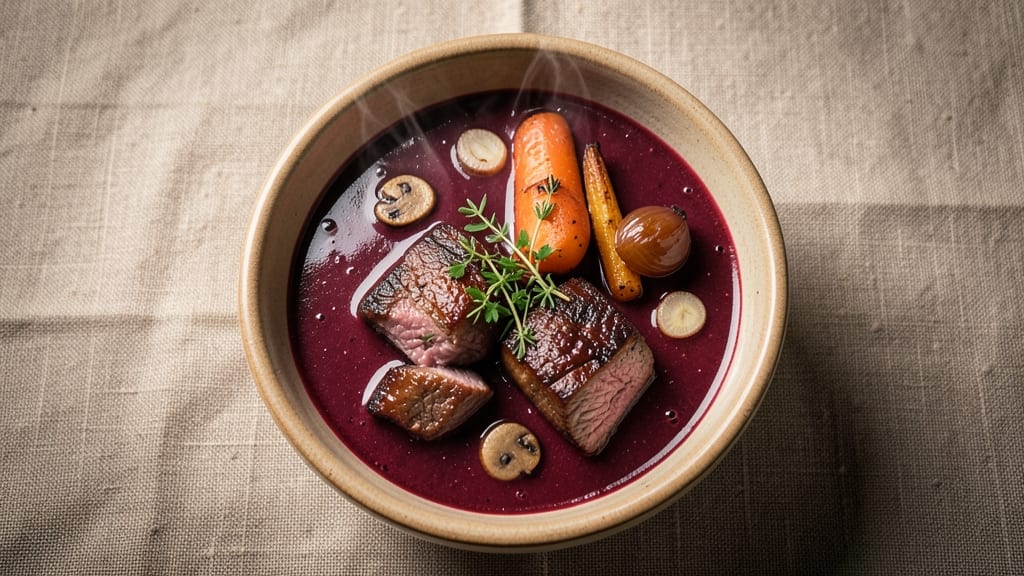
This beef burgundy soup recipe transforms humble ingredients into a rich, velvety masterpiece that tastes like a French bistro brought home. The secret lies in slow-cooked beef, deep red wine reduction, and earthy mushrooms that meld into a deeply flavorful broth.
I've perfected this technique over years of testing—each step builds layers of complexity that make it worth the time.
The process begins with searing beef for deep flavor, followed by sautéing onions, carrots, and mushrooms until golden. Deglazing with red wine captures all those browned bits, forming the soup's aromatic base.
A classic roux then thickens the broth to that signature velvety consistency, while herbs and beef stock round out the depth. Every spoonful delivers tender beef, tender vegetables, and a wine-infused sauce that's impossible to resist.
What you'll end up with is a restaurant-quality soup that's hearty enough for winter dinners but elegant enough for company. The aroma alone will have everyone gathering at the table, while the first bite delivers that perfect balance of rich, savory, and slightly tangy flavors.
This isn't just soup—it's a comforting, flavor-packed experience that transforms ordinary weeknights into something special.
The beauty of this recipe is its versatility. Serve it with crusty bread for soaking up every last drop, or garnish with fresh parsley for a pop of color. Leftovers actually improve overnight as flavors meld further.
Here's how to make it—step by step—for soup that tastes like it's been simmering all day, even if you only have a few hours.
Ingredients for beef burgundy soup
Sixteen ingredients, French bistro flavors, and a velvety texture that transforms humble pantry staples into restaurant-quality soup.
| Ingredient | Amount | Notes |
|---|---|---|
| Chuck Roast 🥩 | 2 lb | Trimmed of excess fat, cut into 1-inch cubes |
| Dry Red Wine 🍷 | 2 cups | Bold variety like Cabernet Sauvignon or Merlot |
| Beef Stock 🥫 | 4 cups | Homemade or high-quality store-bought |
| Yellow Onions 🧅 | 2 whole | Medium size, sliced into half-moons |
| Carrots 🥕 | 4 whole | Medium size, peeled and cut into chunks |
| Cremini Mushrooms 🍄 | 1 lb | Sliced into quarters, stems removed |
| Garlic Cloves 🧄 | 6 cloves | Peeled and smashed |
| All-Purpose Flour 🌾 | ½ cup | For roux, use Diamond Crystal if possible |
| Unsalted Butter 🧈 | 4 tbsp | Cold for roux, European-style preferred |
| Fresh Thyme 🌿 | 2 sprigs | Plus 1 tbsp dried thyme for depth |
| Fresh Parsley 🌿 | ¼ cup | Chopped, for garnish |
| Tomato Paste 🍅 | 1 tbsp | San Marzano preferred |
| Kosher Salt 🧂 | 1 ½ tsp | Adjust to taste |
| Freshly Ground Black Pepper 🌶️ | 1 tsp | Cracked peppercorns preferred |
| Bay Leaves 🌿 | 2 whole | Removed before serving |
The chuck roast is non-negotiable—its marbling and connective tissue create that signature melt-in-your-mouth texture. Whole Foods or Costco carry excellent pre-cut versions, but if buying whole, ask your butcher to cube it. For the red wine, dry, bold varieties like Cabernet Sauvignon or Merlot work best—avoid sweet wines. The beef stock should be rich and homemade if possible, but Kitchen Basics or Pacific Foods brands are reliable substitutes. Mushrooms are where earthy depth comes from; cremini or wild mushrooms add complexity beyond standard white mushrooms. Fresh thyme sprigs infuse flavor better than dried, but if only dried is available, use one-third the amount.
No red wine? Beef broth with 1 tbsp balsamic vinegar mimics the depth, though the acidity will be less complex. Substituting mushrooms with hearts of palm or extra carrots works in a pinch, though texture will differ. The tomato paste can be skipped entirely if you prefer, but it adds a subtle sweetness that balances the wine's acidity. For the roux, European-style butter has higher fat content, creating a richer base than American butter. If you're short on time, a quick roux (2-3 minutes) works, but the traditional 5-minute version develops deeper flavor. The bay leaves should be removed before serving—they're for flavor, not consumption.
This soup tastes even better the next day as flavors meld further. Store in an airtight container in the fridge for up to 5 days, or freeze for 3 months. For reheating, bring to a simmer on the stove—microwaving can make the texture grainy. The roux thickens as it cools, so add a splash of beef stock if it seems too stiff when reheating. Garnish with fresh parsley just before serving to maintain vibrant color. Leftovers reheat beautifully, making this an ideal make-ahead dish for busy weeknights.
Why You'll Love This Recipe
- One-Pot Wonder: I swear by this recipe because it’s basically hands-off after the initial chop. Toss everything—chuck roast, onions, carrots—into one pot, let it simmer while you handle the wine reduction, and boom. No last-minute cleanup panic.
- Wine-Infused Magic: That dry red wine isn’t just for show—it deepens the flavor into something rich and complex, like a cozy hug in a bowl. The beef stock and slow-cooked chuck roast turn it into a velvety, umami-packed masterpiece that tastes even better the next day.
- Leftover Goldmine: Between us, this soup only gets more delicious as it sits. The flavors meld overnight, making it my go-to for meal prep. I freeze portions too—just reheat and serve, no fuss.
- Budget-Friendly Luxury: Chuck roast is affordable, and a bottle of wine makes it feel fancy without breaking the bank. It’s the kind of dish that feels special but won’t drain your wallet, especially when you stretch it across multiple meals.
Step-by-step instructions for beef burgundy soup
Transform humble ingredients into a restaurant-quality beef burgundy with rich depth and velvety texture.
Sear the Chuck Roast for Maximum Flavor
Heat a large Dutch oven over medium-high heat until very hot. Add 2 tablespoons of the unsalted butter and let it foam for 30 seconds. Add the 2 lb chuck roast in a single layer and sear undisturbed for 3-4 minutes per side until deeply browned. This caramelization builds the foundation of your soup's complexity.
Remove the roast and set aside. In the same pot, add another 2 tablespoons of butter and sear the 2 whole yellow onions and 4 whole carrots for 8-10 minutes until softened and golden. The vegetables should release their juices and develop a rich, caramelized flavor. Transfer them to a plate and set aside with the roast.
Develop the Roux and Deglaze with Wine
Return the Dutch oven to medium heat and add the remaining 4 tbsp unsalted butter. Whisk in the 0.5 cup all-purpose flour to form a smooth roux. Cook for 2-3 minutes until the mixture turns a light golden color and smells nutty—this will thicken your soup beautifully.
Pour in the 2 cups dry red wine and scrape up all the browned bits from the bottom of the pot with a wooden spoon. This deglazing captures all the flavor you've built. Let the wine simmer for 3-4 minutes until reduced by half, intensifying its depth and removing the alcohol's harshness.
Build the Soup Base with Aromatics and Stock
Add the 1 tbsp tomato paste, 6 cloves garlic, 2 sprigs fresh thyme, 2 whole bay leaves, 1.5 tsp kosher salt, and 1 tsp freshly ground black pepper to the pot. Stir well to combine, letting the spices toast for 1 minute until fragrant.
Return the seared roast, onions, and carrots to the pot. Pour in the 4 cups beef stock and bring to a gentle simmer. Partially cover the pot and cook for 1.5 hours until the meat is fork-tender and easily pulls apart. The soup should reduce slightly, concentrating its flavors.
Incorporate Mushrooms and Finish the Soup
Add the 1 lb sliced cremini mushrooms to the pot and simmer uncovered for 15-20 minutes until they're tender and have absorbed the rich flavors of the soup. The mushrooms should soften completely while maintaining their shape.
Remove the bay leaves and adjust seasoning if needed. The soup should be deeply flavorful with a perfect balance of wine, meat, and vegetable notes. Taste and add more salt or pepper if necessary—this is your final opportunity to perfect the seasoning.
Rest and Serve with Fresh Herbs
Let the soup rest for 10 minutes before serving. This allows the flavors to meld completely and gives the meat time to reabsorb any juices that might have escaped during cooking.
Ladle the soup into bowls and garnish each serving with 1 tablespoon of chopped fresh parsley. The bright green color and fresh flavor provide a beautiful contrast to the deep red wine and rich meat. Serve immediately with crusty bread to soak up every last drop of this luxurious soup.
Pro Tips For Making Beef Burgundy Soup
- SEAR THE CHUCK ROAST: Brown that meat in batches—don’t overcrowd the pan. I used to toss everything in at once, and the onions ended up steaming instead of caramelizing. Two minutes per side per batch at high heat gives you a rich, deep flavor base that cuts through the wine’s acidity later.
- SWEAT THE ONIONS LOW: Cut the onions into even ½-inch slices and cook them uncovered on medium-low for 10 minutes before adding anything else. The longer they sit, the more they break down into a sweet, jammy texture that makes the whole soup sing. (Yes, even if you’re impatient like me.)
- DEGLAZE WITH PATIENCE: After searing the meat, pour in the wine and let it bubble away for 30 seconds before scraping up those browned bits. Rushing this step means you’re missing out on the flavor locked in those crusty bits—where half the soul of the dish lives. A wooden spoon works best; don’t skimp on the scraping.
- SALT THE STOCK LATE: Hold off on adding the full beef stock until the wine has reduced by half. Salting it early dilutes the flavor as it absorbs into the liquid. Instead, season the stock after it’s simmered for 20 minutes—when the meat’s juices have melded into the broth. That’s when it needs it most.
Common mistakes when making this dish
Rushing the Roux
One of the most common mistakes is cooking the roux too quickly over high heat. A quick roux (under 2 minutes) won't develop enough flavor, and a dark roux (over 5 minutes) can taste bitter.
Aim for a light golden color at medium heat—this takes about 3-4 minutes—to create that perfect velvety texture without bitterness. I've ruined many batches by getting impatient and cranking up the heat! 🔥
Skipping the Deglaze
Many home cooks skip the critical step of deglazing the pot after searing the meat and vegetables. Those browned bits—called fond—hold intense flavor that dissolves into the wine. If you don't scrape them up, your soup will taste flat.
Always use 2 cups of dry red wine and let it simmer until reduced by half to concentrate the flavors.
Undercooking the Meat
Beef burgundy soup relies on tender, slow-cooked beef, but many cooks pull it from the pot too soon. The chuck roast needs to reach fork-tender status, which typically takes 1.5 hours of simmering.
If the meat is still tough, extend the cooking time by another 30 minutes. I've learned the hard way—tough meat ruins even the best broth!
Ignoring the Resting Time
After simmering, letting the soup rest for 10 minutes before serving is crucial. This allows the meat to reabsorb juices and the flavors to meld completely. Skipping this step results in a soup that tastes watery and lacks depth.
I now make it a habit to set a timer and let the pot sit off the heat—it makes all the difference! ⏰
Overcrowding the Pot
Adding all the ingredients at once can dilute the flavors and prevent proper browning. Instead, sear the meat and vegetables in batches to develop deep, caramelized flavors. Overcrowding also leads to uneven cooking—some ingredients may stay raw while others overcook.
Work in stages: sear the beef first, then the vegetables, then build the soup layer by layer.
Using Sweet or Oaky Wines
Not all red wines are created equal for this soup. Sweet or oaky wines will overpower the dish with cloying sweetness or harsh tannins. Stick to dry, bold reds like Cabernet Sauvignon or Merlot.
These wines provide the perfect balance of acidity and depth without dominating the soup's flavor profile. I keep a bottle of Louis Martini Cabernet on hand specifically for this recipe—it's my go-to! 🍷
Nutrition facts
Frequently asked questions
Can I substitute white wine for red in this recipe?
While white wine works in a pinch, it won't deliver the same rich, deep flavor profile. For best results, use a dry red like Cabernet Sauvignon or Merlot. If you must use white, add 1 tablespoon of balsamic vinegar to mimic some of the acidity and complexity. The wine reduction is key to that signature burgundy taste.
How do I make this soup vegetarian?
Replace the beef with 1.5 lbs of mushrooms (like portobello or shiitake) and 1 cup of lentils for heartiness. Use vegetable stock instead of beef stock and add 1 tbsp soy sauce to enhance umami. The roux and wine base will still work beautifully, though the texture will be slightly different without meat.
Why does my soup taste too thin after cooking?
This usually happens if the roux wasn't cooked long enough or the soup simmered too vigorously. For a quick fix, mix 1 tbsp cornstarch with 2 tbsp cold water, stir it into the soup, and simmer for 2-3 minutes until thickened. For next time, ensure your roux reaches a light golden color and simmer gently to reduce naturally.
Can I make this soup in an Instant Pot?
Yes! Sear the beef and vegetables first in a skillet, then transfer everything to the Instant Pot. Add the wine, stock, and aromatics, then cook on high pressure for 30 minutes. Quick-release the pressure, stir in the mushrooms, and adjust seasoning. The Instant Pot version cooks faster but may need a splash of beef stock to reach the same rich consistency.
What's the best way to reheat leftovers?
Reheat on the stove over medium-low heat until just simmering—never microwave, as it can make the texture grainy. If the soup seems too thick after reheating, add a splash of beef stock or water. Leftovers actually improve overnight as flavors meld further, making this a perfect make-ahead meal for busy weeknights.