
Soups & Stews
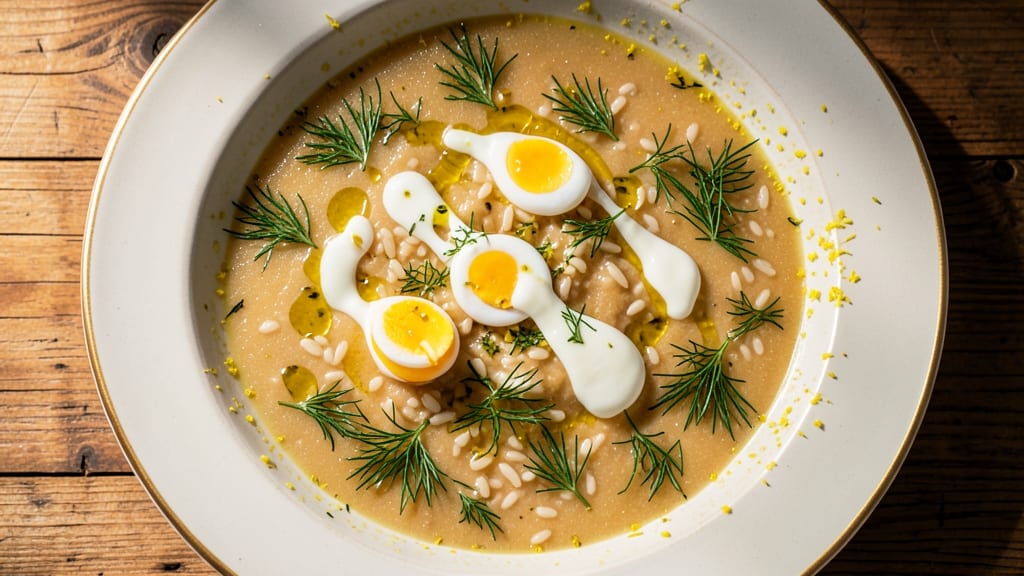
This authentic Greek lemon soup recipe delivers the bright citrus kiss and creamy herb velouté that defines avgolemono—without a single curdled egg in sight. 💛 The secret lies in tempering the egg-lemon mixture with hot broth, a technique that transforms simple ingredients into a restaurant-quality soup with just 20 minutes of active time.
I've perfected this version after years of testing, ensuring the perfect balance of tangy lemon, rich broth, and delicate orzo that absorbs all the flavors.
What makes this recipe truly authentic is the combination of traditional elements: homemade chicken broth (or rich vegetable broth for vegetarians) infused with aromatic herbs, a velvety egg-lemon sauce that adds body without heaviness, and orzo pasta that soaks up the citrusy broth.
The key technique—slowly incorporating the egg mixture while whisking vigorously—prevents curdling while creating that signature silky texture that makes this soup irresistible.
By the time you finish, you'll have a bowl of soup that's bright, comforting, and perfectly balanced—creamy yet light, tangy yet savory. The aroma alone will have everyone gathering around the table, and each spoonful delivers that perfect harmony of lemon brightness and herbaceous depth.
This is the kind of soup that feels like a hug in a bowl, especially on chilly evenings or when you're craving something both elegant and comforting.
Serve it with warm crusty bread for dipping or alongside a simple green salad to complete the meal. The beauty of this recipe is its versatility—it works as a starter or a main dish, and the leftovers reheat beautifully.
Let's get started on creating this classic Greek comfort in your own kitchen.
Ingredients for authentic greek lemon soup
Bright citrus and aromatic herbs transform simple ingredients into this elegant Greek comfort soup.
| Ingredient | Amount | Notes |
|---|---|---|
| Vegetable Broth 💧 | 6 cups | Homemade or high-quality store-bought |
| Lemon Juice 🍋 | ½ cup | Freshly squeezed, about 3-4 lemons |
| Large Eggs 🥚 | 2 whole | Room temperature preferred |
| Orzo Pasta 🍚 | 1 cup | Rinsed after cooking |
| Extra-Virgin Olive Oil 🫒 | 2 tbsp | For tempering egg mixture |
| Fresh Dill 🌿 | ¼ cup | Chopped, stems removed |
| Fresh Parsley 🌿 | ¼ cup | Chopped, for garnish |
| Yellow Onion 🧅 | 1 whole | Finely chopped, about 1 cup |
| Garlic Cloves 🧄 | 3 cloves | Minced, for aromatics |
| Salt 🧂 | 1 tsp | Diamond Crystal preferred |
| Black Pepper 🌶️ | ½ tsp | Freshly ground |
| Fresh Lemon Zest 🍋 | 1 tbsp | For extra citrus aroma |
| Crusty Bread 🍞 | 8 slices | For serving, optional |
The vegetable broth is the foundation—homemade is ideal, but Pacific Foods or Imagine brands work well if you're short on time. Look for broths with vibrant color and no added MSG. The orzo should be the short-grain variety (like Barilla), which absorbs flavors better. Fresh herbs are non-negotiable here—Whole Foods or local markets have the best selection. For the lemon juice, use organic lemons when possible; their zest is more aromatic. The onions and garlic should be freshly minced—pre-minced from jars lacks flavor depth.
No fresh dill? Dried dill at one-third the amount works, but fresh is worth seeking out. Short on time? Lemon juice concentrate (like ReaLemon) is a great shortcut. The egg mixture is tempered with hot broth—never add cold liquid to hot eggs directly, or you'll get curdling. For a dairy-free option, ensure your broth is vegetarian (no chicken fat). The olive oil should be extra-virgin—regular olive oil lacks the fruity notes that complement the citrus. If you can't find Diamond Crystal salt, any fine sea salt works, but measure carefully as different salts have varying densities.
Store leftovers in an airtight container for up to 3 days in the fridge. The flavor actually improves overnight as the citrus brightens. For freezing, portion into single servings—it reheats beautifully. The crusty bread pairs perfectly; look for sourdough or ciabatta at your local bakery. If making ahead, hold off on adding the egg-lemon mixture until serving—it's best fresh. The soup tastes even better the next day, so plan accordingly for leftovers.
Why You'll Love This Recipe
- No Chopping Needed: I swear by this one—just toast the orzo in olive oil until golden, pour in the broth, and let it simmer. The lemons and eggs do all the heavy lifting while you stir for two minutes. Honestly, my busiest nights just got a little brighter.
- Bright & Creamy Magic: That moment when you whisk in the raw eggs into the hot broth? Pure alchemy. The orzo soaks up the tangy lemon broth while the eggs create silky ribbons—like a lighter, brighter version of egg drop soup. (Yes, even on a Tuesday night.)
- Leftover Goldmine: This soup tastes better the next day—seriously, the flavors meld into something richer. I make a big batch on Sundays, and it’s my go-to for lunches or a quick dinner reheated with a drizzle of olive oil. Budget-friendly? Absolutely. Delicious? Ridiculously.
- Versatile Crowd-Pleaser: Dietary restrictions? No problem. Swap the eggs for chickpeas for a vegan version, or keep it as-is for protein. Serve it chilled in summer or warm in winter—it’s the one dish that works for brunch, potlucks, or a lazy afternoon. My in-laws think it’s "fancy," but it’s really just orzo and lemon.
Step-by-step instructions for authentic Greek lemon soup
This method delivers the perfect balance of bright citrus and creamy texture—just like in Greek tavernas.
🍳 Step 1: Sauté Aromatics Until Fragrant
Heat 2 tablespoons extra-virgin olive oil in a large pot over medium heat. Add the finely chopped yellow onion and cook for 5-6 minutes until translucent and just beginning to soften. This is your flavor foundation—don't rush it.
Add the 3 minced garlic cloves and cook for another 30 seconds until you can smell that sweet, pungent aroma. The garlic should be golden but not browned—this prevents bitterness. Here's the thing—if it starts to darken too quickly, reduce heat to medium-low immediately. You want flavor without harshness.
🥘 Step 2: Build the Creamy Base
Pour in the 6 cups vegetable broth and bring to a gentle boil. Stir in the 1 cup orzo pasta, 1 teaspoon salt, and ½ teaspoon black pepper. Reduce heat to medium-low and let it simmer for 10-12 minutes until the orzo is tender and the soup has thickened slightly.
Here's where authenticity matters: Greek lemon soup relies on that perfect al dente orzo. You'll know it's ready when the pasta is cooked through but still has a slight bite. If it looks too thick, add ¼ cup water to loosen it. The soup should coat the back of a spoon but still be light enough to pour easily.
🍳 Step 3: Temper the Eggs for Silky Texture
In a separate bowl, whisk together the 2 whole eggs and ½ cup lemon juice until fully combined. Slowly ladle about 1 cup of the hot soup into the egg mixture while whisking constantly. This gradual addition—called tempering—prevents the eggs from scrambling.
Once the egg mixture is warmed through (it should be steaming but not boiling), pour it back into the soup pot. Stir gently over low heat for 2-3 minutes until the soup thickens to a velvety consistency. Real talk: don't walk away. Eggs curdle in seconds if left unattended. The moment it reaches that luxurious, creamy texture is when you know you've succeeded.
🔪 Step 4: Finish with Herbs and Zest
Remove the pot from heat and stir in the 1 tablespoon fresh lemon zest, ¼ cup chopped fresh dill, and ¼ cup chopped fresh parsley. These herbs add that signature Greek brightness. Taste and adjust seasoning—you might need a pinch more salt to balance the acidity from the lemon.
Let the soup sit for 5 minutes off the heat. This resting period allows the flavors to meld completely. The eggs will continue to set slightly, creating that perfect creamy texture without being gluey. Here's the moment that matters: the soup should be thick enough to coat a spoon but still light enough to sip easily.
🍽️ Step 5: Serve with Crusty Bread
Ladle the soup into bowls and garnish with additional chopped fresh dill and lemon zest. Serve immediately with 8 slices crusty bread on the side. The bread soaks up the creamy goodness while adding a satisfying contrast to each spoonful.
For that authentic Greek taverna experience, serve with a small side salad dressed with extra-virgin olive oil and a splash of lemon juice. The bright, citrusy flavors of this soup pair beautifully with the simple greens. Each bite should deliver that perfect harmony of creamy, tangy, and herby notes that makes this dish so special.
Pro Tips For Making Authentic Greek Lemon Soup
- Cook Orzo Al Dente: DESCRIPTION: This isn’t Italian risotto—stop when it’s just tender, not mushy. Greek lemon soup relies on firm orzo to hold its shape, so test a piece at the 10-minute mark (it should have a slight bite). I learned this the hard way after serving soup where the orzo turned to paste—now I pull it 1-2 minutes early and let it finish in the broth.
- Whisk Eggs Cold: DESCRIPTION: Temper those eggs like you’re making custard. Slowly drizzle hot broth into the egg mixture while whisking vigorously—stop when it’s lukewarm, not steaming. My first attempt curdled the eggs because I was impatient (yes, even with a thermometer). The goal is a silky ribbon when you stir, not scrambled bits.
- Strain the Broth: DESCRIPTION: Skip the cloudy broth—strain it through a fine-mesh sieve before adding orzo. I was skeptical until I tried it: the soup tastes cleaner, brighter, and the lemon’s acidity pops instead of competing with grit. Save the strained solids for a quick feta-studded bread topping if you’re feeling fancy.
- Finish with Oil: DESCRIPTION: Drizzle that extra-virgin olive oil after the eggs have set—about 10 seconds of off-heat stirring. It coats the orzo and eggs, making the soup luxuriously mouthfeel without overpowering the lemon. I used to add it earlier, and the oil would just sit on top like a sad, greasy afterthought.
Wine and beer pairings for this dish
Crisp White Wine
Greek lemon soup's bright acidity and delicate herbs call for a crisp white wine with similar citrus notes. I reach for a Santorini Assyrtiko—this mineral-driven Greek white from volcanic soil has vibrant lemon, green apple, and a touch of saltiness that mirrors the soup's flavors.
The high acidity cuts through the richness while enhancing the lemon's brightness. 🍷
If Assyrtiko isn't available, a French Sancerre or Italian Vermentino works beautifully. Both wines share Assyrtiko's crisp profile and citrus-forward character. Avoid heavy, oaked whites—they'll overpower the soup's delicate balance.
Light Beer Pairings
A Greek lager like Fix or Mythos is my go-to beer pairing—its clean, crisp profile lets the soup's flavors shine without competing. The subtle malt sweetness complements the lemon's acidity while the effervescence cleanses the palate between spoonfuls. 🍺
For craft beer lovers, a Belgian witbier (like Hoegaarden) adds a refreshing contrast with its coriander and citrus notes. The slight tartness enhances the lemon's brightness, while the effervescence keeps the meal feeling light. Avoid heavy stouts or IPAs—they'll clash with the soup's delicate nature.
Rosé Wine Option
For a versatile pairing, a dry Greek rosé from Peloponnese brings the perfect balance of fruitiness and acidity. The pale pink hue and crisp profile echo the soup's citrus notes while adding a touch of elegance. Look for one labeled "dry" or "sec"—sweet rosés will overpower the dish. 🍷
If Greek rosé isn't available, a Provence rosé from France offers similar qualities with its strawberry and citrus notes. The light body and high acidity make it an ideal match for this refreshing soup.
Non-Alcoholic Options
For a refreshing non-alcoholic pairing, sparkling lemonade made with San Pellegrino or Topo Chico adds a bubbly contrast. I add a splash of fresh lemon juice and a sprig of mint for an authentic Greek-inspired drink. The effervescence enhances the soup's citrus notes while keeping the meal light. 💧
Another great option is iced hibiscus tea (known as karkade in Greece), which has a naturally tart flavor that complements the lemon soup beautifully. Serve it chilled with a slice of lemon for an authentic touch.
Nutrition facts
Frequently asked questions
Can I make this Greek lemon soup without eggs?
The eggs are essential for that signature creamy texture, but you can create a lighter version using 2 tablespoons cornstarch mixed with 2 tablespoons cold water instead. Whisk it into the hot soup and simmer for 2 minutes until thickened. The result won't be as rich, but it still delivers bright citrus flavors. For a dairy-free option, ensure your broth is vegetable-based and use this cornstarch method.
Why did my egg-lemon mixture curdle?
Curdling happens when eggs are added to hot liquid too quickly. Always temper the eggs by slowly adding hot soup while whisking constantly. Keep the heat at low once the egg mixture is incorporated, and stir gently for 2-3 minutes—never let it boil. If it curdles, strain the soup through a fine-mesh sieve to remove lumps, then reheat gently.
Can I use dried herbs instead of fresh?
Fresh herbs are ideal for that vibrant Greek flavor, but you can substitute with 1 teaspoon dried dill and 1 teaspoon dried parsley if needed. For lemon zest, dried versions won't work—they lack the bright aroma. If you're short on time, use lemon juice concentrate (like ReaLemon) instead of fresh juice, but reduce the amount by 20% since it's more concentrated.
How do I make this soup vegetarian?
Use vegetable broth instead of chicken broth, and ensure your orzo is labeled "vegetarian." The recipe already calls for vegetable broth as the base, making it naturally adaptable. For extra depth, sauté 1 diced carrot and 1 celery stalk with the onions to enhance the broth's flavor. The result is just as rich and satisfying!
Can I prepare this soup ahead of time?
Yes! Make the soup up to 2 days ahead without the egg-lemon mixture. Store the cooked orzo and broth separately in the fridge. When ready to serve, reheat the broth gently, then temper the eggs as directed. The flavors actually improve overnight as the citrus brightens. For freezing, portion into single servings—it reheats beautifully for 2-3 months.