
Soups & Stews
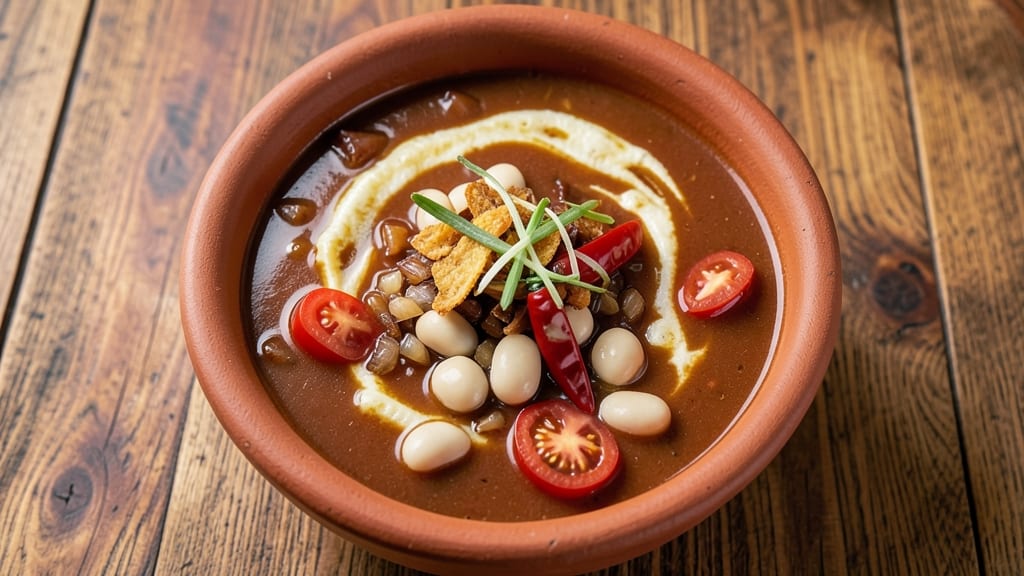
This Abunuabunu soup recipe brings the rich, aromatic soul of West African cuisine to your kitchen with its slow-simmered depth. 🌟 A traditional Nigerian dish, it transforms tender meat or fish into a fragrant, spice-infused broth that pairs perfectly with pounded yam or rice.
The secret lies in the layered flavors—smoky, earthy, and slightly sweet—built through hours of gentle simmering.
The recipe begins with a base of onions, tomatoes, and peppers, blended into a velvety paste that forms the heart of the soup. Traditional ingredients like locust beans (iru), palm oil, and leafy greens add complexity, while the protein—whether beef, goat, or fish—becomes melt-in-your-mouth tender.
The slow cooking process ensures every bite is infused with flavor, making it a dish worth the wait.
What sets Abunuabunu apart is its versatility—it can be as hearty or light as you prefer, depending on the protein and vegetables used. The soup’s deep, savory broth is the star, but the accompanying sides (eba, fufu, or rice) complete the meal with their soft, starchy textures.
This is comfort food at its finest, designed for sharing and savoring.
Perfect for family gatherings or special occasions, this soup carries cultural significance as a staple in Nigerian cuisine. The aroma alone will transport you to bustling markets and lively dining tables. Ready to create a dish that’s as rewarding to make as it is to eat?
Ingredients for abunuabunu soup
West African flavors start with these 14 essential ingredients—simple but bold.
| Ingredient | Amount | Notes |
|---|---|---|
| Onions 🧅 | 2 whole | Yellow or red, chopped fine |
| Tomatoes 🍅 | 4 medium | Ripe, blended into paste |
| Scotch Bonnet Peppers 🌶️ | 2 whole | Seeds removed for mild heat |
| Locust Beans (Iru) 🌱 | ½ cup | Dried, soaked overnight |
| Palm Oil 🫒 | ½ cup | Red palm oil preferred |
| Fresh Ginger Root 🌿 | 2 tbsp | Grated, fresh for zing |
| Garlic Cloves 🧄 | 6 cloves | Minced, aromatic base |
| Beef or Goat Meat 🥩 | 2 lb | Tender cuts, cubed small |
| Spinach or Ugu Leaves 🌿 | 2 cups | Chopped, fresh or frozen |
| Fish (Optional) 🐟 | 1 lb | White fish, cubed small |
| Ground Black Pepper 🌶️ | 1 tsp | Freshly ground, to taste |
| Salt 🧂 | 1 tsp | Adjust to taste |
| Stock Cubes 💧 | 2 whole | Beef or vegetable stock |
| Vegetable Oil 🫒 | ¼ cup | For initial cooking |
The onions and tomatoes form the soul of this soup—West African markets sell ripe, flavorful varieties perfect for blending. Locust beans (iru) are the secret weapon here; look for them in African grocery stores or order online if your local shop doesn’t carry them. Palm oil gives that signature rich color and depth—red palm oil is traditional, but yellow works too. For the ginger and garlic, fresh is non-negotiable—dried just won’t cut it. I usually grab extra ginger because its aroma fades fast once grated. The beef or goat should be tender cuts like short ribs or goat shoulder—ask your butcher for the most marbled pieces available.
No locust beans? Dried mushroom caps or extra tomato paste can mimic some of the umami depth, but it won’t be exactly the same. Fish optional? Make it mandatory—white fish like cod or tilapia adds a lovely contrast to the meat. For the peppers, Scotch bonnet is traditional, but habanero or even jalapeño will work in a pinch (just adjust the heat!). The spinach or ugu leaves? Fresh is best, but frozen works if you’re in a hurry—just thaw and drain well. Stock cubes are a shortcut, but homemade beef stock makes this soup sing even more. And if you’re feeling adventurous, try adding a splash of palm wine for authenticity.
This soup tastes even better the next day—plan ahead. The palm oil and stock cubes keep well for months, but fresh ginger and garlic should be used within a week. Store the cooked soup in airtight containers for up to 5 days in the fridge, or freeze portions for 3 months. I like to make a double batch and freeze half—nothing beats coming home to a steaming pot after a long day. The meat gets more tender with reheating, so don’t skip this part if you can help it.
Why You'll Love This Recipe
- Minimal Chopping Required: I swear by this—just dice onions, crush iru beans, and toss in whole tomatoes. The scotch bonnet peppers add heat without extra prep, and the palm oil blends in without fuss. Honestly, I’ve made this while scrolling through my phone.
- Heat That Stays Memorable: That first bite of rich palm oil, the slow simmer of iru releasing its nutty depth, and the scotch bonnet’s lingering kick—it’s the kind of flavor that makes you pause mid-sip. Between us, it’s the only soup I’ll fight my partner over the last bowl for.
- Weeknight to Gatherings: Same pot works for a quick Tuesday dinner or a Sunday feast. Double the iru for extra thickness, add more peppers if guests love heat, or serve with pounded yam for a full spread. I’ll be real: my kids think it’s "fancy food" because it’s always on the table.
- Leftovers That Taste Better: This soup actually improves the next day—like a secret upgrade. The iru softens into a velvety texture, and the palm oil’s aroma deepens. I freeze portions for lazy days, and honestly? No one can tell it’s reheated. My budget—and my taste buds—thank me.
Step-by-step instructions for Abunuabunu soup
Let's build this rich West African masterpiece layer by layer—slow simmering brings out the best flavors.
🔥 Step 1: Prepare the Base with Palm Oil and Meat
Heat the 0.25 cup vegetable oil in a large pot over medium heat. Add the 2 lb beef or goat meat and cook until it loses its raw color—about 5-7 minutes. This searing step locks in flavors and prevents the meat from turning mushy during the long simmer.
Remove the meat and set aside. In the same pot, add the 0.5 cup palm oil and let it heat until it shimmers slightly. This is where the soup gets its signature rich color and depth of flavor. Add the 2 whole onions and cook for 3-4 minutes until they soften and release their sweet aroma.
🍳 Step 2: Build the Flavor Foundation
Add the 6 cloves garlic cloves and 2 tbsp fresh ginger root, stirring constantly for 30 seconds until fragrant. Here's where it gets good—toss in the 2 whole Scotch bonnet peppers (seeds removed) and cook for 1 minute to release their heat. Be careful not to burn them.
Stir in the 4 medium tomatoes (blended into a paste) and cook for 5 minutes until the oil separates. This step develops the soup's complex flavor profile. Add the 0.5 cup locust beans (iru) and 2 whole stock cubes, crushing them slightly with a wooden spoon to release their flavors.
🥘 Step 3: Simmer the Meat and Season
Return the meat to the pot and add 4 cups water. Bring to a boil, then reduce heat to low and let it simmer uncovered for 1 hour. Stir occasionally and add water as needed to maintain the level—you want a thick, rich broth.
After 1 hour, taste and adjust seasoning with 1 tsp salt and 1 tsp ground black pepper. The soup should be flavorful but not overly salty. If using the 1 lb fish, add it now and simmer for an additional 10 minutes—just enough to cook through without falling apart.
🍳 Step 4: Finish with Leafy Greens
Stir in the 2 cups spinach or ugu leaves and cook for 2-3 minutes until just wilted. The greens should brighten the soup and add a fresh contrast to the rich, spiced broth. Don't overcook them—they should remain vibrant and slightly crisp.
Remove from heat and let the soup rest for 5 minutes. This resting period allows all the flavors to meld together. Taste again and adjust seasoning if needed. The soup should be rich, spicy, and deeply flavorful with a perfect balance of textures.
Pro Tips For Making Abunuabunu Soup
- SOAK IRU LONGER: I learned this the hard way—locust beans need at least 4 hours in warm water (overnight is better) or they’ll stay rock-hard and ruin your soup’s texture. Skip the shortcut and let them soften properly; trust me, your mouth will notice.
- SWEAT ONIONS FIRST: Don’t rush this step—cook your onions in palm oil on medium-low heat until they’re deep golden, almost caramelized. This builds flavor that’ll carry through the entire soup. (Yes, even if you’re impatient like me.)
- STRAIN SCOTCH BONNET: After blending your peppers, strain out the seeds and membranes unless you want a soup that’ll make your guests reach for water. A fine-mesh sieve takes 30 seconds and saves you from regret.
- SIMMER LOW AND COVER: After adding the blended sauce, reduce heat to the lowest setting and cover the pot—this lets the flavors meld without burning. I used to crank the heat and ended up with a bitter, overcooked mess. (Your future self will thank you.)
Essential equipment for great abunuabunu soup
Large Pot Essentials
This soup demands a large, heavy-bottomed pot—I recommend a 6-8 quart Dutch oven like the Lodge 5.5 Qt for even heat distribution. The deep sides prevent spills when stirring, and the thick base handles the low-and-slow simmer without hot spots.
If you don’t have a Dutch oven, a stainless steel stockpot with a lid works too—just avoid nonstick, as the high heat can damage coatings. 🥘
Blender for Smooth Paste
A high-speed blender (like the Ninja BN601) is non-negotiable for blending the tomatoes, onions, and peppers into a silky paste—the foundation of the soup’s depth. Avoid hand blenders, which struggle with fibrous ingredients.
For the locust beans (iru), soak them overnight in water, then blend with the paste for maximum flavor extraction. Pro tip: Reserve some blended mixture to thin the soup later if needed.
Wooden Spoon & Slotted Spoon
Use a wooden spoon for stirring—it won’t scratch your pot like metal and won’t conduct heat away from the palm oil. A slotted spoon is key for removing the meat during searing and adding the fish later without breaking it.
I keep a long-handled version (like the OXO Good Grips) to avoid splashes from the spicy peppers. 🍲
Meat Thermometer
Invest in a meat thermometer (I swear by the Thermoworks Smoke) to ensure the beef or goat reaches 165°F and the fish hits 145°F. Overcooking turns the meat tough, while undercooking risks foodborne illness.
The thermometer also helps gauge the broth’s consistency—aim for 202°F for a thick, saucy texture. No thermometer? Cut into the thickest piece of meat and check for doneness.
Fine-Mesh Strainer
A fine-mesh strainer (like the OXO Good Grips) is useful for draining soaked locust beans and rinsing leafy greens before adding them to the soup. It also helps remove any unwanted bits from the blended paste.
For the spinach or ugu leaves, give them a quick rinse under cold water to remove dirt—West African markets often sell greens with stubborn grit. 🌿
Palm Oil & Heat-Resistant Tools
Palm oil burns easily, so use heat-resistant silicone tools (like the OXO Good Grips spatulas) to stir without scorching. A ladle with a long handle helps skim any foam or impurities that rise to the surface during simmering.
For serving, transfer the soup to a pre-warmed bowl—this maintains its rich color and prevents temperature shock. Keep extra palm oil on hand; a little drizzled over the finished soup adds a luxurious finish. 🫒
Nutrition facts
Frequently asked questions
What makes Abunuabunu soup different from other West African soups?
This soup stands out for its rich, layered flavor profile created by the combination of locust beans (iru), palm oil, and slow-simmered meat. Unlike lighter soups like Egusi, Abunuabunu has a deeper, almost velvety texture from the blended tomato-pepper base and the long cooking time. The addition of leafy greens at the end adds freshness, balancing the richness.
Can I make Abunuabunu soup without locust beans (iru)?
Yes, but the flavor will be different. For a substitute, try blending 1/4 cup dried mushroom caps or 2 tbsp tomato paste with the onion-pepper base. The umami depth won't be identical, but it will still taste delicious. Locust beans are traditional for their earthy, nutty flavor that's hard to replicate.
How do I know when the meat is fully cooked?
Use a meat thermometer for accuracy—the beef or goat should reach 165°F internally. If you don't have one, cut into the thickest piece: it should be tender and easily pull apart with a fork. The soup's long simmer time (1 hour) helps tenderize the meat, but checking doneness early prevents overcooking.
What's the best way to store leftover Abunuabunu soup?
Let the soup cool completely, then transfer to airtight containers. It keeps well in the fridge for 5 days and freezes beautifully for 3 months. The flavors actually improve overnight! When reheating, warm over low heat and add a splash of water if it thickens too much. The meat becomes even more tender after resting.
Can I make this soup vegetarian?
Replace the meat with chickpeas or tofu and use vegetable stock cubes. For protein, add 1 lb mushrooms or smoked tempeh instead of fish. The locust beans and palm oil will still provide that rich, savory base. Just reduce the simmering time to 45 minutes since plant proteins cook faster.