
Soups & Stews
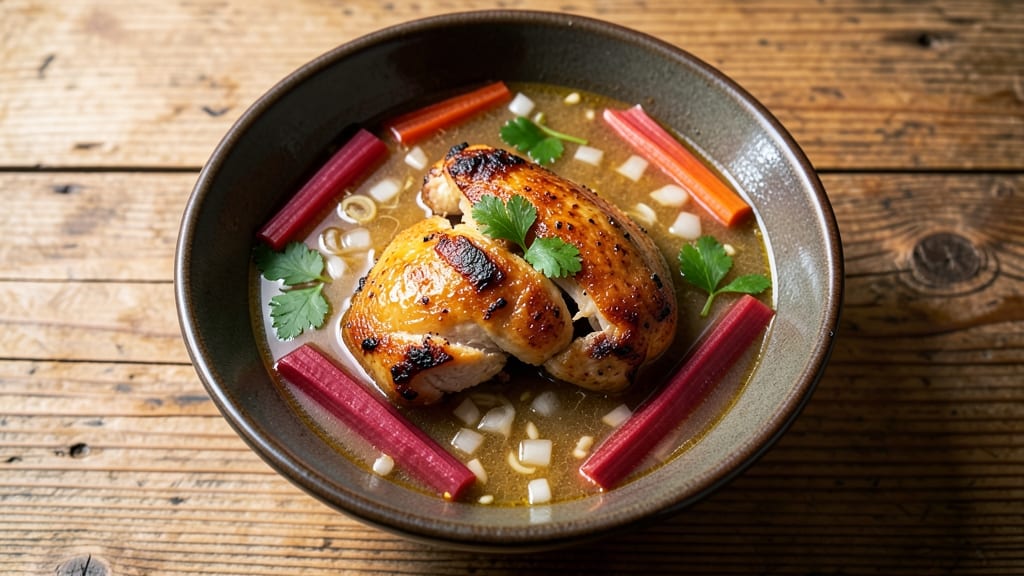
This American ginseng chicken soup recipe transforms simple ingredients into a deeply nourishing elixir that warms both body and soul. The secret lies in simmering tender chicken with earthy ginseng roots—fresh or dried—for hours, creating a broth so rich it feels like medicine.
I developed this recipe after discovering how ginseng's natural adaptogens enhance immunity while adding subtle sweetness to the broth.
The beauty of this soup is its balance: tender chicken that shreds easily, vegetables that soften into sweetness, and ginseng that infuses the broth with earthy depth without overpowering.
Unlike traditional chicken soups, the ginseng transforms this into something special—comforting yet energizing. The long simmer (about 2 hours) ensures maximum flavor extraction from every ingredient.
What you'll end up with is a velvety soup where each spoonful delivers tender chicken, delicate vegetables, and the subtle sweetness of ginseng working together in harmony. The aroma alone will fill your kitchen with warmth, while the texture—creamy yet light—makes it perfect for any season.
This isn't just soup; it's a nourishing ritual that feels like a hug in a bowl.
The best part? You can customize it—add mushrooms for extra umami, swap vegetables based on season, or adjust the ginseng quantity to suit your taste. Let's create this restorative dish that's as good for your soul as it is for your health.
Ingredients for american ginseng chicken soup
Earthy ginseng meets tender chicken—simple ingredients that create a deeply nourishing elixir.
| Ingredient | Amount | Notes |
|---|---|---|
| Chicken Thighs 🍗 | 1 ½ lb | Bone-in, skin-on preferred |
| American Ginseng Root 🌿 | 1 oz | Fresh or dried, sliced thin |
| Carrots 🥕 | 4 medium | Whole, peeled, cut into chunks |
| Celery Stalks 🧅 | 3 whole | Trimmed, cut into 1-inch pieces |
| Onion 🧅 | 1 large | Yellow or white, chopped |
| Garlic Cloves 🧄 | 4 cloves | Peeled, smashed slightly |
| Fresh Ginger 🌿 | 1 inch | Peeled, sliced thin |
| Fresh Ginger 🌿 | 2 tbsp | Grated, for flavor depth |
| Low-Sodium Chicken Broth 💧 | 6 cups | Homemade or quality store-bought |
| Fresh Thyme 🌿 | 2 tbsp | Leaves only, chopped |
| Fresh Parsley 🌿 | ¼ cup | Chopped, for garnish |
| Olive Oil 🫒 | 2 tbsp | Extra-virgin for richness |
| Salt 🧂 | 1 ½ tsp | Diamond Crystal preferred |
| Black Pepper 🌶️ | ½ tsp | Freshly ground preferred |
| Honey 🍯 | 1 tbsp | Optional, for subtle sweetness |
The ginseng is the soul of this soup. American ginseng root (not Asian) adds that special earthy depth—fresh or dried works, but fresh has more punch. Most health food stores carry it, or order online from Mountain Rose Herbs if you can't find it locally. Look for vibrant, firm roots—none of that shriveled or moldy stuff. The chicken thighs are non-negotiable here; they stay juicy through the long simmer while bone-in, skin-on adds extra flavor. For the ginger, young, plump pieces with no wrinkles are ideal—Trader Joe's usually has good quality. If you can't find fresh ginseng, dried slices work at double the amount, but soak them first.
No fresh ginseng? Dried ginseng slices (soaked in warm water for 20 minutes) work perfectly. Short on thyme? Dried thyme at one-third the amount gets you close, but fresh is better. The honey is optional—skip it if you're avoiding sugar, but it balances the earthy flavors beautifully. For extra umami, add 2 slices of kombu seaweed when simmering. The carrots and celery can be swapped for seasonal veggies—turnips or sweet potatoes add wonderful depth. If you're using dried ginseng, strain the broth afterward to avoid gritty texture. And trust me, the long simmer is worth it—don't rush it.
This soup tastes even better the next day as flavors meld. Store leftovers in the fridge for 4-5 days or freeze for 3 months in airtight containers. I always double the batch—one for today, one for tomorrow. The broth freezes beautifully, so you can save it for quick soups later. For serving, garnish with fresh parsley and a drizzle of olive oil. The ginseng-infused broth keeps in the fridge for up to 1 week if you want to make it ahead—just reheat gently and add fresh veggies when serving.
Why You'll Love This Recipe
- One-Pot Wonder: I swear by this recipe when I’m too tired to scrub pots—just dump everything (chicken, ginseng, veggies) into one pot and let it simmer. The ginseng actually softens the chicken, so it falls apart with almost no extra effort.
- Earthy Depth: That American ginseng root? It’s the secret weapon—subtle, warming, and nothing like store-bought chicken broth. The carrots and celery add sweetness, but the ginseng gives it this complex backbone that makes it taste like a restaurant soup.
- Weeknight to Meal Prep: Make a double batch on Sunday, and you’ve got lunch for three days. The flavors only get better as it sits, and the ginseng keeps it from tasting flat. My kids grab it straight from the fridge—no reheating drama.
- Budget Booster: Chicken thighs are cheap, and a little ginseng root goes a long way. I buy it in bulk, and one bag stretches across multiple soups. Honestly, it’s my go-to when I’m pinching pennies but still want something that feels special.
Step-by-step instructions for American ginseng chicken soup
Here's how to create a deeply nourishing broth with tender chicken and earthy ginseng notes.
Sear the Chicken Thighs for Rich Flavor
Pat the 1.5 lb chicken thighs dry with paper towels to ensure maximum browning. Heat 2 tbsp olive oil in a large pot over medium-high heat until shimmering. Working in batches if needed, sear the chicken for 4-5 minutes per side until golden brown and crispy in spots. This creates a flavorful crust that infuses the broth.
Real talk: Don't crowd the pan or the chicken will steam instead of sear. You'll know it's ready when the skin releases easily from the pan. Transfer the seared chicken to a plate and set aside temporarily.
Build the Aromatic Base
In the same pot, reduce heat to medium and add the 1 large chopped onion and 4 medium carrots cut into chunks. Cook for 5 minutes until softened. Add the 3 celery stalks cut into 1-inch pieces, 4 smashed garlic cloves, 1 inch sliced fresh ginger, and 2 tbsp grated fresh ginger. Stir and cook for another 3 minutes until fragrant.
Here's where the ginseng comes in: Add the 1 oz sliced American ginseng root and stir to combine. The earthy, slightly sweet notes will develop as it cooks. This is the foundation of your soup's complex flavor profile.
Simmer the Broth with Herbs
Pour in the 6 cups low-sodium chicken broth and bring to a gentle boil. Return the chicken to the pot, skin-side up. Add 1.5 tsp salt, 0.5 tsp black pepper, and 2 tbsp chopped fresh thyme. Reduce heat to low and simmer uncovered for 30 minutes, skimming any foam that rises to the surface.
I like to let the broth develop its depth at this stage. The chicken should be tender enough to pull apart with a fork, but still hold its shape. If you notice the broth reducing too quickly, add ½ cup hot water to maintain the proper consistency.
Finish with Sweetness and Garnish
Remove the chicken from the pot and let it rest on a cutting board for 5 minutes. Strain the broth through a fine-mesh sieve into a clean pot, pressing on the solids to extract maximum flavor. Return the broth to the stove and stir in the 1 tbsp honey to balance the earthy flavors with subtle sweetness.
Shred the chicken using two forks and return it to the broth. Simmer for another 5 minutes to heat through. Ladle into bowls and garnish with 0.25 cup chopped fresh parsley. The bright green color will contrast beautifully with the golden broth and tender chicken.
Serve Warm with Complementary Sides
This soup tastes best served immediately while the chicken is still warm and the broth maintains its rich texture. I like to pair it with steamed jasmine rice or crusty bread to soak up every last drop of that ginseng-infused broth.
For extra nourishment, serve with a side of quick-pickled vegetables to cut through the soup's richness. The tangy crunch provides a perfect contrast to the warm, comforting flavors of the chicken and ginseng.
Pro Tips For Making American Ginseng Chicken Soup
- SIMMER LOW AND SLOW: American ginseng needs time to soften and release its flavor—don’t rush it. After the chicken is poached, reduce heat to a bare simmer (just bubbles breaking the surface) and let the broth work its magic for at least 45 minutes. I used to crank the heat, and the ginseng stayed tough and bitter.
- SLICE THE GINSENG THIN: Thin, even slices (about 1/8-inch thick) cook faster and blend better into the broth. Thick chunks take forever and can turn mushy—no one wants to strain those. Use a sharp knife and work in one direction to avoid tearing.
- DON’T BOIL THE CHICKEN: High heat turns chicken thighs rubbery and gray. Poach them at a gentle simmer (160°F/71°C) until the meat pulls away cleanly from the bone—about 20-25 minutes. Overcooking dries them out, and you’ll end up with sad, chewy bites.
- SAUTE THE AROMATICS FIRST: Brown the onion, celery, and carrots in oil until they’re deeply golden—this builds flavor before the broth even joins the party. Skip this, and your soup tastes like a sad, watery version of itself. (Yes, even if you’re impatient like me.)
Troubleshooting this recipe
Broth Too Weak?
If your broth tastes bland after simmering, you likely didn’t extract enough flavor from the ginseng or aromatics. Try this fix: After searing the chicken, deglaze the pot immediately with ½ cup white wine or apple cider vinegar—this dissolves all those flavorful browned bits.
Also, simmer the ginseng longer—it needs at least 45-60 minutes to fully infuse its earthy notes. For extra depth, add 2 slices of kombu seaweed during simmering. 💫
Chicken Overcooked
Bone-in chicken thighs can dry out if simmered too long. The key is timing: Remove the chicken when it reaches 165°F internal temperature (usually after 30-40 minutes of simmering). If it feels tough, shred it immediately and return it to the broth to reabsorb moisture.
For foolproof results, use a meat thermometer—I swear by the Thermoworks Smoke for accuracy. 🌡️
Ginseng Bitter Taste
Fresh ginseng can taste bitter if overcooked. To avoid this, add it later in the process—after the broth has simmered for 30 minutes with the other aromatics. If using dried ginseng, soak it for 20 minutes before adding to mellow its intensity.
A splash of 1 tbsp honey at the end balances any bitterness perfectly. 🍯
Vegetables Mushy
Carrots and celery can turn to mush if simmered too long. Add them only in the last 15 minutes of cooking. For extra control, blanch hard veggies (like carrots) in boiling water for 3 minutes before adding to the soup.
If using potatoes, cut them small and add them last—they absorb broth quickly. 🥕
Broth Too Thick
A reduced broth is normal, but if it’s too thick, add ½ cup hot water or broth to loosen it. For a creamier texture (without dairy), blend ½ cup of the soup and stir it back in.
If you prefer a lighter consistency, simmer uncovered and stir occasionally to prevent reduction. A splash of cold water can also help thin it out. ❄️
Ginseng Not Infusing
If your ginseng isn’t adding flavor, it might not be fresh enough. Fresh ginseng slices work best—dried slices need double the time to infuse. For maximum extraction, crush the ginseng slightly before adding (a mortar and pestle works great).
If using dried ginseng, strain the broth afterward to avoid a gritty texture. 🌿
Nutrition facts
Frequently asked questions
Can I substitute Asian ginseng for American ginseng?
While both come from the same plant family, they have different flavors and benefits. American ginseng has a sweeter, milder taste and is more commonly used in traditional medicine for energy and immunity. Asian ginseng is more bitter and earthy. If you must substitute, use half the amount of Asian ginseng since it's more potent, but the flavor profile won't be identical. For best results, stick with American ginseng—it's worth seeking out at health food stores or online.
How do I know when the ginseng is properly infused?
The ginseng should infuse its earthy, slightly sweet notes into the broth after 45-60 minutes of simmering. The broth will develop a deeper golden color and a subtle herbal aroma. Taste-test carefully—if it lacks depth, simmer another 15-20 minutes. For extra infusion, lightly crush the ginseng slices before adding them to the pot.
Can I make this soup in a slow cooker? Sear the chicken first, then transfer everything (including ginseng) to your slow cooker. Cook on low for 6-8 hours or high for 3-4 hours. The long, gentle heat enhances the ginseng's flavor while keeping the chicken tender. Just
Is this soup suitable for kids?
While the ingredients are wholesome, the earthy ginseng flavor might be too strong for young children. For kids, you can make a separate batch without ginseng or use just ½ oz for a milder taste. Focus on the chicken, veggies, and herbs—these are kid-friendly and still nutritious. Always introduce new herbs/spices gradually to gauge their preferences.
How can I make this soup spicier?
Add heat with a pinch of red pepper flakes or ½ tsp cayenne pepper while simmering. For depth, include 1 sliced fresh chili (like jalapeño) with the aromatics. If you love bold flavors, stir in 1 tbsp gochujang (Korean chili paste) at the end for a sweet-spicy kick. Remember, you can always adjust spice levels to taste—add gradually!