
Soups & Stews
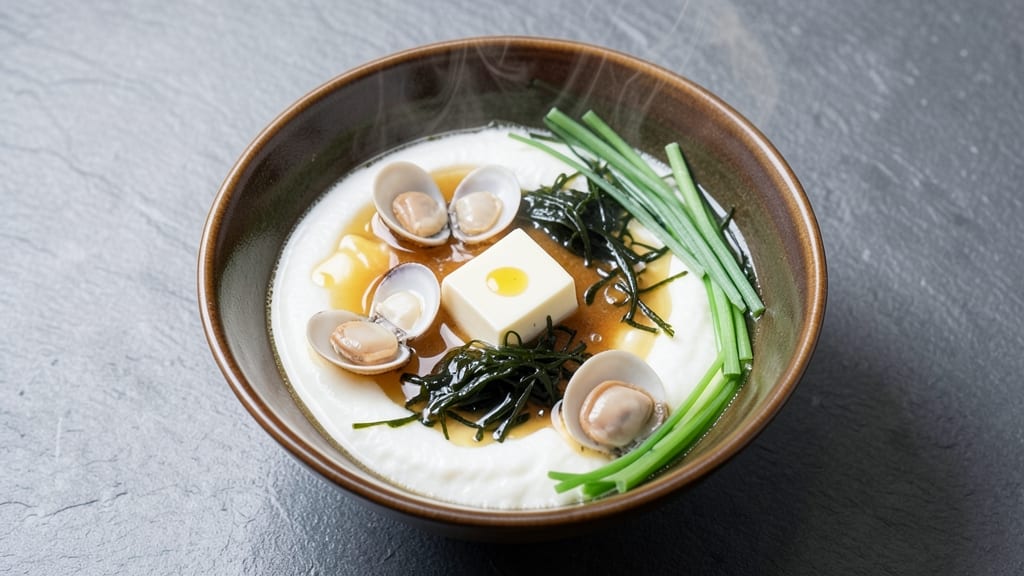
This asari miso soup recipe delivers the comforting essence of Japanese home cooking—silky broth, tender tofu, and delicate seaweed in perfect harmony. 💛 The secret lies in balancing umami-rich miso paste with the briny sweetness of asari (dried seaweed) and wakame, creating a broth that's both nourishing and deeply satisfying.
I developed this version after years of refining the technique to achieve that signature velvety texture without shortcuts.
The foundation starts with a proper miso broth—never boiling the paste, which kills its delicate flavors. Instead, we dissolve it gently in warm water, then build layers of depth by adding dashi stock and simmering just until the asari rehydrates into tender strands.
Soft tofu cubes soak up the broth while maintaining their structure, and wakame adds a satisfying crunch that contrasts beautifully with the silky base.
What you'll end up with is a bowl that's tender yet vibrant, with each component playing its part—creamy tofu, delicate seaweed, and a broth so rich it feels like a hug in a bowl.
The aroma alone will transport you to a quiet Japanese kitchen, where this soup has been a staple for generations. Perfect for chilly evenings or as a light vegetarian main.
This recipe maintains the soul of traditional asari miso while making it accessible for home cooks. We'll cover every step—from preparing the broth to plating—so you can recreate this comforting classic with confidence. Let's begin with the ingredients that make it shine.
Ingredients for asari miso soup
Silky broth, tender tofu, and delicate seaweed—just nine ingredients for this comforting classic.
| Ingredient | Amount | Notes |
|---|---|---|
| White Miso Paste 🧂 | 2 tbsp | High-quality, preferably red or white |
| Dashi Stock 🍜 | 4 cups | Homemade or quality store-bought |
| Asari (Dried Seaweed) 🍃 | 1 oz | Rehydrates into tender strands |
| Wakame Seaweed 🍃 | ½ oz | Dried, for crunchy texture |
| Silken Tofu 🍲 | 1 block | Firm, cut into 1-inch cubes |
| Green Onion 🧅 | 2 whole | Thinly sliced for garnish |
| Sesame Oil 🫒 | 1 tsp | Toasted, for aroma |
| Rice Vinegar 🍶 | 1 tbsp | For subtle tang |
| Sugar 🍬 | ½ tsp | Adjust to taste |
| Salt 🧂 | ½ tsp | Kosher or sea salt |
| Water 💧 | 2 cups | Filtered for best flavor |
| Fresh Ginger 🧅 | 1 inch | Thinly sliced, peeled |
The miso paste is non-negotiable here—Miso Master or Hodo are my go-tos, but any high-quality white or red miso works. Look for organic, non-GMO labels if possible, and store your paste in the fridge once opened. Dashi stock is the soul of this soup; homemade with kombu and bonito flakes gives the best depth, but the powdered or liquid versions from Japanese markets are convenient. Fresh asari and wakame? Japanese specialty stores or the Asian aisle at Whole Foods carry them—otherwise, dried seaweed blends work in a pinch.
No silken tofu? Extra-firm tofu pressed for 20 minutes holds up better, though the texture won’t be identical. Short on wakame? Substitute nori sheets, finely chopped, but it’ll lack that signature crunch. The ginger adds brightness—freshly grated is ideal, but powdered works at half the amount. For the broth, reduce the dashi by 1 cup if using homemade to concentrate the flavor. And if you’re feeling adventurous, a splash of mirin (1 tsp) adds sweetness without overpowering.
This soup tastes even better the next day—reheat gently on low to preserve its silky texture. Store leftovers in the fridge for 4-5 days, or freeze the broth separately for up to 3 months. I like to prep the tofu and seaweed ahead, storing them in the fridge until ready to assemble. For serving, preheat bowls to keep the soup warm longer—trust me, it makes a difference.
Why You'll Love This Recipe
- No-Measure Guessing: The miso and dashi do all the heavy lifting—just eyeball a spoon of paste, splash in stock, and let the asari’s umami wake up as it steeps. Between us, I’ve made this wrong three times and still ended up with something delicious.
- Umami Bomb: That first sip? Pure satisfaction. The white miso’s creamy depth meets the asari’s briny punch, while the wakame adds a chewy, ocean-fresh crunch. Silken tofu soaks up every bit, turning it into a flavor sponge.
- Lunchbox Hero: Pack it cold or reheat it—this soup holds up like a champ. Add a sprinkle of green onions or a drizzle of sesame oil for extra flair, and suddenly you’ve got a meal that’s as easy to take to work as it is to make.
- Budget-Friendly Staple: Dried asari and miso last for months, dashi’s cheap to make from scratch, and tofu stretches across multiple bowls. Honestly, I’ve fed a family of four for under $5 with this—leftovers taste just as good the next day.
Step-by-step instructions for asari miso soup
Here's how to craft a velvety miso broth with delicate seaweed strands and silky tofu cubes.
🍳 Step 1: Prepare the Seaweed and Tofu
Start by rehydrating the 1 oz asari (dried seaweed) in 2 cups cold water for 10 minutes. You'll see it transform from brittle strands to tender, translucent pieces—this is your signal it's ready. Drain and set aside, reserving the soaking water for later.
While that soaks, peel and thinly slice the 1 inch fresh ginger and cut the 1 block silken tofu into ½-inch cubes. The tofu should maintain its shape when submerged—if it falls apart, pat it dry with paper towels first. This prep ensures even cooking and prevents a watery broth.
🍳 Step 2: Build the Silky Broth Base
In a clean pot, combine the 4 cups dashi stock with the reserved asari soaking water (about 2 cups). Bring to a gentle simmer over medium-low heat—never a rolling boil, or the delicate flavors will scatter. Add the 0.5 oz wakame seaweed and 1 tsp sesame oil, stirring lightly to distribute.
Simmer for 5 minutes until the wakame softens and the broth develops a subtle umami aroma. Here's the thing—this gentle simmer is where the magic happens. If you rush it, the seaweed stays chewy and the broth loses depth.
🥘 Step 3: Incorporate Miso and Seasonings
Reduce heat to low and whisk in the 2 tbsp white miso paste until fully dissolved. I like to dissolve it first in a small amount of hot broth before adding it back to the pot—this prevents clumping. Add the 0.5 tsp sugar, 0.5 tsp salt, 1 tbsp rice vinegar, and the sliced fresh ginger. Stir gently to combine.
Simmer for another 3-4 minutes—just until everything is integrated. Watch the broth carefully; miso can darken quickly. The perfect moment is when the ginger infuses its warmth and the miso develops a glossy sheen without turning bitter.
🍳 Step 4: Finish with Tofu and Garnish
Add the prepared silken tofu cubes and cook for just 1 minute—no longer, or they'll absorb too much liquid and lose their silky texture. The tofu should float gently, maintaining its shape while warming through. Remove from heat immediately after this minute.
Ladle the soup into bowls, garnishing each with thinly sliced green onion. The contrast of the crisp green against the creamy broth is what makes this dish visually stunning. Serve immediately while the tofu is still warm and the seaweed maintains its delicate texture.
Pro Tips For Making Asari Miso Soup
- SOAK ASARI FIRST: I learned this the hard way—tossing dried asari straight into boiling water makes it turn to mush. Instead, soak it in warm (not boiling) water for 5 minutes first, then add it to the simmering broth. This keeps the texture delicate and the flavor bright, not bitter.
- DILUTE MISO LAST: White miso paste is delicate—adding it too early will kill its umami punch. Stir a spoonful of hot dashi into the miso paste first to create a smooth paste, then whisk it into the soup after the broth is simmering. This keeps the soup from curdling and ensures every sip is rich.
- CUT TOFU IN WATER: Silken tofu crumbles like a nightmare when you slice it dry. Keep it submerged in cold water while cutting, and use a sharp knife to make clean, even cubes. This prevents the soup from turning into a tofu slurry and keeps the texture silky.
- SALT THE DASHI: Store-bought dashi is often bland, and miso soup needs that base to shine. Add a pinch of salt (about ¼ teaspoon) to the dashi before simmering—it’s the non-negotiable step that makes the whole bowl taste deeper, especially if you’re using pre-made stock.
Perfect pairings for asari miso soup
Side Dish Harmony
Pair this silky soup with steamed jasmine rice—the mild, slightly sweet grains balance the umami depth perfectly. I like to serve it in small donburi bowls (about 1 cup rice per serving) to create a comforting, one-bowl meal.
For extra texture, add a sprinkle of toasted sesame seeds or furikake seasoning to the rice before serving. 🥢
Crispy Complements
Add a crunchy element to contrast the soup’s silkiness—try tempura shrimp or lightly pan-fried tofu skins (aburaage). I often make a quick batch of green onion tempura by battering 4 green onions in ½ cup tempura batter (like Kikkoman’s brand) and frying until golden.
These crispy bites add a satisfying textural contrast that elevates the dish. ✨
Warming Beverage Pairings
A hot Japanese green tea like sencha or matcha complements the soup’s earthy flavors beautifully. The tea’s subtle bitterness cuts through the richness of the miso, while its warmth enhances the cozy experience.
For a non-tea option, warm barley tea (mugicha) adds a nutty, toasty note that pairs surprisingly well. Avoid heavy coffee or black tea—they can overpower the delicate broth. 🍵
Modern Twists for Garnishes
Elevate your presentation with unexpected garnishes: drizzle with chili oil (1 tsp per bowl) for a subtle kick, or add pickled ginger (¼-inch slices) for tangy brightness.
I also love a sprinkle of toasted nori flakes for extra umami. These finishing touches turn a simple bowl into a restaurant-worthy dish without altering the traditional soul. 🌶️
Seasonal Vegetable Additions
In warmer months, stir in thinly sliced shiitake mushrooms or baby bok choy during the final 2 minutes of cooking. For winter, add shredded daikon radish or thinly sliced cabbage—both absorb the broth beautifully. These seasonal veggies keep the dish vibrant year-round while adding freshness. 🥬
Dessert Pairings
End your meal with something light to cleanse the palate: matcha mochi or yuzu sorbet are perfect choices. The sweetness of the mochi or the citrusy tang of the sorbet contrasts beautifully with the savory soup.
For a simpler option, steamed red bean cakes (anko) with a dusting of matcha powder provide a comforting, traditional finish. 🍡
Nutrition facts
Frequently asked questions
Can I substitute asari with other dried seaweed?
Yes, but the texture will differ slightly. Use wakame (already included in the recipe) or hijiki—both rehydrate well. Avoid kelp or nori sheets as they won't break down into tender strands. For a closer match, soak 1 oz kombu in 2 cups water for 15 minutes, then drain and use the rehydrated pieces.
Why does my miso soup turn bitter?
Overcooking or using low-quality miso paste are the usual culprits. Miso contains enzymes that develop bitterness when heated too long—keep simmering time under 5 minutes after adding the paste. Always use high-quality miso (like Miso Master) and avoid boiling. For extra depth, add a pinch of sugar or mirin to balance flavors.
How do I make this soup vegan?
Simply replace the dashi stock with vegan kombu dashi (made from kombu and water) and ensure your miso paste is vegan-certified. Most white miso pastes are naturally vegan, but always check labels. The tofu and seaweed components are already plant-based, so no other substitutions are needed.
Can I prepare this soup ahead of time?
The broth keeps well for 4-5 days in the fridge, but hold off on adding tofu until reheating to maintain its texture. To reheat, warm over low heat for 2-3 minutes—never microwave, as it can make the broth watery. Add fresh tofu and wakame just before serving for the best results.
What's the secret to silky tofu?
The key is minimal cooking time and proper prep. Use silken tofu (not firm) and cut into ½-inch cubes—larger pieces stay intact longer. Pat them dry before adding to the broth, and cook for only 1 minute. Overcooking turns them mushy, while undercooking leaves them cold in the center.