
Soups & Stews
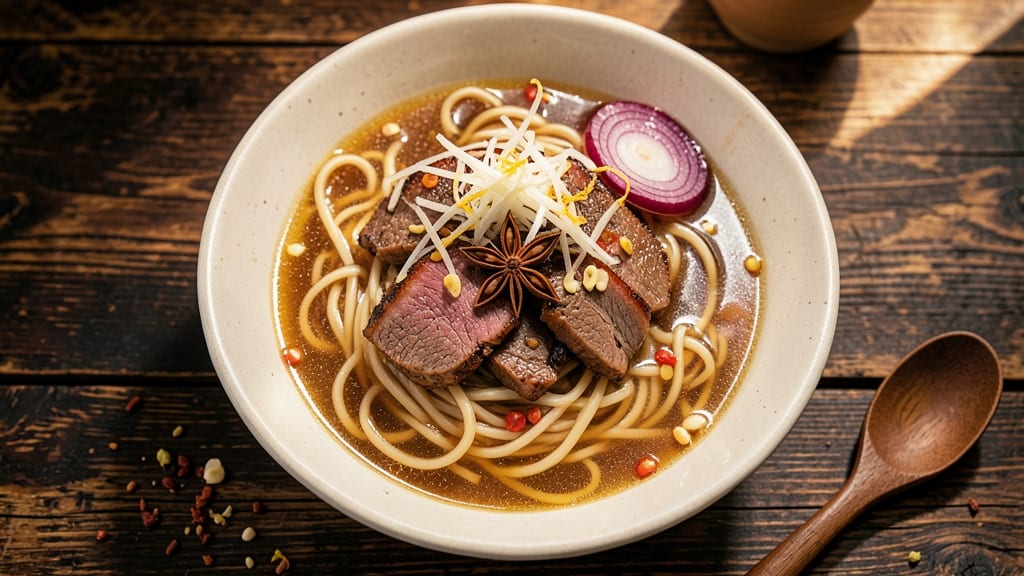
This authentic Chinese beef noodle soup recipe delivers the rich, aromatic flavors of a bustling Shanghai street stall—deep umami broth infused with star anise and ginger, tender wok-seared beef, and chewy wheat noodles.
The secret lies in slow-simmered beef bones and a precise balance of spices that transform simple ingredients into something truly extraordinary. Unlike many Western adaptations, this version stays true to regional techniques while remaining approachable for home cooks.
The foundation begins with a star-anise-infused broth that builds layers of complexity over hours of simmering. We'll use a combination of beef bones, aromatic vegetables, and traditional Chinese spices to create a broth so flavorful it becomes the star of the dish.
The beef, seared in a hot wok before being braised, adds a satisfying texture contrast that's missing from many bottled soup versions. Every element—from the charred beef to the delicate noodles—works together to create a bowl that tastes like a slice of authentic Chinese comfort food.
What makes this recipe truly special is its authentic yet adaptable approach. While we'll follow traditional methods for the broth and beef preparation, I've included modern shortcuts like pre-cut aromatics and quick-soak noodles for busy weeknights.
The result is a soup that maintains cultural integrity while fitting seamlessly into your home cooking routine. The aroma alone—warm, spiced, and deeply savory—will have everyone at your table asking for seconds before the first bite.
Perfect for chilly evenings or as a nourishing meal after a long day, this beef noodle soup serves as both a comforting staple and an impressive centerpiece for dinner guests. The beauty lies in its simplicity: just a few key ingredients, proper technique, and patience to let the flavors develop.
Once you taste the difference between this homemade version and store-bought, you'll never go back to the canned variety again.
Ingredients for authentic chinese beef noodle soup
Rich broth, tender beef, and chewy noodles—authentic Shanghai flavors in one bowl.
| Ingredient | Amount | Notes |
|---|---|---|
| Beef Bones 🥩 | 2 lb | Marrow bones and knuckle bones preferred |
| Wheat Noodles 🍜 | 12 oz | Fresh or dried, chewy variety |
| Fresh Ginger Root 🧄 | 3 tbsp | Peeled, thinly sliced, organic preferred |
| Star Anise Pods 🌿 | 2 whole | Whole pods for infusing broth |
| Garlic Cloves 🧄 | 6 cloves | Peeled, smashed for maximum flavor |
| Onion 🧅 | 1 whole | Yellow or white, cut into wedges |
| Carrots 🥕 | 3 whole | Medium, cut into thick rounds |
| Celery Stalks 🌿 | 3 whole | Cut into 2-inch pieces |
| Dried Shiitake Mushrooms 🍄 | 4 whole | Rehydrated in hot water |
| Beef Chuck Roast 🥩 | 1 ½ lb | Cut into 1-inch cubes, wok-seared |
| Soy Sauce 🍶 | ¼ cup | Light or dark, for seasoning |
| Sesame Oil 🫒 | 1 tbsp | Toasted, for finishing |
| Green Onions 🧅 | 4 whole | Thinly sliced, for garnish |
| Salt 🧂 | 1 ½ tsp | Kosher or sea salt, for seasoning |
| Black Peppercorns 🌶️ | ½ tsp | Freshly cracked, for depth |
The beef bones are non-negotiable for that deep, savory broth. Look for marrow and knuckle bones at your local Asian market—they're packed with flavor. If you can't find them, beef shank bones work in a pinch, but the texture won't be quite the same. The ginger and star anise are the aromatic backbone of this soup, so buy organic ginger and whole star anise pods for the best flavor. I usually grab mine from H Mart or the international section of Whole Foods. For the beef chuck, ask the butcher to cut it into 1-inch cubes—this ensures even cooking and that perfect wok-seared crust.
No star anise? Cinnamon sticks or fennel seeds can mimic its warmth, but you'll lose some of that distinct anise flavor. Short on time? Dried shiitake mushrooms can be rehydrated in broth instead of water—it adds an extra layer of umami. The soy sauce can be swapped for coconut aminos if you're avoiding gluten, but traditional soy sauce is what gives this dish its authentic depth. For the noodles, fresh wheat noodles are ideal, but dried egg noodles work if you're in a hurry. Just soak them for 3-4 minutes less than the package says—they'll finish cooking in the hot broth.
Broth keeps for 5 days in the fridge, and the beef reheats beautifully—just add fresh noodles when serving. Freeze portions of the broth in ice cube trays for easy future use. The ginger and garlic aromatics can be prepped ahead and stored in the fridge for 3 days—just keep them in a sealed container. For extra flavor, toast your spices (star anise, peppercorns) in a dry pan for 30 seconds before adding to the broth. Trust me, it makes all the difference.
Why You'll Love This Recipe
- Simmer Magic: The beef bones do all the heavy lifting—just toss them in cold water, bring to a boil, then let them slow-cook. No constant stirring, no fancy techniques—just pure, rich flavor unfolding while you sip tea and scroll through your phone.
- Umami Bomb: That first sip? The ginger and star anise mingle with the beef broth until it’s ridiculously deep—earthy, slightly sweet, with a warmth that lingers. Honestly, the star anise alone makes this soup feel like a hug in a bowl.
- Leftovers That Shine: This soup only gets better the next day. I’ll be real: my lunchbox gets packed with it for days, and it’s still the star of my workday. The noodles soften just right, and the broth stays velvety—no sad, watery leftovers here.
- Budget-Friendly Feast: Beef bones might sound fancy, but they’re the secret weapon for stretching a meal without breaking the bank. A single batch feeds four, and the broth’s so rich you’ll want seconds. My wallet thanks me every time.
Step-by-step instructions for authentic Chinese beef noodle soup
Here's how to craft a restaurant-quality beef noodle soup with deep umami broth and perfectly seared beef.
Prepare the Broth Base with Beef Bones
Rinse the 2 lb beef bones thoroughly under cold water to remove any impurities. Place them in a large stockpot and cover with 8 cups cold water. Bring to a rolling boil over high heat, then immediately reduce to a gentle simmer for 45 minutes. This initial boiling removes impurities and starts extracting collagen from the bones.
After 45 minutes, skim off any foam that rises to the surface using a fine-mesh skimmer or ladle. Add the 2 whole star anise pods, 3 tbsp peeled and thinly sliced fresh ginger root, 6 peeled and smashed garlic cloves, and the 1 whole onion cut into wedges. Return to a simmer and cook uncovered for 2 hours. The broth should develop a rich, golden color and aromatic steam.
Build Depth with Vegetables and Mushrooms
While the broth simmers, prepare the 3 whole carrots by cutting them into ½-inch thick rounds and the 3 whole celery stalks by cutting them into 2-inch pieces. Add these to the pot along with the 4 whole dried shiitake mushrooms (soaked in hot water for 20 minutes and drained). Simmer for an additional 30 minutes to infuse the broth with sweet, earthy flavors.
The vegetables should soften but remain intact. If the broth level drops below 6 cups, add hot water as needed to maintain proper depth. The star anise will impart a subtle licorice note, while the ginger and garlic create a warm, aromatic foundation. This is where the soup's authentic character begins to develop.
Wok-Sear the Beef Chuck Roast
While the broth simmers, cut the 1.5 lb beef chuck roast into 1-inch cubes. Heat a wok or large skillet over high heat until smoking hot. Add 1 tbsp neutral oil (like vegetable or peanut oil) and swirl to coat. Working in batches, add the beef cubes and sear for 2-3 minutes per side until deeply browned and caramelized. Transfer the seared beef to a plate and set aside.
This high-heat searing creates a Maillard reaction that develops deep, meaty flavors. Don't overcrowd the pan—searing too many pieces at once will steam them instead of browning. The beef should have a rich, caramelized crust when finished. Reserve any rendered fat in the wok for later use.
Finish the Broth and Combine Ingredients
Strain the broth through a fine-mesh sieve into a clean pot, discarding the solids. Return the broth to medium heat and add the seared beef cubes. Simmer gently for 30 minutes to allow the beef to absorb the broth's flavors. Season with 0.25 cup soy sauce and 1.5 tsp salt, adjusting to taste. The broth should be well-seasoned but not overly salty.
Cook the 12 oz wheat noodles according to package instructions until al dente (usually 3-4 minutes for dried noodles). Drain and rinse briefly with cold water to stop cooking. Divide the noodles among 4 bowls, then ladle the hot beef and broth over the top. Drizzle each serving with 1 tbsp toasted sesame oil and garnish with 1 whole green onion, thinly sliced on the bias.
Garnish and Serve Immediately
Crack 0.5 tsp freshly ground black peppercorns over each bowl and give everything a gentle stir. The contrast between the chewy noodles, tender beef, and rich broth creates the perfect balance of textures. Serve immediately while the broth is steaming hot—this is a dish meant to be enjoyed fresh from the pot.
For an authentic touch, I like to serve this with a side of steamed bok choy or quick-pickled vegetables to cut through the richness. The soup's depth comes from the long-simmered broth and wok-seared beef, so every spoonful delivers layers of umami and aromatic complexity. Leftovers can be refrigerated for up to 3 days, but the texture of the noodles is best enjoyed on the day it's made.
Pro Tips For Making Authentic Chinese Beef Noodle Soup
- BLISTER THE GINGER: I learned this the hard way—slicing ginger thin and tossing it in whole won’t wake up the broth. Instead, pound the ginger root flat with the side of your knife until it’s bruised and exposed. Toss those raw, uneven chunks into the pot first—they’ll caramelize into a fragrant paste that builds flavor faster than pre-sliced pieces ever could.
- SIMMER LOW AND LONG: That first 20 minutes of boiling? Too aggressive. After the bones release their initial scum, drop the heat to a bare simmer—just enough to keep tiny bubbles breaking the surface. I used to rush it, and the broth ended up cloudy and weak. Patience here makes the difference between a murky soup and one so clear it looks like liquid gold.
- SKIP THE STAR ANISE BAG: Whole star anise pods sink to the bottom and turn the broth bitter if left too long. Tear open a pod, scrape out the seeds, and crush them lightly with the flat of your knife before adding. This releases the aroma without the risk of over-extraction—no more fishing for pods at the end.
- SALT THE BONES FIRST: Toss the beef bones with 1 tablespoon of kosher salt and let them sit 10 minutes before searing. This draws out moisture, ensuring a better crust and deeper flavor extraction. I was skeptical until I tried it—now I double-check this step every time, especially with cheaper cuts. (Your future self will notice the difference.)
Storing and reheating this authentic chinese beef noodle soup
Broth Storage Secrets
The star-anise-infused broth is the soul of this dish, and it keeps beautifully in the fridge for 5 days in an airtight container. Let it cool completely before transferring to prevent condensation that dilutes flavors. I use glass Pyrex containers because they maintain temperature consistency better than plastic.
For longer storage, freeze portions in ice cube trays—these thaw perfectly for quick meals. The broth's rich umami actually intensifies after a day or two in the fridge. 💫
Noodle Prep Ahead
Cook your 12 oz wheat noodles just until al dente (about 2 minutes less than package instructions), then rinse briefly with cold water to stop cooking. Store them in a sealed container with a damp paper towel to prevent drying.
They'll reheat beautifully—just toss them in hot broth for 1-2 minutes before serving. Fresh noodles are ideal, but dried egg noodles work too if you soak them for 3-4 minutes less than directed.
Beef Reheating Magic
Reheat the seared beef and broth together over medium-low heat—never microwave, as it makes the beef tough. Add 1 tbsp water or beef broth per bowl to prevent sticking. The beef should reach 165°F internal temperature for safety.
I like to add a splash of toasted sesame oil when reheating to revive the aroma. Garnish with fresh green onions and a crack of black pepper right before serving for maximum freshness.
Freezer-Friendly Tips
For the full soup experience, freeze the broth and beef separately. The broth freezes for up to 3 months without losing flavor, while the beef stays tender for 2 months. When ready to serve, thaw overnight in the fridge, then reheat gently.
The noodles don't freeze well, so cook them fresh when reheating. Pro tip: Freeze broth in 1-cup portions for perfect single-serving bowls. The star anise flavor actually becomes more pronounced after freezing! ❄️
Quick Assembly Shortcut
On busy days, prepare the broth and beef ahead, then store them separately. When ready to serve, simply reheat the beef in broth, cook fresh noodles, and assemble. The key is keeping the noodles separate until serving to maintain their perfect texture.
I often make a big batch of broth on Sundays and keep it in the fridge for quick weeknight meals. The aroma alone will have everyone at your table anticipating that first spoonful.
Garnish Refresh
Fresh garnishes make all the difference when reheating. Always add green onions, sesame oil, and black pepper right before serving. For extra brightness, toss together thinly sliced cucumber and rice vinegar as a quick-pickled garnish.
The contrast of cool, tangy vegetables against the warm broth elevates the dish instantly. Keep these garnishes prepped in the fridge so they're ready whenever you are. 🌿
Nutrition facts
Frequently asked questions
How long should I simmer the beef bones for authentic flavor?
For maximum depth, simmer the beef bones for at least 3 hours—this extracts collagen and creates that signature rich, velvety texture. The first 45 minutes at a rolling boil removes impurities, then a gentle simmer for 2-3 hours builds the umami foundation. Patience here makes all the difference!
Can I use regular beef broth instead of homemade?
While homemade broth delivers authentic depth, you can use high-quality store-bought beef broth as a shortcut. Look for ones with no added MSG and at least 20% beef content. Boost flavor by adding 1 star anise pod, 1 tbsp soy sauce, and 1 tsp toasted sesame oil per cup of broth. The texture won't be identical, but it's a decent backup for busy nights.
Why does my soup taste too salty?
This usually happens from over-salting the broth or using salty soy sauce. Start with 1 tsp salt and taste as you go—you can always add more, but you can't remove excess salt. For balance, add 1 tbsp rice vinegar or a splash of cold water to dilute. The star anise and ginger help mask saltiness naturally. Always taste your broth before adding noodles!
What's the best noodle type for this recipe?
Fresh wheat noodles (like lamian or udon) are ideal—they're chewy and hold up well. For convenience, use dried egg noodles (like spaghetti), but cook them 1 minute less than package instructions. Avoid thin rice noodles—they'll turn mushy in the broth. Pro tip: Rinse cooked noodles briefly in cold water before adding to the soup to stop cooking.
How do I make this vegetarian?
Replace beef bones with mushroom stems and kombu seaweed for umami depth, and use tofu or seitan instead of beef. Simmer with shiitake mushrooms, kelp powder, and soy sauce for that savory profile. The star anise and ginger remain key for authentic flavor. Vegetarian versions work best with hearty noodles like rice or wheat varieties.