
Soups & Stews
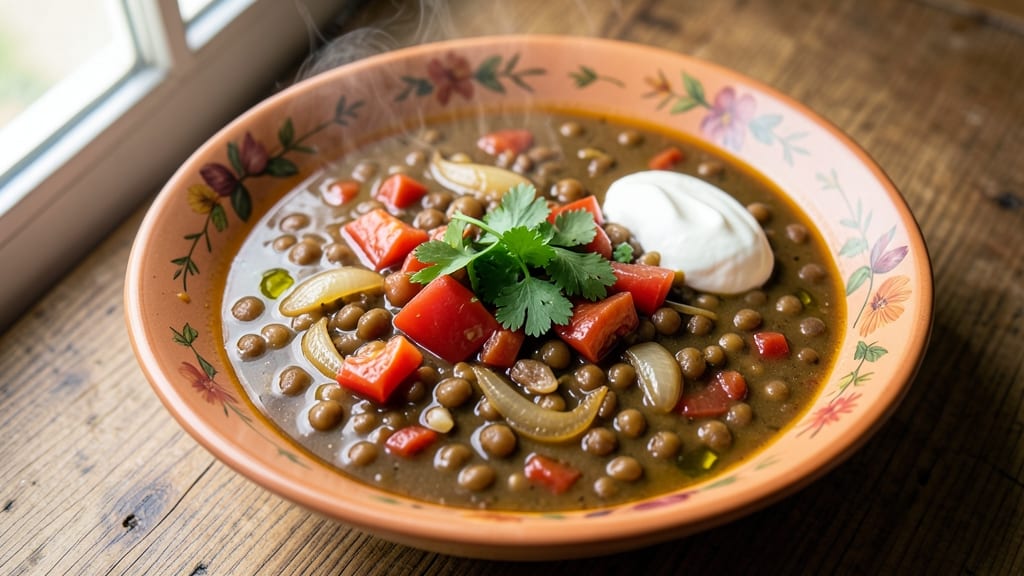
This authentic Lebanese lentil soup recipe brings the warmth of Beirut to your kitchen with its signature blend of earthy cumin, bright lemon, and fragrant allspice. 💛 The secret lies in slow-simmering the lentils until they're tender yet hold their shape, while the spices infuse the broth with layers of Middle Eastern depth.
Unlike heavy European versions, this soup is light yet satisfying, perfect for chilly evenings or meal prep.
The recipe stays true to tradition while adapting for modern kitchens—no special equipment needed, just a pot and patience. Fresh herbs like parsley and optional sumac add that restaurant-quality finish, while lemon juice at the end brightens every spoonful.
What makes this version special is the balance: rich enough to stand alone, but light enough to pair with crusty bread or grilled meats.
By the time you're done, you'll have a steaming bowl of soup where each ingredient—from the toasted cumin to the final squeeze of lemon—plays its part.
The aroma alone will transport you to a bustling Lebanese café, while the texture delivers that perfect harmony of tender lentils, silky broth, and herby freshness. This is comfort food with cultural roots.
Serve it as a main dish for hearty appetites or as a starter to begin a meal with authenticity. The leftovers actually improve overnight, making it ideal for busy weeks. Here's how to bring this classic to your table with professional results and simple techniques.
Ingredients for authentic lebanese lentil soup
These simple ingredients transform into a fragrant, hearty Lebanese soup with deep spice and bright citrus notes.
| Ingredient | Amount | Notes |
|---|---|---|
| Brown Lentils 🌱 | 1 ½ cups | Rinsed thoroughly before cooking |
| Yellow Onion 🧅 | 1 whole | Finely chopped, about 1.5 cups |
| Garlic Cloves 🧄 | 4 cloves | Minced, about 1 tbsp |
| Ground Cumin 🌿 | 1 tbsp | Toasted for deeper flavor |
| Ground Allspice 🌶️ | ½ tsp | Freshly ground preferred |
| Ground Coriander 🌿 | ½ tsp | Freshly ground preferred |
| Salt 🧂 | 1 ½ tsp | Diamond Crystal kosher salt |
| Vegetable Broth 💧 | 4 cups | Low-sodium preferred |
| Lemon Juice 🍋 | 2 tbsp | Freshly squeezed |
| Fresh Parsley 🌿 | ¼ cup | Chopped, for garnish |
| Sumac 🍃 | 1 tsp | Optional, for tangy finish |
| Extra-Virgin Olive Oil 🫒 | 2 tbsp | For toasting spices |
| Fresh Cilantro 🌿 | ¼ cup | Optional, for garnish |
| Canned Crushed Tomatoes 🍅 | ½ cup | San Marzano preferred |
The lentils are the soul of this soup—French green or brown hold their shape best, but any lentil works in a pinch. Trader Joe's or Middle Eastern markets often carry the best quality, but the bulk bins at Whole Foods are reliable too. Toast the cumin in olive oil until fragrant—this step unlocks the spice's full potential. The allspice and coriander are what give this soup its authentic Lebanese character, so don't skip them. For the tomatoes, San Marzano cans are worth the splurge—they're sweeter and less acidic, balancing the spices perfectly.
No cumin? Cumin seeds toasted and ground work just as well. Fresh allspice berries? Crush them before adding. Short on parsley? Fresh cilantro or dill will do, though parsley's brighter flavor is traditional. The sumac is optional but adds that signature tangy finish—find it in the spice aisle or Middle Eastern markets. If you can't get San Marzano tomatoes, any good-quality canned tomatoes will work, but drain them well to avoid a watery soup. The lemon juice should be fresh—bottled won't cut it here.
This soup tastes even better the next day as the flavors meld. Store leftovers in the fridge for up to 5 days or freeze for 3 months. I always double the batch—one pot for dinner, one for lunches. The broth reduces nicely, so if it seems thin after cooking, simmer uncovered for another 10 minutes. Garnish with fresh herbs right before serving, as they wilt quickly. The sumac keeps for 6 months in a cool, dark place if you want to stock up.
Why You'll Love This Recipe
- No-Chop Nightmare: Honestly, I dice that onion in 30 seconds flat—no fancy techniques, just rough chop. The garlic? Smash those cloves with the flat side of my knife, toss in whole, and they’ll melt into pure flavor without burning.
- Earthy Warmth Bomb: That cumin and allspice combo? It’s like a hug in a bowl. The lentils soak up the spices until every spoonful tastes like a spice market in Beirut—deep, toasty, and impossible to resist.
- Lunchbox Legend: Between us, this soup is my meal-prep MVP. Toss it in jars with crusty bread or serve it cold in bowls—my kids beg for it at school, and my husband takes it to work for days. (Yes, even on a Tuesday night.)
- Pantry Goldmine: Brown lentils cost pennies, and a single batch feeds four for three meals. I make a double batch every Sunday, freeze half, and still have leftovers that taste better the next day—proof that simple ingredients win.
Step-by-step instructions for authentic Lebanese lentil soup
Let's create this vibrant, spice-forward soup that captures Lebanon's bold flavors.
🔥 Step 1: Toast the Spices for Maximum Flavor
Heat the 2 tablespoons extra-virgin olive oil in a heavy pot over medium heat. Add the 1 tablespoon ground cumin, 0.5 teaspoon ground allspice, and 0.5 teaspoon ground coriander. Toast for 1-2 minutes until fragrant—you'll smell that warm, earthy aroma that's the soul of this dish.
Here's the thing—this toasting step makes all the difference. The spices should be warm but not burning. If they start to smoke, immediately reduce heat to low. Once fragrant, add the 1 whole yellow onion and cook for 5 minutes until softened and translucent. This builds the flavor foundation.
🍳 Step 2: Add Aromatics and Tomatoes
Push the onions to one side of the pot and add the 4 cloves garlic cloves and 0.5 cup canned crushed tomatoes. Cook for 2-3 minutes until the garlic turns golden and the tomatoes break down slightly. Stir everything together, letting those spices distribute evenly through the mixture.
I like to press the garlic into the onions while cooking—this releases more flavor. If the mixture starts sticking, add 1-2 tablespoons vegetable broth to deglaze. The tomatoes add natural sweetness that balances the spices beautifully. This is where the soup starts coming together.
👨🍳 Step 3: Simmer Lentils Until Tender
Add the 1.5 cups brown lentils and 4 cups vegetable broth to the pot. Bring to a boil, then reduce heat to low and simmer uncovered for 25-30 minutes until the lentils are tender but still hold their shape. Stir occasionally to prevent sticking.
Here's where patience pays off. The lentils should be fork-tender but not mushy—you want that satisfying bite. If the soup reduces too much, add more broth 1 cup at a time to maintain the right consistency. The broth should just cover the lentils by about ½ inch.
🥘 Step 4: Finish with Bright, Tangy Flavors
Stir in the 1.5 teaspoons salt, 2 tablespoons lemon juice, and 1 teaspoon sumac. Simmer for another 5 minutes to let the flavors meld together. Taste and adjust seasoning—you might need a bit more salt or lemon depending on your broth.
This is the moment that matters: the lemon juice brightens everything, while the sumac adds that signature tangy finish. The soup should be rich but not heavy, with a perfect balance of earthy spices and citrus. If using, stir in the 0.25 cup fresh cilantro now—it adds freshness that complements the warm spices.
🍽️ Step 5: Serve with Fresh Herbs
Ladle the soup into bowls and garnish with the 0.25 cup fresh parsley (and cilantro if using). Serve immediately with warm pita bread or crusty sourdough. The parsley adds a fresh contrast to the deep, spiced flavors.
This soup tastes even better the next day as the flavors deepen, but it's best enjoyed fresh when the herbs are still vibrant. I promise this will transport you straight to a Lebanese kitchen with every spoonful—warm, comforting, and full of authentic flavor.
Pro Tips For Making Authentic Lebanese Lentil Soup
- Toast the Spices First: Lebanese lentil soup lives or dies by its spice depth—skip toasting cumin and allspice, and you’ll just be eating a mild lentil stew. Dry-toast the spices in your pot for 30 seconds until fragrant (yes, it’ll smell like a spice shop), then add the onions. This wakes up their flavors without burning them.
- Rinse Lentils Twice: I used to skip this, and my soup always ended up either mushy or gritty. Give those brown lentils a quick rinse in a fine-mesh strainer—once before cooking, once after soaking if you’re using pre-soaked lentils. Removes dust and excess starch, so your soup stays tender but not gluey.
- Low and Slow After Boil: The first 10 minutes of simmering? Keep it lively. After that, drop the heat to a whisper—just enough to see tiny bubbles at the edges. I learned this the hard way after burning the bottom of my pot and getting a bitter, overcooked lentil flavor. Patience here makes all the difference.
- Sauté Onions Until Golden: Don’t rush the onions—caramelizing them before adding garlic and lentils builds real depth. Cook them until they’re soft and just starting to turn golden (about 8-10 minutes), stirring occasionally. This isn’t just about flavor; it’s the foundation of the soup’s richness. (Yes, even if you’re impatient like me.)
Pro cooking tips for this recipe
Spice Toasting Secrets
Toast your spices in olive oil over medium heat for just 1-2 minutes—this unlocks their full aroma. Watch closely: cumin should smell warm and earthy, not smoky. If it darkens too quickly, lower the heat immediately.
I use Penzeys Spices for their high-quality ground spices, but any good brand works. This step is non-negotiable for authentic flavor—it's what makes the difference between ordinary and extraordinary. 🌿
Tomato Selection Matters
For that perfect balance of sweetness and acidity, San Marzano tomatoes are my go-to. Their lower acidity lets the spices shine without overpowering. If you can't find them, any high-quality canned tomatoes will work, but drain them well to avoid a watery soup.
The ½ cup you add early in the recipe builds depth—don't skip this step, as it prevents the soup from tasting flat. 🍅
Lentil Texture Mastery
Simmer your brown lentils for 25-30 minutes until tender but still holding their shape. Overcooking turns them mushy, which ruins the texture. Stir occasionally to prevent sticking, and if the broth reduces too much, add 1 cup at a time to maintain the right consistency.
The lentils should be fork-tender but still have a slight bite—this is the hallmark of a well-made Lebanese lentil soup. ⏳
Acid Balance Trick
The lemon juice and sumac are where the magic happens. Add them in the final 5 minutes of cooking to brighten the flavors without overpowering. Taste as you go—you might need a pinch more salt or an extra squeeze of lemon.
The sumac adds a tangy finish that's signature to Lebanese cooking. If you're new to sumac, start with ½ teaspoon and adjust to taste. 🍋
Herb Garnish Timing
Add fresh herbs like parsley or cilantro right before serving—this keeps them vibrant and adds a fresh contrast to the warm spices. If you're using cilantro, chop it finely so it blends seamlessly into the soup.
The herbs should complement, not compete with, the deep flavors you've built. A sprinkle of extra-virgin olive oil on top adds richness and ties everything together. 🌿
Broth Consistency Tips
If your soup seems too thin after cooking, simmer it uncovered for another 10 minutes to reduce the broth. For a thicker texture, mash a few lentils at the end with a spoon—this releases starch and thickens the soup naturally.
I always double-check the consistency before serving, as it should coat the back of a spoon but still be easy to ladle. This is where home cooks often go wrong—don't rush the simmering! 🥄
Nutrition facts
Frequently asked questions
Can I use green lentils instead of brown?
Yes, but expect slightly different results! Green lentils hold their shape better and have a firmer texture, which some prefer. Brown lentils soften more and create a creamier soup. For authenticity, stick with brown, but green lentils work well if you like that extra bite. Adjust cooking time by 5 minutes if using green.
Why does my soup taste too bitter?
Over-toasted spices or undercooked tomatoes are usually the culprits. The cumin should smell warm and earthy, not burnt. If the tomatoes taste bitter, reduce their cooking time to 2 minutes max. A splash of lemon juice at the end can also brighten flavors. Taste as you go—adjust seasoning gradually!
How can I make this soup spicier?
Add ½ teaspoon cayenne pepper with the spices or a pinch of Aleppo pepper for heat with depth. For smoky heat, stir in ½ teaspoon smoked paprika> with the cumin. Start small—you can always add more, but you can't take it out! The sumac already adds tang, so balance carefully.
Can I make this soup in an Instant Pot?
Sauté the spices and onions, then add everything except lemon juice. Seal and cook on high pressure for 8 minutes, then quick-release. Finish with lemon juice and herbs. The Instant Pot cuts cooking time to 20 minutes total, but the flavors will still develop beautifully.
What’s the best way to store leftovers?
Store in an airtight container in the fridge for up to 5 days or freeze for 3 months. The flavors actually improve overnight! Reheat gently on the stove with a splash of water or broth. Never microwave directly from frozen—thaw first in the fridge for even heating.