
Soups & Stews
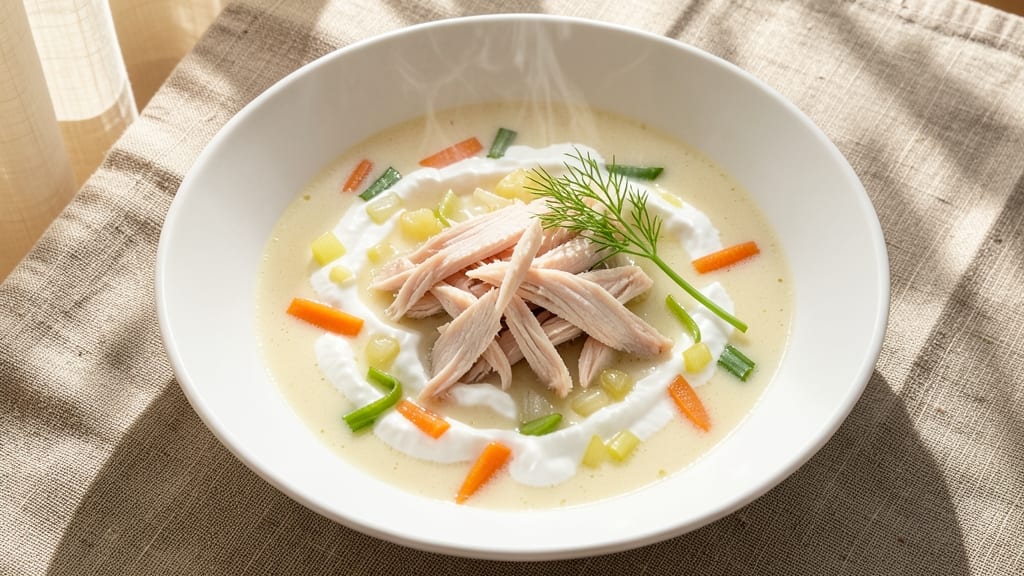
This bariatric cream of chicken soup recipe delivers all the comforting richness of classic velouté without the heavy cream or thick texture. Designed for gentle digestion, it combines pureed chicken, low-sodium broth, and a touch of Greek yogurt for protein and creaminess—no lumps, no heaviness, just smooth satisfaction.
The secret lies in blending until silky and straining for a velvety finish that's easy on sensitive stomachs while still feeling indulgent.
What sets this recipe apart is its focus on nutritional balance—high protein from the chicken and yogurt, hydration from the broth, and gentle seasoning that enhances flavor without irritation.
Each ingredient plays a role: carrots add natural sweetness, celery provides fiber, and a splash of lemon brightens the profile without overpowering. The result is a soup that feels like comfort food but supports digestive health.
Perfect for post-surgery recovery or anyone following a low-fat, high-protein diet, this velouté serves as both nourishment and pleasure. The texture is silky yet substantial, with no chunks to challenge digestion, while the flavor remains rich and satisfying.
Serve with a sprinkle of fresh parsley or a dollop of yogurt for extra appeal—because good food shouldn’t compromise health.
Preparation is straightforward: simmer the base, blend until smooth, and strain for that restaurant-quality finish. The entire process takes under 45 minutes, making it ideal for meal prep or a quick yet thoughtful dinner.
Store leftovers in the fridge for up to 5 days, reheating gently to preserve its velvety texture.
Ingredients for bariatric cream of chicken soup
Lightweight yet protein-rich ingredients blend for velvety bariatric-friendly comfort without heaviness or digestive strain.
| Ingredient | Amount | Notes |
|---|---|---|
| Boneless, Skinless Chicken Breast 🍗 | 1 ½ lb | Poached for tenderness, no lumps |
| Low-Sodium Chicken Broth 💧 | 4 cups | Homemade or high-quality store-bought |
| Plain Greek Yogurt 🥛 | ½ cup | Non-fat, full-fat for creaminess |
| Carrots 🥕 | 2 medium | Peeled, diced small for blending |
| Celery Stalks 🧅 | 2 whole | Trimmed, diced for fiber content |
| Yellow Onion 🧅 | 1 medium | Peeled, finely chopped for base flavor |
| Garlic Cloves 🧄 | 3 cloves | Minced for aromatic depth |
| Fresh Lemon Juice 🍋 | 1 tbsp | Brightens without overpowering |
| Fresh Parsley 🌿 | ¼ cup | Chopped, for garnish and freshness |
| Extra-Virgin Olive Oil 🫒 | 1 tbsp | For gentle sautéing vegetables |
| Diamond Crystal Kosher Salt 🧂 | ½ tsp | Adjust to taste after blending |
| Freshly Ground Black Pepper 🌶️ | ¼ tsp | For subtle seasoning balance |
| Dried Thyme 🌿 | ½ tsp | Or 1 tsp fresh thyme leaves |
| Dried Parsley 🌿 | ¼ tsp | For additional herbal notes |
The chicken breast is the protein foundation—opt for organic or pasture-raised when possible, as it yields more tender results when poached. Trader Joe's or Whole Foods carry excellent low-sodium chicken broth that's perfect for this recipe, but homemade is ideal if you have time. For the Greek yogurt, Fage 0% or Chobani Non-Fat Plain provide the right texture without added sugars. Carrots and celery should be vibrant—orange hue in carrots and crisp stalks in celery indicate freshness. The onion and garlic form the flavor base, so don't skip mincing them finely for even distribution in the final velouté.
No Greek yogurt? Silken tofu blended smooth works as a neutral substitute, though texture differs slightly. Substitute dried thyme with one-third the amount of fresh if available—it's more potent. For extra richness without fat, a splash of unsweetened almond milk can replace up to 2 tablespoons of broth. The lemon juice is crucial for brightness; if you're sensitive to acidity, reduce to 1 teaspoon. For those avoiding nightshades, omit the dried parsley and increase thyme by 0.25 teaspoon. All vegetables can be prepped ahead and stored in airtight containers in the fridge for 3 days before cooking.
This velouté maintains its silky texture when reheated gently—never boil after blending. Store in glass containers for up to 5 days in the refrigerator, or freeze for 3 months in ice cube trays for portion control. The Greek yogurt may separate slightly upon reheating; stir vigorously to restore consistency. For meal prep, double the recipe and freeze half—thaw overnight in the fridge before reheating. The parsley garnish adds visual appeal and freshness, but omit if you're sensitive to fiber during recovery.
Why You'll Love This Recipe
- I swear by this trick: chop the carrots and celery once at the start of the week. Toss them in the freezer, and when you’re ready, just dump them straight into the simmering broth—no thawing, no fuss. That Greek yogurt swap for cream? It’s the secret to keeping it light and silky.
- No-Cook Prep: I swear by this trick: chop the carrots and celery once at the start of the week. Toss them in the freezer, and when you’re ready, just dump them straight into the simmering broth—no thawing, no fuss. That Greek yogurt swap for cream? It’s the secret to keeping it light and silky.
- Creamy Without Guilt: Honestly, the yogurt makes all the difference. It’s rich enough to feel indulgent but still protein-packed and easy on the stomach. The broth carries the warmth, while the yogurt adds that velvety finish—like a hug in a bowl, but with fewer calories.
- Post-Surgery Safe: Between us, this is my go-to when protein shakes get boring. The shredded chicken breast is lean, the broth is low-sodium, and the veggies sneak in without overpowering. It’s the kind of meal that feels like a treat but won’t leave anyone feeling sluggish afterward.
Step-by-step instructions for bariatric cream of chicken soup
This velouté delivers rich flavor while keeping calories and fat in check—perfect for bariatric-friendly nutrition.
Poach the Chicken Breast for Maximum Tenderness
Place the 1.5 lb boneless, skinless chicken breast in a medium pot and cover with 4 cups low-sodium chicken broth. Bring to a gentle simmer over medium heat—you should see just a few bubbles breaking the surface. The broth should never boil vigorously, as that would make the chicken tough.
Simmer uncovered for 15-20 minutes until the chicken reaches 165°F internally and is fork-tender. The liquid should reduce slightly, concentrating the flavor. Remove the chicken, shred it using two forks, and set aside. Reserve 1 cup of the poaching liquid for the soup base—this adds depth without excess volume.
Sauté the Aromatic Vegetable Base
In a large saucepan, heat 1 tablespoon extra-virgin olive oil over medium-low heat. Add the finely chopped yellow onion, diced carrots, and diced celery stalks. Cook for 5-6 minutes, stirring occasionally, until the vegetables soften but don’t brown. This gentle cooking preserves their nutrients while building the soup’s foundation.
Add the minced garlic cloves, 0.5 teaspoon dried thyme, and 0.25 teaspoon dried parsley. Stir for 30 seconds until fragrant—this releases their essential oils. The mixture should smell like a warm garden, signaling the aromatics are ready to meld with the broth.
Create the Velouté Base with Precision
Pour in the reserved 1 cup poaching liquid and 3 cups remaining low-sodium chicken broth. Bring to a gentle simmer over medium heat, then add the shredded chicken. Stir in 0.5 teaspoon diamond crystal kosher salt and 0.25 teaspoon freshly ground black pepper. Simmer uncovered for 8-10 minutes until the flavors meld and the liquid reduces slightly.
For the velouté texture, whisk in 0.5 cup plain Greek yogurt in a slow stream, ensuring it blends smoothly without curdling. The yogurt adds creaminess without heavy cream’s fat content. Simmer for an additional 3-4 minutes—the soup should coat the back of a spoon but remain pourable.
Finish with Brightness and Garnish
Remove the soup from heat and stir in 1 tablespoon fresh lemon juice. This brightens the flavor profile without overpowering the chicken’s richness. Taste and adjust seasoning—you may need an extra pinch of salt, as the yogurt can dilute the broth’s saltiness.
Ladle the soup into bowls and garnish with 0.25 cup chopped fresh parsley. Serve immediately while warm, as the yogurt’s texture softens slightly over time. Each spoonful delivers protein, fiber, and gentle creaminess—ideal for bariatric dietary needs.
Pro Tips For Making Bariatric Cream Of Chicken Soup
- Sear Chicken First: Toss those boneless breasts in a dry skillet over medium-high heat for 2-3 minutes per side before shredding. I learned this the hard way—raw chicken in broth makes the soup taste bland, no matter how much seasoning you add later.
- Mince Celery Finer: Skip the rough chop—finely dice that celery into tiny pieces, almost like a salsa. It blends smoother, thickens the soup better, and avoids those annoying fibrous bits that make bariatric eating harder. (Yes, even if it takes 30 seconds extra.)
- Temper the Yogurt: Warm the Greek yogurt separately in a small saucepan over low heat until it reaches room temperature—no hotter than 110°F. Dumping cold yogurt straight into hot broth curdles it instantly, and nobody wants lumpy soup, especially when protein matters.
- Simmer Low and Long: Reduce the heat to the lowest setting after adding yogurt and let it bubble gently for 10 minutes. Rushing this step makes the soup taste thin and unfinished—patience here guarantees that creamy, velvety texture without breaking the yogurt. (Your future self will notice the difference.)
Perfect pairings for bariatric cream of chicken soup
Light Side Pairings
Serve this velouté with steamed cauliflower mash—steam 2 cups cauliflower florets with 1 tablespoon olive oil until tender, then blend with 2 tablespoons Greek yogurt and ¼ teaspoon salt for a creamy, low-carb complement. The mild flavor lets the soup shine while adding volume without heaviness. 🥬
Protein Boost Add-Ins
For extra protein, stir in ¼ cup cooked quinoa or 2 tablespoons nutritional yeast when reheating—both blend seamlessly into the velouté. If you prefer texture, add 1 tablespoon finely shredded rotisserie chicken (strain it first to avoid lumps) for a protein-packed variation.
These additions keep the soup satisfying while staying bariatric-friendly.
Beverage Pairings
A sparkling water with lemon cuts through the richness beautifully—add ice cubes and a squeeze of lemon to keep it refreshing. For warmth, a ginger tea (steep 1 teaspoon fresh ginger in hot water for 5 minutes) complements the soup’s herbal notes.
Avoid acidic juices like orange or tomato, which can irritate sensitive stomachs post-surgery.
Garnish Ideas
Skip heavy toppings like croutons or cheese—opt for microgreens (like pea shoots) or crispy fried shallots (air-fried for 2 minutes at 375°F) for crunch without calories.
A drizzle of chili oil (½ teaspoon) adds heat without fat. Fresh herbs like dill or basil brighten the dish with minimal fiber content.
Meal Prep Sides
Prep baked zucchini fries ahead: Toss 1 medium zucchini (sliced into sticks) with ½ teaspoon olive oil, ¼ teaspoon paprika, and pinch of salt. Bake at 400°F for 15 minutes until tender.
Store in the fridge for 3 days—they reheat perfectly with the soup. This adds a satisfying, crunchy element without overpowering the velouté.
Dessert Balance
End the meal with baked apples—core 2 apples, sprinkle with ½ teaspoon cinnamon, and bake at 375°F for 20 minutes. The natural sweetness balances the soup’s savory notes without added sugar. Serve with a dollop of whipped coconut cream (lightly sweetened) for a refreshing, low-fat finish.
Nutrition facts
Frequently asked questions
Can I use regular cream instead of Greek yogurt in this bariatric soup?
It's not recommended for bariatric diets, as regular cream adds unnecessary fat and calories. Greek yogurt provides the same creamy texture with far less fat and more protein—perfect for gentle digestion. If you're avoiding dairy, silken tofu blended smooth works as a neutral substitute.
How do I prevent lumps when blending the soup?
Blend the soup in batches if needed, and use an immersion blender directly in the pot for the smoothest texture. Strain through a fine-mesh sieve afterward to ensure absolute silkiness. For extra insurance, whisk the yogurt into the hot (not boiling) soup gradually to avoid curdling.
Is this soup safe to eat during the strict liquid phase after bariatric surgery?
No, this recipe is designed for the soft food phase (3-4 weeks post-surgery) when you can handle blended textures. During the strict liquid phase, you'll need to strain it further or use only broth-based versions. Always consult your surgeon or dietitian before introducing new foods.
Can I make this soup ahead of time?
Yes! Prepare it up to 5 days in advance and store in airtight glass containers. The yogurt may separate slightly when reheated—just stir vigorously before serving. For longer storage, freeze in ice cube trays (portion-sized) for up to 3 months. Thaw overnight in the fridge before reheating gently.
What if I don't have fresh herbs like parsley?
Dried herbs work perfectly—use ¼ teaspoon dried parsley instead of fresh, as it's more concentrated. For garnish, try microgreens (like pea shoots) or a sprinkle of nutritional yeast for a cheesy flavor without the fat. Even a pinch of lemon zest adds brightness without extra fiber.