
Soups & Stews
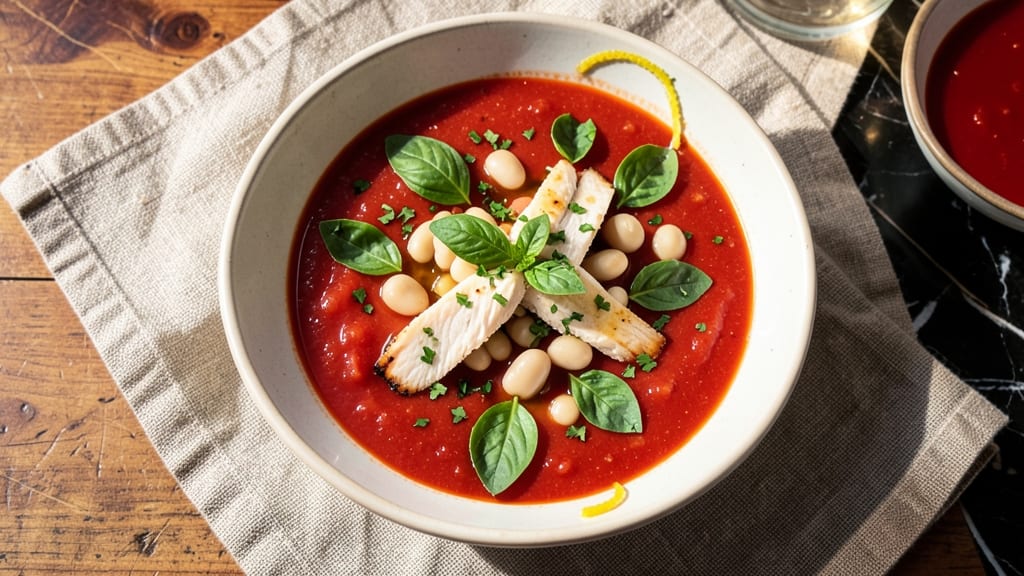
This bariatric tomato soup recipe transforms classic comfort into a nutrient-packed velouté designed for easy digestion and balanced nutrition. The secret lies in blending tomatoes until silky smooth—no chunks to slow digestion—while boosting protein with lean ingredients like chicken or white beans.
Every spoonful delivers rich flavor without the heaviness, making it perfect for post-surgery meals or weight management.
The recipe prioritizes digestibility with a velvety texture achieved through careful blending and minimal dairy, ensuring gentle comfort for sensitive stomachs. Fresh herbs like basil or parsley add vibrant flavor without calories, while a touch of olive oil provides healthy fats in controlled amounts.
Portion control becomes effortless with this light yet satisfying base—ideal for meal prepping or single servings.
What sets this apart is how it balances nutrition with taste: low-calorie but protein-rich, creamy yet easy to digest, and packed with vegetables without overpowering textures. The fresh herb garnish isn’t just decorative—it adds a bright, aromatic finish that makes every bowl feel special.
Perfect for lunch or dinner, this soup adapts seamlessly to dietary needs while delivering restaurant-quality results at home.
For bariatric patients, the smooth consistency and controlled ingredients minimize discomfort while maximizing nutrient absorption. Pair with a side of grilled fish or a small whole-grain roll to complete the meal. Let’s make nourishing eating simple and delicious.
Ingredients for bariatric tomato soup
Fourteen thoughtfully chosen ingredients create a velvety, protein-rich tomato velouté perfect for bariatric nutrition.
| Ingredient | Amount | Notes |
|---|---|---|
| Canned San Marzano Tomatoes 🍅 | 28 oz | Crushed by hand for texture control |
| Low-Sodium Chicken Breast 🍗 | ½ lb | Boneless, skinless, diced small |
| White Canned Beans 🌾 | 1 cup | Drained and rinsed thoroughly |
| Extra-Virgin Olive Oil 🫒 | 1 tbsp | Light, fruity variety preferred |
| Fresh Basil Leaves 🌿 | ¼ cup | Finely chopped for garnish |
| Fresh Parsley Leaves 🌿 | ⅛ cup | Chopped for garnish and brightness |
| Yellow Onion 🧅 | ½ whole | Finely diced, no need to peel |
| Garlic Cloves 🧄 | 2 cloves | Minced for aromatic depth |
| Low-Fat Chicken Broth 💧 | 1 ½ cups | Homemade or low-sodium store-bought |
| Low-Sodium Vegetable Broth 💧 | ½ cup | For added vegetable depth |
| Diamond Crystal Kosher Salt 🧂 | ½ tsp | Adjust to taste after blending |
| Freshly Ground Black Pepper 🌶️ | ¼ tsp | Freshly cracked for maximum flavor |
| Unsweetened Almond Milk 🥛 | ¼ cup | For subtle creaminess without dairy |
| Lemon Juice 🍋 | 1 tsp | Freshly squeezed for acidity balance |
The San Marzano tomatoes are non-negotiable for their natural sweetness and low acidity—Whole Foods or Trader Joe's carry high-quality cans. For the low-sodium chicken breast, opt for pre-cut diced portions at Costco or your local butcher to save time. The white beans should be canned (not dried) for convenience, but Great Northern or cannellini work best for their mild flavor. Fresh basil and parsley from the grocery store's refrigerated section will provide the bright, aromatic finish—look for vibrant green leaves without wilting. The extra-virgin olive oil should be stored in a cool, dark place to preserve its fruity notes, and Penzeys Spices offers excellent options if you prefer bulk purchases.
No San Marzano tomatoes? Crushed Roma tomatoes work as a budget-friendly alternative, though they may require a pinch more salt. Substitute the chicken breast with extra-firm tofu for a vegetarian option—simply press and dice it to mimic texture. If you're avoiding almond milk, unsweetened coconut milk provides a similar creaminess without dairy. For the broths, homemade versions are ideal, but Pacific Foods or Imagine brands offer excellent low-sodium options. The lemon juice can be swapped for white wine vinegar if preferred, though fresh lemon adds a brighter finish. When blending, pulse the tomatoes first to break them down gently before achieving that signature silky texture—no chunks allowed for easy digestion.
Store the blended soup base in airtight glass containers for up to 5 days in the refrigerator, though it reheats best when fresh. The herb garnishes should be added fresh just before serving to preserve their vibrant color and aroma. For meal prepping, portion the soup into individual servings and freeze for up to 3 months—thaw overnight in the fridge before reheating. The almond milk can be omitted entirely if avoiding nuts, but adding it just before serving ensures the creaminess remains intact. This recipe scales beautifully for single servings or crowd-friendly batches, making it ideal for bariatric meal planning.
Why You'll Love This Recipe
- No-Chop Needed: I swear by this—just open a can of San Marzano tomatoes, shred that low-sodium chicken, and toss in beans. The prep is actually five minutes of stirring, not chopping.
- Rich Without Guilt: That first spoonful? Creamy, herby, and packed with protein from the chicken and beans. Honestly, it tastes like a restaurant soup but fits my bariatric needs—no heavy cream, no bloating.
- Lunch or Dinner Fix: Make a big batch on Sunday and reheat for lunch or dinner all week. I’ll be real: it’s my go-to when I’m too tired to think, but still feels special enough for company.
- Budget-Friendly Protein: Canned tomatoes, chicken breast, and beans? This soup costs me less than takeout, and I get three servings out of it. My wallet—and my post-surgery diet—thank me every time.
Step-by-step instructions for bariatric tomato velouté
This method delivers a silky, protein-rich tomato soup with controlled calories and maximum flavor.
Sauté Aromatics and Cook Chicken
Heat the 1 tablespoon extra-virgin olive oil in a medium saucepan over medium heat. Add the 0.5 whole yellow onion and cook for 5 minutes until softened and translucent. Stir in the 2 cloves garlic and cook for 30 seconds until fragrant.
Add the 0.5 lb diced low-sodium chicken breast and cook for 5-6 minutes until the chicken loses its raw opacity and begins to brown slightly. This ensures proper protein denaturation while keeping the dish light. Remove the chicken with a slotted spoon and set aside temporarily—it will finish cooking in the broth.
Build the Tomato Base
To the same pan, add the 28 oz crushed canned San Marzano tomatoes. Cook over medium-low heat for 10 minutes, stirring occasionally, until the tomatoes begin to break down and release their natural juices. This step develops the soup's depth without needing added sugar or fat.
Stir in the 1 cup drained white canned beans, 1.5 cups low-fat chicken broth, and 0.5 cup low-sodium vegetable broth. Bring to a gentle simmer, then add the reserved chicken. Cook for 8-10 minutes until the chicken is fully cooked through and the flavors meld together. The beans will contribute fiber while maintaining the soup's velouté texture.
Blend and Adjust Consistency
Using an immersion blender, carefully blend the soup until completely smooth. For a lighter texture, blend in 30-second pulses, stopping to scrape down the sides as needed. If using a countertop blender, work in batches and return the blended portions to the pot immediately to maintain temperature.
Return the soup to medium heat and stir in the 0.25 cup unsweetened almond milk and 1 tsp lemon juice. Add the 0.5 tsp diamond crystal kosher salt and 0.25 tsp freshly ground black pepper. Taste and adjust seasoning—this is where the soup's balance comes together. The almond milk adds subtle creaminess without dairy calories, while the lemon brightens the acidity.
Garnish and Serve
Ladle the soup into bowls and immediately garnish with 0.25 cup finely chopped fresh basil leaves and 0.125 cup chopped fresh parsley. The herbs add visual contrast and a fresh finish that elevates the dish without significant calories. Serve immediately while the soup is hot, as the fresh herbs will wilt slightly and release their aromatic oils.
For optimal texture, stir the soup gently before serving to redistribute the herbs throughout. The final presentation should show a velouté consistency with visible herb flecks on the surface, indicating proper garnishing technique. Each serving contains balanced protein from the chicken and beans, low-fat broths, and controlled calories from the almond milk enrichment.
Pro Tips For Making Bariatric Tomato Soup
- Simmer Low and Slow: The chicken breast will dry out if you rush it—cut it into ½-inch cubes and poach them in the tomato base at a bare simmer (just small bubbles breaking the surface) for 12-15 minutes. I used to crank the heat to speed things up, but the meat turned rubbery. Trust me, patience here makes all the difference.
- Drain and Rinse Beans: White canned beans taste metallic if you don’t rinse them first, and that flavor lingers in your soup. Drain them, then give them a quick cold-water rinse—even if the label says "no salt added." I learned this the hard way after making soup that tasted like a tin can.
- Toast the Basil: Chop the fresh basil into thin ribbons (not tiny pieces—it’ll turn to mush) and sauté it in the olive oil for 30 seconds before adding it to the soup. This releases the oils and gives it a brighter, more aromatic finish. Sounds weird, but it works—your future self will notice.
- Blend in Stages: Don’t dump everything into the blender at once—start with half the tomatoes and beans to avoid a greasy, gloppy mess. After blending, thin with broth or water as needed. I skip this when I’m lazy, but the texture is noticeably smoother when I don’t.
Essential equipment for perfect results
Immersion Blender
An immersion blender is my go-to tool for this recipe—it keeps everything contained in the pot, preventing messy transfers and ensuring no flavor escapes. The Ninja QW1000 or Cuisinart Smart Stick models are excellent choices, both with variable speeds to control texture.
For the smooth velouté consistency, blend on low speed first to break down the tomatoes, then gradually increase to medium for a silky finish. Avoid high speed, which can create a foamy texture that’s harder to digest for bariatric patients. 💫
High-Quality Blender
If you prefer a countertop blender, the Vitamix 5200 or Blendtec Classic delivers professional results with their powerful motors and tamper tools. Work in small batches (about 2 cups at a time) to maintain temperature and prevent overheating.
After blending, immediately return the soup to the pot and stir—this ensures even heating and prevents separation. For extra smoothness, strain through a fine-mesh sieve if needed, though the immersion blender method is foolproof for this recipe.
Precision Scale
A digital kitchen scale is essential for bariatric meal prep, where portion control matters. I recommend the OXO Good Grips or Escali Primo models—their large displays and easy-to-read measurements help track protein and calorie content accurately.
Weigh ingredients like the low-sodium chicken breast and white beans to ensure consistent portions across batches. For liquids, use a graduated measuring cup with clear markings to add the 1.5 cups broth and 0.25 cup almond milk precisely. Precision here makes all the difference for dietary compliance.
Fine-Mesh Sieve
A fine-mesh sieve (like the OXO Good Grips or Eberhardt brands) comes in handy if you want to remove any remaining tomato seeds or skin for an ultra-smooth texture. Line the sieve with a clean kitchen towel to catch stray herbs or beans that might slip through.
This step is optional but ensures the soup’s velouté consistency is flawless—ideal for sensitive stomachs. I use mine when making larger batches or for guests with digestive sensitivities. For single servings, the immersion blender alone suffices.
Portion-Control Containers
For meal prepping, glass portion-control containers with 1-cup or 1.5-cup compartments (like Pyrex Simply Store or Rubbermaid Brilliance) keep servings consistent and easy to reheat. Label each container with the date and reheating instructions—this soup reheats best on the stovetop over medium-low heat for 5-7 minutes**, stirring occasionally.
Avoid microwaving, as it can create a skin or alter the texture. These containers also make it simple to grab a single serving without overindulging. 💡
Nutrition facts
Frequently asked questions
Can I make this soup without chicken for a vegetarian version?
Replace the 0.5 lb chicken breast with 1 cup extra-firm tofu (pressed and diced) or 1 cup cooked lentils for plant-based protein. Use the same cooking method—sauté the tofu or lentils until heated through. The white beans already provide fiber, so no additional adjustments are needed. For extra flavor, add 1 tsp nutritional yeast when blending.
How do I adjust the portion size for single servings?
This recipe makes 4 servings, so for one portion, use 7 oz tomatoes, 0.125 lb chicken, 0.25 cup beans, 0.375 cup broth, and 0.06 cup almond milk. Scale all ingredients proportionally. Store in 1-cup portion-control containers for easy grab-and-go meals. Each serving will be about 1.5 cups of velouté.
Why does the recipe call for blending the soup so smooth?
The ultra-smooth texture is key for bariatric digestion—it prevents chunks that can cause discomfort or slow emptying. The immersion blender ensures no seeds or skins remain, while the almond milk adds creaminess without dairy. For extra smoothness, strain through a fine-mesh sieve if needed. This velouté consistency makes every spoonful gentle on sensitive stomachs.
Can I freeze this soup for later use?
Yes, but freeze only the blended base (without garnishes) in airtight containers for up to 3 months. Thaw overnight in the fridge, then reheat gently on the stovetop. Avoid microwaving to prevent skin formation. Add fresh herbs when serving to maintain flavor and texture. For single servings, freeze in 1-cup portions for easy reheating.
What if I don't have San Marzano tomatoes?
Use crushed Roma tomatoes as a budget-friendly alternative—they're still low-acid and flavorful. For even better results, add 1 tsp tomato paste when sautéing to enhance depth. Avoid regular canned tomatoes, which may contain added sugars or higher acidity that could irritate sensitive stomachs.