
Soups & Stews
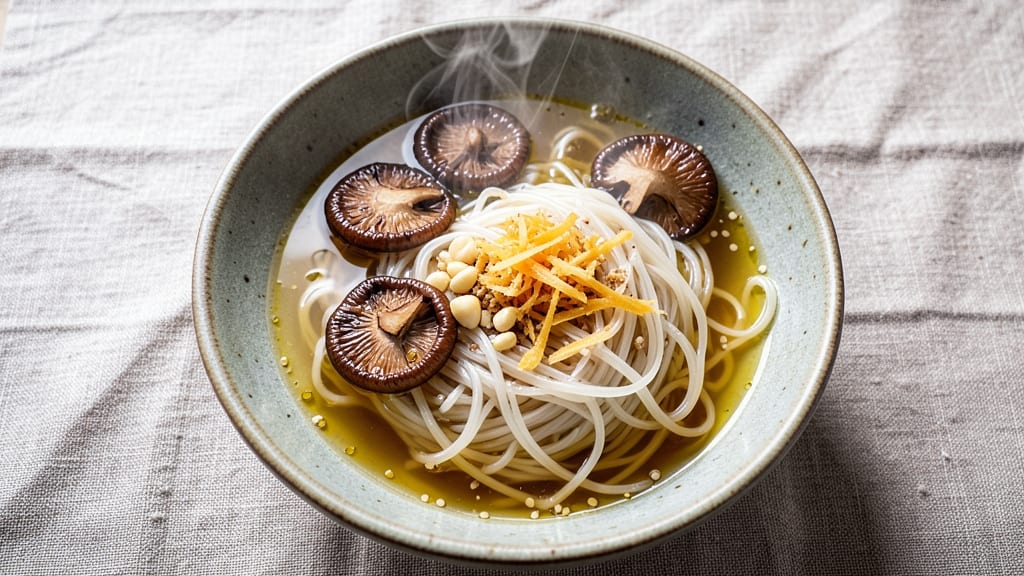
This bean thread noodles soup recipe delivers the perfect harmony of silky, slippery noodles in a rich, savory broth that feels like a warm hug in a bowl.
The secret lies in the delicate balance of umami from fermented ingredients, fresh aromatics, and a gentle simmering process that transforms simple ingredients into something extraordinary.
What makes this dish truly special is how it captures both tradition and approachability—ideal for weeknight dinners or special occasions when you want restaurant-quality comfort at home.
The foundation of this soup begins with a flavorful broth, built layer by layer with dried shiitake mushrooms, ginger, and garlic that infuse the liquid with deep, earthy notes. Bean thread noodles, known for their unique texture, require careful handling to achieve that signature slippery consistency without turning mushy.
The key technique is cooking them just until tender, then finishing in the hot broth to soak up all those aromatic flavors.
What you'll end up with is a bowl of soup where each component plays its part—silky noodles glide through a velvety broth, while fresh herbs and a sprinkle of sesame oil add brightness and depth.
The result is a dish that's both elegant and satisfying, with every spoonful delivering that perfect balance of textures and flavors. This recipe proves that even the simplest ingredients can create something truly memorable when prepared with care.
Whether you're serving this as a light lunch or a comforting dinner, the versatility of bean thread noodles soup makes it a crowd-pleaser. The broth can be made ahead and reheated, while the noodles cook in just minutes, allowing you to assemble the dish quickly when hunger strikes.
Garnish with scallions, cilantro, or a drizzle of chili oil for an extra layer of flavor that elevates every bite.
Ingredients for bean thread noodles soup
Silky noodles and deep umami broth—this vegan soup brings restaurant-quality comfort home.
| Ingredient | Amount | Notes |
|---|---|---|
| Dried Shiitake Mushrooms 🍄 | ½ oz | Rehydrated for umami depth |
| Fresh Ginger 🧅 | 2 tbsp | Grated, aromatic base |
| Garlic Cloves 🧄 | 4 cloves | Minced, aromatic base |
| Bean Thread Noodles 🍜 | 8 oz | Dried, slippery texture |
| Vegetable Broth 💧 | 4 cups | Low-sodium preferred |
| Sesame Oil 🫒 | 1 tbsp | Toasted, aromatic finish |
| Scallions 🧅 | 3 whole | Thinly sliced, garnish |
| Cilantro 🌿 | ¼ cup | Chopped, fresh garnish |
| Chili Oil 🌶️ | 1 tbsp | Optional, spicy garnish |
| Soy Sauce 🥄 | 1 tbsp | Tamari for gluten-free |
| White Miso Paste 🍶 | 1 tbsp | Fermented umami |
| Lime Juice 🍋 | 1 tbsp | Fresh, bright finish |
| Vegetable Oil 🫒 | 1 tbsp | For stir-frying |
| Sea Salt 🧂 | 1 tsp | Adjust to taste |
| White Pepper 🌶️ | ¼ tsp | Subtle peppery note |
The dried shiitake mushrooms are non-negotiable for that rich umami foundation. Look for thick, plump caps at Asian markets or the bulk section of well-stocked grocery stores like Whole Foods. Rehydrate them in hot water for 20 minutes—they'll triple in size. Fresh ginger and garlic should be vibrant, with no soft spots. For the bean thread noodles, Koyo or Maruchan brands are reliable, but check the package for a '100% bean' label to ensure vegan compatibility. The miso paste? White miso is sweeter and milder—perfect for this delicate soup.
No dried shiitakes? Substitute with 1 oz rehydrated cremini mushrooms, though they won't have the same depth. Fresh ginger too pungent? Use 1 tsp ground ginger (but you'll lose that bright aroma). Soy sauce short on tamari? Coconut aminos work, though the flavor profile shifts slightly. The bean thread noodles can be swapped for rice vermicelli in a pinch, but they won't have that signature slippery texture. For extra richness, stir in 1 tbsp nutritional yeast when serving—it mimics the cheesy umami of traditional versions.
The broth keeps beautifully for 5 days refrigerated or 3 months frozen—make a double batch. Store noodles separately in an airtight container to prevent drying. When reheating, add a splash of water to maintain that velvety consistency. Garnishes like scallions and cilantro stay fresh 5 days wrapped in damp paper towels. For meal prep, assemble the soup just before serving—this ensures those fresh aromatics shine. The chili oil can be stored 6 months in a cool, dark place.
Why You'll Love This Recipe
- No-Chop Wonders: I swear by this recipe after burning my fingers on garlic mincing one too many times. Just toss in whole cloves and dried shiitake—no prep, no mess. The broth pulls all the flavor right out, so you get that umami punch without standing at the cutting board.
- Umami Bomb: That first sip? The mushrooms soak up the broth and burst with earthy depth, while the ginger and garlic add a bright, warm kick. It’s the kind of soup where every spoonful feels like a hug—especially when the noodles turn silky and cling to your bowl.
- Lunchbox Legend: Between us, this is my go-to for meal prep. The noodles hold up for days in the fridge, and I just reheat with a splash of water. Pack it cold in a thermos for work, or warm it up for a cozy night in—it’s always a hit, even with picky eaters.
- Budget Magic: Dried shiitake and bean threads cost next to nothing, and a single batch feeds four for under $5. Honestly, it’s the kind of recipe that makes me feel like I’m feeding a crowd without breaking the bank. Leftovers? Even better—taste just as good the second day.
Step-by-step instructions for silky bean thread noodle soup
This method delivers authentic, restaurant-quality noodle soup with perfectly balanced flavors and silky texture.
Rehydrate the Shiitake Mushrooms and Prepare Aromatics
Place the 0.5 oz dried shiitake mushrooms in a small bowl and cover with hot water for 20 minutes until softened. This step extracts their deep umami flavor—don't skip it. While they soak, peel and finely grate the 2 tbsp fresh ginger using a microplane or fine grater. Then, mince the 4 cloves garlic into a paste using the flat side of your knife.
Heat 1 tbsp vegetable oil in a medium pot over medium heat. Add the ginger and garlic, cooking for 1-2 minutes until fragrant but not browned. This aromatic base forms the flavor foundation of your soup. Watch carefully—ginger burns quickly, so keep the heat moderate.
Build the Umami-Packed Broth
Add the rehydrated mushrooms (reserve the soaking liquid) to the pot along with the 1 tbsp white miso paste and 1 tbsp soy sauce. Stir to combine, then pour in the 4 cups vegetable broth. Bring to a gentle simmer over medium-low heat and let cook uncovered for 10 minutes, allowing the flavors to meld. The miso will dissolve completely, creating a rich, savory base.
Season with 1 tsp sea salt and 0.25 tsp white pepper, then taste. You want a balance of umami from the mushrooms and miso, with just a hint of peppery warmth. If needed, adjust with additional salt or a splash of reserved mushroom liquid to reach your desired depth of flavor.
Cook the Bean Thread Noodles to Perfect Texture
While the broth simmers, separate the 8 oz bean thread noodles into individual strands using your fingers. This prevents clumping and ensures each strand cooks evenly. Bring a separate pot of water to a boil and cook the noodles for 2-3 minutes—they cook faster than traditional noodles. Drain immediately and rinse briefly under cold water to stop the cooking process.
Add the drained noodles to the simmering broth and cook for an additional 3-4 minutes over low heat. The noodles should be silky and slippery but still hold their shape when lifted with chopsticks. Overcooking turns them mushy, so monitor closely. Stir gently to distribute the noodles evenly throughout the broth.
Finish with Bright, Aromatic Touches
Remove the pot from heat and stir in 1 tbsp lime juice and 1 tbsp sesame oil. The acidity brightens the rich broth while the sesame oil adds a nutty aroma. Thinly slice the 3 whole scallions and 0.25 cup cilantro, then divide among 4 bowls. Ladle the hot noodle soup over the greens, allowing the vibrant colors to contrast beautifully.
Drizzle each serving with 1 tbsp chili oil for heat and serve immediately. The contrast of cool, slippery noodles against the warm, aromatic broth creates the perfect balance. Each bite should deliver layers of umami, freshness, and subtle spice—this is how authentic noodle soup should taste.
Pro Tips For Making Bean Thread Noodles Soup
- SOAK NOODLES SEPARATELY: Bean thread noodles need a quick 15-minute soak in warm water (not boiling) to soften without turning mushy—do this in a separate bowl while you prep the broth. I learned this the hard way when I tossed them in the simmering pot too early and ended up with a gluey mess.
- REHYDRATE MUSHROOMS RIGHT: Tear dried shiitake caps into thirds and soak them in hot water (not cold) for 20 minutes—they’ll absorb flavor better and stay chewy. Skip the cold soak unless you’re in a rush, but hot water guarantees that rich umami punch.
- SIMMER GINGER-GARLIC BASE: Sauté minced garlic and julienned ginger in oil until fragrant but not browned—just 30 seconds over medium heat. Overcooking turns them bitter, and that’s the last thing you want in a delicate broth. Trust the timer here.
- SALT THE BROTH LAST: Add salt to the vegetable broth only after the mushrooms and aromatics have simmered for 5 minutes—this way, the noodles absorb the seasoning evenly instead of turning bland or overly salty. I used to add it early, and the first bite always felt flat.
Storing and reheating your bean thread noodles soup
Broth Storage Secrets
The rich umami broth is the heart of this soup and stores beautifully for future meals. After cooling completely, transfer it to an airtight glass container—I love Le Parfait 32-oz containers for their tight seals—and refrigerate for up to 5 days.
For longer storage, freeze in silicone molds or heavy-duty freezer bags, leaving 1-inch headspace for expansion. Thaw overnight in the fridge before reheating. 💫
Noodle Preservation
Bean thread noodles dry out quickly, so store them in a sealed container with a damp paper towel to maintain moisture. They’ll keep for 3-4 days at room temperature or 1 month in the fridge.
For longer storage, freeze them in single-serving portions—just add them directly to hot broth when reheating. Never cook them ahead and refrigerate, as they lose their signature slippery texture. ✨
Reheating Perfection
When reheating, start with the broth on medium-low heat—never microwave, as it can make the noodles rubbery. Add 2-3 tablespoons of water to prevent sticking, then bring to a gentle simmer.
For the noodles, cook them fresh in boiling water for 2 minutes, drain, and add to the reheated broth for 3-4 minutes to revive their texture. Stir in 1 tsp sesame oil and ½ tsp soy sauce at the end for that restaurant-quality finish. 🔥
Garnish Freshness
Fresh herbs like scallions and cilantro lose their vibrancy when stored for long periods. Keep them in a small jar filled with ½ inch water, covered with a plastic bag, and refrigerated for up to 5 days.
For chili oil, store it in a dark glass bottle in the pantry—it’ll keep for 6 months without losing its kick. Add these garnishes right before serving to preserve their bright flavors. 🌿
Meal Prep Strategy
For the ultimate time-saver, make the broth 2 days ahead and store the noodles separately. When ready to serve, cook the noodles fresh and assemble the soup in bowls. This keeps the noodles silky and the broth flavorful.
If you’re short on time, prepare individual portions in microwave-safe bowls, cover tightly, and reheat for 2 minutes on 50% power. Just add fresh garnishes before eating. ⏰
Nutrition facts
Frequently asked questions
Why do bean thread noodles turn mushy when cooked?
These delicate noodles cook in just 2-3 minutes—overcooking breaks down their starches. Always drain them immediately and finish in hot broth for 3-4 minutes on low heat. Separate strands before cooking to prevent clumping, which also causes uneven texture.
Can I make this soup spicier?
Add 1 tsp chili flakes to the broth while simmering or double the chili oil to 2 tbsp per serving. For heat lovers, stir in 1 tbsp gochujang (Korean chili paste) with the miso paste. Adjust to taste—start small, as flavors intensify when reheated.
What's the best way to prevent noodles from sticking?
Always rinse cooked noodles under cold water for 10 seconds to remove excess starch, then toss with ½ tsp oil before adding to broth. Stir gently every 30 seconds while cooking to keep strands separate. A wide, shallow pot gives more surface area for even cooking.
How can I make this soup vegetarian without miso?
Replace miso with 1 tbsp nutritional yeast plus 1 tsp soy sauce for umami. For depth, add ½ cup coconut milk to the broth while simmering. Boost flavor with 1 tsp smoked paprika or ½ tsp white miso substitute powder (available at Asian markets).
Can I use instant ramen noodles instead?
Not recommended—they lack the signature slippery texture and absorb too much broth. For a quick alternative, use rice vermicelli (soak for 10 minutes first) or udon noodles (simmer 4-5 minutes). Bean thread noodles are irreplaceable for that authentic mouthfeel.