
Soups & Stews
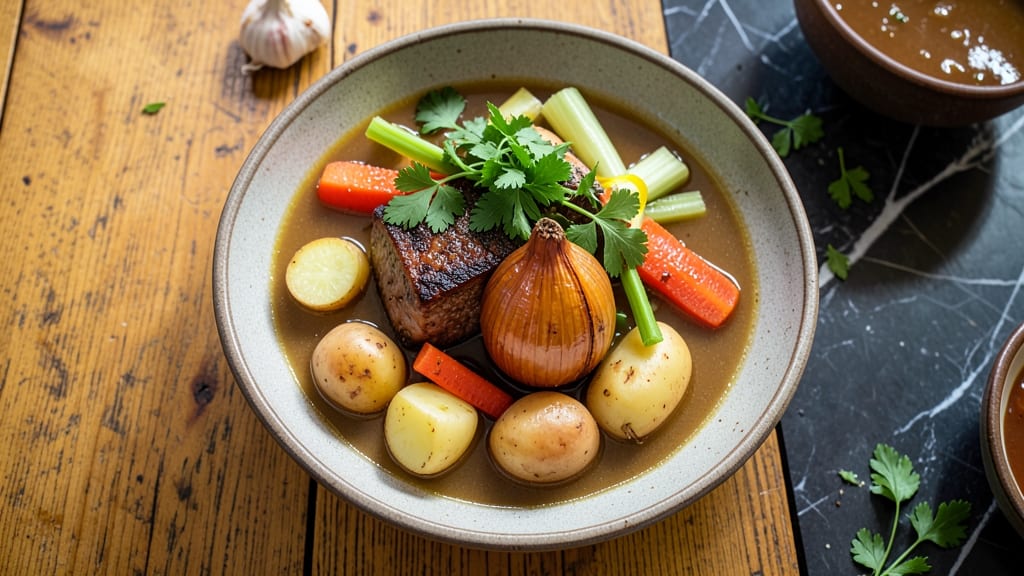
This beef vegetable soup recipe from scratch delivers the kind of deep, comforting flavor you can't find in instant versions. The secret lies in caramelizing onions and root vegetables until they're rich and sweet, creating a base that transforms simple ingredients into something extraordinary.
I developed this recipe after years of experimenting with slow-cooked soups that build flavor layer by layer.
What sets this apart is the technique: searing beef chunks first to develop a deep brown crust, then simmering everything together for hours until the meat becomes fork-tender and the broth develops a velvety richness.
The combination of hearty vegetables—carrots, potatoes, celery, and parsnips—adds texture and natural sweetness that balances the savory beef perfectly.
By the time you're done, you'll have a steaming bowl of soup with perfectly tender beef, caramelized vegetables, and a broth so flavorful it tastes like it's been simmering all day.
The aroma alone will have everyone gathering around the table, and each spoonful delivers that satisfying combination of textures and flavors that makes homemade cooking worth every minute.
This recipe scales beautifully for feeding a crowd or makes enough for leftovers that taste even better the next day. The method is straightforward but yields restaurant-quality results—proof that homemade really does taste better.
Let's get started on creating this comforting classic that will become a staple in your meal rotation.
Ingredients for beef vegetable soup recipe from scratch
Sixteen ingredients transform into a restaurant-worthy beef vegetable soup with caramelized roots and velvety broth.
| Ingredient | Amount | Notes |
|---|---|---|
| Chuck Roast 🥩 | 2 lb | Trimmed of excess fat, cut into 1-inch cubes |
| Yellow Onions 🧅 | 3 whole | Medium size, thinly sliced |
| Carrots 🥕 | 4 whole | Medium size, peeled and cut into chunks |
| Russet Potatoes 🥔 | 2 lb | Peeled and cut into 1-inch cubes |
| Celery Stalks 🧄 | 4 whole | Trimmed and cut into 1-inch pieces |
| Parsnips 🥕 | 2 whole | Peeled and cut into chunks |
| Garlic Cloves 🧄 | 8 cloves | Minced for depth of flavor |
| Tomato Paste 🍅 | ½ cup | High-quality for richness |
| Beef Broth 💧 | 6 cups | Homemade or high-quality store-bought |
| Red Wine 🍷 | 1 cup | Bold dry variety like Cabernet Sauvignon |
| Fresh Thyme 🌿 | ¼ cup | Stems removed, chopped |
| Fresh Rosemary 🌿 | ½ tsp | Chopped, for aromatic depth |
| Bay Leaves 🌿 | 2 whole | For subtle herbal notes |
| Olive Oil 🫒 | ¼ cup | Extra-virgin for caramelizing |
| Salt 🧂 | 2 tsp | Diamond Crystal kosher salt |
| Black Peppercorns 🌶️ | 1 tsp | Freshly cracked for robust flavor |
The chuck roast is non-negotiable for this recipe—its marbling and connective tissue break down beautifully during slow cooking, creating a rich, fork-tender texture. Look for well-marbled cuts at your local butcher or the meat department of Whole Foods for optimal quality. If you're buying a whole roast, trim excess fat before cubing. The vegetables—carrots, potatoes, celery, and parsnips—should be fresh and firm; local farmers markets often carry the best seasonal produce. For the onions, yellow varieties caramelize more effectively than red or white. Prep all vegetables uniformly to ensure even cooking throughout the soup.
No red wine on hand? Substitute an additional cup of beef broth with a splash of balsamic vinegar for depth. Fresh thyme and rosemary can be swapped for dried at one-third the amount, though fresh imparts a more vibrant flavor. If tomato paste feels excessive, a handful of sun-dried tomatoes (reconstituted) offers a concentrated alternative. For the broth, homemade is ideal, but high-quality brands like Pacific Foods or Imagine work well. The bay leaves add subtle complexity—remove them before serving to avoid a bitter aftertaste. For a vegetarian twist, replace the beef with mushrooms or lentils, though the flavor profile will differ significantly.
This soup tastes even better the next day as flavors meld, so double the batch if possible. Store in airtight containers in the fridge for up to 5 days or freeze for 3 months. To reheat, simmer gently on the stove with a splash of broth or water to restore richness. The caramelized vegetables and beef hold up well to freezing, though potatoes may soften slightly. For meal prep, portion into individual containers—each serving is packed with hearty vegetables and tender beef, perfect for busy weeknights or cozy gatherings.
Why You'll Love This Recipe
- Foolproof Simplicity: I swear by this recipe—just chop the onions, carrots, and celery into even chunks (no fancy dice work here), toss them in a pot with the chuck roast, and let the slow simmer do the heavy lifting. Honestly, the hardest part is deciding whether to use a pressure cooker or the stovetop.
- Rich, Deep Flavor: That chuck roast? After hours of simmering, it practically melts into the broth, leaving behind a meaty, savory depth that turns every spoonful into a little comfort hug. The potatoes soak up the flavor like sponges, and the carrots stay just tender enough to bite into—no mushy giveaways here.
- Weeknight to Potluck: I make this on Tuesdays when I’m too tired to think, but it’s also the star of my holiday potlucks. The leftovers? Even better the next day, especially when I toss in a handful of frozen peas for extra texture. (Yes, even my picky teenager clears his plate.)
- Budget Magic: A single chuck roast feeds my family of five for days—I’m talking three or four hearty meals with minimal extra cost. The veggies are cheap staples, and the soup only gets better as the flavors meld. Between us, this is how I stretch my grocery budget without sacrificing taste.
Step-by-step instructions for beef vegetable soup from scratch
Transform humble ingredients into a deeply flavorful soup with layers of caramelized roots and rich beef essence.
Sear the Chuck Roast for Deep Flavor
Heat a large Dutch oven over medium-high heat until hot. Add the 2 lb chuck roast in a single layer, working in batches if needed, and sear for 3-4 minutes per side until deeply browned. This step creates the Maillard reaction that forms the soup's foundation.
Remove the roast and set aside. In the same pot, add the 0.25 cup olive oil and swirl to coat the bottom. Immediately add the 3 whole yellow onions, 4 whole carrots, 4 whole celery stalks, and 2 whole parsnips, all cut into 1-inch pieces. Cook for 8-10 minutes, stirring occasionally, until the vegetables begin to soften and develop a golden hue.
Build Layers of Flavor with Wine and Tomato
Deglaze the pot by pouring in the 1 cup red wine, scraping up all the browned bits from the bottom with a wooden spoon. Let it simmer for 2-3 minutes until the wine reduces by half and its alcohol aroma dissipates.
Stir in the 0.5 cup tomato paste and cook for another 2 minutes until it darkens slightly. This creates a rich, umami base that will carry through the entire soup. Add the 8 cloves garlic cloves, 0.25 cup fresh thyme, 0.5 tsp fresh rosemary, 2 whole bay leaves, 2 tsp salt, and 1 tsp black peppercorns, stirring to combine. Return the seared chuck roast to the pot.
Simmer with Vegetables for Maximum Tenderness
Pour in the 6 cups beef broth and bring to a gentle boil. Reduce heat to low-medium and add the 2 lb russet potatoes, cut into 1-inch cubes. Partially cover and let the soup simmer for 45-50 minutes, stirring occasionally, until the vegetables are fork-tender and the potatoes can be pierced easily with a knife.
Here's the thing—don't rush this step. The longer the chuck roast simmers, the more it breaks down into tender, melt-in-your-mouth pieces. The vegetables should be soft enough to collapse under gentle pressure but still hold their shape. If the soup reduces too much before the vegetables are tender, add a splash of water or broth to maintain the proper consistency.
Finish and Adjust for Perfect Balance
Once the vegetables are tender, remove the chuck roast and shred it using two forks directly in the pot. Discard the bay leaves and adjust the seasoning if needed—add more salt if the soup tastes bland or a splash of red wine if it needs acidity.
Return the shredded beef to the pot and let the soup simmer uncovered for an additional 10 minutes to allow the flavors to meld. Taste one last time and adjust seasoning before serving. The soup should be rich, deeply flavorful, and perfectly balanced between the sweetness of the caramelized vegetables, the savory beef, and the bright acidity of the wine.
Pro Tips For Making Beef Vegetable Soup Recipe From Scratch
- Sear the Chuck First: After browning the meat, I used to rush it—now I take 10 minutes to get deep color on all sides. High heat, no crowding, and let those fond bits build. That’s where the flavor hides, not just in the spices.
- Cut Potatoes Last: I learned this the hard way—adding potatoes too early turns them to mush. Wait until the beef’s halfway done, then slice them ½-inch thick so they cook through without falling apart.
- Don’t Peel the Celery: Yes, even the outer strings—those add earthy depth and fiber. Just give it a quick rinse and rough chop. Skimping here makes the broth taste blander, and you’ll miss out on texture.
- Simmer Low and Long: Chuck needs patience—after the initial boil, drop to a gentle simmer (180°F) and let it cook 2.5–3 hours. The meat will practically shred itself, and the broth will develop real richness. No shortcut here.
Wine and beer pairings for beef vegetable soup recipe from scratch
Red Wine Pairings
A bold Cabernet Sauvignon from Napa Valley is my go-to choice for this hearty soup. Its rich tannins and dark fruit notes complement the caramelized vegetables and deep beef flavors beautifully. Look for a 2018 or newer vintage with at least 13% alcohol to stand up to the soup's intensity.
If you prefer something lighter, a Pinot Noir from Oregon offers bright acidity that cuts through the richness without overpowering it. 🍷
For a more affordable option, try a Chianti Classico from Italy—its earthy undertones and moderate tannins pair surprisingly well with the soup's herbal notes. Avoid heavy, oaked Chardonnays or full-bodied Zinfandels, as they can clash with the soup's delicate vegetable flavors.
Serve the wine slightly chilled (60-65°F) to enhance its refreshing qualities against the warm soup.
Beer Complements
A dark lager like Samuel Adams Black Lager adds a malty sweetness that enhances the caramelized roots. The roasted malt notes in the beer mirror the deep flavors developed during the soup's slow cooking process.
For a hoppier option, try a Belgian-style dubbel like Westmalle Dubbel—its caramel and spice notes create a perfect balance with the soup's savory profile. 🍺
If you prefer lighter beers, a crisp German Pilsner like Warsteiner provides a clean, refreshing contrast to the soup's richness. Avoid overly bitter IPAs or stouts, as their intense hop or coffee flavors can compete with the soup's natural sweetness.
Serve beers at 45-50°F to maintain their crispness and complement the warm soup.
Non-Alcoholic Options
For a refreshing non-alcoholic pairing, try a sparkling ginger beer like Feather's Ginger Beer. Its effervescence and spicy kick cleanse your palate between bites of the rich soup. Alternatively, a sparkling apple cider adds a crisp, slightly tart note that balances the soup's heartiness.
These options work particularly well with the soup's caramelized onions and sweet potatoes. 🍏
Herbal teas like hibiscus or chamomile can also be excellent companions. Brew a strong cup and serve it warm to enhance the soup's comforting qualities. For a more substantial option, try a cold-brewed hibiscus iced tea—its tartness and floral notes provide a refreshing contrast to the soup's deep flavors.
These alternatives allow everyone at the table to enjoy the meal without missing out on the perfect pairing experience.
Nutrition facts
Frequently asked questions about beef vegetable soup
Can I use a different cut of beef instead of chuck roast?
Yes, but with adjustments! Short ribs or brisket work well—they add even more richness. For leaner cuts like sirloin, increase simmering time to 1.5-2 hours to prevent toughness. Avoid tender cuts like filet mignon, as they'll turn mushy.
How do I make this soup vegetarian?
Replace the beef with 1.5 cups dried lentils or 1 lb mushrooms (cremini or portobello). Boost umami with 2 tbsp soy sauce or 1 tbsp miso paste when deglazing. Add 1 cup vegetable broth extra to maintain consistency. The caramelized vegetables will still shine!
Why does my soup taste bland after simmering?
Three likely causes: under-seasoned broth (add 1 tsp beef bouillon powder or ½ cup red wine at the end), overcooked vegetables (remove them when tender), or lack of fat. Stir in 1 tbsp olive oil or 2 tbsp heavy cream before serving. Taste as you go!
Can I make this in an Instant Pot?
Sear the beef and vegetables as directed, then add all ingredients and cook on high pressure for 30 minutes. Quick-release the pressure, shred the beef, and adjust seasoning. The Instant Pot cuts cooking time to 45 minutes total while keeping flavors deep. Just add 1 extra cup broth to prevent burning.
What's the best way to reheat leftovers?
Gently reheat on the stove over low-medium heat with a splash of water or broth to restore richness. Avoid microwaving—it can make the soup watery. For extra comfort, stir in 1 tbsp butter or 2 tbsp cream at the end. Leftovers taste even better!