
Soups & Stews
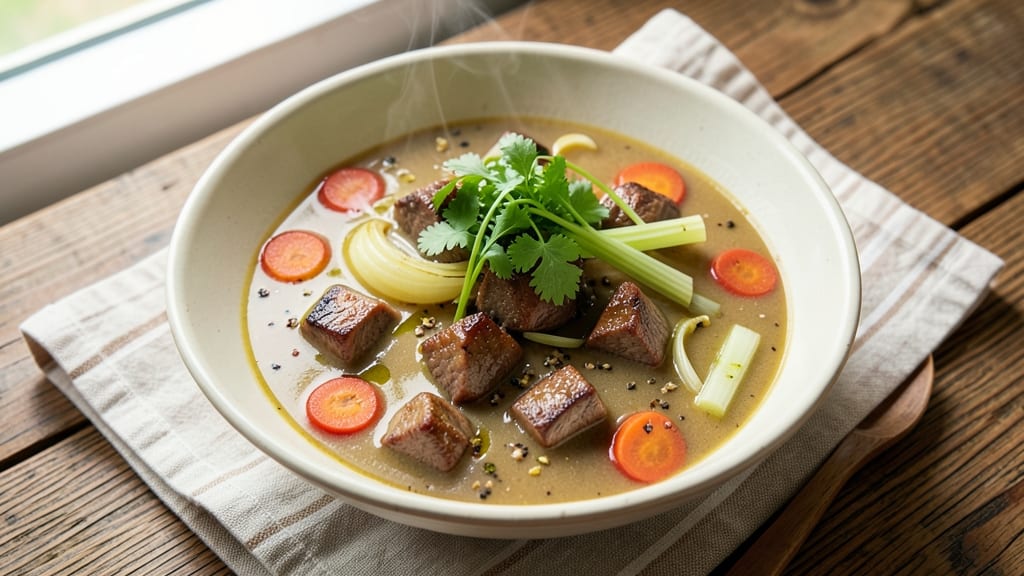
This beef watercress soup recipe transforms humble ingredients into a deeply satisfying bowl of peppery greens and rich beef broth that warms the soul.
The secret lies in balancing the bold, slightly bitter notes of watercress with tender beef and aromatic vegetables, creating a harmonious blend that’s both comforting and elegant. What makes this recipe special is its ability to deliver restaurant-quality results with simple, accessible techniques—no fancy equipment required.
The foundation of this soup is a slow-simmered beef broth, infused with onions, carrots, and celery for depth of flavor. Watercress, with its distinctive peppery kick, is added at the end to preserve its vibrant texture and freshness, ensuring every spoonful delivers a perfect balance of savory and bright.
The result is a soup that’s hearty enough to stand as a main dish but light enough to feel refreshing, making it ideal for chilly evenings or as a starter for a special meal.
By the time you’re done, you’ll have a bowl of soup that’s rich in flavor and texture—tender beef chunks, silky broth, and crisp watercress that adds a satisfying bite. The aroma alone will draw everyone to the table, while the taste promises a comforting yet sophisticated dining experience.
This recipe is designed to be both approachable for beginners and impressive enough to serve to guests, proving that homemade soups can be just as refined as anything you’d find in a restaurant.
For those who love a little extra flair, consider garnishing with a drizzle of high-quality olive oil, a sprinkle of toasted sesame seeds, or a dash of chili flakes to add a touch of heat.
The beauty of this soup lies in its versatility—it’s equally at home as a quick weeknight dinner or a showstopping appetizer for a dinner party. Let’s get started on creating this timeless classic.
Ingredients for beef watercress soup
Peppery watercress meets tender beef in this elegant yet simple soup recipe.
| Ingredient | Amount | Notes |
|---|---|---|
| Beef Chuck Roast 🥩 | 1 lb | Cut into 1-inch cubes |
| Yellow Onion 🧅 | 1 whole | Chopped, medium dice |
| Carrots 🥕 | 3 medium | Peeled, chopped into chunks |
| Celery Stalks 🧅 | 3 whole | Chopped, medium dice |
| Garlic Cloves 🧄 | 4 cloves | Minced for depth |
| Watercress 🌿 | 4 oz | Fresh, stems removed |
| Beef Broth 💧 | 4 cups | Low-sodium preferred |
| Tomato Paste 🍅 | 2 tbsp | For richness |
| Dry White Wine 🍷 | ½ cup | Substitute with broth if needed |
| Olive Oil 🫒 | 2 tbsp | Extra-virgin for finishing |
| Salt 🧂 | 1 ½ tsp | Kosher or sea salt |
| Black Pepper 🌶️ | ½ tsp | Freshly ground |
| Bay Leaves 🌿 | 2 whole | For aromatic depth |
| Fresh Thyme 🌿 | 1 tbsp | Leaves only, chopped |
| Lemon Juice 🍋 | 1 tbsp | Brightens flavors |
The beef is the soul of this soup—chuck roast delivers the best texture and flavor. Look for cuts with good marbling at Costco or Whole Foods for optimal quality. Watercress should be vibrant green with no wilted leaves—local farmers markets often have the freshest selection. For the broth, low-sodium options prevent over-salting later. The tomato paste adds depth without overpowering, so don't skip it even if you're short on time.
No white wine? Extra beef broth with a splash of apple cider vinegar works perfectly. Fresh thyme unavailable? Dried thyme at one-third the amount is a fine substitute. The carrots and celery can be swapped for leeks or fennel if you prefer a different flavor profile. For a quicker version, use pre-cut frozen vegetables—just thaw and drain them first. The watercress must be added last to maintain its crisp texture, so plan accordingly.
This soup tastes even better the next day as flavors meld. Store in an airtight container in the fridge for up to 4 days. For freezing, portion into individual containers for easy reheating—3 months is ideal. When reheating, add a splash of water or broth to prevent thickening. Garnish with a drizzle of olive oil and cracked black pepper just before serving for that restaurant-quality finish.
Why You'll Love This Recipe
- Minimal Chopping Required: I swear by the "mirepoix shortcut"—just dice those onions, carrots, and celery into rough chunks (no need for fancy julienne work). The beef chuck roast practically melts into tender shreds while simmering, so you’re not stuck babysitting the pot.
- Garlic-Glazed Depth: That slow-cooked garlic? It caramelizes into a sweet, nutty base that clings to every spoonful. Add a splash of soy sauce or a pinch of star anise, and you’ve got layers of umami that turn this into a real meal—not just another veggie soup.
- Lunchbox Hero: Between us, this soup is my secret weapon for packed lunches. The watercress keeps it fresh-tasting even after a day in the fridge, and I just reheat portions with a splash of water. My coworkers still ask, "What’s in this that makes it taste so good?"
- Budget-Friendly Feast: A single beef chuck roast stretches to feed four (or five if you’re generous). The veggies are cheap staples, and the watercress adds that restaurant-worthy touch without breaking the bank. Honestly, it’s the kind of dish that makes grocery day feel like a win.
Step-by-step instructions for beef watercress soup
Transform simple ingredients into a velvety, peppery soup where tender beef meets bright watercress.
Sear the Beef Chuck Roast
Heat the 2 tablespoons olive oil in a large Dutch oven over medium-high heat until shimmering. Add the 1-pound beef chuck roast, cut into 1-inch cubes, and sear for 3-4 minutes per side until deeply browned. This step develops rich flavor through the Maillard reaction—the golden crust you see is packed with concentrated beef taste.
Remove the beef and set it aside on a plate. Don't drain the fat—it's essential for building flavor in the soup base. If the oil smokes excessively, reduce the heat slightly but maintain enough to create that caramelized crust. The beef should release easily from the pan when ready to flip.
Sauté Aromatics and Build the Base
In the same Dutch oven, add the chopped yellow onion, chopped carrots, and chopped celery stalks all at once. Cook over medium heat for 5-6 minutes, stirring occasionally, until the vegetables soften and release their moisture. You'll notice the mixture darkens slightly—that's the natural sugars caramelizing.
Add the minced garlic cloves and cook for 30 seconds until fragrant. Stir in the 2 tablespoons tomato paste and cook for another 1 minute, allowing it to darken slightly. This creates a rich, umami foundation for the soup. Immediately pour in the ½ cup dry white wine and scrape up any browned bits from the bottom of the pot.
Simmer the Broth and Vegetables
Return the seared beef to the Dutch oven. Add the 4 cups beef broth, 1.5 teaspoons salt, ½ teaspoon black pepper, 2 whole bay leaves, and 1 tablespoon chopped fresh thyme. Bring to a gentle boil, then reduce heat to low and cover partially. Simmer for 1 hour, stirring occasionally, until the beef is fork-tender and the vegetables are fully cooked.
Check the seasoning after 45 minutes—you may need to add more salt depending on your broth. The soup should have a velvety texture with the beef falling apart easily. If the broth reduces too much, add a splash of water or broth to maintain the proper consistency. The vegetables should be tender but still hold their shape slightly.
Finish with Watercress and Brighten Flavors
Remove the 2 whole bay leaves from the soup. Stir in the 4 ounces watercress (stems removed) and cook for just 1-2 minutes—watercress wilts quickly and loses its vibrant flavor if overcooked. The leaves should brighten the soup with their characteristic peppery bite.
Finish by stirring in the 1 tablespoon lemon juice. This final touch brightens the rich, savory flavors and balances the soup's depth. Taste and adjust seasoning if needed, adding more salt or pepper as necessary. The soup should be harmonious—savory from the beef, sweet from the carrots, earthy from the celery, and peppery from the watercress.
Serve Warm with Fresh Garnishes
Ladle the soup into bowls and serve immediately. The watercress will float on top, adding both visual appeal and that signature peppery kick with each spoonful. For extra richness, drizzle with a touch of the reserved beef fat or a swirl of high-quality olive oil. Accompany with crusty bread to soak up the flavorful broth.
This soup tastes even better the next day as the flavors meld further, but the watercress's freshness is best enjoyed immediately. The contrast between the tender beef, silky broth, and bright greens makes every spoonful satisfying and balanced. Enjoy the perfect marriage of savory and peppery flavors in each bite.
Pro Tips For Making Beef Watercress Soup
- Sear the Chuck Roast: After trimming excess fat, pat the beef dry and sear it in a hot pot until it develops a deep brown crust—about 3-4 minutes per side. I used to skip this, thinking the long simmer would handle it, but that crust locks in flavor and keeps the meat from turning mushy later.
- Cut Celery into Matchsticks: Dice the celery stalks into thin matchsticks (about 1/8-inch thick) instead of rough chunks. They’ll soften faster and blend into the broth without leaving awkward textures, especially when paired with watercress’s peppery bite.
- Simmer Low and Long: Once the beef reaches 160°F (it’ll climb to 200°F+ in the pot), drop the heat to a bare simmer and cover partially. I learned this the hard way—boiling the broth makes the carrots turn to mush and the watercress lose its snap.
- Use Watercress Late: Add the watercress only in the last 5 minutes of cooking, or even after removing the pot from heat. It wilts fast and releases bitterness if overcooked—think of it like spinach in a quick sauté, not a stew.
Storing and reheating your leftovers
Refrigerator Storage
Let your soup cool completely before transferring to an airtight container—I use glass Le Creuset storage bowls for their durability.
Store in the fridge for up to 4 days, but I find the flavors deepen after 24 hours as the watercress mellows slightly and the beef absorbs more broth. Always leave ½ inch headspace to prevent spills when reheating. 🌡️
Freezer Storage Tips
For longer storage, portion the soup into freezer-safe containers or silicone ice cube trays (perfect for single servings). Freeze for up to 3 months—the watercress will soften but retain its flavor.
When ready to eat, thaw overnight in the fridge and reheat gently. Avoid refreezing, as this can degrade texture. 🧊
Stovetop Reheating
My preferred method is stovetop reheating over low heat—it preserves the soup’s velvety texture. Add 2-3 tablespoons of water or broth to prevent thickening, then simmer for 5-7 minutes, stirring occasionally.
Taste and adjust seasoning—soups often need a pinch of salt after reheating. For extra richness, stir in 1 teaspoon of reserved beef fat before serving. 🔥
Microwave Reheating
For quick reheating, transfer soup to a microwave-safe bowl and heat on medium power in 1-minute intervals, stirring between each. Cover loosely with a microwave-safe lid to retain moisture.
The watercress may wilt further, so add fresh leaves as a garnish before serving. Avoid reheating to boiling—this can make the broth watery. ⏱️
Garnish Before Serving
Always finish with fresh watercress and a drizzle of olive oil to restore brightness. A sprinkle of toasted sesame seeds or crumbled feta cheese adds texture. For extra depth, add a pinch of smoked paprika or chili flakes to enhance the peppery notes.
Serve immediately for the best experience—this is where the magic happens! ✨
Nutrition facts
Frequently asked questions
Can I substitute watercress with another green?
If you can't find watercress, use spinach or arugula for a milder flavor, or kale for a heartier bite. For the closest match, try pepper greens—they have a similar peppery profile. Just reduce cooking time to 1 minute to preserve freshness.
How do I make this soup vegetarian?
Replace the beef with mushrooms (like shiitake or portobello) or lentils for protein. Use vegetable broth and add 1 teaspoon soy sauce for umami depth. The watercress will still shine, but you may need to adjust seasoning—vegetarian versions often need extra salt.
Why does my soup taste watery after reheating?
This happens when the starches in vegetables break down further upon reheating. To fix it, stir in 1 tablespoon cornstarch mixed with 2 tablespoons cold water while reheating. Simmer for 2 minutes to thicken. For prevention, reduce the broth slightly before storing.
Can I make this soup in a slow cooker?
Yes! Sear the beef first, then combine all ingredients (except watercress) in your slow cooker. Cook on low for 6-8 hours or high for 3-4 hours. Add watercress in the last 10 minutes to keep it crisp. The slow cooker method actually enhances the beef's tenderness and flavor depth.
What's the best way to store leftover watercress?
Wrap watercress loosely in a damp paper towel, place in a resealable plastic bag, and refrigerate for up to 3 days. For longer storage, blanch stems in boiling water for 30 seconds, then shock in ice water before freezing. The leaves will stay vibrant longer than unblanched greens.