
Soups & Stews
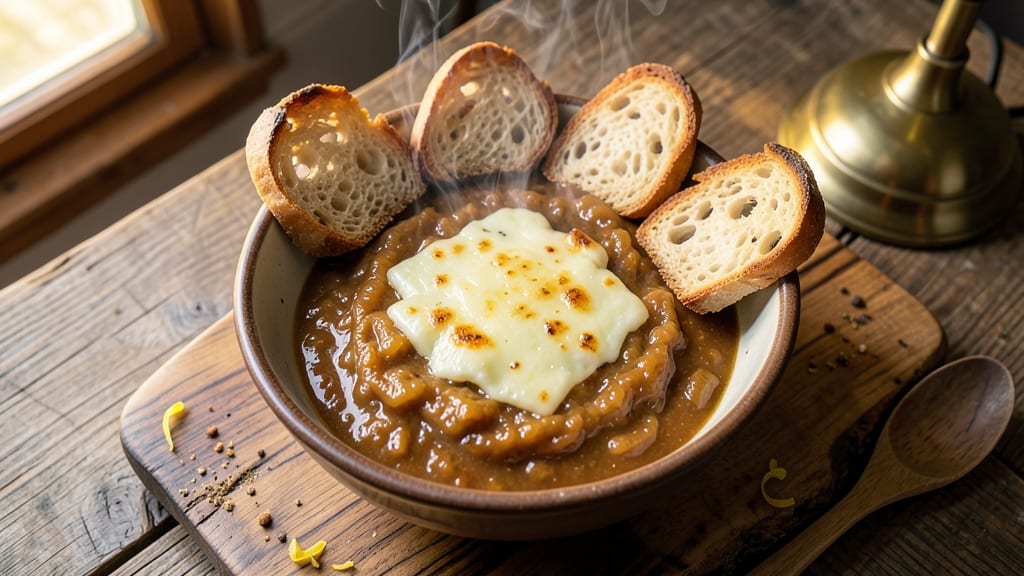
Ale House French onion soup transforms a simple kitchen into a cozy Parisian bistro with its golden, crispy celery crowns and rich, smoky Gruyère velouté. The secret lies in slow caramelization—where onions melt into deep amber sweetness over 45 minutes—creating layers of flavor that no shortcut can replicate. This isn’t just soup; it’s a comforting hug in a bowl, perfect for chilly evenings or when you crave restaurant-quality comfort at home.
The magic happens in the broth, where a classic roux thickens the foundation while beef stock and caramelized onions develop that signature depth. We’ll build the cheese toast with a crispy bread crust, topped with melted Gruyère that bubbles when baked, creating the iconic crown.
Every spoonful delivers tender onions, savory broth, and that unmistakable cheesy crunch—exactly how it should taste, no matter your skill level.
This recipe delivers restaurant-quality results with professional techniques simplified for home cooks. The slow caramelization ensures no bitterness, while the cheese toast stays crispy even after baking. Serve with a drizzle of balsamic glaze or fresh thyme for an extra touch of elegance.
Whether you’re feeding a crowd or treating yourself, this soup is a game-changer for weeknight dinners.
Ready in just 1 hour 15 minutes, it’s the perfect balance of patience and ease—no fancy equipment required. The Dutch oven method ensures even baking, while a slow cooker option offers hands-off convenience. Once you taste the difference between this and store-bought, you’ll never go back. Let’s make it.
Ingredients for ale house french onion soup
Golden caramelized onions, rich Gruyère, and crispy celery crowns—here’s what makes this bistro-style soup unforgettable.
| Ingredient | Amount | Notes |
|---|---|---|
| Yellow Onions 🧅 | 4 large | Peeled and halved lengthwise |
| Unsalted Butter 🧈 | ½ cup | Cold, cubed for roux |
| All-Purpose Flour 🌾 | ½ cup | For roux foundation |
| Beef Stock 🥩 | 4 cups | Homemade or high-quality |
| Gruyère Cheese 🧀 | 2 cups | Freshly grated, aged |
| Baguette 🍞 | 1 whole | Crusty, day-old preferred |
| Celery Stalks 🥬 | 2 whole | For crown decoration |
| Garlic Cloves 🧄 | 4 cloves | Minced for depth |
| Fresh Thyme 🌿 | ¼ cup | Leaves only, chopped |
| Balsamic Glaze 🍷 | ¼ cup | For garnish |
| Salt 🧂 | 1 ½ tsp | Kosher or sea salt |
| Black Pepper 🌶️ | ½ tsp | Freshly ground |
| Olive Oil 🫒 | 2 tbsp | For brushing bread |
The onions are non-negotiable—yellow onions with a good papery skin caramelize best. Trader Joe's or Whole Foods bulk bins have the freshest, or grab a few extra at the farmers market. Look for firm, dry onions with no soft spots. The Gruyère should be aged at least 6 months—Miyoko's or Cowgirl Creamery are my go-tos, but any good-quality Gruyère works. For the beef stock, homemade is ideal, but Kitchen Basics or Pacific Foods brands are solid shortcuts. The baguette? Day-old is perfect for crispy crusts, but fresh works if you toast it first.
No Gruyère? Comté or Emmental melts beautifully as a substitute. Fresh thyme out of season? Dried works at half the amount. Short on celery? Substitute with extra baguette slices for the crown. The balsamic glaze can be store-bought (Trader Joe's has a great one), but homemade is just balsamic vinegar simmered until thickened. For the bread, if you can't find a baguette, a crusty sourdough loaf works too—just slice it into thick pieces. The butter for the roux? European-style has higher fat content and makes a smoother roux, but regular unsalted works fine.
Caramelized onions keep for 5 days in the fridge—make extra for sandwiches! The soup reheats beautifully, but add a splash of water or stock to prevent thickening. The cheese toast stays crispy for 2 days if stored in an airtight container. For meal prep, assemble the soup without the cheese toast, then toast individual portions when ready to serve. The celery crowns can be prepped ahead and baked right before serving—just brush with olive oil and broil for 2-3 minutes until golden.
Why You'll Love This Recipe
- One-Pot Magic: I swear by this recipe—just onions, butter, and flour caramelizing in one pot, then stock simmering away. No chopping mountains of veggies, no extra dishes, and that golden roux? It’s the secret to a rich, velvety base that takes zero effort to perfect.
- Gruyère Gold Rush: That crispy, melty Gruyère on top is where this soup becomes dangerously good. The salty beef stock and sweet caramelized onions play off the nutty cheese like a jazz trio—each bite is a little flavor explosion that makes you reach for another spoonful.
- Weeknight Workhorse: I make this when I’m too tired to think but still need something hearty. It’s the kind of dish that feels fancy (thanks to that cheese crust) but comes together faster than takeout. Bonus: it’s the only soup my picky-eating partner actually finishes.
- Budget-Friendly Luxury: Here’s what sold me—you’re basically making a fancy restaurant dish for pennies. Onions are cheap, stock freezes well, and a block of Gruyère stretches far. Leftovers? Even better—reheat with a splash of water, and that crust gets crispy again like it’s fresh out of the oven.
Step-by-step instructions for ale House French onion soup
Here's how to build that perfect balance of caramelized onions, rich velouté, and crispy celery crowns.
Caramelize the Onions Slowly
Melt the 0.5 cup unsalted butter in a large Dutch oven over medium-low heat. Add the 4 large yellow onions, peeled and halved lengthwise, cut-side down. Cook for 45 minutes, stirring occasionally, until the onions are deeply golden brown and the butter has mostly rendered out.
This is where the magic happens—I like to press down on the onions with a wooden spoon to help them caramelize evenly. You're looking for onions that look like they've been kissed by fire, with deep amber hues and a sweet, almost jam-like consistency. If they start to stick, add a splash of beef stock to deglaze. Patience here makes all the difference.
When the onions are nearly done, add the 4 cloves minced garlic and 0.25 cup chopped fresh thyme. Cook for another 2 minutes until fragrant. Remove from heat and set aside—these onions will be the soul of your soup.
Build the Velouté Sauce
Return the Dutch oven to medium heat and add the 0.5 cup all-purpose flour, whisking constantly for 1-2 minutes to cook out the raw flour taste. This is your roux foundation—it should be a light golden color, not brown.
Gradually whisk in the 4 cups beef stock, about ½ cup at a time, until fully incorporated. Bring to a gentle simmer and cook for 15-20 minutes until the sauce has thickened enough to coat the back of a spoon. Stir in the 1.5 tsp salt and 0.5 tsp black pepper, then return the caramelized onions to the pot.
Simmer for another 10 minutes to meld all the flavors. The soup should be rich and velvety, with those deep caramelized onion notes shining through. Taste and adjust seasoning—this is your chance to perfect the balance before adding the cheese.
Prepare the Celery Crowns
While the soup simmers, slice the 2 whole celery stalks into ¼-inch thick rounds. Brush both sides generously with 2 tbsp olive oil and sprinkle lightly with salt. Arrange them on a baking sheet in a single layer, leaving ½ inch between each round.
Bake at 400°F for 12-15 minutes until the edges are deep golden brown and crispy. Here's the thing—don't walk away. Check them at 10 minutes because ovens vary. You want them to hold their shape when lifted but still be tender enough to eat. Let them cool slightly before assembling.
Assemble and Bake to Perfection
Preheat your broiler to high. Ladle the warm velouté into 4 oven-safe bowls, dividing evenly. Top each with ½ cup freshly grated Gruyère cheese, spreading it evenly across the surface. Arrange 3-4 celery rounds on top of each cheese layer, slightly overlapping.
Broil for 2-3 minutes until the cheese is bubbling and golden brown, and the celery crowns are crispy again. Watch carefully—cheese burns fast! The moment the cheese melts into a glossy blanket and the celery turns a deeper golden color, remove from the broiler. Let sit for 1 minute to set.
Finish with Balsamic Glaze
Drizzle each bowl generously with 1 tablespoon balsamic glaze, letting it cascade over the melted cheese and crispy celery. This adds a beautiful contrast in color and a touch of sweet-tart complexity that cuts through the richness.
Serve immediately with the whole baguette on the side. The soup should be steaming hot, with that perfect contrast of creamy velouté, crispy celery crowns, and gooey Gruyère. Each bite should deliver layers of caramelized onion, smoky stock, and fresh herbs—all tied together with that perfect crunch from the celery.
Pro Tips For Making Ale House French Onion Soup
- Sweat the Onions Slow: I learned this the hard way—rushing the onions means bitter, watery soup. Cut them into even ¼-inch slices and cook them over medium-low heat for 20-25 minutes, stirring occasionally, until they’re a deep golden caramel. No need to add water; just let their own juices break down. (Yes, it smells like a French bistro taking over your kitchen—that’s the point.)
- Whisk Like Your Life Depends on It: When you toss in the flour, stop stirring and whisk vigorously for 30 seconds. This banishes lumps and creates a smoother roux, which means a silkier soup later. I used to just stir, and the flour always stuck to my spoon like glue. Now? Buttery perfection every time.
- Deglaze with Stock, Not Water: After browning the onions, pour in the beef stock immediately—don’t wait for the pan to cool. The residual fond (those stuck-on bits) dissolves into the stock, adding depth of flavor. Using water here is like skipping the garlic in garlic bread: you’re missing the soul of the dish.
- Toast the Cheese: Before broiling the soup, sprinkle the Gruyère over high heat for 2-3 minutes until it’s bubbly and golden. This isn’t just for looks—it melts more evenly and develops a nutty, toasted flavor. I was skeptical until I tried it; now I never skip it. (Pro move: Use a mix of shredded and grated cheese for better melt.)
Perfect pairings for these flavors
Bread Pairings
The classic baguette is non-negotiable for French onion soup, but don’t stop there. A crusty sourdough loaf with its tangy depth adds a fantastic contrast to the rich velouté.
For extra indulgence, serve with garlic bread made from the same baguette—brush slices with 2 tbsp olive oil and 2 minced garlic cloves, then toast until golden. 🍞
For a heartier option, try rustic bread with seeds or nuts baked into the crust. The texture adds another layer of crunch that complements the celery crowns beautifully. If you’re feeling adventurous, a brioche roll brings buttery richness that pairs surprisingly well with the soup’s savory notes.
Wine Pairings
A Burgundy Pinot Noir is the traditional choice—its earthy, red fruit flavors and silky texture mirror the soup’s depth. Look for a California or French Burgundy with 12-14% ABV to stand up to the richness.
For something lighter, a Chardonnay from the Maconnais region offers bright acidity that cuts through the cheese.
White wine lovers shouldn’t miss out: a Chablis with its crisp citrus notes balances the soup’s creaminess perfectly. If you prefer reds, a Syrah from the Northern Rhône adds spice and structure. Pro tip: Chill your wine slightly before serving—it enhances the flavors without overwhelming the dish. 🍷
Cheese Board Add-Ons
Turn your soup into a full meal with a charcuterie-style cheese board. Pair the Gruyère with Comté (for nutty depth), Brie (creamy contrast), and blue cheese (for a bold finish). Add cured meats like prosciutto or salami, and fig jam or honey to tie everything together.
For a vegetarian twist, include marinated olives, roasted nuts, and dried apricots for sweetness. The board adds texture and variety, making the soup feel like a full bistro experience. Serve with sparkling water or a dry cider to cleanse the palate between bites. 🧀
Beverage Pairings
Don’t underestimate the power of beer—a Belgian witbier like Hoegaarden brings citrusy brightness that refreshes the palate. For a heartier option, a dark ale or stout (like Guinness) complements the soup’s richness without overpowering it. 🍺
Non-alcoholic options? A sparkling apple cider or ginger beer adds effervescence that contrasts beautifully with the creamy soup. For a cozy touch, serve with hot tea—Earl Grey or chamomile both pair surprisingly well with the savory flavors.
Nutrition facts
Frequently asked questions
Why does my French onion soup taste bitter?
The bitterness usually comes from overcooking the onions past their sweet caramelization stage. Keep them at medium-low heat for 45 minutes max—they should be golden brown, not dark brown or blackened. If they stick, add a splash of beef stock to deglaze. The key is patience: onions caramelize at their own pace, and rushing turns them bitter.
Can I make this soup ahead of time?
The soup base keeps well for 3 days in the fridge or 3 months in the freezer. Just reheat gently on the stove and add a splash of water or stock to restore creaminess. The celery crowns are best made fresh, but you can prep them ahead and bake just before serving. Pro tip: Store the cheese toast separately and assemble when ready to eat.
What's the best way to keep the celery crowns crispy?
Preheat your broiler to high and work quickly—broil the assembled bowls for just 2-3 minutes until the cheese bubbles. The secret is using thin celery slices (¼-inch thick) and brushing them generously with olive oil before baking. If they lose crispness, broil again for 1 minute before serving. A wire rack over a baking sheet helps prevent sogginess.
Can I substitute chicken stock for beef stock?
While it's possible, the flavor will be noticeably lighter. Beef stock provides that deep, smoky richness that's essential for authentic French onion soup. For a compromise, use a blend of half beef and half chicken stock, or add 1 tsp Worcestershire sauce to enhance depth. If you're vegetarian, a high-quality mushroom stock works surprisingly well with a splash of soy sauce for umami.
How do I make this soup vegetarian?
Swap the beef stock for vegetable or mushroom stock, and use vegetable broth for deglazing. For extra richness, add 1 tbsp nutritional yeast or 1 tsp miso paste to the roux. The Gruyère can stay, but if you want to avoid dairy, try vegan Parmesan or cashew cream instead. The caramelization process remains the same—just focus on developing those sweet onion flavors.