
Soups & Stews
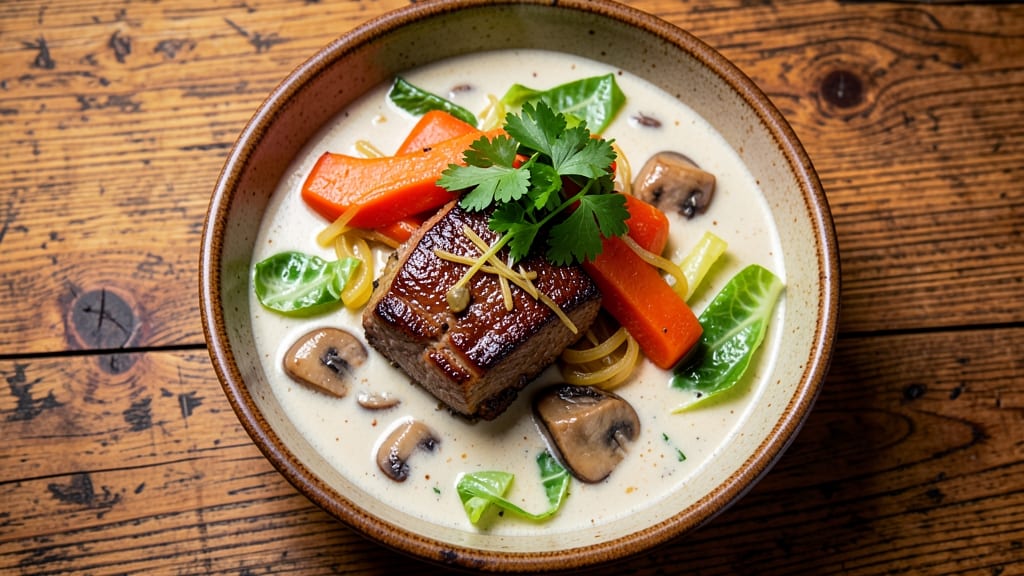
This award-winning vegetable beef soup with cabbage delivers restaurant-quality depth in every spoonful—where tender beef, hearty vegetables, and cabbage's subtle sweetness meld into a rich, umami-packed broth. The secret lies in slow simmering beef chuck for deep flavor development, while cabbage and carrots break down into tender perfection.
What sets this apart is the layered approach: searing beef first for caramelized crust, then building complexity with mushrooms and soy sauce for that signature umami punch.
The recipe transforms simple ingredients into something extraordinary through technique—browning beef in batches prevents crowding, and a long simmer (2+ hours) ensures vegetables melt into the broth without losing texture.
Cabbage's natural sweetness shines through while absorbing the savory broth, creating a harmonious balance that makes this soup both comforting and sophisticated. Perfect for chilly evenings or meal prep, it's the kind of dish that tastes even better the next day.
By the time you're ready to serve, you'll have a steaming pot of soup with perfectly tender beef, al dente vegetables, and cabbage that's just soft enough to melt in your mouth.
The aroma alone will have everyone gathering at the table—it's the type of meal that feels like a hug in bowl form. This isn't just soup; it's a flavor experience that earns its award-winning reputation.
Serve with crusty bread to soak up every last drop of that rich, cabbage-infused broth. The combination of textures—tender beef, crisp bread, and silky soup—makes this a complete meal that satisfies both body and soul. Ready to create a soup that rivals your favorite restaurant? Let's get started.
Ingredients for award winning vegetable beef soup recipe with cabbage
Hearty beef chuck and cabbage transform into restaurant-worthy soup with just 15 simple ingredients.
| Ingredient | Amount | Notes |
|---|---|---|
| Beef Chuck Roast 🥩 | 2 lb | Cut into 1-inch cubes |
| Yellow Onion 🧅 | 1 whole | Medium size, chopped |
| Carrots 🥕 | 4 medium | Peeled, cut into chunks |
| Green Cabbage 🥬 | 1 small head | Core removed, shredded |
| Cream of Mushroom Soup 🍄 | 2 cans | 10.5 oz each, condensed |
| Fresh Mushrooms 🍄 | 8 oz | Cremini or white, sliced |
| Celery Stalks 🌿 | 3 whole | Trimmed, chopped |
| Garlic Cloves 🧄 | 4 cloves | Minced, fresh preferred |
| Tomato Paste 🍅 | 2 tbsp | Smooth, not chunky |
| Beef Broth 💧 | 4 cups | Low-sodium preferred |
| Soy Sauce 🍜 | 2 tbsp | For umami depth |
| Bay Leaves 🌿 | 2 whole | Dried, removed before serving |
| Black Peppercorns 🌶️ | ½ tsp | Freshly cracked |
| Salt 🧂 | 1 ½ tsp | Kosher or sea salt |
| Olive Oil 🫒 | 2 tbsp | Extra-virgin for searing |
The beef chuck is non-negotiable here—look for well-marbled cuts at Whole Foods or your local butcher. That fat renders down into pure flavor. For the cabbage, green is ideal but red works too—just make sure it's crisp and firm. I grab mine from Trader Joe's when it's on sale, but any grocery store has it. The mushrooms? Cremini or white give the best texture—avoid those pre-sliced ones in the container. They turn to mush fast. For the cream of mushroom soup, Condensed Campbell's is my go-to—it's reliable and keeps well.
No beef broth? Chicken broth plus 1 tbsp soy sauce gets you close. Short on mushrooms? Double the carrots and celery for that earthy depth. The tomato paste can be skipped if you're watching sugar, but trust me on the 2 tbsp—it adds a richness that's hard to replicate. Soy sauce is key for that umami punch—Japanese or Chinese brands have cleaner flavors than the American stuff. For the cabbage, if it's too bitter, soak shredded pieces in ice water for 10 minutes before adding to the pot. Works like magic.
This soup tastes even better the next day—that's when all the flavors meld together. Store leftovers in the fridge for up to 5 days or freeze for 3 months. I like to portion it into containers so I can grab a bowl straight from the freezer for quick lunches. The beef will get even more tender after reheating, so don't rush it. For serving, I always add a sprinkle of fresh parsley and a crack of black pepper right before eating—freshens it up instantly.
Why You'll Love This Recipe
- One-Pot Magic: I swear by this recipe when I’m too tired to wash extra bowls—just brown the beef, toss in chopped veggies, and let the mushroom soup do the heavy lifting. The cabbage softens into tender, flavorful strands without falling apart, and the carrots caramelize right in the pot.
- Rich Yet Light: Between us, this soup is my go-to when I crave something hearty but not too heavy. The beef chuck roast falls apart like it’s been slow-cooked (even though it’s not), while the cream of mushroom soup adds that velvety depth. That crisp-tender cabbage? The perfect bite.
- Leftover Goldmine: Honestly, I make this on Sundays because it’s the only soup that actually improves the next day. The flavors meld even better, and the beef gets even more tender—ideal for quick lunches or freezing for those nights when takeout feels like a chore.
- Budget-Friendly Feast: A whole chuck roast and a head of cabbage stretch across multiple meals, and the cream of mushroom soup keeps it from feeling like a sad, watery stew. I’ll be real: this is the kind of recipe that makes me feel like I’m feeding a crowd without breaking the bank.
Step-by-step instructions for award-winning vegetable beef soup
Here's how to build layers of flavor—starting with a deep beef base and finishing with cabbage's satisfying crunch.
Sear the Beef for Maximum Flavor
Heat a large Dutch oven over medium-high heat until hot. Add the 2 tablespoons olive oil and swirl to coat the bottom. Working in batches if needed, add the 2 lb beef chuck roast cut into 1-inch cubes, spreading them in a single layer. Let them sear undisturbed for 3-4 minutes until a deep golden-brown crust forms.
This step is non-negotiable—those caramelized bits (fond) will dissolve into the broth, creating a rich, meaty foundation. Once browned on all sides, transfer the beef to a plate and set aside. Here's the thing—don't overcrowd the pan or the temperature will drop and you'll steam instead of sear. If your pan gets too crowded, work in two batches.
Build the Flavor Base with Aromatics
In the same Dutch oven, add the 1 whole yellow onion chopped, 3 whole celery stalks chopped, and 4 medium carrots cut into chunks. Cook for 5-6 minutes, stirring occasionally, until the vegetables begin to soften and the onion becomes translucent. Add the 4 cloves garlic cloves minced and cook for another 30 seconds until fragrant.
This is where the soup's depth begins. The onions should release their natural sugars, which will caramelize slightly and form the sweet backbone of your broth. If your vegetables start to stick, add a splash of beef broth to deglaze—this prevents burning and incorporates those flavorful browned bits into the soup.
Develop the Broth with Tomato and Soy
Stir in the 2 tablespoons tomato paste and cook for 1 minute to toast slightly, deepening its flavor. Add the 4 cups beef broth, 2 tablespoons soy sauce, 1.5 teaspoons salt, and 0.5 teaspoon black peppercorns. Bring to a simmer, then return the seared beef to the pot. Add the 2 whole bay leaves and cover partially, leaving a small gap for steam to escape.
Simmer for 1 hour until the beef is fork-tender and pulls apart easily. Real talk—this is where patience pays off. The longer you cook, the more the collagen in the beef breaks down into gelatin, creating that luxurious mouthfeel. If the liquid reduces too much before the beef is tender, add a little more broth or water to maintain the proper consistency.
Incorporate Vegetables and Mushroom Depth
Add the 8 oz fresh mushrooms sliced, 1 small head green cabbage shredded, and the 2 cans cream of mushroom soup. Stir gently to combine, then return to a simmer. Cook for another 20-25 minutes until all vegetables are tender but still retain some bite—especially that cabbage, which should remain slightly crisp for texture contrast.
Here's the moment that matters: the cabbage should soften but not disintegrate. If it starts to wilt too quickly, reduce the heat slightly. The mushrooms will release their moisture, enriching the broth further. Taste and adjust seasoning—you might need a touch more salt or soy sauce to balance all the flavors now that everything is combined.
Finish and Serve with Perfect Texture
Remove the 2 whole bay leaves and discard. Ladle the soup into bowls, being careful to distribute the cabbage evenly. Serve immediately while the cabbage still holds its satisfying crunch and the broth is steaming hot. Each spoonful should deliver layers of flavor—deep beefy richness, sweet caramelized onions, earthy mushrooms, and that satisfying cabbage bite.
For the ultimate experience, garnish with a sprinkle of freshly cracked black pepper and a drizzle of the reserved searing juices from the beef. This isn't just soup—it's a hearty, cabbage-infused masterpiece that delivers comfort in every bowl.
Pro Tips For Making Award Winning Vegetable Beef Soup Recipe With Cabbage
- Brown the Chuck Roast Properly: Skip the slow sear—this isn’t a stew. Get that beef chuck roast deep brown in a hot Dutch oven (5-7 minutes per side) before adding liquids. I used to rush it, and the soup always tasted flat until I realized the Maillard reaction needs time—especially with chuck’s tougher fat.
- Cut Cabbage in Wedges: No need to shred—thick cabbage wedges (about 1-inch) hold their shape better and absorb flavor more evenly. They’ll soften beautifully in the simmer without turning to mush, which is a common complaint with this soup.
- Add Cream of Mushroom Last: Stir in that canned soup during the final 10 minutes, not at the start. The heat will break down its starches too much, making the broth gluey instead of silky. Save it for when the beef is tender and veggies are nearly done.
- Sear Onions Until Caramelized: Don’t just chop and dump—cook those onions until they’re golden and slightly crispy (about 10 minutes) before adding carrots. The deeper flavor carries through the whole soup, and it balances the richness of the beef and cream. (Yes, it takes longer, but it’s worth it.)
Essential equipment for this recipe
Dutch Oven Essentials
A heavy-duty Dutch oven like the Lodge 5.5-quart is my go-to for this recipe—its thick base distributes heat evenly and prevents scorching. The high sides keep splatter under control during the searing process, and the tight lid helps trap steam for even cooking.
I’ve tried other brands, but Lodge’s cast iron retains heat better than enameled versions, ensuring that beef stays tender while the broth simmers slowly. 🔥
Precision Thermometer
Invest in a meat thermometer to avoid overcooking the beef—ThermoWorks Smoke is my top pick for its accuracy and durable probe. Insert it into the thickest piece of beef to monitor internal temperature.
The beef should reach 195°F for maximum tenderness, but never exceed 205°F or it’ll turn mushy. This is especially critical when working with chuck roast, which can vary in tenderness.
Knife Set for Efficiency
A sharp chef’s knife and boning knife make prep a breeze. I use an 8-inch Wüsthof for chopping onions, celery, and carrots, then switch to a 6-inch boning knife for trimming excess fat from the beef.
A cutting board with a non-slip base (like John Boos Maple) prevents skidding while dicing. Prep all vegetables uniformly—¼-inch chunks for carrots and onions—to ensure even cooking.
Deglazing Tools
Keep a wooden spoon and silicon spatula handy for deglazing the Dutch oven after searing the beef. The wooden spoon helps scrape up flavorful browned bits (fond) from the bottom, while the spatula ensures no residue sticks.
A ladle with a long handle comes in handy for transferring hot broth or adding water during simmering. I also keep a fine-mesh strainer nearby to remove bay leaves before serving.
Storage Containers
For leftovers, glass Pyrex storage containers are ideal—they’re microwave-safe and preserve flavors better than plastic. Portion the soup into quart-sized containers for easy reheating. If freezing, leave 1-inch headspace to prevent expansion cracks.
I label containers with dates to track freshness—this soup tastes even better after 24 hours as flavors meld. For serving, a soup ladle with a stainless steel strainer ensures smooth portions without cabbage overload.
Nutrition facts
Frequently asked questions
Why does this recipe use beef chuck instead of leaner cuts?
The beef chuck roast is key for its marbling—those fat deposits render down during the long simmer, creating a rich, velvety broth while keeping the beef incredibly tender. Lean cuts like sirloin would dry out and lose their flavor. The fat also helps balance the cabbage's natural bitterness, creating harmony in every spoonful.
Can I substitute red cabbage for green?
Red cabbage works beautifully and adds a lovely pink hue to the soup. Just be aware it may soften slightly faster than green cabbage, so add it during the last 15 minutes of cooking. For extra flavor, try adding a pinch of sugar or a splash of apple cider vinegar to complement its natural sweetness.
How do I prevent the cabbage from turning mushy?
Cabbage needs careful timing—add it only during the last 20-25 minutes of cooking. Keep the heat at a gentle simmer (medium-low) and avoid stirring it constantly. For extra texture, try adding a few raw cabbage leaves as garnish when serving—this creates a nice visual and textural contrast.
What makes this soup "award-winning" compared to others?
Three key techniques: 1) Deep searing of beef for caramelized flavor, 2) Long simmering (2+ hours) to break down collagen, and 3) Umami layers from mushrooms, soy sauce, and tomato paste. The cabbage's natural sweetness shines through while absorbing the rich broth, creating a perfect balance of textures and flavors that stand out in competitions.
Can I make this soup in a slow cooker?
Yes! Brown the beef first in a skillet, then transfer everything to a 6-quart slow cooker. Cook on low for 8 hours or high for 5 hours. Add cabbage only in the last 30 minutes to preserve texture. The slow cooker method actually enhances the beef's tenderness even more, though you'll lose some of the caramelized depth from searing.