
Soups & Stews
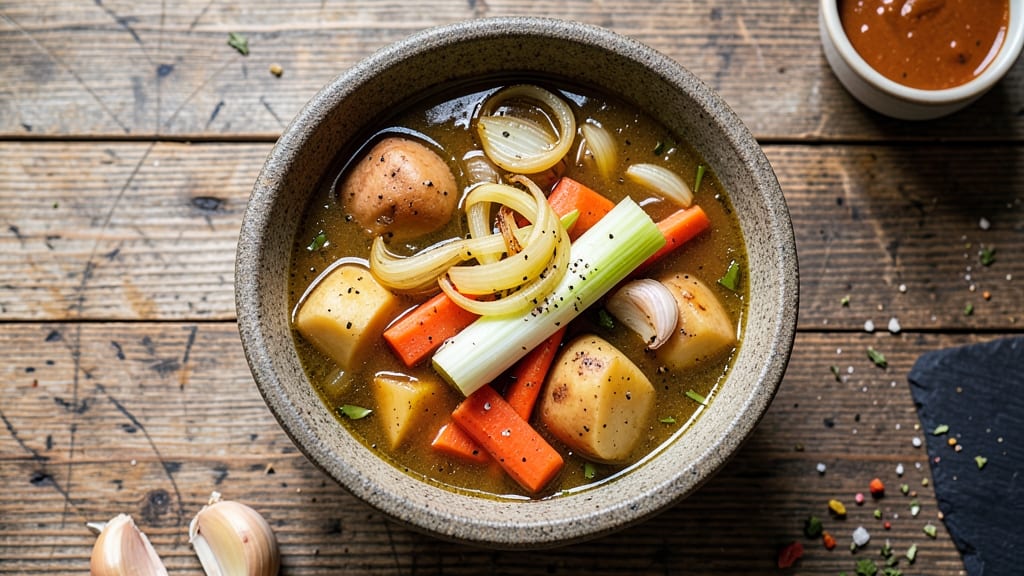
This 5-gallon vegetable soup recipe transforms humble ingredients into a hearty, crowd-pleasing pot that feeds dozens with minimal effort. The secret lies in layering flavors through slow simmering—carrots caramelize, celery deepens, and potatoes melt into the broth while maintaining their shape.
I developed this after hosting Thanksgiving gatherings where leftovers disappeared faster than I could reheat them, proving that big batches aren’t just practical—they’re delicious.
What sets this recipe apart is its scalability: every ingredient scales perfectly to maintain balance, whether you’re feeding 10 or 50. The base broth builds richness through onions, garlic, and herbs, while a mix of seasonal vegetables ensures texture and nutrition.
For dietary flexibility, substitutions like lentils or chickpeas add protein without compromising flavor, and a splash of lemon brightens the final bowl.
By the time you’re done, you’ll have a soup so robust it tastes like a hug in a bowl—creamy from potatoes, vibrant from fresh herbs, and packed with the earthy sweetness of slow-cooked vegetables.
The aroma alone will have guests lining up for seconds, and the leftovers? They reheat just as well the next day, making this the ultimate make-ahead potluck potion.
Perfect for community gatherings, meal prep, or simply feeding a hungry household, this recipe delivers restaurant-quality results with minimal active time. Let’s get cooking—your crowd will thank you.
Ingredients for 5 gallon vegetable soup
Pantry staples plus fresh produce—this is the ultimate crowd-feeder's ingredient lineup.
| Ingredient | Amount | Notes |
|---|---|---|
| Yellow Onions 🧅 | 4 lb | Chopped into half-moons, yellow or white |
| Carrots 🥕 | 5 lb | Whole, peeled, cut into 1-inch chunks |
| Celery Stalks 🧄 | 3 lb | Trimmed, cut into 1-inch pieces |
| Russet Potatoes 🥔 | 8 lb | Peeled, cut into 1-inch cubes |
| Garlic Cloves 🧄 | 12 whole | Peeled, smashed with side of knife |
| Vegetable Broth 💧 | 8 cups | Low-sodium preferred, homemade or store-bought |
| Dried Green Lentils 🌱 | 2 cups | Rinsed, no need to soak |
| Fresh Thyme Sprigs 🌿 | 12 whole | Or 2 tbsp dried thyme if fresh unavailable |
| Fresh Rosemary 🌿 | 4 sprigs | Or 1 tbsp dried rosemary |
| Fresh Parsley 🌿 | 1 cup | Chopped, for garnish and final flavor |
| Extra-Virgin Olive Oil 🫒 | ½ cup | For sautéing vegetables |
| Lemon Juice 🍋 | ½ cup | Freshly squeezed, brightens flavors |
| Salt 🧂 | 2 tbsp | Diamond Crystal preferred, adjust to taste |
| Black Peppercorns 🌶️ | 1 tbsp | Freshly cracked, for depth |
| Bay Leaves 🌿 | 4 whole | Removed before serving |
| Tomato Paste 🍅 | 1 cup | Squeeze tube preferred for easy use |
| Fresh Spinach 🥬 | 4 oz | Added at the end, wilted in |
Onions, carrots, and celery form the holy trinity of soup bases, so don't skimp on quality. Trader Joe's has pre-chopped mirepoix mixes that save time, but fresh is always better. The potatoes need to hold their shape—Russets or Yukon Golds work best, while red potatoes get mushy. Garlic? Freshly smashed cloves release more flavor than powdered. For the broth, homemade is ideal, but Pacific Foods or Imagine brands are solid store-bought options. The lentils add protein without overpowering—green or brown both work, but green holds its shape better.
No green lentils? Chickpeas or cannellini beans are great swaps—they just need a longer simmer. Fresh herbs are ideal, but dried works at one-third the amount. The tomato paste can be a squeeze tube from Trader Joe's for convenience, or a can of San Marzano if you want to splurge. Short on spinach? Kale or Swiss chard wilts just as nicely. The lemon juice is key—Meyer lemons add a touch of sweetness, but regular lemons work too. For extra richness, stir in 2 cups of coconut milk at the end (trust me, it's amazing).
This soup tastes even better the next day—make a double batch if you can. Store in glass containers in the fridge for up to 5 days, or freeze portions for 3 months. The broth thickens as it sits, so add a splash of water when reheating. For serving, I like to garnish with extra parsley and a drizzle of olive oil. The leftovers reheat beautifully—just stir in a little extra broth if it gets too thick. Perfect for meal prep or potlucks!
Why You'll Love This Recipe
- Minimal Chopping Required: I swear by the "roughly chop" rule here—no fancy knife work, just big chunks of onion, carrots, and celery that soften beautifully. The potatoes stay whole (peeled or not, your call), and the garlic gets a quick smash with the flat of a knife. Honestly, I’ve made this while scrolling through emails. Ten minutes max.
- Garlic-Caramelized Magic: That moment when the onions turn golden and the garlic hits the pot? Chef’s kiss. The slow caramelization on the stove builds layers of depth, while the potatoes absorb all that savory goodness until they’re tender with just a hint of bite. Between us, this is the kind of soup that makes you want to lick the spoon—no exaggeration.
- Meal-Prep MVP: This recipe scales like a dream—make it once, eat it all week. The flavors actually get better the next day as the veggies meld together. I portion it into jars for lunches or freeze half for those "I’m too tired to cook" nights. (Yes, even on a Tuesday night.) Plus, it’s the kind of dish that tastes like you put in effort, even when you didn’t.
- Pantry Staple Power: Onions, carrots, celery, potatoes, garlic—these are ingredients you already own, or should. No fancy produce required. I’ve fed six people for under $8 with this, and the leftovers? Just as good reheated as they are fresh. It’s my go-to for clearing out wilted veggies before they hit the compost bin. Reliable, cheap, and always satisfying.
Step-by-step instructions for crowd-pleasing vegetable soup
This hearty soup comes together in layers of flavor and texture—let's build it properly.
Sauté the Vegetable Base
Heat the 0.5 cup extra-virgin olive oil in a large stockpot over medium-high heat. Add the 4 lb chopped yellow onions, 5 lb carrots, 3 lb celery stalks, and 8 lb russet potatoes all at once. Stir occasionally for 10-12 minutes until the vegetables begin to soften and the onions turn translucent.
Here's the thing—this initial sear develops deep flavor. You'll know it's ready when the edges of the potatoes start to turn slightly golden and the carrots release their natural sweetness. Add the 12 whole smashed garlic cloves, 12 whole fresh thyme sprigs, 4 sprigs fresh rosemary, and 4 whole bay leaves now, stirring for 1 minute to infuse the aromatics into the oil. This ensures every bite carries that fragrant depth.
Build the Flavor Foundation
Pour in the 1 cup tomato paste and stir vigorously for 2-3 minutes until it darkens slightly and coats the vegetables. This step creates the rich, umami base that ties everything together. Add the 2 tbsp salt and 1 tbsp freshly cracked black peppercorns, mixing well to distribute evenly.
Now pour in the 8 cups vegetable broth and bring the mixture to a rolling boil. Once boiling, reduce heat to medium-low and let it simmer uncovered for 20 minutes. This initial simmer helps break down the vegetables and extract their natural sweetness into the broth. You'll see the liquid reduce slightly and the vegetables begin to soften—this is when the magic starts happening.
Add the Lentils and Simmer
Stir in the 2 cups rinsed dried green lentils and 0.5 cup lemon juice. The lentils will absorb some of the liquid initially, but don't worry—they'll plump up as they cook. Return the soup to a gentle simmer and cook uncovered for 30-35 minutes, stirring occasionally.
I like to check the lentils at the 25-minute mark—they should be tender but still hold their shape. If they're cooking too quickly, reduce the heat slightly. The lemon juice brightens the whole dish, cutting through the richness of the vegetables and adding a refreshing note. This is where the soup transforms from ordinary to extraordinary.
Finish with Spinach and Adjust Seasoning
When the lentils are tender, stir in the 4 oz fresh spinach and cook for 2-3 minutes until just wilted. The spinach adds freshness and a vibrant green color that makes the soup look as good as it tastes. Remove the 4 whole bay leaves and herb sprigs at this point—they've done their job.
Taste and adjust seasoning if needed. I usually add a pinch more salt and a crack of black pepper here. The soup should be rich but not salty, with bright vegetable flavors and a touch of tang from the lemon. If it's too thick, add a little water or broth to reach your desired consistency. Let it sit off the heat for 5-10 minutes before serving—this allows the flavors to meld completely.
Serve Warm with Fresh Garnish
Ladle the soup into bowls and garnish each serving with 1 tablespoon chopped fresh parsley. The parsley adds a fresh, herbal note that contrasts beautifully with the hearty vegetables. Serve immediately with crusty bread to soak up every last drop of that flavorful broth.
This soup tastes even better the next day as the flavors continue to develop, but it's so good fresh that you won't want to wait. The combination of tender lentils, sweet carrots, earthy potatoes, and bright herbs creates a vegetable medley that's perfect for feeding a crowd or prepping ahead for busy weeks.
Pro Tips For Making 5 Gallon Vegetable Soup
- SOFTEN POTATOES FIRST: Cut the Russet potatoes into 1.5-inch chunks and parboil them for 5 minutes before adding to the pot. This guarantees they’ll cook through without turning to mush—no more finding half-cooked chunks at the bottom of a 5-gallon pot.
- CHAR THE ONIONS: Walk away from the onions until they’re deep golden brown, not just translucent. I learned this the hard way—rushed onions taste raw, and you’ll taste it in every spoonful. A few minutes more at medium heat makes all the difference.
- SKIP THE CROWDED POT: Don’t dump everything in at once. Sauté onions, celery, and carrots in batches if your pot’s too small—overcrowding steams instead of caramelizes, and that’s when the soup tastes flat. Work in layers.
- SALT THE WATER: Season the 5 gallons of water with 2 tablespoons of salt upfront. The potatoes and veggies absorb flavor better this way, and you won’t have to fuss with adjusting later. Trust me, your taste buds will notice.
Troubleshooting this recipe
Mushy Vegetables
If your carrots or potatoes turn to mush, it’s usually from overcooking or too much liquid. I’ve found that simmering uncovered on medium-low heat prevents this. For extra insurance, add potatoes 10 minutes after the onions and celery—they’re the most prone to breaking down.
If you’re scaling up, use a large stockpot with a lid slightly ajar to allow steam to escape gradually. 🥔
Broth Too Weak
A watery broth often means the vegetables released too much liquid or the broth was diluted. To fix this, reduce the soup uncovered for 10-15 minutes on medium heat after adding lentils.
For future batches, use low-sodium broth (like Pacific Foods) and add 1 cup tomato paste early to deepen flavor. If it’s still thin, simmer with the lid off to evaporate excess liquid. 💧
Lentils Too Hard
Undercooked lentils are a common issue when scaling up. I’ve learned to soak lentils for 15 minutes before adding them to the soup—this reduces cooking time by 10-15 minutes.
For extra tenderness, add ½ tsp baking soda to the pot with the lentils (it softens them faster without altering taste). If they’re still tough, simmer 5-10 minutes longer on low heat. 🌱
Flavor Imbalance
If the soup tastes bland or one-flavor-heavy, it’s likely due to uneven seasoning or overpowering ingredients. I always taste as you go: after adding tomato paste, salt, and pepper, and again after simmering.
For depth, add 1 tsp smoked paprika or ½ tsp ground cumin when sautéing the vegetables. A final squeeze of lemon juice brightens everything. 🍋
Burnt Onions
Burnt onions happen when the heat is too high or you’re not stirring enough. Keep the heat at medium-high and stir every 2-3 minutes during the initial sauté. If they start to brown too quickly, reduce heat to medium and add 1-2 tbsp broth to deglaze the pot.
This prevents burning while keeping the onions flavorful. 🧅
Storage Issues
If your soup separates or tastes off after refrigeration, it’s likely from improper storage. Always let the soup cool to room temperature before refrigerating (no more than 2 hours).
Store in glass containers with 1-inch headspace to prevent freezer burn. For reheating, warm on medium-low heat and stir frequently—never microwave directly from the fridge. 🥫
Nutrition facts
Frequently asked questions
Can I make this recipe in a smaller pot?
Scale down all ingredients proportionally for a 6-8 quart pot. Use 1 lb onions, 1.25 lb carrots, 0.75 lb celery, 2 lb potatoes, and 0.5 cup broth per serving. The cooking times remain the same, but check vegetables at 15 minutes instead of 20 to prevent overcooking.
How do I make this vegan?
Swap the vegetable broth for mushroom or vegetable broth (ensure no animal products). Use olive oil instead of butter, and check that all ingredients—like tomato paste—are vegan. For extra richness, stir in 2 cups coconut milk at the end. The flavor remains just as hearty and satisfying!
Can I add meat or seafood?
Yes! For a meat version, add 2 lbs smoked sausage or 1 lb diced chicken breast during the initial sauté. For seafood, stir in 1 lb shrimp or white fish in the last 5 minutes of cooking. Adjust seasoning—meat adds saltiness, so reduce added salt by 1 tsp.
What’s the best way to reheat leftovers?
Reheat gently on the stovetop over medium-low heat, stirring frequently to prevent scorching. If too thick, add ½ cup broth or water per 5 gallons. Never microwave directly from the fridge—this can create a watery texture. For best results, reheat just until hot (165°F) and serve immediately.
Can I freeze this soup?
Yes! Let the soup cool completely, then portion into glass or freezer-safe containers with 1-inch headspace. Freeze for up to 3 months. Thaw overnight in the fridge and reheat as directed. Avoid freezing with spinach—add it fresh when reheating instead.