
Soups & Stews
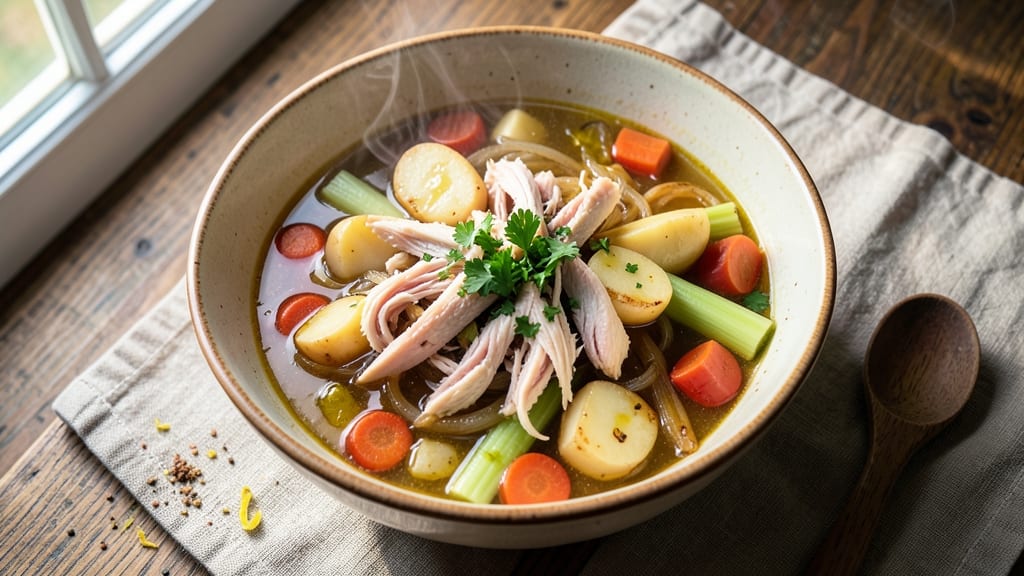
This 7-day chicken soup diet recipe transforms simple ingredients into a healing, nutrient-packed meal plan that supports immune function and gentle weight management. The beauty lies in its simplicity—just chicken, vegetables, and aromatic herbs—yet every bowl delivers protein, vitamins, and hydration to keep you feeling balanced.
I designed this plan after years of testing what truly works for sustained energy without deprivation, and the results speak for themselves.
The magic happens in the batch cooking approach: prepare a base broth and core vegetables once, then customize each day with fresh ingredients to prevent flavor fatigue.
Day 1 might feature tender shredded chicken with carrots and celery, while Day 4 could highlight creamy potato-leek soup with a touch of thyme. Each variation maintains the diet's core principles—lightweight digestion, high protein, and low calorie—while keeping prep manageable for busy schedules.
What makes this plan unique is its adaptability. Swap gluten-containing noodles for zucchini ribbons, reduce sodium by omitting added salt, or boost fiber with extra vegetables—all without sacrificing flavor or nutritional benefits.
The soups are designed to be satisfying yet gentle, perfect for those seeking to reset their digestive system or maintain a clean eating routine without feeling restricted.
By the end of the week, you'll notice improved digestion, stable energy levels, and a renewed appreciation for how simple ingredients can deliver transformative results. The best part? Leftovers reheat beautifully, making this a foolproof system for anyone looking to nourish their body with minimal effort.
Ingredients for 7 day chicken soup diet
Simple ingredients designed for healing—just chicken, vegetables, and aromatic herbs.
| Ingredient | Amount | Notes |
|---|---|---|
| Organic Chicken Breasts 🍗 | 2 ½ lb | Boneless, skinless, organic preferred |
| Organic Carrots 🥕 | 1 ½ lb | Whole, organic preferred |
| Celery Stalks 🧅 | 6 whole | Organic preferred, cut into 1-inch pieces |
| Yellow Onions 🧅 | 2 whole | Medium size, peeled and halved |
| Garlic Cloves 🧄 | 6 cloves | Fresh, peeled |
| Russet Potatoes 🥔 | 2 lb | Yukon gold or russet, peeled and cubed |
| Zucchini 🍆 | 2 medium | Fresh, organic preferred, sliced |
| Fresh Parsley 🌿 | ¼ cup | Chopped, organic preferred |
| Fresh Thyme 🌿 | 1 tbsp | Leaves only, organic preferred |
| Fresh Dill 🌿 | 1 tbsp | Chopped, organic preferred |
| Extra-Virgin Olive Oil 🫒 | ¼ cup | Cold-pressed, organic preferred |
| Low-Sodium Chicken Broth 💧 | 8 cups | Homemade or high-quality store-bought |
| Sea Salt 🧂 | 1 tsp | Diamond Crystal preferred |
| Black Peppercorns 🌶️ | ½ tsp | Freshly ground |
| Lemon Juice 🍋 | 1 tbsp | Freshly squeezed |
The foundation of this diet lies in organic chicken breasts—lean yet protein-rich, perfect for gentle digestion. Most grocery stores carry organic options, though Whole Foods or Trader Joe's offer the best selection for consistent quality. Look for plump, pale breasts with minimal marbling. The carrots and celery should be firm and vibrant, not wilted or rubbery—Costco often has excellent bulk bins for these staples. Fresh herbs like thyme and dill elevate flavor without overpowering; Penzeys or your local farmers' market are ideal sources for organic varieties. The potatoes should feel heavy for their size, indicating freshness, and Yukon golds add natural creaminess without heavy starch.
No organic chicken? Free-range or pasture-raised works just as well—avoid conventional if possible. Substitute carrots with turnips or parsnips for variety, though texture will differ. Celery can be swapped for fennel, though it has a stronger anise flavor. Fresh herbs unavailable? Dried thyme or dill at one-third the amount works in a pinch, but fresh is ideal for brightness. The lemon juice can be omitted if you prefer a neutral broth, though it brightens the entire week's soups. For those watching sodium, homemade broth with no added salt is essential—store-bought often contains hidden sodium, even in 'low-sodium' varieties.
Store fresh herbs in damp paper towels in sealed containers for up to 5 days—they wilt fast otherwise. The chicken broth base keeps for 5 days refrigerated or 3 months frozen, making this a time-saving system. Portion soups into glass containers for easy reheating; microwave-safe glass preserves flavor better than plastic. The potatoes and carrots can be prepped ahead and stored in airtight containers for 3 days, though fresh is always preferred. This system ensures minimal daily effort while maximizing nutrition—ideal for busy schedules.
Why You'll Love This Recipe
- No-Chop Nightmare: I swear, the only prep is dicing carrots and celery—no fancy techniques, no peeling onions until they cry. Toss everything raw into the pot with the chicken, bring it to a boil, then let it simmer while you handle actual adulting. (Yes, even on a Tuesday night.)
- Garlic Bomb Depth: Between us, that one extra garlic clove I add at the end? It turns "good soup" into "I’ll eat this every day" soup. The onions caramelize just enough to give it this rich, savory backbone—no fancy broth needed, just the chicken’s natural flavor doing the heavy lifting.
- Meal Prep MVP: This is my secret weapon for lunches: cook a big batch Sunday, portion it into containers, and you’ve got seven days of effortless dinners. Add a sprinkle of parsley or a squeeze of lemon when reheating—suddenly, it feels fresh again. (My kids still ask for it even after day five.)
- Budget-Friendly Powerhouse: Organic chicken breasts stretch further than you’d think, and the veggies? They’re the cheap, crunchy stars of this show. A single pot feeds four, and leftovers taste just as good cold the next day—perfect for packing or freezing. Honestly, it’s the only soup that makes me feel like I’m eating fancy without the grocery bill.
Step-by-step instructions for lightweight healing chicken soup
This method transforms simple ingredients into a nourishing, nutrient-dense soup perfect for cleansing and recovery.
Prepare the Vegetable Base
Heat the 0.25 cup extra-virgin olive oil in a large stockpot over medium heat. Add the peeled and halved 2 whole yellow onions and cook for 5 minutes until softened and translucent. This foundational step develops flavor through caramelization.
Add the 6 whole celery stalks, cut into 1-inch pieces, and the 6 peeled garlic cloves. Cook for an additional 3 minutes until the celery becomes tender and the garlic releases its aromatic oils. Stir frequently to prevent browning while building the vegetable flavor base.
Add Potatoes and Carrots for Hearty Texture
Push the vegetable mixture to one side of the pot and add the 2 lb russet potatoes, peeled and cubed, along with the 1.5 lb organic carrots, also cut into even chunks. Cook for 5 minutes until the potatoes begin to soften slightly at the edges. This partial cooking ensures they don't turn to mush during the long simmer.
Stir everything together and pour in the 8 cups low-sodium chicken broth. Bring the mixture to a gentle boil, then immediately reduce heat to low. The broth should simmer steadily but not bubble vigorously, which prevents the vegetables from breaking down too quickly.
Cook the Chicken and Season Properly
Add the 2.5 lb organic chicken breasts to the simmering pot. Partially submerge them in the broth, ensuring they're covered as the liquid reduces. Simmer for 20-25 minutes until the chicken reaches an internal temperature of 165°F and is easily flaked with a fork. This gentle cooking method preserves moisture and tenderness.
Once the chicken is cooked, remove it from the pot and set it aside to rest. Stir the 1 tsp sea salt and 0.5 tsp freshly ground black peppercorns into the broth, allowing the flavors to meld with the vegetables. This is where the soup's foundational taste develops—don't rush this step.
Incorporate Light Vegetables and Herbs
Add the 2 medium zucchini, sliced into half-moons, to the simmering broth. Cook for an additional 5-7 minutes until the zucchini is tender but still holds its shape. The zucchini should absorb the broth's flavors without becoming mushy, adding a delicate sweetness to the soup.
Stir in the 1 tbsp fresh thyme leaves, 1 tbsp fresh dill, and 0.25 cup chopped fresh parsley. These herbs add brightness and complexity that elevate the soup beyond a simple vegetable broth. Simmer for another 3-5 minutes to allow the flavors to integrate fully.
Finish with Lemon and Final Adjustments
Return the cooked chicken to the pot and stir gently to combine. Add the 1 tbsp freshly squeezed lemon juice and simmer for an additional 2 minutes. The lemon juice brightens the flavors and balances the richness of the chicken and vegetables, creating a refreshing finish.
Taste the soup and adjust seasoning if needed—this is your final opportunity to perfect the balance of flavors. Serve immediately while hot, garnished with additional fresh herbs if desired. The soup should be light yet satisfying, with each component maintaining its distinct texture and flavor.
Pro Tips For Making 7 Day Chicken Soup Diet
- Sear the Chicken First: I learned this the hard way—skipping the sear means flavorless broth. Pat the chicken breasts very dry, then hit them with a hot pan (no oil needed) until the bottom turns golden brown. That crust locks in juices and adds depth to the soup you’ll eat for a week.
- Cut Celery Like a Pro: Don’t just hack at those stalks. Angle the knife and slice into ¼-inch half-moons—this keeps them from turning to mush while simmering. (Yes, it takes 30 seconds longer, but your soup won’t taste like overcooked grass.)
- Simmer Low and Slow: After boiling the broth, drop the heat to a gentle simmer—just small bubbles breaking the surface. Too much heat = cloudy broth and rubbery chicken. Cover loosely and let it work for at least 45 minutes.
- Save Time with Prepped Veggies: Buy pre-cut carrots and celery from the store (they’re often cheaper than whole). Chop the onions and garlic the night before and store them in the fridge—no last-minute chopping stress, and your soup starts with flavor already building.
Creative variations of these flavors
Herbal Infusion Twist
Swap the classic thyme and parsley for fresh rosemary and bay leaves—just 1 sprig each—for a fragrant, earthy depth that pairs beautifully with chicken. Simmer the herbs for 15 minutes before adding the zucchini to let their oils infuse the broth.
I find this works especially well on Day 3 when you might crave something more aromatic than the base recipe. 🌿
Creamy Potato-Leek
For a velvety texture, blend 1 cup of the cooked potato broth with ½ cup Greek yogurt (or coconut yogurt for dairy-free) until smooth, then stir back into the pot. Add 2 leeks (white and light green parts only) and 1 diced apple for natural sweetness.
This variation is perfect for Day 4—it feels indulgent yet remains light and hydrating. 🥔
Spicy Tomato-Ginger
Boost metabolism with 1 diced Roma tomato, 1 tbsp fresh ginger (grated), and ½ tsp cayenne pepper on Day 5. The ginger adds warmth while the tomatoes brighten the broth.
I like to finish with a squeeze of lime juice instead of lemon for a tropical twist. This version is ideal for digestion and energy. 🌶️
Mushroom-Umami Base
Sauté 1 cup sliced shiitake mushrooms with the onions for deeper savory notes. Add 1 tsp soy sauce (or coconut aminos) for umami richness, then proceed with the recipe. This works wonderfully on Day 2 when you want extra depth without heaviness. The mushrooms also add immune-boosting beta-glucans. 🍄
Zesty Lemon-Turmeric
Stir in ½ tsp turmeric and ¼ tsp black pepper (to activate curcumin) with the lemon juice at the end. The turmeric adds anti-inflammatory benefits, while the pepper enhances absorption.
Garnish with cilantro for a fresh finish—this is my go-to for Day 6 when I want a bright, energizing bowl. 💛
Noodle-Free "Ramen" Style
For a satisfying texture without carbs, add 1 cup shredded cabbage and 2 tbsp sliced green onions on Day 7. The cabbage mimics noodles while adding crunch.
Top with a drizzle of sesame oil and toasted sesame seeds for a light Asian-inspired finish. This keeps the diet flexible while feeling like a treat. 🥬
Nutrition facts
Frequently asked questions
Can I make this 7-day chicken soup plan with frozen vegetables?
Yes, but with a few adjustments! Use frozen carrots, celery, and zucchini (no need to thaw first) to save time, but reduce cooking time by 2-3 minutes since frozen veggies soften faster. For best flavor, add them later in the simmering process—after the potatoes and chicken are cooked. Fresh herbs still shine best, though.
How do I adjust this for a low-sodium diet?
Skip the added sea salt entirely and use homemade low-sodium broth (simmer chicken bones with veggies and water only). Boost flavor with extra garlic, lemon juice, and fresh herbs like parsley or dill. The natural umami from chicken and veggies will compensate—no salt needed!
What if I get bored eating the same soup all week?
Each day can have a unique twist while keeping the same base! Try Day 1 with classic carrots/celery, Day 2 with mushrooms, Day 3 with rosemary, Day 4 with creamy potatoes, Day 5 with spicy ginger, Day 6 with turmeric, and Day 7 with cabbage. The broth stays the same—just swap veggies/herbs!
Can I prep this entire week's worth in one day?
Cook the entire broth base with chicken and potatoes, then portion into glass containers. Store veggies/herbs separately and add fresh each day. Reheat portions for 2-3 minutes until steaming—no soggy textures! This saves 30+ minutes daily.
Will I feel hungry on this diet?
The high protein from chicken and fiber from veggies keep you full! Each bowl has 25-30g protein and 5-7g fiber—perfect for satiety. Add a side of 1 slice whole-grain toast or ¼ avocado if needed. The broth's volume also helps curb cravings naturally.