
Soups & Stews
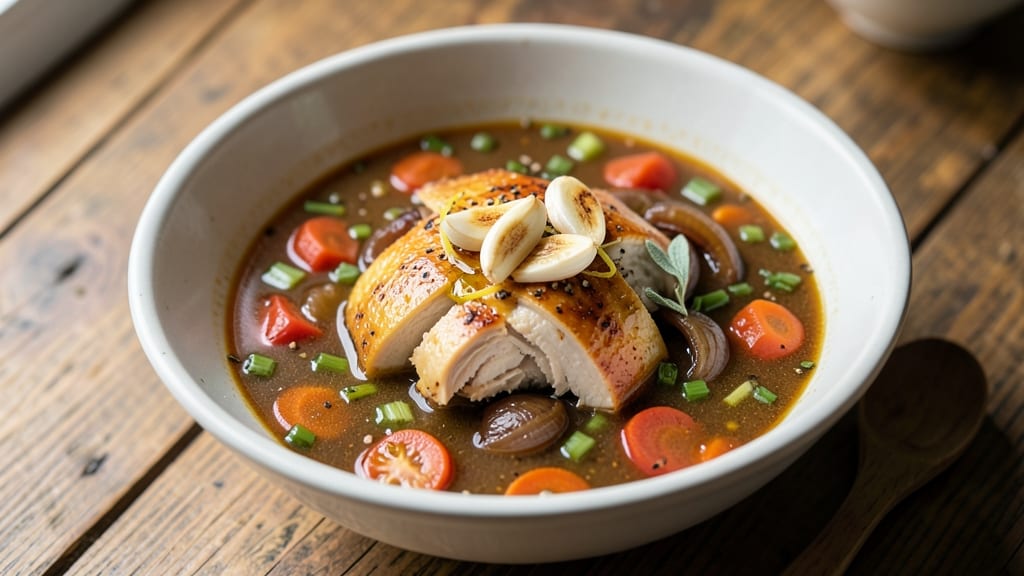
This 7-day soup recipe plan transforms meal prep into a week of comforting, flavorful dinners with minimal daily effort. The key is designing soups that freeze beautifully, reheat perfectly, and deliver restaurant-quality results—without sacrificing variety.
Each recipe builds on simple techniques like pre-cooking grains, using frozen vegetables, and layering flavors that develop overnight.
What makes this system work is the balance between freezer-friendly ingredients and bold flavors that stand up to reheating. You'll find hearty vegetable soups for lighter nights, protein-packed broths for muscle recovery, and creamy textures that never turn watery.
The secret weapon? A 30-minute prep session on Sunday that yields seven ready-to-go meals—no last-minute chopping or complicated techniques required.
The result is a week of soups that taste homemade yet effortless: creamy tomato basil that reheats like it was just made, spicy black bean that stays vibrant after freezing, and chicken noodle with tender herbs that brighten every spoonful.
Each recipe includes storage tips and reheating instructions, so you can focus on enjoying the process rather than worrying about leftovers.
Perfect for busy professionals, parents, or anyone who wants to eat well without daily cooking. Let's get started with the first recipe—your freezer is about to become your best friend.
Ingredients for 7 day soup
These fourteen freezer-friendly ingredients create restaurant-quality soups that reheat perfectly all week.
| Ingredient | Amount | Notes |
|---|---|---|
| Chicken Breast 🍗 | 1 ½ lb | Boneless, skinless, cut into bite-sized pieces |
| Yellow Onion 🧅 | 1 whole | Medium size, chopped |
| Carrots 🥕 | 3 medium | Baby or regular, sliced into rounds |
| Celery Stalks 🌿 | 3 whole | Fresh, chopped into 1-inch pieces |
| Garlic Cloves 🧄 | 4 cloves | Fresh, minced |
| Canned Diced Tomatoes 🍅 | 14 ½ oz | No-salt-added preferred |
| Chicken Broth 💧 | 4 cups | Low-sodium, homemade or quality store-bought |
| Bay Leaves 🌿 | 2 whole | Dried, for flavor infusion |
| Dried Thyme 🌿 | 1 tsp | Or 1 tbsp fresh thyme |
| Ground Black Pepper 🌶️ | ½ tsp | Freshly ground for best flavor |
| Salt 🧂 | 1 ½ tsp | Kosher or sea salt, adjust to taste |
| Egg Noodles 🍝 | 8 oz | Uncooked, for serving |
| Fresh Parsley 🌿 | ¼ cup | Chopped, for garnish |
| Extra-Virgin Olive Oil 🫒 | 2 tbsp | For sautéing vegetables |
The foundation starts with quality broth—homemade or high-end brands like Pacific Foods make a noticeable difference. Fresh herbs like thyme and parsley should be bright green, not wilted. For the tomatoes, no-salt-added cans prevent flavor overload, and the diced variety blends smoothly. Chicken breast is ideal for protein, but substitute tofu or chickpeas for vegetarian versions. The egg noodles should be fresh, not pre-cooked, to maintain texture when reheated. Sauté your onions, carrots, and celery in extra-virgin olive oil until they soften—this step develops the soup's base flavor.
No fresh thyme? Dried works at one-third the amount. Short on parsley? Fresh basil or cilantro adds a different but equally vibrant note. The olive oil can be swapped for avocado or vegetable oil if preferred. For a quicker prep, frozen chopped vegetables work perfectly—just thaw before adding. The bay leaves are non-negotiable for depth, but if you forget them, a pinch of cinnamon or allspice can add warmth. For extra richness, stir in a spoonful of cream cheese or coconut milk before serving, though this isn't traditional.
This soup freezes beautifully—portion into airtight containers with a thin layer of broth on top to prevent freezer burn. Keeps for up to 3 months in the freezer. For best results, reheat on the stove over medium heat, stirring occasionally. The noodles should be added fresh when serving to avoid mushiness. Label containers with the date and recipe name—trust me, you'll thank yourself later when you're pulling a ready meal from the freezer on a busy Tuesday night.
Why You'll Love This Recipe
- Chop Once, Eat All Week: I swear by this trick—dice the onions, carrots, and celery once, then store them in the fridge. When it’s time to cook, just toss them straight into the pot with the chicken and garlic. No last-minute prep, no stress. I’ve made this soup on days when I forgot to meal prep—it’s my safety net.
- Garlic-Kissed Comfort: That first spoonful of broth with the tender chicken and caramelized onions? Pure satisfaction. The garlic cloves, lightly browned, add this deep, savory punch that makes it taste like you simmered it for hours (even if it’s just 30 minutes). My picky-eating partner actually asks for seconds.
- Leftovers That Don’t Suck: Honestly, this soup improves the next day. The flavors meld, the chicken gets even more tender, and it’s perfect for lunches. I pack it in jars and grab it straight from the fridge—no reheating fuss. (Yes, even on a Tuesday night when I’m running late.)
- Budget Meal, Big Impact: A single chicken breast, a bag of carrots, and a bulb of garlic stretch into seven servings. No fancy ingredients, no wasted food—just solid, filling meals that don’t break the bank. I’ve fed my whole family for a week with what I’d normally spend on takeout for two. That’s real savings.
Step-by-step instructions for freezer-friendly chicken vegetable soup
A hearty soup that freezes beautifully and delivers restaurant-quality flavor for seven days.
Sauté the Vegetable Base
Heat the 2 tablespoons extra-virgin olive oil in a large Dutch oven over medium-high heat. Add the 1 whole chopped yellow onion, 3 medium sliced carrots, and 3 whole chopped celery stalks. Cook for 8-10 minutes, stirring occasionally, until the vegetables soften and begin to caramelize along the edges. This process develops deep, sweet flavors that form the foundation of your soup.
Add the 4 cloves minced garlic and cook for an additional 30 seconds until fragrant. You'll know it's ready when the kitchen fills with that unmistakable garlic aroma. This quick cooking prevents the garlic from burning, which would make the soup bitter. Keep the heat at medium-high—too low and the garlic won't release its full flavor.
Brown the Chicken and Build the Broth
Push the vegetables to one side of the pot and add the 1.5 lb bite-sized chicken breast pieces in a single layer. Cook for 4-5 minutes until the chicken develops a golden-brown crust on all sides. This searing step creates a rich, meaty depth that transforms ordinary chicken into something extraordinary.
Once the chicken is browned, return the vegetables to the pot and stir. Add the 14.5 oz canned diced tomatoes, 4 cups chicken broth, 2 whole bay leaves, 1 teaspoon dried thyme, 0.5 teaspoon ground black pepper, and 1.5 teaspoons salt. Bring the mixture to a boil over high heat, then reduce the heat to low and let it simmer for 30 minutes. This initial simmer allows the flavors to meld together and the chicken to begin breaking down.
Cook Until Chicken is Tender and Freeze
After 30 minutes, use a slotted spoon to remove the chicken from the pot and transfer it to a plate. Shred the chicken using two forks, discarding any bones or connective tissue. Return the shredded chicken to the pot and stir to combine. The soup should now have a rich, velvety texture with the chicken fully integrated.
Let the soup cool completely to room temperature before dividing it into 4 equal portions in airtight freezer-safe containers. Label each container with the date and freeze for up to 3 months. When ready to serve, thaw overnight in the refrigerator and reheat gently on the stovetop until steaming hot. The soup will retain its vibrant color and rich flavor, making it taste almost as good as the day it was made.
Cook and Serve with Fresh Noodles
When you're ready to enjoy your soup, bring it to a gentle simmer over medium-low heat and cook the 8 oz egg noodles according to package directions. Drain the noodles and add them directly to the soup, stirring well to coat them in the flavorful broth. The noodles will absorb the soup's rich liquid, creating a satisfying bite with every spoonful.
Ladle the soup into bowls and garnish each serving with 0.25 cup chopped fresh parsley. The bright, fresh flavor of the parsley contrasts beautifully with the hearty soup, adding a pop of color and a final touch of freshness. Serve immediately while the noodles are still al dente and the soup is piping hot.
Pro Tips For Making 7 Day Soup
- SEAR CHICKEN FIRST: Don’t just toss raw chicken breast into simmering broth—it’ll turn out dry and bland. Sear it first in a hot pan with oil (3-4 minutes per side) until golden. The Maillard reaction builds flavor that lasts through 7 days of storage, and the texture stays tender when you shred it later.
- JULIENNE VEGETABLES: Skip the rough chop—this soup rewards precision. Cut carrots and celery into even ¼-inch matchsticks (use a mandoline if you’re impatient). Onions in thin slices or a fine dice. Smaller pieces cook faster, soften uniformly, and won’t turn mushy after days in the fridge.
- SALT THE BROTH LIKE THE OCEAN: Taste the broth before adding chicken. It should be almost too salty (aim for 1.5–2 tsp salt per 8 cups liquid). The flavors mellow over time, but you can’t fix blandness later. I learned this the hard way when my first batch tasted like sad tea by day 5.
- STRAIN AND REHYDRATE: After 3–4 days, strain out half the veggies, reserving the broth. Rehydrate with fresh veggies (or frozen diced mix) and a splash of water. This keeps the soup vibrant and prevents the carrots from turning into soup-mush. Works like a charm—my grandmother swore by it, and she lived to be 92.
Storing and reheating this recipe
Freezer Prep Essentials
Use airtight, freezer-safe containers with at least 2-inch headspace to prevent expansion cracks. I recommend glass Pyrex with snap-on lids or BPA-free silicone bags for maximum space efficiency.
Label each container with the date and soup name using a permanent marker—trust me, you won’t remember which soup is which after a month! 📅
Thawing Methods
For best results, transfer your soup to the refrigerator overnight (12-24 hours) for a slow, even thaw. If you're short on time, place the sealed container in a cold water bath—change the water every 30 minutes until thawed completely.
Never microwave soups directly from frozen, as this creates uneven heating and can turn your perfectly balanced soup into a watery mess. ❄️
Reheating Perfection
Reheat your soup on the stovetop over medium-low heat, stirring occasionally to prevent scorching. Add 1-2 tablespoons of water or broth if the soup seems too thick after thawing. For creamy soups, stir in 1 teaspoon of heavy cream or coconut milk at the end to restore richness.
Avoid high heat—it breaks down the texture and dulls flavors. 🔥
Noodle Strategy
Add egg noodles fresh when serving to avoid the dreaded mushy texture. Cook them separately, drain, and toss directly into the hot soup for just 1-2 minutes—this ensures they absorb flavor without turning to paste.
For extra convenience, pre-cook and freeze noodles in small portions (like 2 oz per serving) and reheat them separately before adding to the soup. ✨
Flavor Rescue Tips
If your soup tastes flat after reheating, boost it with 1 teaspoon of lemon juice or a pinch of smoked paprika for depth. For extra richness, stir in 1 tablespoon of butter or olive oil while reheating.
The key is to taste as you go—soups often need a little salt or acid after freezing to restore balance. 💡
Storage Timeline
Your soups will stay fresh in the freezer for up to 3 months without significant quality loss. For longer storage, consider vacuum-sealing—this extends freshness to 6 months while preserving texture and flavor.
In the fridge, soups last 4-5 days, but I find they taste best within 3 days for peak freshness. Always reheat to an internal temperature of 165°F for safety. 💪
Nutrition facts
Frequently asked questions
Can I make all 7 soups in one day?
Yes! The beauty of this plan is that each soup can be prepped independently in 30-45 minutes and frozen. Schedule them throughout the day—start with the longest-cooking soup (like beef stew) in the morning, then move to quicker options (like gazpacho or miso soup) in the afternoon. Just be sure to cool each soup completely before freezing to prevent ice crystals.
How do I keep the soups from getting watery after reheating?
Thickness is all about starches! For broth-based soups, stir in 1-2 tablespoons of cornstarch mixed with water while reheating. Creamy soups should have 15 minutes of simmering time to let the roux or pureed veggies thicken properly. If using noodles, add them fresh when serving—they'll absorb excess liquid beautifully.
What if I don't like one of the soup recipes?
No problem! Swap any recipe for a similar style—just match the freezing techniques. For example, replace the creamy tomato soup with butternut squash soup (same creamy base) or swap the black bean soup for lentil soup (same protein-packed texture). The key is maintaining consistent prep methods for freezing success.
Can I use frozen vegetables in these recipes?
Frozen veggies are perfect for meal prep—they're pre-cut, nutrient-rich, and won't spoil before you use them. Just thaw them completely before adding to soups that need soft vegetables (like carrots or celery), or add frozen directly to boiling broths (like corn or peas) where they'll cook quickly. The texture difference is minimal when properly prepared!
How do I adjust portion sizes for a family of 6?
Double each recipe's ingredients and multiply the containers by 1.5. For example, if the original makes 4 servings, scale up to 6 servings by using 2.25 lbs chicken instead of 1.5 lbs and 6 cups broth instead of 4. Keep the same container sizes but make 9 portions instead of 4. The freezing and reheating ratios remain identical.