
Soups & Stews
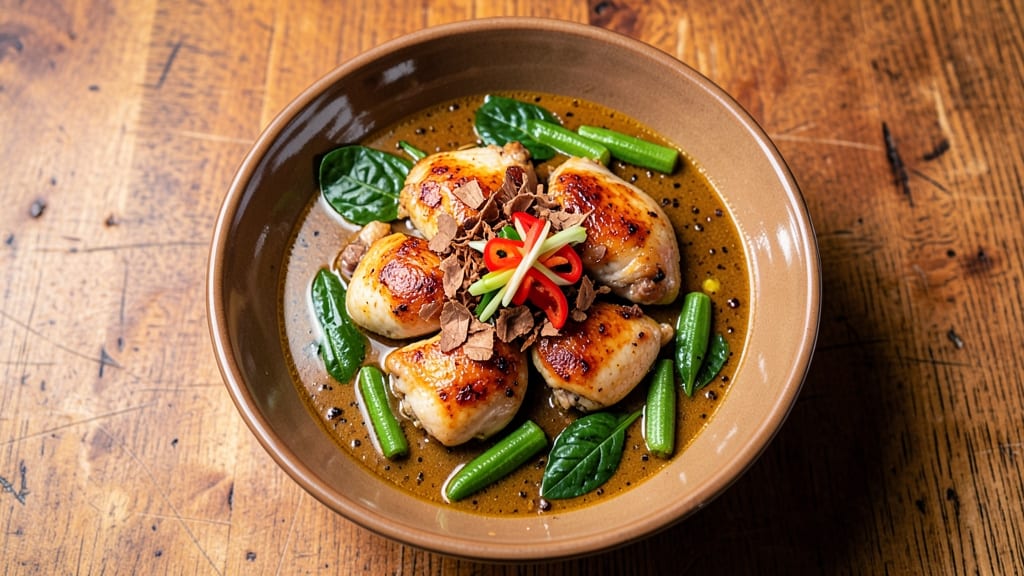
African Afang Soup transforms humble ingredients into a rich, aromatic masterpiece that defines West African cuisine. This traditional dish blends tender meat or fish with vibrant leafy greens, okra, and bold seasonings like utazi leaves and crayfish.
The result is a hearty broth that pairs perfectly with fufu, pounded yam, or rice—each bite delivering layers of earthy, umami, and slightly spicy flavors.
The foundation of Afang lies in its carefully balanced components: protein (chicken, beef, or fish), leafy greens (bitterleaf or spinach), and okra for thickening. Traditional seasonings like locust beans, crayfish, and utazi leaves create depth, while palm oil adds a distinctive reddish hue and richness.
The slow simmering process transforms tough cuts into melt-in-your-mouth tenderness while infusing the broth with complex flavors.
What sets Afang apart is its versatility—it can be adapted for vegetarians by omitting meat or using mushrooms, while still maintaining its signature depth. The okra creates a naturally thickened broth without relying on flour or cornstarch, making this dish both authentic and approachable.
Whether you're serving it at a family gathering or meal prepping for the week, Afang delivers restaurant-quality results with minimal effort.
This recipe preserves the soul of traditional Afang while making it accessible to home cooks. The key lies in proper seasoning timing and patient simmering, which we'll walk through step-by-step.
Ready to create a soup that tells a story with every spoonful? Let's begin with the essential ingredients that make Afang unforgettable.
Ingredients for afang soup recipe ingredients
Sixteen ingredients blend earthy greens, rich palm oil, and aromatic spices for Afang's signature depth.
| Ingredient | Amount | Notes |
|---|---|---|
| Chicken Thighs, Bone-In 🍗 | 2 ½ lb | Skin-on for flavor, cut into 2-inch pieces |
| Bitterleaf or Spinach 🌿 | 2 cups | Fresh leaves, stems removed |
| Okra Pods 🍆 | 1 lb | Fresh or frozen, sliced into 1-inch pieces |
| Palm Oil 🫒 | ½ cup | Red palm oil preferred for authentic color |
| Dried Utazi Leaves 🌿 | ¼ cup | Or 1 tbsp fresh if available |
| Ground Crayfish 🦀 | ¼ cup | Dried, crushed into powder |
| Locust Beans (Iru) 🌱 | ¼ cup | Dried, soaked and pounded |
| Fresh Red Bell Pepper 🌶️ | 1 whole | Deseeded, chopped into strips |
| Fresh Onions 🧅 | 2 whole | Medium size, chopped |
| Fresh Ginger 🌿 | 2 tbsp | Grated, aromatic and fresh |
| Garlic Cloves 🧄 | 8 cloves | Peeled, minced for depth |
| Fish Stock or Water 💧 | 6 cups | Or chicken stock for meat version |
| Salt 🧂 | 1 ½ tsp | Diamond Crystal preferred |
| Black Peppercorns 🌶️ | ½ tsp | Freshly ground for heat |
| Scotch Bonnet Pepper 🔥 | ½ whole | Seeded for mild heat |
The leafy greens are non-negotiable—bitterleaf delivers that signature Afang bite, but spinach or waterleaf work in a pinch. For authentic flavor, source utazi leaves and crayfish from African specialty markets like African & Caribbean Foods or online retailers. Palm oil should be red palm oil for that signature color and richness; African & Caribbean Foods carries it in bulk. Locust beans (iru) are the umami backbone—soak them overnight and pound into a paste for maximum flavor extraction. The chicken thighs should have skin for crispiness, but bone-in ensures melt-in-your-mouth tenderness during the long simmer.
No utazi leaves? Dried thyme or bay leaves at half the amount mimic its earthy notes. Crayfish unavailable? Shrimp shells or shrimp powder provide similar briny depth. For heat control, adjust the Scotch bonnet—remove seeds for mild or keep them for fiery. The okra can be fresh or frozen; if using frozen, no need to thaw. Palm oil substitutes? Vegetable oil plus a pinch of paprika mimics the color, though it lacks the authentic richness. Fresh ginger and garlic should be peeled and grated/minced just before cooking to preserve their volatile oils—don't prep them ahead.
Palm oil solidifies when cool—store it in a cool, dark place and melt only what you need for the recipe. Fresh utazi leaves and crayfish keep for 1 month in the freezer, while dried spices last 6 months in airtight containers. The locust beans can be prepped (soaked and pounded) up to 3 days ahead and stored in the fridge. For meal prep, portion the broth into containers—it reheats beautifully and tastes even better the next day as flavors meld. The greens should be added last to preserve their vibrant color and texture.
Why You'll Love This Recipe
- One-Pot Magic: I swear by this—just bone-in thighs, palm oil, and a handful of okra pods transform into a rich, velvety broth with almost no cleanup. The bitterleaf (or spinach) wilts right in, so you’re not stuck with a separate pot or a sink full of greens.
- Utazi’s Secret Umami: That dried utazi? It’s the flavor bomb. One tiny teaspoon, crushed and simmered, turns bland chicken into something ridiculously good—earthy, slightly tangy, with this deep, savory punch. Honestly, I’d argue it’s the star of the show.
- Leftovers That Beg for More: This soup actually improves overnight. The flavors meld, the oil thickens just enough, and reheating it is the easiest way to start a lazy morning. My kids ask for it the next day, and I’ve never had to force anyone to eat their veggies.
- Budget Meal for Crowds: Bone-in thighs? Check. Okra and bitterleaf? Cheap and abundant. Palm oil adds richness without breaking the bank. I’ve fed six people for under $15 with this—plus, the leftovers stretch into lunches or even a quick sauce for fufu the next day.
Step-by-step instructions for authentic Afang soup
Master this West African classic with its rich palm oil base and harmonious leafy greens.
Prepare the Chicken and Stock Foundation
Begin by cutting the 2.5 lb Chicken Thighs, Bone-In into 2-inch pieces, leaving the skin on for maximum flavor. In a large pot, heat 0.5 cup Palm Oil over medium-high heat until shimmering. Add the chicken pieces and brown them on all sides for 5-6 minutes, working in batches if needed. This step develops deep, caramelized flavors that form the soup's base.
Remove the chicken and set aside. In the same pot, add 2 whole Fresh Onions (chopped), 2 tbsp Fresh Ginger (grated), 8 cloves Garlic Cloves (minced), and 1 whole Fresh Red Bell Pepper (chopped). Sauté for 3-4 minutes until fragrant and the onions soften. Pour in 6 cups Fish Stock or Water and bring to a gentle boil. Return the chicken to the pot, reduce heat to low, cover, and simmer for 45-50 minutes until the chicken is fork-tender and the stock has absorbed the flavors.
Develop the Soup's Complex Flavor Profile
While the chicken simmers, prepare the locust beans by soaking 0.25 cup Locust Beans (Iru) in warm water for 15 minutes, then draining and pounding them into a coarse powder using a mortar and pestle. In a separate small pot, heat 0.25 cup Ground Crayfish and 0.25 cup Dried Utazi Leaves over low heat for 2-3 minutes until fragrant. Remove from heat and set aside.
Strain the cooked chicken from the stock, reserving the broth. Return the broth to the pot and stir in the locust bean powder, crayfish, and utazi leaves. Add 0.5 whole Scotch Bonnet Pepper (seeded and chopped) and 0.5 tsp Black Peppercorns (freshly ground). Bring to a gentle simmer and cook for 10 minutes to allow the flavors to meld. This step creates the soup's signature depth and umami richness.
Incorporate the Leafy Greens and Okra
Slice the 1 lb Okra Pods into 1-inch pieces and wash the 2 cups Bitterleaf or Spinach, removing any tough stems. Add the okra to the simmering broth and cook for 8-10 minutes until tender but still holding its shape. The okra should contribute a subtle sliminess that balances the soup's texture.
Stir in the leafy greens and cook for an additional 5-7 minutes until wilted but still vibrant. The bitterleaf or spinach should soften just enough to release its nutrients without becoming mushy. Taste the broth and adjust seasoning with 1.5 tsp Salt if needed, remembering that the palm oil and crayfish already contribute significant saltiness.
Finish and Serve with Precision
Return the shredded chicken to the pot and gently stir to coat it in the flavorful broth. Simmer for 5 minutes to heat through, ensuring the chicken absorbs the rich, complex flavors. The soup should have a velvety texture with visible strands of okra and leafy greens suspended throughout.
Serve immediately in deep bowls, garnished with additional utazi leaves or a sprinkle of crayfish if desired. The soup should be hot, with the palm oil creating a glossy sheen on the surface. Each spoonful should deliver a balance of tender chicken, earthy leafy greens, and the subtle heat from the scotch bonnet pepper. For the best experience, serve with pounded yam or fufu to soak up every last drop of this nourishing broth.
Pro Tips For Making Afang Soup Recipe Ingredients
- Brown the Chicken First: High heat for 8-10 minutes until the thighs develop a deep golden crust—this isn’t just for looks. The Maillard reaction pulls flavor out of the bones and skin, which will infuse your palm oil later. I used to skip this, and my soup always tasted flat until I realized the difference.
- Soak Utazi Leaves: Toss the dried utazi leaves in warm water for 10 minutes before adding them to the pot. This softens them and prevents that bitter, dusty aftertaste that ruins the whole dish. (Yes, even if you’re impatient like me—trust the process.)
- Add Okra Last: Stir in the okra pods only in the final 5 minutes of cooking. If you add them too early, they’ll turn to mush and lose their signature slimy texture, which actually thickens the soup. Sounds weird, but it works—your future self will notice.
- Simmer, Don’t Boil: Once everything’s in the pot, keep the heat low enough that you barely see bubbles—gentle simmering prevents the bitterleaf from turning bitter and the chicken from falling apart. I learned this the hard way after serving a soup that tasted like disappointment.
Wine and beer pairings for this afang soup recipe ingredients
West African Red Wine
African Afang Soup's rich, earthy flavors pair beautifully with bold red wines from the continent. Try a South African Pinotage—its dark fruit notes and subtle spice complement the palm oil and crayfish.
I recommend Delaire Graff or Kanonkop for their balance of fruit and earthiness. The wine's acidity cuts through the soup's richness while enhancing its umami depth. 🍷
Malaysian Spiced Beer
For beer lovers, a Malaysian lager like Tiger or Anchor offers a crisp contrast to Afang's hearty profile. The subtle malt sweetness balances the soup's bitterness, while its light body prevents overpowering.
Add a slice of lime to your glass to echo the fresh ginger in the soup. This pairing is perfect for casual gatherings where you want something refreshing yet complementary. 🍺
Tropical Fruit Cocktail
Non-alcoholic options shouldn't be overlooked! A pineapple-mango juice blend with a splash of ginger beer creates a refreshing contrast. The tropical sweetness highlights the soup's savory notes, while the ginger beer's spice mirrors the Scotch bonnet pepper.
Serve chilled in tall glasses with ice for a vibrant presentation that brightens any Afang meal. 🍍
Local Nigerian Options
For authenticity, reach for Nigerian Star Lager or Guinness Nigeria—both offer malty depth that stands up to the soup's complexity. The dark roast notes in Guinness echo the palm oil's richness, while Star Lager's crisp finish cleanses the palate between bites.
These beers are widely available in African markets and add a cultural touch to your meal. 🍻
White Wine Alternative
If you prefer whites, a dry Riesling from Germany or South Africa works surprisingly well. Its citrus acidity and mineral notes complement the leafy greens while cutting through the palm oil's richness.
Look for Dr. Loosen Blue Slate—its balance of sweetness and acidity makes it a perfect match for Afang's layered flavors. ✨
Nutrition facts
Frequently asked questions
Can I make Afang Soup vegetarian?
Replace the chicken with 1.5 lb firm tofu or 2 cups mushrooms (like shiitake or oyster) for umami depth. Use vegetable stock instead of fish stock, and add 1 tbsp soy sauce to enhance flavor. The leafy greens and okra will still provide the signature texture and earthiness.
How do I substitute bitterleaf if I can't find it?
Use 2 cups spinach or waterleaf instead, but reduce cooking time by 3-4 minutes to prevent mushiness. For extra bitterness, add 1/4 tsp liquid stevia or 1/2 tsp lemon juice to mimic bitterleaf's profile. The okra will still provide the necessary thickening.
Why does my Afang Soup taste too bitter?
Overcooked leafy greens or too much utazi leaves are usually the culprits. Reduce cooking time by 2 minutes next time, and use 1/4 cup utazi leaves max. Balance bitterness with 1 tbsp honey or sugar (stirred in at the end) or a splash of coconut milk to round out flavors.
Can I make Afang Soup ahead of time?
Yes! Prepare the broth (without greens) up to 3 days ahead and refrigerate. Reheat gently, then add fresh greens and okra just before serving. For freezer prep, portion the broth into containers and freeze for up to 3 months. The flavors actually deepen when reheated.
What's the secret to perfectly tender chicken?
Use bone-in, skin-on chicken thighs and simmer them low and slow for 45-50 minutes. The skin should render fat that flavors the broth, while bones add gelatin for richness. Never boil vigorously—keep it at a gentle simmer to prevent toughness.