
Soups & Stews
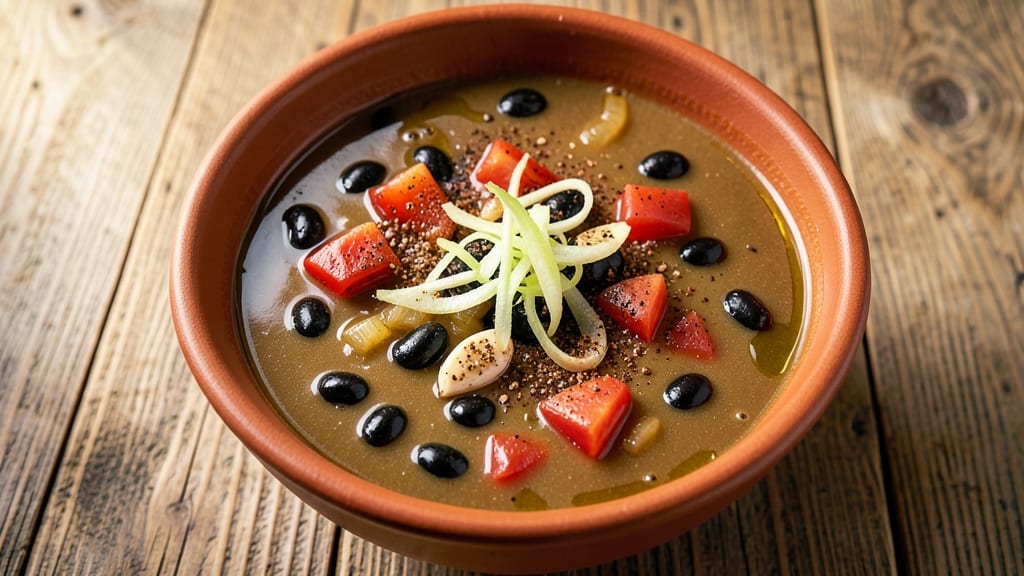
This African bean soup recipe brings the soul-warming flavors of West African cuisine to your kitchen with slow-simmered legumes and aromatic spices. The key to its depth lies in the blend of earthy spices like thyme, ginger, and garlic, which infuse every spoonful with rich, complex flavor.
I developed this vegetarian version using black-eyed peas, but chickpeas or lentils work beautifully too—each adding their own unique texture and heartiness.
The magic happens in the slow simmer, where the beans soften and absorb the flavors of the broth, creating a dish that's both comforting and satisfying. This recipe delivers restaurant-quality results with simple ingredients and a foolproof method, perfect for feeding a crowd or meal prepping for the week.
The broth is packed with umami from tomatoes and onions, while the spices add layers of warmth that linger long after the last bite.
What you'll end up with is a hearty, flavorful soup that's tender yet substantial, with beans that hold their shape beautifully. The aroma alone will have everyone gathering around the table, and the taste—rich, spiced, and deeply satisfying—will make this a regular in your rotation.
Serve with crusty bread or over rice to soak up every last drop of that delicious broth.
This dish is incredibly versatile—add smoked fish or tofu for extra protein, or keep it vegetarian for a plant-based powerhouse. The slow-cooked method ensures maximum flavor, making it ideal for cold evenings or when you want to create a meal that feels special without spending hours in the kitchen.
Let's get cooking!
Ingredients for african bean soup
Pantry staples plus a few fresh ingredients that transform into soul-warming African bean magic.
| Ingredient | Amount | Notes |
|---|---|---|
| Black-Eyed Peas (Dried) 🌾 | 1 ½ cups | Picked over for debris |
| Diced Onions 🧅 | 1 ½ cups | Yellow or red preferred |
| Garlic Cloves 🧄 | 6 cloves | Minced for aromatic base |
| Fresh Ginger 🌿 | ½ cup | Grated, about 2 inches |
| Canned Diced Tomatoes 🍅 | 2 cans | 14.5 oz each, fire-roasted preferred |
| Vegetable Broth 💧 | 4 cups | Low-sodium preferred |
| Olive Oil 🫒 | ¼ cup | Extra-virgin for richness |
| Fresh Thyme 🌿 | 2 tbsp | Leaves only, chopped |
| Ground Cumin 🌶️ | 1 tbsp | Toasted for deeper flavor |
| Smoked Paprika 🌶️ | 1 tbsp | For smoky depth |
| Bay Leaves 🌿 | 2 whole | Remove before serving |
| Salt 🧂 | 1 ½ tsp | Kosher or sea salt |
| Black Pepper 🌶️ | ½ tsp | Freshly ground preferred |
| Lemon Juice 🍋 | 2 tbsp | Freshly squeezed |
| Fresh Cilantro 🌿 | ¼ cup | Chopped, for garnish |
The black-eyed peas are the star here—dried is best for that hearty texture, but canned works in a pinch (just drain and rinse). Whole Foods or Latin markets usually have the best dried beans, but any grocery store carries them too. For the tomatoes, fire-roasted canned tomatoes add smoky depth—Muir Glen is my go-to. Fresh thyme and ginger? Grab them at the grocery store's produce section, but if they're wilted, dried thyme at one-third the amount works. The onions should be yellow or red—no sweet onions, they'll overpower the dish.
No fresh ginger? Ground ginger at half the amount gets you close. Short on thyme? Oregano or marjoram works, but thyme's that earthy African flavor. The smoked paprika is non-negotiable—it's what gives that West African warmth. No bay leaves? Skip it or use 1 tsp dried oregano. For the broth, low-sodium is key—we're building flavor, not drowning it in salt. The beans take time, so don't rush the simmer—they'll soften beautifully and soak up all those amazing spices.
This soup tastes even better the next day as flavors meld. Keeps for 5 days in the fridge or 3 months frozen. I always double the batch—freeze half in portions for quick lunches. The broth reduces nicely, so if you prefer it thinner, just add a splash of water when reheating. For extra richness, stir in a spoonful of tahini or coconut milk before serving.
Why You'll Love This Recipe
- I’ll be real: dried black-eyed peas scare most people off. But here? Just rinse them, toss them in, and let the onions and garlic soften them right in the pot. No overnight soaking, no fuss—just simmer and go.
- No-Soaking Needed: I’ll be real: dried black-eyed peas scare most people off. But here? Just rinse them, toss them in, and let the onions and garlic soften them right in the pot. No overnight soaking, no fuss—just simmer and go.
- Ginger-Garlic Punch: That fresh ginger and garlic combo? It’s where the magic happens. The ginger gives it a warm, zesty kick while the garlic deepens the flavor—like a hug in a bowl. Honestly, the aroma alone makes me want to eat it straight from the pot.
- Leftovers That Still Shine: This soup tastes better the next day. Between us, I make a double batch on Sundays because it’s perfect for lunches—just reheat and add a splash of water if it thickens. My kids even beg for it, and that’s saying something.
Step-by-step instructions for slow-simmered African bean soup
Here's how to build rich, aromatic flavors that transform simple beans into a soul-warming masterpiece.
Sauté the Aromatic Base
Heat the 0.25 cup olive oil in a large pot over medium heat. Add the 1.5 cups diced onions and cook for 5-6 minutes until they soften and turn translucent. This is your flavor foundation—don't rush it.
Stir in the 6 cloves minced garlic and 0.5 cup grated fresh ginger, cooking for another 1-2 minutes until fragrant. The ginger should be completely incorporated, releasing its bright, zesty aroma. Here's the thing—if you smell burning, lower the heat immediately. Garlic and ginger burn fast, and you'll lose that delicate balance of flavors.
Toast the Spices
Add the 1 tablespoon ground cumin and 1 tablespoon smoked paprika to the pot, stirring constantly for 30 seconds until the spices bloom and fill your kitchen with their warm, earthy scent. This step develops their flavors—don't skip it, even if it seems quick.
Next, sprinkle in the 2 tablespoons chopped fresh thyme and 1.5 teaspoons salt, stirring to coat everything evenly. The thyme should look vibrant, not wilted. If you notice any darkening, reduce the heat slightly—you want toasted, not burned spices.
Build the Flavor Base
Pour in the 2 cans diced tomatoes (with juices) and 4 cups vegetable broth, scraping up any browned bits from the bottom of the pot. Add the 2 whole bay leaves and bring everything to a gentle boil. Then reduce heat to low and let it simmer uncovered for 10 minutes to meld the flavors.
Real talk: This simmering step is where the magic happens. You'll see the spices and aromatics dissolving into the liquid, creating a rich, complex base. If you see any foam forming, gently skim it off—it's just excess starch from the tomatoes.
Add the Beans and Simmer
Rinse the 1.5 cups dried black-eyed peas under cold water to remove any debris, then add them to the pot. Stir in the 0.5 teaspoon black pepper and bring the soup back to a gentle simmer. Here's where it gets important—keep the heat low enough to maintain a steady simmer, not a rolling boil.
Cover the pot and cook for 1 to 1.5 hours, stirring occasionally, until the beans are tender but still hold their shape. You'll know they're done when they're fork-tender but not falling apart. If the soup gets too thick, add a splash of water or broth to maintain the right consistency.
Finish and Serve
Remove the 2 bay leaves and stir in the 2 tablespoons fresh lemon juice. This brightens the whole dish, cutting through the richness of the spices. Taste and adjust seasoning—you might need a little more salt or lemon depending on your broth.
Let the soup sit off the heat for 5 minutes before serving. This resting period lets the flavors fully develop. Garnish each bowl with 0.25 cup chopped fresh cilantro just before serving—it adds a fresh, herbal note that ties everything together.
Pro Tips For Making African Bean Soup
- SOAK BEANS OVERNIGHT: I learned this the hard way—rushing the soak leaves beans tough and gummy. Cover dried black-eyed peas in water by 2 inches, add a pinch of baking soda (trust me), and let them sit 12+ hours. No soaking? Boil them 2 minutes first, then drain and rinse—it cuts cooking time by half.
- SWEAT ONIONS LOW: High heat burns onions before they soften, turning your soup bitter. Use medium-low and let them cook uncovered for 8-10 minutes until translucent but not browned. This builds flavor without char—your future self will notice the difference.
- GRATE GINGER FINE: Thin slices or rough grates leave chunks that cling to teeth. Use the smallest holes on a box grater or pulse in a food processor until it’s almost paste-like. The soup needs that bright, consistent heat—no surprises when you bite into a tough piece.
- SAVE TIME WITH TOMATO PASTE: Skip chopping tomatoes and use 1-2 tablespoons of tomato paste instead. Stir it into the onions early—it deepens the color and flavor instantly. (Yes, even if you’re impatient like me.) Just dilute it with a splash of water first to avoid clumping.
Make-ahead tips for leftovers
Prep for Success
Start by soaking your 1.5 cups dried black-eyed peas overnight in a bowl of water with 1 tsp salt and 1 tsp baking soda (if using). This cuts cooking time by 30-45 minutes and prevents gassiness.
I use a quart-sized mason jar for easy storage in the fridge. Drain and rinse before using—never skip this step, or your beans will stay rock-hard. 🌾
Freezer-Friendly Prep
Make a double batch and freeze half in airtight, freezer-safe containers (I love Glasslock containers for this). Portion into quart-sized containers with 1-inch headspace for expansion. Label with the date—this soup keeps for 3 months without losing flavor. When reheating, add ¼ cup water per quart to prevent thickening.
Slow Cooker Hack
Transfer your prepped ingredients (except cilantro) to a 6-quart slow cooker and cook on low for 6-7 hours or high for 3-4 hours. The slow cooker's gentle heat enhances the beans' natural sweetness.
For extra richness, stir in ½ cup coconut milk during the last 30 minutes of cooking. This method is perfect for busy days!
Meal Prep Timeline
Day 1: Soak beans and prep all ingredients (chop onions, measure spices, etc.). Store in airtight containers in the fridge. Day 2: Cook the soup and portion into lunch-sized containers.
The broth will thicken slightly when refrigerated—just add a splash of water when reheating. I pack mine in Bentgo glass containers for easy grab-and-go lunches.
Reheating Like a Pro
For best texture, reheat on the stovetop over medium-low heat until steaming (5-7 minutes). Avoid microwaving—it makes the beans mushy. If using frozen soup, thaw overnight in the fridge first.
For extra flavor, stir in 1 tbsp tahini or 1 tsp hot sauce when reheating. The flavors actually improve after reheating!
Garnish on Demand
Store fresh cilantro separately in a ziplock bag with a paper towel to keep it crisp. Add it fresh when serving to maintain that bright, herbal pop. For extra flair, toast 1 tbsp pumpkin seeds in a dry pan until golden and sprinkle on top.
This adds crunch and visual appeal—guaranteed to impress your dinner guests. ✨
Nutrition facts
Frequently asked questions
Can I substitute black-eyed peas with another type of bean?
Chickpeas or lentils work beautifully—they add a slightly different texture but maintain that hearty, satisfying quality. For a creamier soup, use 1 cup cooked butter beans or 1 cup canned kidney beans (drained and rinsed). Just adjust cooking time—lentils cook faster (20-25 minutes) while chickpeas may need 45-60 minutes to fully tenderize.
How can I make this soup spicier?
Add ½ teaspoon cayenne pepper or 1-2 sliced Scotch bonnet peppers (remove seeds for less heat) when sautéing the aromatics. For depth, stir in 1 teaspoon hot sauce or 1 teaspoon gochujang during the final 10 minutes of simmering. Remember—build heat gradually to avoid overwhelming the dish.
What's the best way to thicken this soup if it's too thin?
Simmer uncovered for 10-15 extra minutes to reduce the broth naturally. For quicker results, mix 1 tablespoon cornstarch with 2 tablespoons cold water, stir into the soup, and cook for 2-3 minutes until thickened. Avoid over-thickening—this soup should coat the back of a spoon but remain spoonable.
Can I make this soup in an Instant Pot?
Yes! Sauté the onions, garlic, and spices as directed, then add all remaining ingredients (except cilantro). Seal the lid, cook on high pressure for 20 minutes, then quick-release. Finish with lemon juice and cilantro. The Instant Pot cuts cooking time to 30 minutes total while preserving all those rich flavors.
Why do my beans turn mushy when cooking?
Overcooking is the most common cause—beans should be tender but still hold their shape. Always check for doneness at the minimum cooking time, then test with a fork. If using dried beans, ensure you soaked them properly (overnight in salted water). For canned beans, rinse thoroughly to remove excess starch that causes mushiness.