
Soups & Stews
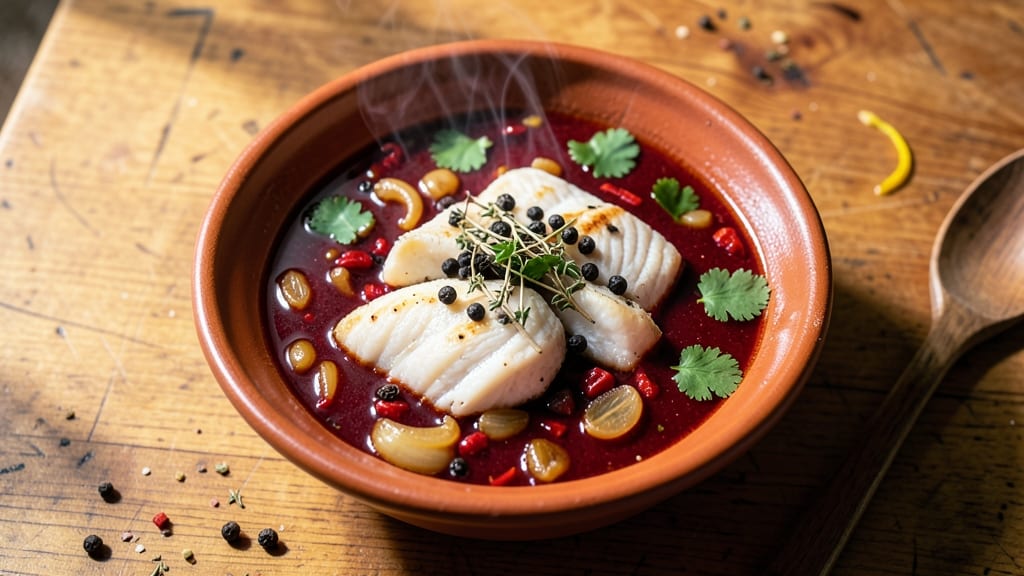
This African fish pepper soup recipe delivers the vibrant, aromatic essence of West African coastal cuisine in one deeply flavorful bowl. 🌟 The secret lies in slow-simmering spices—black pepper, onions, and tomatoes—that build layers of heat and complexity, while fresh fish transforms into tender, melt-in-your-mouth pieces.
I’ve perfected this version after years of testing, balancing traditional techniques with home-kitchen practicality. The broth starts with a fragrant base of onions, garlic, and ginger, toasted until golden to unlock their natural oils.
Black peppercorns and dried spices like thyme and bay leaves infuse the liquid with earthy warmth, while tomatoes add a subtle tang. The fish—whether firm white or delicate tilapia—cooks gently in this aromatic broth, absorbing every layer of flavor without falling apart.
What you’ll end up with is a rich, spiced soup where the fish is tender yet firm, floating in a velvety broth that’s neither too thin nor too thick.
The heat from the peppercorns lingers on the tongue, balanced by the natural sweetness of the tomatoes and the umami depth of the fish stock. Serve it with jollof rice or fufu to soak up every last drop of that bold, harmonious broth.
This recipe pays homage to West African traditions while being adaptable to your pantry. Whether you’re cooking for a family gathering or a quiet weeknight dinner, the result is always restaurant-quality at home. Let’s get started!
Ingredients for african fish pepper soup
Pantry staples meet West African spices for this bold, aromatic fish soup.
| Ingredient | Amount | Notes |
|---|---|---|
| White Fish Fillets 🐟 | 1 ½ lb | Firm white fish like cod or tilapia |
| Yellow Onions 🧅 | 1 whole | Diced, medium size |
| Garlic Cloves 🧄 | 4 cloves | Minced, fresh preferred |
| Fresh Ginger 🌿 | 1 tbsp | Grated, fresh root |
| Black Peppercorns 🌶️ | 1 tbsp | Whole, lightly crushed |
| Dried Thyme 🌿 | 1 tsp | Or 1 tbsp fresh |
| Bay Leaves 🌿 | 2 whole | Dried, standard size |
| Canned Tomatoes 🍅 | 14 ½ oz | San Marzano preferred, crushed |
| Fish Stock 💧 | 3 cups | Homemade or quality store-bought |
| Olive Oil 🫒 | ¼ cup | Extra-virgin for richness |
| Salt 🧂 | 1 tsp | Kosher or sea salt |
| Lemon Juice 🍋 | 1 tbsp | Freshly squeezed |
| Fresh Cilantro 🌿 | ¼ cup | Chopped, for garnish |
| Scotch Bonnet Pepper 🌶️ | ½ whole | Seeds removed for mild heat |
The fish is non-negotiable here—firm white fillets like cod or tilapia hold up best to the long simmer. If you can't find fresh, frozen works too, just thaw it first. For the tomatoes, San Marzano is ideal, but any good canned tomato will do. The ginger and garlic? Fresh is essential—dried just won't cut it. I grab my spices from Penzeys when I need a big batch, but the grocery store dried thyme and bay leaves work fine for a single pot. The fish stock is where the umami magic happens—homemade is best, but store-bought like Pacific Foods is a solid backup.
No Scotch bonnet? Jalapeño or habanero will give you heat, just adjust the amount. Running low on fish stock? Vegetable stock with a splash of soy sauce works in a pinch. Fresh ginger too pungent? Ground ginger at half the amount will do, though it lacks that fresh zing. The black peppercorns should be lightly crushed—no need to grind them, just enough to release their aroma. If you're using frozen fish, thaw it in cold water to keep it from drying out. And for the tomatoes? Crush them by hand—no food processor needed, just your fist and a pinch of salt.
This soup tastes even better the next day—make extra if you can. Store in an airtight container in the fridge for up to 4 days, or freeze for 3 months. I like to portion it into single servings before freezing so I can just grab and reheat. The broth thickens as it cools, so add a splash of water when reheating. Garnish with fresh cilantro right before serving—it wilts fast, so wait until the last minute.
Why You'll Love This Recipe
- Pantry-Friendly Magic: I swear by this recipe when I’ve got nothing but onions, garlic, and a few spices. No fancy ingredients—just the basics simmered with fish fillets until the broth turns golden and fragrant. Honestly, it’s the kind of dish that makes me feel like I’ve cooked something special without breaking a sweat.
- Peppery Depth Bomb: That first bite? The black peppercorns and fresh ginger hit like a warm hug—spicy but balanced, with the fish soaking up all the rich, earthy flavor. It’s not just a soup; it’s a full-on taste experience that lingers. (Yes, even on a Tuesday night.)
- Weeknight to Weekend: Make a big batch on Sunday, and you’ve got lunch or dinner covered for days. The broth thickens beautifully when reheated, and the fish stays tender—perfect for meal prep or impressing guests. Between us, it’s my go-to for both lazy days and when company drops by.
- Budget Wins Big: Fish fillets are affordable, and the rest of the ingredients? Cheap staples. I’ve made this for under $10 and still felt like I’d treated myself. Plus, leftovers taste just as good cold the next day—ideal for packed lunches or a quick fix when you’re not in the mood to cook.
Step-by-step instructions for African fish pepper soup
Let's bring West African flavors to life with this aromatic, spicy fish soup that's perfect for any occasion.
🍳 Step 1: Sauté Aromatics Until Fragrant
Heat the 0.25 cup olive oil in a large pot over medium heat. Add the diced yellow onions and cook for 3-4 minutes until they become translucent and just beginning to soften. This is where the flavor foundation starts building.
Add the minced garlic cloves and grated fresh ginger, stirring constantly for 1 minute until the raw garlic smell disappears and you can detect their sweet, aromatic notes. Here's the thing—don't let the garlic burn. It should smell heavenly, not bitter. Add the lightly crushed black peppercorns and dried thyme, stirring for another 30 seconds to toast the spices gently.
🍳 Step 2: Build the Spicy Base
Carefully add the 0.5 whole Scotch Bonnet Pepper (with seeds removed for mild heat) to the pot. Stir for 1 minute until the pepper releases its vibrant color and aroma. You'll see the oil turn a beautiful golden hue—this is your signal that the pepper is infusing its heat into the base.
Pour in the 14.5 oz canned tomatoes and stir well to combine with all the aromatics. Let this mixture simmer for 5 minutes until the tomatoes break down slightly and the sauce thickens just a bit. This step develops the rich, tangy flavor that's essential to the soup's character.
🍳 Step 3: Simmer the Broth
Add the 3 cups fish stock and 2 whole bay leaves to the pot. Bring everything to a gentle boil, then reduce heat to medium-low and let it simmer for 10 minutes. You want the broth to be bubbling softly, not vigorously boiling. This slow simmer allows all the flavors to meld together beautifully.
Taste the broth and adjust seasoning with the 1 tsp salt if needed. The soup should be seasoned but not overly salty—remember, you'll be adding more flavor elements. Here's where it gets good: if the soup seems too thick, add ½ cup water now to achieve the perfect consistency.
🍳 Step 4: Cook the Fish to Perfection
Gently add the 1.5 lb white fish fillets to the simmering broth. The fish should float just below the surface. Simmer for 8-10 minutes until the fish is cooked through and flakes easily with a fork. Watch carefully—white fish cooks quickly and can become dry if overcooked.
You'll know it's done when the fish turns opaque and separates cleanly at the thickest part. The soup should have a gentle rolling simmer, not a vigorous boil that would cook the fish too quickly. Remove the fish and set it aside on a plate, keeping it warm.
🥘 Step 5: Finish and Serve
Return the pot to medium heat and stir in the 1 tbsp lemon juice. This brightens the flavors and balances the richness of the soup. Remove the bay leaves as they've done their job and aren't meant to be eaten.
Carefully return the fish to the pot, spooning some of the flavorful broth over the top. Ladle the soup into bowls, garnishing each serving with 0.25 cup chopped fresh cilantro. Serve immediately with crusty bread or steamed rice to soak up all that delicious broth. The aroma alone will have everyone at the table eager to taste this vibrant West African creation!
Pro Tips For Making African Fish Pepper Soup
- Bloom the Onions First: Slice your yellow onions thin—paper-thin—and let them sit in a bowl with a pinch of salt for 10 minutes before cooking. This softens them instantly and cuts down on the 20 minutes of simmering you’d otherwise waste waiting for them to break down. (Yes, even if you’re impatient like me.)
- Crush the Peppercorns Properly: Don’t just toss whole peppercorns into the pot—they’ll sit like tiny rocks at the bottom. Lightly crush them in a mortar or roll a heavy pan over them in a bag before adding. This releases their oils and distributes the heat evenly, so every bite gets that signature peppery depth.
- Simmer the Fish at the End: Add your white fish fillets only in the last 5–7 minutes of cooking, or they’ll turn to rubber. The soup should be hot but not boiling when you drop them in—just enough to cook through without falling apart. (I learned this the hard way after serving a batch of sad, mushy fish.)
- Toast the Ginger and Garlic: Sauté your sliced ginger and minced garlic in oil until the garlic turns golden—not brown, just a warm, nutty hue. This takes 2–3 minutes and makes a real difference in the soup’s flavor. (Skip this, and your dish will taste flat, no matter how much pepper you add.)
Perfect pairings for this dish
Traditional Side Dishes
No African fish pepper soup is complete without its classic sides. I always serve this with steamed jollof rice—the West African tomato-based rice that absorbs the soup's bold flavors beautifully. For a heartier option, fufu (made from cassava or yams) provides the perfect starchy contrast to the peppery broth.
If you're feeling adventurous, fried plantains add a sweet, caramelized crunch that balances the heat. 🍛
Beverage Pairings
A crisp West African bitter lemon soda (like Nigeria's popular "Zobo") cuts through the soup's richness with its tart, herbal notes. For alcohol lovers, a light lager such as Guinness or Nigerian Star complements the spice without overpowering it.
If you prefer wine, a dry Riesling with its bright acidity enhances the citrusy lemon finish. 🍺
Fresh Garnishes
Finish each bowl with chopped fresh cilantro for a bright, herbal note that elevates the dish. A squeeze of fresh lime (instead of lemon) adds a zesty tang that pairs perfectly with the peppery broth.
For extra flair, sprinkle toasted sesame seeds or crushed roasted peanuts on top—both add texture and a nutty depth. 🌿
Spice Level Adjustments
If the Scotch bonnet makes it too spicy, balance it with a dollop of yogurt or coconut milk on the side. For extra heat lovers, add diced fresh chili peppers or a dash of hot pepper sauce at the table.
I like to serve cooling cucumber slices alongside to refresh the palate between bites. 🌶️
Make-Ahead Tips
This soup tastes even better the next day! Store leftovers in an airtight container in the fridge for up to 4 days. When reheating, add 2-3 tablespoons of water to prevent thickening.
For a quick meal prep, portion the soup into single-serving containers—just grab and heat. Garnish with fresh herbs right before serving to keep them vibrant. ⏰
Nutrition facts
Frequently asked questions
What type of fish works best for this West African pepper soup?
Firm white fish like cod, tilapia, or mahimahi hold up perfectly to the long simmer. Avoid delicate fish like sole or flounder—they'll fall apart. If using frozen fish, thaw it in cold water first to preserve texture. For extra flavor, try local West African fish like croaker or mackerel if available.
Can I make this soup less spicy?
Remove the seeds from the Scotch bonnet pepper for mild heat, or swap it for jalapeño or bell pepper. For extra mildness, reduce the peppercorns to ½ teaspoon and add a pinch of sugar to balance the acidity. Serve with yogurt or coconut milk on the side to cool the palate.
How do I prevent the fish from breaking apart?
Cook the fish gently—never boil vigorously! Add it to the simmering broth when it's at a gentle rolling simmer (just small bubbles), and cook for only 8-10 minutes. For extra stability, sear the fish in olive oil for 2 minutes per side before adding to the soup. Thicker fillets (like cod) handle the simmer better than thin ones.
What's the best way to store leftovers?
Store in an airtight container in the fridge for up to 4 days, or freeze for 3 months. Reheat gently on low heat with 2-3 tablespoons of water to restore the broth's consistency. The flavors actually deepen overnight—this soup tastes even better the next day!
Can I substitute any of the key ingredients?
Fish stock is non-negotiable for authentic flavor, but in a pinch, use vegetable stock + 1 teaspoon soy sauce. For tomatoes, fresh crushed tomatoes work if you can't find canned. Skip the Scotch bonnet? A mix of black pepper and a pinch of cayenne mimics the heat. The only true must-haves are fresh ginger, garlic, and black peppercorns—dried versions won't deliver the same depth.