
Soups & Stews
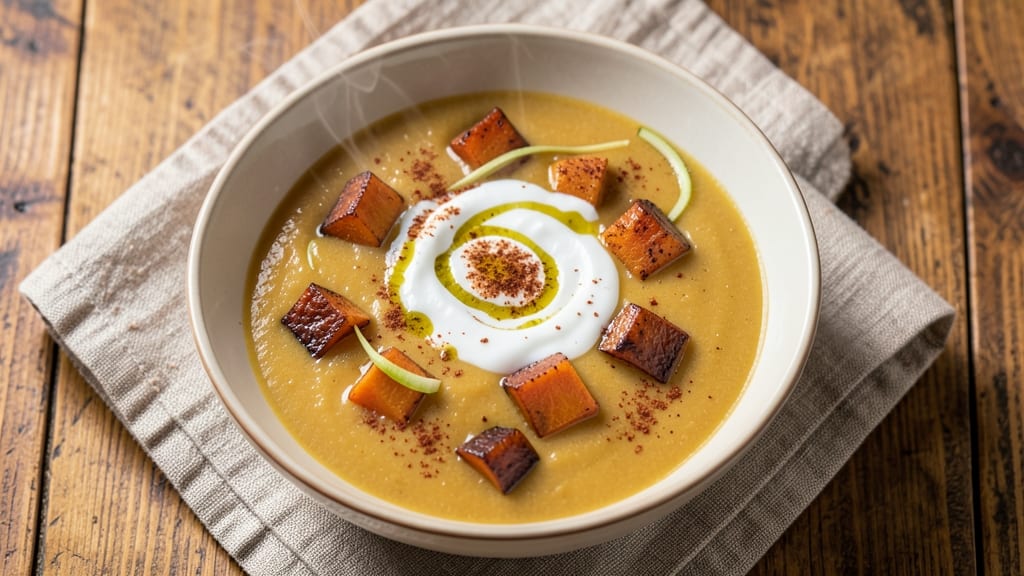
This AIP butternut squash soup delivers velvety, spiced sweetness without dairy—perfect for autoimmune protocol needs. The secret lies in blending roasted squash with coconut milk and compliant spices, creating a naturally creamy texture that feels indulgent yet supports healing.
I developed this recipe after struggling to find AIP-friendly soups that didn’t rely on nightshades or dairy substitutes that compromised flavor.
The beauty of this soup is its simplicity: just five core ingredients transform into a rich, aromatic broth with tender squash and warming spices. Roasting the squash first deepens its natural sweetness, while coconut milk adds creaminess without dairy.
The result is a comforting, nutrient-dense meal that’s gentle on digestion but packed with flavor—ideal for both strict AIP phases and anyone seeking plant-based comfort food.
What makes this recipe stand out is its ability to satisfy cravings while adhering to strict dietary guidelines. The soup’s velvety texture comes from blending, not heavy cream, and the spices—ginger, turmeric, and cinnamon—provide warmth without overpowering.
It’s the kind of dish that feels like a hug in a bowl, especially on chilly days or when you need something nourishing yet easy to digest.
Serve it as-is for a light meal or pair with compliant crackers for added texture. The recipe scales effortlessly, making it perfect for meal prep or sharing with friends following similar dietary needs. Let’s make this healing soup that tastes as good as it feels.
Ingredients for aip butternut squash soup
Five core ingredients transform into velvety, healing AIP butternut squash soup—roasted squash and coconut milk create rich, dairy-free creaminess.
| Ingredient | Amount | Notes |
|---|---|---|
| Medium Butternut Squash 🎃 | 2 lb | Peeled, cubed, roasted first |
| Full-Fat Coconut Milk 🥥 | 13 ½ oz | Canned, unsweetened preferred |
| Fresh Ginger Root 🌿 | 2 tbsp | Grated, peeled, fresh preferred |
| Ground Turmeric 🌶️ | 1 tsp | Freshly ground for potency |
| Ground Cinnamon 🍃 | ½ tsp | Ceylon preferred for purity |
| Extra-Virgin Olive Oil 🫒 | 2 tbsp | For roasting squash |
| Vegetable Broth 💧 | 3 cups | Homemade or AIP-compliant |
| Sea Salt 🧂 | ½ tsp | Diamond Crystal preferred |
| Fresh Thyme Leaves 🌿 | 1 tbsp | Chopped, stems removed |
| Maple Syrup 🍁 | 1 tbsp | Pure, grade B preferred |
The butternut squash is the foundation—organic, local varieties have the deepest flavor. Look for firm squash with no soft spots, and Whole Foods or Trader Joe's carry excellent AIP-compliant options. Roasting first caramelizes the natural sugars, intensifying the sweetness without added sugar. For best results, use a medium-sized squash (2-3 lbs) and cut it into even 1-inch cubes. The coconut milk should be full-fat and unsweetened—Thai Kitchen brand is widely available and AIP-friendly, but check labels for additives. Fresh ginger is non-negotiable here; dried lacks the bright zing this soup needs. If you must use dried, reduce to one-third the amount and toast it lightly in a dry pan first.
No fresh thyme? Dried thyme at one-third the amount works, but fresh is ideal for that bright, herbal note. Running low on maple syrup? Date syrup or coconut sugar are great substitutes, though maple's molasses notes are perfect here. The vegetable broth is critical—Pacific Foods or Imagine brands make excellent AIP-compliant versions. If you're making your own, use carrot, celery, and onion base with no nightshades. For extra richness, add 1 tbsp coconut cream to the finished soup. The turmeric and cinnamon should be freshly ground if possible; spice shops like Penzeys carry high-quality, additive-free versions. If you can't find Ceylon cinnamon, regular cinnamon works but may have slightly different flavor notes.
Store the soup in glass containers for up to 5 days in the fridge—it actually improves overnight as flavors meld. Freeze for up to 3 months by portioning into ice cube trays before transferring to bags. Reheat gently on the stove with a splash of broth to restore creaminess. For meal prep, double the recipe and freeze half—perfect for quick, healing lunches. The roasted squash can be prepped ahead and refrigerated for 3 days before cooking. Always taste before serving; adjust salt or maple syrup as needed—this soup should balance sweet, savory, and earthy notes perfectly.
Why You'll Love This Recipe
- No-Cook Shortcut: I swear by the roasted squash trick—toss chunks in the oven while I chop ginger, then blend everything into velvety perfection. No peeling, no fuss, just that golden, caramelized sweetness from the squash doing all the work.
- Warm Spice Magic: That turmeric-cinnamon-ginger combo? It’s like a cozy hug in a bowl. The coconut milk smooths it out, but the spices linger—earthy, slightly sweet, with a kick that makes you want to sip it slow.
- Meal Prep MVP: Between us, this is my go-to for busy weeks. Make a big batch on Sunday, and you’ve got lunch or dinner covered for days—just reheat with a splash of water. (Yes, even on a Tuesday night.)
- Budget-Friendly Luxury: Butternut squash and coconut milk stretch far, and spices cost pennies. I feed four for under $10, and it still feels like a fancy meal. Honestly, the best kind of treat.
Step-by-step instructions for AIP butternut squash soup
Transform simple ingredients into a velvety, aromatic soup that delivers rich sweetness without dairy.
Roast the Butternut Squash Until Caramelized
Preheat your oven to 400°F and line a baking sheet with parchment paper. Toss the 2 lb medium butternut squash, cut into 1-inch cubes, with 2 tbsp extra-virgin olive oil and 0.5 tsp sea salt. Spread the cubes in a single layer, ensuring they don't overlap.
Roast for 30-35 minutes until the edges are deeply caramelized and a knife slides in easily. The squash should be tender but still hold its shape—over-roasting turns it mushy. This step develops the natural sweetness and creates a rich, caramelized base for your soup.
Sauté Aromatics for Deep Flavor Foundation
While the squash roasts, heat a large pot over medium heat and add 2 tbsp grated fresh ginger root. Sauté for 1-2 minutes until fragrant and just beginning to turn golden—ginger burns quickly, so keep an eye on it. Add 1 tsp ground turmeric and 0.5 tsp ground cinnamon, stirring constantly for 30 seconds to bloom the spices.
This aromatic base is where the soup's complexity begins. The ginger should be lightly toasted, releasing its pungent oils, while the turmeric and cinnamon add warmth without overpowering. Remove the pot from heat and set aside temporarily—we'll return to it after blending.
Blend Roasted Squash with Broth for Silky Texture
Transfer the roasted squash to a high-powered blender or food processor. Add 3 cups vegetable broth, 1 tbsp maple syrup, and 1 tbsp chopped fresh thyme leaves. Blend until completely smooth, scraping down the sides as needed. This step transforms the roasted squash into a velvety purée that forms the soup's body.
If the mixture is too thick after blending, add ½ cup water at a time until you achieve a pourable consistency. The soup should coat the back of a spoon but still be light enough to sip easily. I prefer a slightly thicker texture that intensifies the squash flavor.
Simmer and Infuse with Coconut Milk
Return the blended soup to the pot and bring to a gentle simmer over medium-low heat. Stir in the sautéed aromatics and continue cooking for 5-7 minutes to allow the flavors to meld. The soup should be warm but not boiling—gentle heat preserves the delicate spices and prevents the coconut milk from separating.
Reduce the heat to low and gradually whisk in the 13.5 oz full-fat coconut milk. The coconut milk adds creaminess without dairy, creating that luxurious mouthfeel while keeping the soup AIP-compliant. Stir constantly for 2-3 minutes until fully incorporated and heated through.
Adjust Seasoning and Serve Warm
Taste the soup and adjust seasoning if needed. You may need an additional pinch of sea salt or maple syrup to balance the flavors—this depends on your squash's natural sweetness and the saltiness of your broth. The finished soup should be sweet, aromatic, and subtly spiced with no single flavor dominating.
Ladle the soup into bowls and garnish with an extra sprinkle of fresh thyme leaves for visual appeal. Serve immediately while warm, as the flavors continue to develop as it sits. Each spoonful should deliver a harmonious blend of caramelized squash, spiced warmth, and creamy coconut richness.
Pro Tips For Making Aip Butternut Squash Soup
- ROAST THE SQUASH FIRST: I learned this the hard way—raw butternut squash in soup turns to glue. Roast the squash cubes at 400°F (200°C) for 25-30 minutes until fork-tender, then blend. The caramelization deepens the flavor and makes blending a breeze.
- PEEL GINGER LIKE A PRO: Skip the peeler—use a spoon to scoop off the skin in one smooth motion. Then, slice thinly (about 1/8-inch) and freeze for 10 minutes to soften before blending. This keeps the heat intense without bitterness.
- SIMMER THE COCONUT MILK: Never add full-fat coconut milk straight to hot soup—it splits and curdles. Warm it gently in a separate saucepan until steaming, then whisk it into the soup off heat. This keeps the texture velvety, not greasy.
- TOAST THE SPICES: Dry-toast the turmeric and cinnamon in a small pan over medium heat for 30 seconds until fragrant. Then blend them into the soup with the ginger. This releases their oils, making the soup taste richer without extra spices.
Best sauces and condiments for this recipe
Creamy Coconut Milk Base
The full-fat coconut milk is the secret to this soup’s velvety texture without dairy. I recommend Thai Kitchen brand for its clean ingredients and rich flavor. For extra creaminess, whisk in 1 tbsp coconut cream at the end—it adds a luxurious mouthfeel that feels indulgent.
If you prefer a lighter texture, reduce the coconut milk by 2 oz and add ½ cup extra broth instead. The coconut milk should be warmed gradually to prevent curdling, which is why I suggest stirring constantly over low heat for 2-3 minutes. 🥥
Spiced Maple Syrup Swirl
This maple syrup isn’t just for sweetness—it balances the earthy squash and adds depth. For a smoky twist, stir in ½ tsp apple cider vinegar with the maple syrup before blending. If you’re avoiding sweeteners entirely, omit it and rely on the squash’s natural caramelization.
For a tropical variation, add ½ tsp vanilla extract and ¼ tsp ground cardamom to the sautéed spices. Always taste before serving; the syrup should enhance, not overpower, the squash’s sweetness. 🍁
Fresh Herb Garnishes
Fresh thyme leaves aren’t just for garnish—they add a bright, herbal note that cuts through the richness. For a citrusy finish, float 2 thin slices of orange peel on top before serving. If thyme isn’t available, fresh basil or cilantro work in a pinch (though they’re not AIP-compliant).
For a crunchy contrast, sprinkle toasted coconut flakes (unsweetened) on top—just 1 tbsp per bowl adds texture without compromising the diet. 🌿
Warming Spice Blend
The turmeric and cinnamon are non-negotiable for their anti-inflammatory benefits, but you can tweak the ratio. For a milder flavor, reduce cinnamon to ¼ tsp and add ½ tsp ground coriander instead.
If you love heat, stir in ¼ tsp freshly grated ginger at the end for a zesty kick. For a winter spice twist, add ¼ tsp ground cloves (sparingly—it’s strong!). Always toast spices lightly in the pot first to release their aromas. 🌶️
Broth Boosters
The vegetable broth is the soup’s backbone, so quality matters. For extra depth, use ½ cup carrot juice instead of some of the broth—it adds natural sweetness. If you’re making your own broth, simmer 1 chopped onion, 2 carrots, and 2 celery stalks in water for 30 minutes before straining.
For a umami boost, stir in 1 tsp coconut aminos at the end (check for AIP compliance). The broth should be salted to taste before blending to avoid over-salting later. 💧
Nutrition facts
Frequently asked questions
Can I use sweet potatoes instead of butternut squash in this AIP soup?
You can substitute sweet potatoes, but the flavor and texture will differ. Sweet potatoes have a denser, slightly earthier taste and won't caramelize as beautifully when roasted. For best results, use 1.5 lbs sweet potato instead of butternut squash and reduce the roasting time to 25-30 minutes. The soup will still be creamy, but the natural sweetness will be more pronounced.
How do I make this soup thicker or thinner?
For a thicker soup, simmer uncovered for 5-10 extra minutes to reduce the liquid. Need it thinner? Stir in ½ cup vegetable broth at a time until you reach your desired consistency. If using coconut milk for creaminess, always warm it gradually to prevent curdling. The ideal texture should coat the back of a spoon but remain light enough to sip.
Is this soup safe for AIP beginners?
Yes, this recipe is fully compliant with the Autoimmune Protocol as written. It contains no nightshades, nuts, seeds, legumes, or dairy. The coconut milk provides creaminess without dairy, and all spices used are AIP-approved. Always double-check your specific AIP phase guidelines, as individual tolerances may vary.
Can I prep this soup ahead of time for meal prep?
Store the finished soup in glass containers in the refrigerator for up to 5 days or freeze for 3 months. For best results, reheat gently on the stove with a splash of broth to restore creaminess. The flavors actually improve overnight as the spices meld. Portion into individual servings before freezing for easy grab-and-go meals.
What's the best way to reheat leftovers without breaking the texture?
Reheat leftovers on the stove over low heat and stir frequently to prevent separation. If the soup appears too thick after reheating, add 1-2 tbsp coconut milk or broth to restore creaminess. Microwaving can cause the coconut milk to separate, so stove-top reheating is always preferred. For extra richness, whisk in ½ tsp coconut cream at the end.