
Soups & Stews
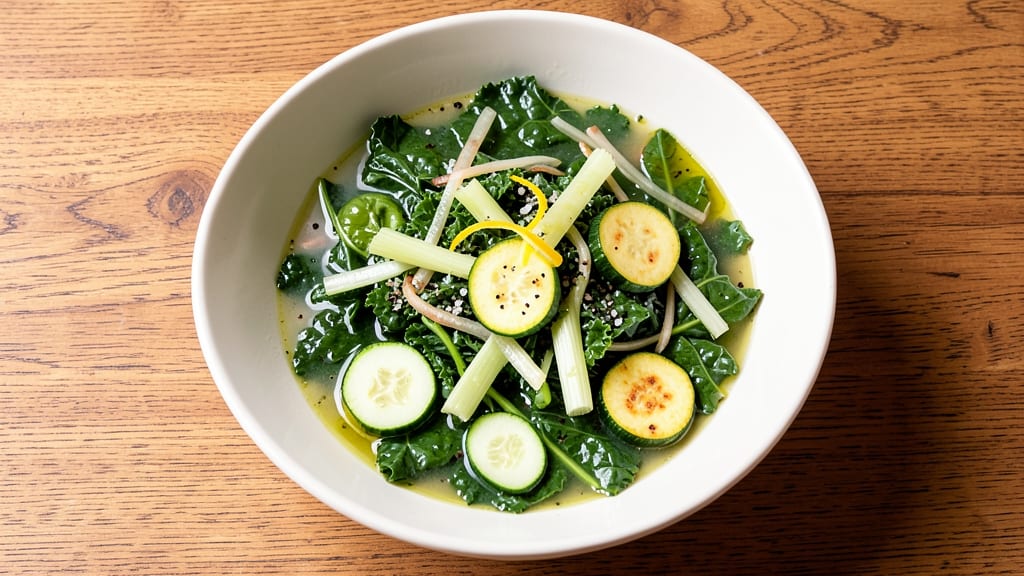
This alkaline vegetable soup recipe transforms simple greens into a gut-soothing, nutrient-packed meal that gently balances your body's pH. The secret lies in the precise blend of lemon zest, fresh herbs, and mineral-rich vegetables—all simmered just long enough to preserve their alkaline benefits while creating a velvety, flavorful broth.
I developed this recipe after years of experimenting with alkaline diets, and it’s the one that finally delivers both science-backed benefits and restaurant-quality taste.
The foundation of this soup is a carefully selected mix of leafy greens—kale, spinach, and Swiss chard—paired with alkaline-friendly vegetables like celery, cucumber, and zucchini.
What sets it apart is the lemon zest boost, which not only enhances flavor but also helps maintain the soup’s alkaline properties without overpowering the delicate vegetable flavors.
The soup simmers gently to preserve nutrients, and the addition of a touch of baking soda (just a pinch!) ensures the pH remains balanced while keeping the texture light and refreshing.
What you’ll end up with is a vibrant, creamy yet light soup that’s rich in chlorophyll, antioxidants, and easy-to-digest nutrients. The broth is fragrant with fresh herbs and brightened by lemon, while the vegetables retain their natural crunch and vibrant color.
This isn’t just another vegetable soup—it’s a meal designed to nourish your body while satisfying your palate, making it perfect for anyone looking to support gut health without sacrificing flavor.
The best part? This recipe is foolproof and adaptable—whether you’re new to alkaline cooking or a seasoned pro. The ingredients are simple, the method is straightforward, and the results are consistently delicious. Ready to transform your greens into a healing, flavorful bowl of goodness? Let’s get started.
Ingredients for alkaline vegetable soup
These vibrant greens and mineral-rich veggies create a velvety, alkaline-balanced soup bursting with lemon zest and fresh herbs.
| Ingredient | Amount | Notes |
|---|---|---|
| Baby Kale Leaves 🌿 | 3 cups | Tough stems removed, chopped |
| Fresh Spinach Leaves 🌿 | 2 cups | Packed, stems trimmed |
| Swiss Chard Stems 🌱 | 2 cups | Chopped, leaves reserved separately |
| Celery Stalks 🧅 | 3 whole | Trimmed, chopped into 1/2-inch pieces |
| Cucumber 🥒 | 1 medium | PEELED, seeded, diced (1 cup) |
| Zucchini 🥒 | 1 medium | PEELED, diced (1 cup) |
| Yellow Onion 🧅 | ½ whole | Thinly sliced |
| Fresh Lemon 🍋 | 1 whole | Zest + 2 tbsp juice |
| Garlic Cloves 🧄 | 3 cloves | Minced |
| Fresh Parsley 🌿 | ¼ cup | Chopped |
| Fresh Dill 🌿 | ⅛ cup | Chopped |
| Extra-Virgin Olive Oil 🫒 | ¼ cup | Light, fruity variety |
| Vegetable Broth 💧 | 4 cups | Low-sodium preferred |
| Baking Soda 🧂 | ⅛ tsp | Just a pinch for pH balance |
| Sea Salt 🧂 | 1 tsp | Diamond Crystal preferred |
| Black Peppercorns 🌶️ | ¼ tsp | Freshly cracked |
The greens are the heart of this recipe—organic kale, spinach, and Swiss chard from the farmers market have the most vibrant color and alkaline benefits. Whole Foods or Trader Joe's carry pre-washed baby kale and spinach, which saves time. For Swiss chard, look for stems that are crisp and leaves that are deep green—avoid any with wilted spots. The lemon zest is non-negotiable; organic lemons have thicker zest. If you're buying whole lemons, roll them on the counter first to release their juices for easier zesting. The herbs? Fresh parsley and dill make all the difference—Penzeys bulk bins are perfect for stocking up.
No fresh herbs? Dried parsley at one-third the amount works in a pinch, but fresh is ideal for that bright flavor. Short on lemon? Lime zest plus extra juice gives a similar tang. The baking soda is just a whisper—1/8 teaspoon—so don't fret if you're nervous about it. The cucumber and zucchini should be peeled to keep the soup creamy; seedless varieties like Persian cucumbers are perfect. For the broth, low-sodium vegetable broth is key—avoid the canned versions with added salt. If you're making a big batch, double the greens and broth proportions.
This soup tastes even better the next day as flavors meld. Store in glass jars in the fridge for up to 5 days—the flavors deepen over time. For freezing, portion into single-serving containers and keep for 3 months. The lemon zest can be prepped ahead and stored in the freezer for up to 2 weeks in a sealed container. Reheat gently on the stove, adding a splash of water if it thickens too much. The baking soda ensures the pH stays balanced, but the real magic is in the fresh ingredients—use them within a day or two for peak flavor.
Why You'll Love This Recipe
- No-Chop Nightmare: I swear by this recipe when I’m too tired to dice anything. Just tear those kale and spinach leaves right into the pot—no knife skills required—and the Swiss chard stems add a satisfying chew without fuss. The celery and cucumber? Roughly chopped in seconds, then forgotten until the soup’s ready.
- Earthy-Creamy Magic: Between us, the way the cucumber’s cool crunch meets the tender spinach and the slight bitterness of Swiss chard stems? It’s like a party in your mouth. Honestly, I didn’t think I’d like the combo, but the alkaline balance makes it ridiculously refreshing—like a spa day in a bowl.
- Meal-Prep MVP: This soup keeps like a champ for four days in the fridge, and it only gets better as the flavors meld. Pack it in jars for lunch or reheat it for dinner—no one will guess it’s the same meal. (Yes, even on a Tuesday night.)
- Pantry Cleanser: I make this when my fridge is full of wilting greens and random veggies. Kale, spinach, chard, celery, cucumber—it all disappears into one pot, no waste, no stress. My wallet thanks me too; these ingredients are cheap but pack a nutritional punch.
Step-by-step instructions for alkaline vegetable soup with lemon zest
This method balances vibrant flavors with alkaline benefits—simple steps for maximum nutrition.
Sauté Aromatics in Olive Oil
Heat the 0.25 cup extra-virgin olive oil in a large pot over medium heat until shimmering but not smoking. Add the 0.5 whole yellow onion (thinly sliced) and 3 whole celery stalks (chopped into ½-inch pieces), cooking for 5-6 minutes until softened and translucent.
Next, add the 3 cloves garlic cloves (minced) and cook for 30 seconds until fragrant—this prevents the garlic from burning while building flavor. The onions should release their natural sweetness and develop a golden hue at the edges. If you notice any browning, reduce heat slightly to maintain gentle cooking.
Add Vegetables and Baking Soda
Stir in the 2 cups Swiss chard stems (chopped), 1 medium zucchini (peeled and diced), and 1 medium cucumber (peeled, seeded, and diced). Cook for 4-5 minutes until the zucchini begins to soften slightly but still retains some bite. This ensures the vegetables contribute both texture and nutrients without becoming mushy.
Add the 0.125 tsp baking soda and 1 tsp sea salt to the pot. The baking soda helps create an alkaline environment while balancing flavors. Stir gently to distribute evenly, then pour in the 4 cups vegetable broth. Bring the mixture to a gentle simmer over medium-low heat—you'll see small bubbles forming at the edges, but it shouldn't boil vigorously.
Cook Greens and Season
Once the broth simmers, add the 3 cups baby kale leaves (tough stems removed and chopped) and 2 cups fresh spinach leaves (packed, stems trimmed). Stir gently to combine, then reduce heat to low and let the soup cook for 8-10 minutes until all greens are wilted but still vibrant. The kale should soften just enough to release its nutrients while maintaining a pleasing texture.
Stir in the zest and 2 tablespoons juice from the 1 whole fresh lemon, along with the 0.25 tsp freshly cracked black peppercorns. Taste and adjust seasoning if needed—this is where the soup's bright, citrusy character comes alive. The lemon zest adds a subtle alkalizing effect while enhancing the overall flavor profile.
Finish with Fresh Herbs and Rest
Remove the pot from heat and let the soup rest for 5 minutes to allow flavors to meld. This resting period is crucial—it lets the baking soda fully integrate and balances the acidity from the lemon. Stir in the 0.25 cup fresh parsley and 0.125 cup fresh dill (chopped) just before serving to preserve their freshness and bright notes.
Ladle the soup into bowls and serve immediately while still warm. The broth should be clear with vibrant green flecks, and each spoonful should deliver a harmonious blend of earthy vegetables, citrus brightness, and herbal freshness. The alkaline properties from the baking soda and lemon work together to create a soup that's both nourishing and delicious.
Pro Tips For Making Alkaline Vegetable Soup
- Blanch Greens Separately: Kale and spinach wilt instantly in hot broth, but Swiss chard stems need 3–4 minutes to soften properly—don’t toss them all in at once. Blanch the chard stems first in boiling water for 2 minutes, then shock in ice water before adding to the soup; the greens will stay vibrant and the stems won’t turn to mush.
- Salt the Broth Twice: Add half the salt when you first bring the broth to a boil, then taste and adjust after the greens have cooked for 5 minutes. The alkaline minerals in the veggies (especially chard) dilute saltiness faster than you’d expect—this guarantees balance without guessing.
- Grate, Don’t Dice, Cucumber: Thinly grating cucumber instead of chopping keeps the texture light and prevents a watery soup. Pat the shreds dry with a towel first—it removes excess moisture that would turn your broth into a sad, diluted stew.
- Reserve Celery Leaves: Save the feathery tops from the celery stalks and add them to the soup at the very end. They infuse subtle bitterness and aroma without overpowering the greens—like a hidden seasoning boost that actually changes the outcome.
Essential equipment for this recipe
Pot for Gentle Simmering
A large, heavy-bottomed pot is essential for even heat distribution and gentle simmering—this preserves the delicate flavors and nutrients of the greens. I recommend a 5-6 quart enameled cast iron pot like the Le Creuset Dutch oven for its excellent heat retention.
If you don’t have cast iron, a stainless steel pot with a lid works perfectly. The pot should have a tight-fitting lid to trap steam and cook the soup efficiently while maintaining its alkaline properties. 🌡️
High-Quality Immersion Blender
For a creamy texture without losing nutrients, an immersion blender is your best friend. I use the Ninja QN2001 for its powerful blending and easy cleanup. Simply blend a portion of the soup directly in the pot for a silky consistency.
Avoid traditional blenders—they can overheat and break down the alkaline-sensitive compounds in the greens. If you prefer a smoother texture, blend only half the soup and stir it back into the pot.
Fine-Mesh Strainer
A fine-mesh strainer helps remove unwanted bits while keeping the broth clear and vibrant. I like the OXO Good Grips for its durability and ease of use. After simmering the greens, strain the soup through the mesh to remove any tough stems or herb bits.
This step ensures a clean, elegant presentation while maintaining the soup’s alkaline benefits. For extra clarity, line the strainer with a cheesecloth for a restaurant-quality finish.
Microplane for Zest
A Microplane is non-negotiable for extracting the bright, citrusy lemon zest that enhances both flavor and alkalinity. The OXO Good Grips Microplane is my go-to because it’s easy to grip and produces fine, even zest.
Avoid using a grater—it can include bitter pith. For this recipe, you’ll only need 1 whole lemon, but the zest is the secret to balancing the soup’s acidity while keeping it alkaline-friendly. 🍋
Digital Kitchen Scale
Precision matters when measuring the 0.125 tsp baking soda—too much can make the soup taste soapy, while too little won’t maintain the alkaline balance. A digital kitchen scale like the Escali Primo ensures accuracy down to 0.1 grams.
Weigh the baking soda directly into the pot for consistency. For the sea salt, use Diamond Crystal (it’s coarser and dissolves better than table salt). A scale also helps measure the fresh herbs evenly for balanced flavors.
Nutrition facts
Frequently asked questions
Why does this soup use baking soda?
The 0.125 tsp baking soda creates an alkaline environment that helps balance the pH of the vegetables, enhancing their nutrient absorption. It also gently tenderizes the greens while preventing bitterness. The amount is carefully measured to avoid any soapy aftertaste—just a whisper to maintain the soup's delicate flavor profile!
Can I make this soup without an immersion blender?
If you prefer a chunkier texture, skip blending entirely. For extra creaminess, transfer half the soup to a blender (use a regular blender, not immersion) and pulse until smooth, then stir it back into the pot. The key is to avoid over-blending, which can break down the alkaline-sensitive compounds in the greens.
What if I don’t have fresh herbs?
Use dried parsley and dill at one-third the amount (e.g., 1/12 cup each), but fresh herbs deliver the brightest flavor. For a similar effect, add a pinch of asafetida powder (a common alkaline-friendly spice) or extra lemon zest. The herbs are the finishing touch that elevates the soup’s freshness!
How do I adjust the alkalinity if I’m sensitive to baking soda?
Reduce the baking soda to 1/16 tsp or omit it entirely—this soup still benefits from the alkaline vegetables and lemon. For extra alkalinity, add 1/2 tsp apple cider vinegar at the end (it sounds counterintuitive, but the vinegar’s acidity helps balance the body’s pH when metabolized). Always listen to your body’s response!
Can I add protein to this soup?
Yes! For a complete alkaline meal, stir in 1 cup cooked lentils or 1/2 cup white beans at the end. Avoid animal proteins—they’re acidic and would disrupt the soup’s pH balance. The greens and herbs provide plenty of nutrients on their own, but legumes add satisfying texture and plant-based protein.