
Soups & Stews
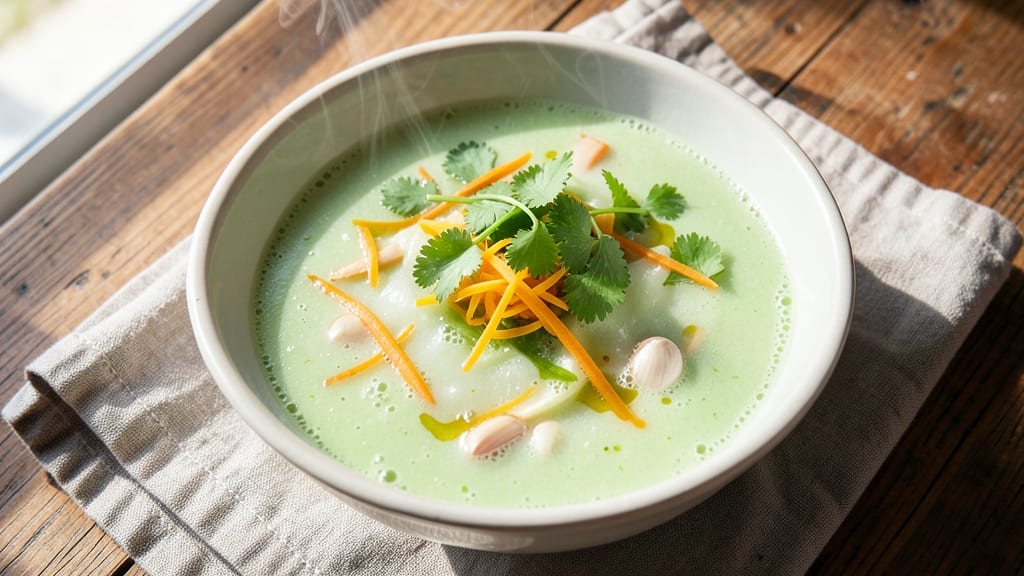
This aloe vera soup recipe transforms a tropical plant into a soothing, nutrient-packed dish that’s as refreshing as it is nourishing. 💧 The secret lies in balancing aloe’s natural cooling properties with aromatic ginger, garlic, and turmeric—a combination that’s both immune-boosting and deeply comforting.
I first discovered this recipe while researching traditional Asian soups, where aloe is often used for its detoxifying and hydrating benefits.
The beauty of this soup lies in its simplicity: just 15 minutes of prep followed by a gentle 20-minute simmer yields a velvety broth infused with aloe’s mild sweetness and earthy depth.
The key technique is properly preparing the aloe—peeling away the outer skin and dicing the gel to avoid bitterness—so it blends seamlessly into the broth without overpowering the other flavors.
What you’ll end up with is a vibrant, golden soup that’s light yet satisfying, perfect for hot days or whenever you need a digestive reset. The aloe adds a subtle floral note, while the ginger and turmeric bring warmth and anti-inflammatory benefits.
It’s the kind of dish that feels both indulgent and health-focused—a rare balance that’s hard to find in modern cooking.
Serve it chilled for a refreshing summer meal or slightly warmed for a cozy winter treat. Garnish with fresh cilantro, a drizzle of coconut milk, or a sprinkle of chili flakes to customize the flavor. Let’s make this nourishing soup!
Ingredients for aloe vera soup
Aloe vera's cooling gel meets aromatic ginger and turmeric in this vibrant, hydrating soup.
| Ingredient | Amount | Notes |
|---|---|---|
| Fresh Aloe Vera Gel 🌱 | 1 cup | Peel outer skin, dice gel |
| Fresh Ginger Root 🧄 | ½ cup | Peeled, grated or finely chopped |
| Garlic Cloves 🧄 | 4 cloves | Peeled, minced |
| Fresh Turmeric Root 🌿 | 1 tbsp | Grated or finely chopped |
| Vegetable Broth 💧 | 4 cups | Low-sodium preferred |
| Fresh Cilantro Leaves 🌿 | ¼ cup | Chopped for garnish |
| Fresh Lemongrass 🌿 | 3 pieces | Bruised, cut into 1-inch pieces |
| Lime Juice 🍋 | 2 tbsp | Freshly squeezed |
| Extra-Virgin Olive Oil 🫒 | 2 tbsp | For sautéing |
| Coconut Milk 🥥 | ¼ cup | Full-fat for creaminess |
| Red Chili Flakes 🌶️ | ½ tsp | Adjust for heat preference |
| Sea Salt 🧂 | 1 tsp | Diamond Crystal preferred |
| Black Peppercorns 🌶️ | ¼ tsp | Freshly ground |
| Fresh Coconut Water 💧 | ½ cup | For added hydration |
The aloe vera gel is the heart of this soup—look for thick, clear gel from mature leaves. Whole Foods or Asian markets often carry fresh aloe vera in the produce section, or you can grow your own plant. The gel should be bright green and free of yellow bits, which indicate bitterness. For the ginger, fresh root is non-negotiable—powdered lacks the complexity. Turmeric root, while harder to find, has a more potent flavor than powder; Indian or Middle Eastern markets usually stock it. Lemongrass is another key player—bruise the stalks gently before cutting to release their citrusy aroma.
No fresh lemongrass? Substitute 1 tbsp lemongrass paste (found in Asian markets) or double the lime juice for brightness. Running low on coconut milk? Full-fat cashew cream works beautifully—just blend soaked cashews with water. The aloe vera can be replaced with 1 cup cucumber juice if unavailable, though it’ll lack the unique floral depth. For extra protein, stir in 1 cup cooked chickpeas at the end. The vegetable broth should be rich but not salty—Homemade or low-sodium store brands are ideal, but don’t stress if you can’t find either.
This soup thrives on freshness but keeps well. Store in an airtight container for 3-4 days in the fridge, though the aloe vera’s texture softens over time. For longer storage, freeze portions for up to 3 months—the flavors actually meld beautifully. Garnish with fresh cilantro and a drizzle of coconut milk just before serving. The soup’s delicate balance means it’s best enjoyed within 24 hours of making, but the broth alone can be reheated for up to 5 days.
Why You'll Love This Recipe
- Five-Ingredient Magic: I swear by this—just peel the aloe, grate ginger, mince garlic, and toss it all in. No chopping mountains of veggies, no blender battles, just one pot that smells like a spa day by dinner.
- Ginger-Garlic Zing: That fresh turmeric and ginger? It’s alive in your mouth—warm, slightly spicy, with garlic cutting through like a whisper. Honestly, the broth becomes this golden, aromatic hug you didn’t know you needed.
- Weeknight & Meal Prep: Make a double batch on Sunday, and you’ve got lunch for three days. The aloe keeps it light, the broth stays rich, and reheating? Just stir and sigh with relief—no sad, watery leftovers here.
- Budget Brightener: Turmeric and ginger are dirt cheap, and a single aloe plant lasts forever. I’ve turned this into a $5-a-serving staple when grocery bills get tight—still tastes like you spent hours, though.
Step-by-step instructions for aloe vera soup
Transform fresh aloe vera into a vibrant, hydrating soup with bold tropical flavors and soothing properties.
🍳 Step 1: Sauté Aromatics Until Fragrant
Heat the 2 tablespoons extra-virgin olive oil in a large pot over medium heat. Add the 3 pieces bruised lemongrass, 4 minced garlic cloves, and 0.5 cup grated fresh ginger root. Sauté for 3-4 minutes until the ginger becomes aromatic and the garlic turns golden.
Here's the thing—don't rush this step. You want those aromatics to soften and release their oils, which form the flavor base. The ginger should smell bright and zesty, while the garlic should transition from raw to sweet and nutty. If it starts to brown too quickly, reduce heat slightly to medium-low and continue cooking gently.
🍳 Step 2: Add Turmeric and Toast for Depth
Stir in the 1 tablespoon grated fresh turmeric root and cook for an additional 1 minute until it darkens slightly and releases its earthy aroma. This step develops the turmeric's natural compounds, giving your soup that signature golden hue and anti-inflammatory properties.
Watch for visual cues—the turmeric should look slightly darker and more vibrant. If it burns, you've gone too far. The goal is to activate the spice without charring it. This is where the soup gets its complex flavor profile, so don't skip this brief but crucial toasting step.
🥘 Step 3: Build the Soup Base
Pour in the 4 cups vegetable broth and bring to a gentle boil. Reduce heat to medium-low and add the 1 cup fresh aloe vera gel (previously diced). Stir gently to combine, then reduce heat to low and simmer for 10 minutes until the aloe vera softens slightly and the flavors meld together.
This is the moment that matters: the aloe vera needs time to release its cooling properties while absorbing the aromatic flavors. You'll notice the soup develop a subtle sweetness from the aloe vera and a gentle warmth from the ginger and turmeric. If it looks too thick, add ½ cup water to maintain proper consistency.
🥘 Step 4: Finish with Creamy and Tangy Elements
Remove the pot from heat and stir in the 0.25 cup coconut milk, 0.5 cup fresh coconut water, 2 tablespoons lime juice, 0.5 teaspoon red chili flakes, 1 teaspoon sea salt, and 0.25 teaspoon freshly ground black peppercorns. The coconut milk adds creaminess while the lime juice brightens the entire dish.
Taste and adjust seasoning—this is where you can personalize the heat level. If you prefer more spice, add an extra pinch of chili flakes. For extra brightness, add more lime juice. The soup should balance cooling aloe vera with warming spices and tangy citrus. Let it sit for 5 minutes to allow flavors to fully integrate.
🍽️ Step 5: Garnish and Serve Immediately
Ladle the soup into bowls and garnish each serving with 1 tablespoon chopped fresh cilantro leaves. The cilantro adds a fresh, herbaceous note that cuts through the richness of the coconut milk. Serve warm or at room temperature for optimal hydration benefits.
Real talk: this soup tastes even better the next day as the flavors continue to develop. The aloe vera's natural sweetness becomes more pronounced, while the spices deepen. Store leftovers in an airtight container in the refrigerator for up to 3 days, though I rarely have any left that long—it's that good.
Pro Tips For Making Aloe Vera Soup
- BLEACH THE ALOE RIGHT: I learned this the hard way—raw aloe gel has a bitter latex layer that ruins the soup. Rinse the gel thoroughly after scooping, then soak it in cold water with a splash of white vinegar (1:3 ratio) for 10 minutes to neutralize any lingering bitterness. Drain well before using, or your soup will taste like medicine.
- GRATE GINGER FINE: Skip the pre-grated jar—fresh ginger loses its punch when finely chopped. Use a microplane or the smallest holes on a box grater, then immediately add it to the broth while it’s simmering. This keeps the heat intact and prevents it from turning mushy, which happens faster than you’d think.
- LOW AND SLOW: Aloe soup needs time to marry flavors, but don’t let it boil vigorously. Once the broth comes to a gentle simmer, reduce to the lowest heat possible—just enough to keep tiny bubbles breaking the surface. High heat turns the aloe slimy and dulls the turmeric’s golden color.
- TOAST THE SPICES FIRST: Dry-toast the whole turmeric root and garlic cloves in a separate pan over medium heat for 1-2 minutes until fragrant. This deepens their flavor and cuts through the aloe’s natural sweetness. Crush them lightly with the back of a knife before adding to the broth—no need to pulverize, just wake up those oils.
Creative variations of this aloe vera soup
Tropical Fusion Twist
Add ½ cup diced mango and ¼ cup shredded coconut to the finished soup for a Hawaiian-inspired variation. The mango adds natural sweetness that complements the aloe vera's floral notes, while toasted coconut brings a subtle caramelized depth.
Simmer the fruit with the broth for 5 minutes before blending—this ensures the flavors meld perfectly. Garnish with extra toasted coconut flakes for texture. 🥭
Spicy Thai-Inspired
Transform this soup into a Thai-inspired curry by adding 1 tbsp red curry paste (like Maesri) when sautéing the aromatics. Stir in 1 cup light coconut milk after simmering the aloe vera, then finish with 1 tsp fish sauce (or soy sauce for vegan) and 1 lime wedge.
Top with fresh Thai basil and crispy shallots for an authentic touch. The heat from the curry paste enhances the aloe vera's cooling properties beautifully. 🌶️
Creamy Avocado Version
Blend in ½ ripe avocado with the coconut milk for a richer, velvety texture. The avocado adds healthy fats that enhance the soup's creaminess while providing extra nutrients. For extra depth, add ½ tsp ground cumin during the sautéing step.
This version works especially well when served chilled—perfect for hot summer days. The avocado also helps balance the aloe vera's natural bitterness if using less-than-perfect gel. 🥑
Immune-Boosting Ginger-Turmeric Shot
Strain the soup after simmering and reduce it by half to create a concentrated aloe vera-ginger-turmeric shot. Add ½ tsp black pepper (to enhance turmeric absorption) and 1 tsp raw honey for sweetness. Store in small jars and keep in the fridge for up to 5 days.
This shot is perfect for morning hydration or post-workout recovery. The aloe vera's anti-inflammatory properties combine with ginger's digestive benefits in one powerful sip. 💧
Protein-Packed Chickpea Boost
Add 1 cup cooked chickpeas during the final 5 minutes of simmering to bulk up the soup with plant-based protein. The chickpeas absorb the flavors beautifully while adding a satisfying heartiness. For extra texture, toast 1 tbsp cumin seeds in the olive oil at the beginning.
This version makes a complete meal that's perfect for lunch or dinner. The chickpeas also help balance the soup's natural sweetness. 🌱
Nutrition facts
Frequently asked questions
Why does aloe vera soup taste bitter?
Bitter aloe vera usually means you used the yellow latex layer beneath the skin rather than the clear gel. Always peel away the outer skin and any yellow parts—only the clear gel should be used. If you accidentally include some yellow, strain the soup before serving or blend it with coconut milk to mask the bitterness.
Can I use powdered aloe vera instead of fresh?
Fresh aloe vera gel works best for this recipe because it provides the authentic texture and flavor. Powdered aloe vera can be used as a substitute, but you'll need 1-2 tablespoons (about 10-15g) and it may alter the soup's consistency slightly. The powder lacks the natural sweetness and cooling properties of fresh gel, so add extra lime juice or coconut milk to compensate.
How do I store leftover aloe vera soup?
Store in an airtight container in the fridge for up to 3-4 days. The aloe vera's texture softens over time, but the flavors actually deepen. For longer storage, freeze portions for up to 3 months. To reheat, warm gently on the stove or microwave until steaming, then stir in a splash of coconut water to restore creaminess.
Is this soup safe for people with sensitive stomachs?
Yes, this aloe vera soup is gentle on digestion thanks to its anti-inflammatory ingredients. The ginger and turmeric aid digestion, while the aloe vera soothes the stomach lining. However, if you're new to aloe vera, start with a small portion to test tolerance. Avoid if you have a latex allergy, as aloe vera belongs to the lily family.
Can I make this soup without coconut milk?
For a dairy-free alternative, use ½ cup cashew cream (blend soaked cashews with water) or ¼ cup silken tofu puree for creaminess. If you prefer a lighter texture, simply omit the coconut milk and add an extra ½ cup vegetable broth to maintain balance. The soup will still be flavorful, just slightly less rich.