
Soups & Stews
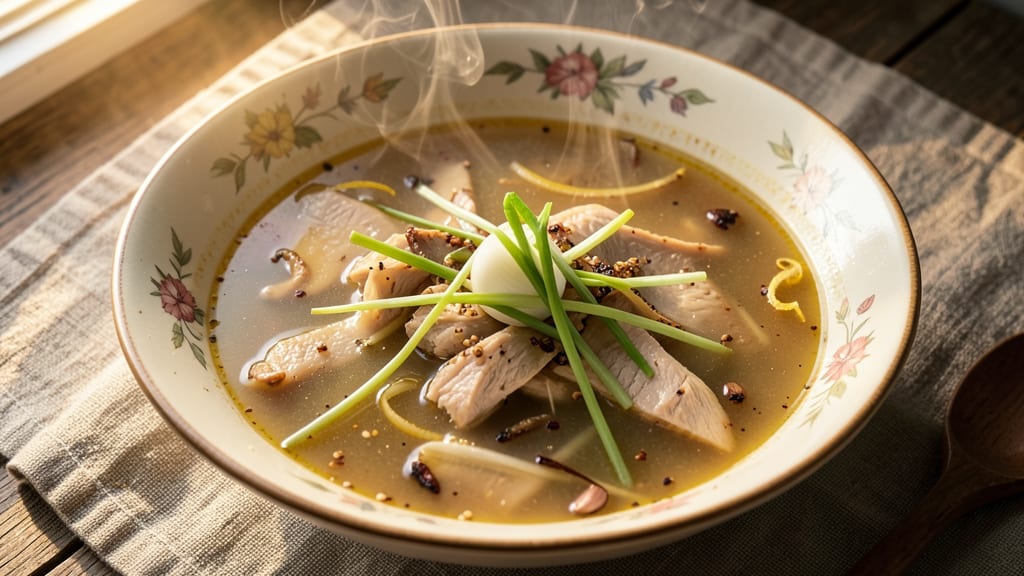
This American ginseng soup transforms earthy herbal roots into a velvety, comforting dish with silky noodles and deep umami notes. 🌿 Unlike traditional Asian versions, this recipe balances ginseng's medicinal warmth with approachable techniques—perfect for modern kitchens.
The key lies in proper ginseng preparation (sliced or dried) and a slow-simmered broth that extracts its subtle sweetness without bitterness.
The foundation begins with a rich chicken or vegetable broth, where ginseng infuses for 30 minutes before adding aromatic vegetables like ginger, garlic, and scallions. This method ensures the root's health benefits—adaptogenic energy and immune support—remain intact while creating a harmonious flavor profile.
The addition of udon or rice noodles transforms it into a satisfying, textured meal.
What sets this apart is its adaptability: use wild-harvested ginseng for deeper flavor (with proper sourcing) or store-bought slices for convenience. The result is a soup that's both nourishing and restaurant-worthy, with a delicate balance of herbal depth and comforting familiarity.
Garnish with sesame oil and green onions to elevate its visual appeal.
Ideal for chilly evenings or as a restorative meal, this soup bridges cultural traditions with everyday cooking. Whether you're exploring herbal cuisine or seeking a lighter broth, this recipe delivers warmth in every spoonful—without requiring specialized techniques. Let's begin with the broth preparation.
Ingredients for american ginseng soup
Earthy ginseng meets aromatic broths and silky noodles for a nourishing, restaurant-worthy dish.
| Ingredient | Amount | Notes |
|---|---|---|
| American Ginseng Root 🌿 | 1 oz | Freshly sliced or dried slices |
| Chicken Broth 💧 | 4 cups | Homemade or high-quality store-bought |
| Vegetable Broth 🥕 | 2 cups | For vegetarian adaptation |
| Fresh Ginger 🧄 | 2 tbsp | Finely grated, aromatic |
| Garlic Cloves 🧄 | 3 cloves | Minced, for aromatic depth |
| Green Onions 🧅 | ¼ cup | Thinly sliced, for garnish |
| Udon Noodles 🍜 | 8 oz | Or rice noodles for lighter texture |
| Sesame Oil 🫒 | 1 tbsp | Toasted, for finishing |
| Low-Sodium Soy Sauce 🥢 | 1 tbsp | For umami balance |
| Honey 🍯 | 1 tsp | Optional, to balance earthiness |
| Salt 🧂 | ½ tsp | Diamond Crystal preferred |
| Black Pepper 🌶️ | ¼ tsp | Freshly ground for warmth |
| White Miso Paste 🍶 | 1 tbsp | For depth, optional |
| Shiitake Mushrooms 🍄 | 4 whole | Sliced, for umami richness |
| Lime Juice 🍋 | 1 tsp | Freshly squeezed, for brightness |
The ginseng is the soul of this soup. For optimal flavor, source American ginseng root from reputable herbal suppliers like Mountain Rose Herbs or specialty Asian markets—look for thick, firm slices with minimal dust. Dried ginseng works too, but it requires longer infusion (45 minutes vs. 30). The shiitake mushrooms amplify umami; fresh or rehydrated dried both work, but avoid canned mushrooms with added salt. Fresh ginger and garlic should be vibrant—no shriveled roots here. For broth, homemade chicken broth delivers the deepest flavor, but Pacific Foods or Imagine brands offer reliable store-bought options.
No fresh ginseng? Dried slices steeped in hot water for 15 minutes work as a substitute, though flavor intensity will differ. Swap chicken broth for vegetable broth for vegetarian adaptation, but add an extra 1 tbsp miso paste to compensate for lost umami. The udon noodles can be replaced with rice noodles or soba noodles—just adjust cooking time per package instructions. For a sweeter profile, maple syrup replaces honey. The sesame oil is non-negotiable for finishing—toasted, not refined—and a few drops of chili oil add subtle heat if desired.
Ginseng-infused broth keeps for 5 days refrigerated or 3 months frozen in airtight containers. Store cooked noodles separately to maintain texture. For meal prep, assemble the soup fresh but store components separately—reheat broth and noodles separately, then combine. Garnish with fresh green onions and a drizzle of sesame oil just before serving. The soup's adaptogenic benefits peak when consumed within 2 days of preparation, though flavor remains stable for 4 days refrigerated.
Why You'll Love This Recipe
- Ginseng in Minutes: I swear, this soup takes less time than waiting for takeout. Simmer the root with broth and ginger—no chopping, no fuss—just let it meld into something warm and earthy while you handle the rest of dinner.
- Earthy-Garlicky Magic: That first spoonful? Chef’s kiss. The American ginseng adds a deep, slightly sweet warmth, while the garlic and fresh ginger punch through like a cozy hug. It’s the kind of flavor that makes you want to linger at the table.
- Weeknight to Potluck: Make a big batch on Sunday—it reheats like a dream—and bring it to work or a gathering. The broth base keeps it hearty, and the ginseng’s natural richness means it tastes just as good cold the next day.
- Budget-Boosting Powerhouse: Ginseng root lasts forever if stored right, and broth stretches for multiple meals. Honestly? This is my go-to when I’m pinching pennies but still want something that feels special—not sad leftovers.
Step-by-step instructions for American ginseng soup
Master this earthy, aromatic soup with perfect balance of herbal depth and umami richness.
🍳 Step 1: Infuse the Broth with Ginseng and Aromatics
In a large pot, combine the 4 cups chicken broth and 2 cups vegetable broth. Bring to a gentle simmer over medium heat. Add the 1 oz American ginseng root (sliced if fresh, whole if dried) and reduce heat to low. Let it steep for 20 minutes—this extracts the earthy herbal notes without bitterness.
While the broth infuses, add the 2 tbsp finely grated fresh ginger and 3 minced garlic cloves. Stir gently and continue simmering for another 10 minutes. The broth should develop a fragrant aroma with subtle herbal undertones. Here's the thing—don't rush this infusion. The longer it steeps, the more complex the flavor profile becomes.
🍳 Step 2: Cook the Shiitake Mushrooms and Build Depth
Add the 4 whole shiitake mushrooms (sliced) to the simmering broth. Cook for 8-10 minutes until they're tender and the liquid reduces slightly. The mushrooms should absorb some of the broth while releasing their umami-rich juices. Stir occasionally to prevent sticking.
Once the mushrooms are tender, add the 1 tbsp white miso paste and 1 tbsp low-sodium soy sauce. Stir well to dissolve completely. This combination creates the perfect umami foundation. Let it simmer for another 5 minutes—the miso will deepen the savory notes while the soy sauce balances with subtle saltiness.
🍳 Step 3: Sweeten and Season the Broth
Add the 1 tsp honey and stir until fully incorporated. The honey should dissolve completely, adding a delicate sweetness that balances the earthy ginseng. Season with the 0.5 tsp salt and 0.25 tsp black pepper, adjusting to taste. The broth should now have a harmonious blend of herbal, umami, and slightly sweet notes.
Taste the broth carefully—this is where precision matters. You want the ginseng's earthiness to shine through without overpowering the other flavors. If it needs brightness, add the 1 tsp lime juice now. The acidity will cut through the richness and enhance all the other flavors.
🍳 Step 4: Cook the Noodles to Al Dente Perfection
While the broth simmers, prepare the 8 oz udon noodles according to package instructions. I prefer them cooked 1 minute less than recommended—udon continues cooking in the hot broth. Drain and set aside, reserving 1 cup of pasta water in case you need to adjust consistency later.
Here's the moment that matters: add the cooked udon noodles to the broth. Stir gently to distribute them evenly. The noodles should absorb some of the flavorful broth while maintaining their silky texture. Let the entire soup simmer together for 3-4 minutes—this ensures the noodles are perfectly cooked and the flavors meld completely.
🥘 Step 5: Finish with Sesame Oil and Garnish
Remove the soup from heat and stir in the 1 tbsp toasted sesame oil. This adds a nutty aroma and subtle richness that complements all the other flavors. The oil should be fully incorporated but still visible as delicate streaks throughout the soup.
Ladle the soup into bowls and garnish with the 0.25 cup thinly sliced green onions. Serve immediately while hot. Each spoonful should deliver a perfect balance of herbal depth from the ginseng, umami richness from the mushrooms and miso, and silky texture from the udon noodles. The lime juice adds a bright finish that cuts through the earthiness.
Pro Tips For Making American Ginseng Soup
- Simmer Gently After Boiling: I learned this the hard way—once I let the broth boil hard with the ginseng root, and it turned bitter. After the initial boil (just 2-3 minutes to wake up the flavors), drop the heat to a low simmer—barely bubbling—and let it work its magic. The ginseng’s delicate earthiness shines when it’s coaxed, not forced.
- Slice Ginger Thinly, Not Chunky: Thick ginger slices hide in the broth, leaving you guessing if it’s even there. Use a mandoline or sharp knife to slice it paper-thin—about 1/8-inch thick—so every spoonful carries that sharp, bright kick. (Yes, even if you’re impatient like me.)
- Don’t Rush the Ginseng Steep: I used to toss in the root, simmer for 20 minutes, and wonder why the flavor felt muted. American ginseng needs at least 45 minutes to properly infuse—set a timer and walk away. If you’re short on time, slice it extra thin (but don’t skip the time).
- Toast Garlic First, Skip Raw: Raw garlic in broth can taste harsh, especially with ginseng’s earthy notes. Lightly toast 2-3 minced cloves in a dry pan until golden—just until they smell amazing—then add them to the broth with the ginger. It’s a small step that makes the whole soup sing. (Your future self will notice.)
Troubleshooting your american ginseng soup
Broth Bitterness Issue
If your broth tastes bitter after infusing the ginseng, you likely oversteeped it. American ginseng should infuse for 20-30 minutes max—any longer extracts bitter compounds. For fresh root, stick to 20 minutes at a gentle simmer.
If using dried slices, reduce to 15 minutes. Strain immediately after infusion to remove any bitter residue. 🌿
Ginseng Not Infusing
If your ginseng isn’t releasing flavor, it may be underprepared. Always slice fresh root ¼-inch thick or use dried slices (never whole chunks). For extra extraction, gently crush dried slices with the back of a spoon before adding to broth.
If using wild-harvested ginseng, soak it in room-temperature water for 10 minutes before infusion to soften the fibers.
Mushrooms Too Soft
Overcooking shiitake mushrooms turns them mushy. Remove them from broth as soon as they’re tender (about 8-10 minutes). For extra firmness, add them 5 minutes before the end of cooking.
If using dried shiitake, rehydrate them first in hot water for 10 minutes before adding to the broth—this prevents them from absorbing too much liquid and turning soggy.
Noodles Mushy Texture
Udon or rice noodles lose texture when overcooked in broth. Cook them 1 minute less than package instructions, then add to the broth just before serving. If the soup is too thin, remove noodles, reduce broth by 3-4 minutes, then return noodles.
For extra insurance, use freshly boiled water to rinse noodles before adding them to the broth.
Ginseng Sediment
Fine particles in your broth? Strain through a fine-mesh sieve or cheesecloth after infusion. For a cleaner presentation, double-strain: first through a colander, then through a sieve.
If you prefer a smoother texture, blend the broth briefly (without the ginseng) using an immersion blender—just 10-15 seconds to avoid breaking down the mushrooms.
Flat or Bland Flavor
A lackluster soup often means underseasoned broth. Boost umami by adding ½ tsp fish sauce (for non-vegetarian) or 1 extra tbsp miso paste. For brightness, squeeze in ½ lime or add 1 tsp rice vinegar.
If the ginseng flavor is weak, increase infusion time to 30 minutes or use ½ oz more root. A pinch of white pepper adds warmth without overpowering the herbal notes. ✨
Nutrition facts
Frequently asked questions
Can I substitute American ginseng with other roots?
While American ginseng is ideal for its balanced earthy-sweet flavor, you can use Asian ginseng (Panax ginseng) or Siberian ginseng (Eleutherococcus) in a pinch. Asian ginseng has a stronger herbal profile, so reduce infusion time to 15 minutes to avoid bitterness. Siberian ginseng is milder and works well for a lighter herbal note. Avoid licorice root or sassafras—these will completely alter the flavor profile.
How do I properly prepare dried ginseng slices?
For dried ginseng, soak the slices in room-temperature water for 10 minutes before adding to broth to soften them. This prevents them from floating and ensures even infusion. After infusion, strain carefully—dried slices can crumble. For extra flavor, lightly crush them with the back of a spoon before adding to the broth. Never use powdered ginseng in this recipe as it will make the soup bitter.
Can I make this soup vegetarian?
Replace the chicken broth with vegetable broth and add 1 extra tbsp white miso paste to compensate for lost umami. For extra depth, include 1 cup cooked brown rice or quinoa instead of udon noodles. The ginseng's earthy notes will still shine through while keeping the dish fully plant-based. Just ensure your broth is rich enough to carry the herbal flavors.
Why does my ginseng broth taste bitter?
Bitterness usually means over-infusion. American ginseng should steep for 20-30 minutes max—any longer extracts bitter compounds. For fresh root, stick to 20 minutes at a gentle simmer. Strain immediately after infusion to remove any bitter residue. If using dried slices, reduce infusion to 15 minutes. Always use a gentle simmer, not a rolling boil, to prevent harsh flavors.
How can I make this soup spicier?
Add heat with ½ tsp red pepper flakes or 1 tsp chili crisp at the end for subtle warmth. For deeper spice, stir in 1 tbsp gochujang (Korean chili paste) during the final 5 minutes of simmering. Balance with a touch more honey if needed. Fresh chili oil drizzled on top adds both heat and aromatic richness. Start with small amounts—ginseng's earthiness can make spice taste more intense.