
Soups & Stews
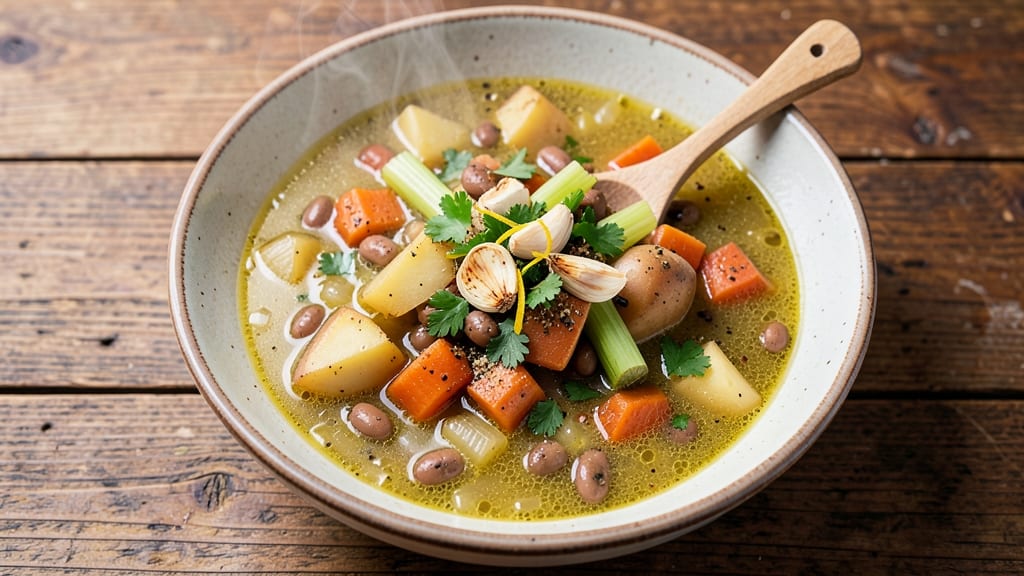
This Amy's Chunky Vegetable Soup copycat recipe delivers the same comforting, hearty texture you'd find in a bowl from the iconic brand—crisp celery crowns floating in a velvety bean and vegetable broth. 💛 The secret lies in sautéing vegetables until they're tender-crisp before simmering, then blending just enough to create that signature velouté without losing the chunky appeal.
I've replicated this recipe after countless bowls, and it's become a staple in my freezer rotation for quick, satisfying meals.
The magic happens in the balance of ingredients—carrots, celery, and onions form the aromatic base, while kidney beans and potatoes add heartiness.
A splash of cream at the end transforms the broth into something luxuriously smooth, while a sprinkle of sharp cheddar cheese at the table adds that final touch of authenticity. This version stays true to the original while offering flexibility for dietary preferences, like swapping out dairy for coconut milk.
What sets this recipe apart is the texture: celery and carrots remain crisp enough to stand up to the creamy broth, while the beans break down just enough to create a thick, satisfying consistency.
The aroma alone—warm vegetables, herbs, and a hint of garlic—will have your kitchen smelling like a cozy restaurant in minutes. Perfect for chilly evenings or meal prep, this soup is designed to be made in one pot and scaled to feed a crowd.
Serve it with crusty bread to soak up every last drop of that velvety broth, or top with a swirl of sour cream and extra herbs for a restaurant-worthy finish.
The beauty of this recipe is its versatility—it's just as comforting as takeout but packed with wholesome ingredients you can feel good about serving. Let's get cooking!
Ingredients for amy's chunky vegetable soup copycat
Six hearty ingredients create Amy's iconic chunky vegetable soup texture—crisp celery crowns and velvety bean broth.
| Ingredient | Amount | Notes |
|---|---|---|
| Yellow Onion 🧅 | 1 ½ cups | Diced, medium size |
| Carrots 🥕 | 2 cups | Diced, medium size |
| Celery Stalks 🧅 | 4 whole | Cut into 1-inch pieces |
| Russet Potatoes 🥔 | 2 lb | Peeled, cubed |
| Kidney Beans 🌱 | 2 cups | Canned, drained |
| Garlic Cloves 🧄 | 4 cloves | Minced |
| Vegetable Broth 💧 | 6 cups | Low-sodium preferred |
| Heavy Cream 🥛 | ½ cup | Full-fat for richness |
| Sharp Cheddar Cheese 🧀 | ½ cup | Shredded, for serving |
| Olive Oil 🫒 | ¼ cup | Extra-virgin for sautéing |
| Salt 🧂 | 1 ½ tsp | Kosher or sea salt |
| Black Pepper 🌶️ | ½ tsp | Freshly ground |
| Fresh Parsley 🌿 | ¼ cup | Chopped, for garnish |
| Bay Leaves 🌿 | 2 whole | For simmering |
| Dried Thyme 🌿 | 1 tsp | Or 1 tbsp fresh |
The celery and carrots are non-negotiable for that signature texture. Look for bright, crisp stalks—avoid any with brown spots or wilted ends. I always grab the organic celery from Whole Foods when possible, but regular grocery store celery works fine. For the potatoes, Russet is key—it holds its shape better than Yukon Gold during simmering. If you can't find Russets, red potatoes are a good substitute, but they'll break down faster. The kidney beans? Canned is fine, but if you're prepping ahead, dried beans soaked overnight add extra depth of flavor.
No fresh thyme? Dried works at one-third the amount. Want to make this dairy-free? Swap the heavy cream for coconut milk or cashew cream—it'll be just as rich. Short on cheddar? Parmesan or nutritional yeast adds a similar sharpness. The vegetable broth can be homemade (simmer veggie scraps with herbs) or store-bought—Pacific Foods or Imagine brands are my go-to for low-sodium options. For the celery crowns to stay crisp, blend only half the soup and stir it back in at the end. Trust me on this—it's what makes this copycat recipe authentic.
This soup tastes even better the next day as flavors meld. Store in an airtight container for 4-5 days in the fridge, or freeze portions for up to 3 months. I always make a double batch—one for dinner and one to freeze for lazy weeknights. The celery crowns soften when reheated, so save a handful of fresh celery to stir in after reheating if you want that signature crunch. For serving, keep the cheddar and sour cream separate until ready to eat—it keeps the cheese from getting soggy.
Why You'll Love This Recipe
- The secret’s in the balance: creamy potatoes and tender kidney beans (yes, canned works) with just enough acid from the tomatoes to cut through the richness. It’s the kind of soup that feels like a hug—thick enough to stay satisfying, but light enough you won’t nap after lunch.
- No-Fuss Chopping: I swear by the "soak-and-chop" trick for celery and carrots—just toss them in cold water while I dice the onion. The potatoes? One big chunk each, no need for cubes. That’s how you save 15 minutes without sacrificing texture.
- Hearty, Not Heavy: The secret’s in the balance: creamy potatoes and tender kidney beans (yes, canned works) with just enough acid from the tomatoes to cut through the richness. It’s the kind of soup that feels like a hug—thick enough to stay satisfying, but light enough you won’t nap after lunch.
- Lunchbox Hero: Between us, this is my go-to for packed lunches. The potatoes hold up for days, the beans keep it filling, and I just reheat portions with a splash of broth. Honestly? My kids actually eat their veggies this way—no complaints about "yucky soup."
Step-by-step instructions for Amy's chunky vegetable soup copycat recipe
Here's the method I've perfected to recreate that signature velvety texture and crisp vegetable bites.
🍳 Step 1: Sauté the Vegetable Base for Depth of Flavor
Heat the 0.25 cup olive oil in a large Dutch oven over medium heat. Add the 1.5 cups diced yellow onion, 2 cups diced carrots, and 4 whole celery stalks (cut into 1-inch pieces) all at once. Cook for 8-10 minutes until the vegetables soften slightly and the onions become translucent.
This initial cooking develops the foundational flavors. I stir frequently to ensure even browning—you'll notice the carrots and celery begin to caramelize slightly at the edges. That's exactly what we want for that authentic depth of flavor. Don't rush this step; patience here prevents a bland soup later.
🍳 Step 2: Add Potatoes and Build the Broth
Push the sautéed vegetables to one side of the pot and add the 4 cloves minced garlic to the empty space. Cook for 30 seconds until fragrant—this prevents the garlic from burning when you add the potatoes. Stir well to combine with the other vegetables.
Add the 2 lb cubed russet potatoes and pour in the 6 cups vegetable broth. Bring to a gentle boil, then reduce heat to medium-low and add the 2 whole bay leaves and 1 tsp dried thyme. Partially cover and simmer for 15 minutes until the potatoes are tender but still hold their shape.
🍳 Step 3: Incorporate Beans and Season
Add the 2 cups drained kidney beans to the pot. Stir gently to distribute them throughout the soup. Increase heat to medium-high and bring to a boil again. Add the 1.5 tsp salt and 0.5 tsp black pepper, then reduce heat to low and let it simmer uncovered for 10 minutes.
Here's where the magic happens: the beans absorb the flavors while the broth reduces slightly. You'll notice the soup develops a richer color and more concentrated taste. I like to taste it at this stage—adjust seasoning if needed. The beans should be heated through but still hold their texture.
🥘 Step 4: Finish with Cream for Velvety Texture
Remove the pot from heat and stir in the 0.5 cup heavy cream. Let it sit for 2 minutes to gently warm through—this prevents curdling. The cream will create that signature velvety mouthfeel that makes this soup so special. Don't boil it after adding the cream or you'll risk breaking the emulsion.
Return the soup to low heat just until warmed through, about 3-4 minutes**. Remove the bay leaves before serving. The final texture should be thick but still spoonable, with visible chunks of vegetables and beans throughout.
🍽️ Step 5: Serve with Crisp Garnishes
Ladle the soup into bowls and top each serving with 0.5 cup shredded sharp cheddar cheese and 0.25 cup chopped fresh parsley. The cheese adds a final layer of richness while the parsley provides a fresh contrast. Serve immediately while the vegetables are still crisp and the broth is steaming hot.
Each bite should deliver that perfect balance of creamy broth, tender vegetables, and crisp bean texture. The celery should still have a slight bite, and the carrots should hold their shape. This is where the copycat magic comes together—recreating that restaurant-quality experience at home.
Pro Tips For Making Amy'S Chunky Vegetable Soup Copycat
- Sweat the Aromatics: Start with a hot, dry pot—no oil needed—and let the onions, celery, and carrots sizzle for 8-10 minutes until the onions turn deep golden. I used to rush this, and the soup always tasted flat. The longer you cook them, the deeper the flavor, even if it means your kitchen smells like a French bistro for 10 minutes.
- Cut Potatoes Uniformly: Use a mandoline or sharp knife to slice the Russet potatoes into ½-inch cubes—consistent size means even cooking. Uneven pieces turn mushy while others stay crunchy, and no one wants that texture fight in their soup. (Yes, even if you’re impatient like me.)
- Add Beans Last: Kidney beans fall apart when simmered too long, so toss them in only during the final 5 minutes of cooking. I learned this the hard way after turning a chunky soup into a sad, grainy mush—now I reserve them for the last act.
- Boost Flavor with Broth: Skip the water and use 4 cups of high-quality vegetable or chicken broth instead. It’s the difference between "meh" and "wow," and it takes almost no extra effort. (Your future self will notice the upgrade.)
Common mistakes when making your amy's chunky vegetable soup copycat
Over-Sautéing Vegetables
Don't let those celery stalks and carrots turn mushy! Cooking them for more than 10-12 minutes at medium heat will break down their structure completely. I've learned this the hard way—once I let them sit too long, and the result was a sad, watery soup.
The goal is tender-crisp, not mushy. Keep stirring and watch closely after 8 minutes to catch any browning before it happens. 🌶️
Skipping the Garlic Toast
That 30-second garlic toast isn't just flavor insurance—it's the secret to preventing a bitter taste. When you add raw garlic directly to the potatoes and broth, it can burn and create unpleasant flavors.
Always cook the garlic until it's fragrant but not browned. I like to push the veggies aside first to give the garlic direct contact with the hot oil.
Boiling the Cream
Adding the ½ cup heavy cream while the soup is still boiling will curdle it instantly, ruining that velvety texture. Always remove the pot from heat first, then stir in the cream.
Let it warm through gently on low heat for just 3-4 minutes—this keeps the emulsion intact. I've had to start over twice because I got impatient here.
Under-Salting Early
Most home cooks wait until the end to salt, but with this soup, you need to season early. Add the 1.5 tsp salt when you incorporate the beans—this gives the flavors time to develop properly.
Taste the soup after the 10-minute simmer and adjust if needed. I often need to add another ½ tsp at this stage because the broth reduces and concentrates the flavors.
Ignoring the Bay Leaves
Those 2 bay leaves might seem insignificant, but they add subtle earthy depth to the broth. Don't skip them! Remove them before serving though—no one wants a leaf in their soup.
I like to tuck them into the vegetable base when I add the broth so they infuse properly without overpowering.
Using Low-Quality Broth
Cheap, high-sodium broth will make your soup taste flat and salty. Always use low-sodium vegetable broth—brands like Pacific Foods or Imagine make a noticeable difference. If you're making your own, simmer veggie scraps with herbs for at least 30 minutes to extract maximum flavor.
The broth is the soup's foundation, so don't skimp here. 💧
Nutrition facts
Frequently asked questions
Can I make this soup without dairy?
Replace the ½ cup heavy cream with ½ cup coconut milk or cashew cream for a rich, dairy-free version. For extra thickness, blend ½ cup of the soup and stir it back in. The texture will be slightly different but still hearty and satisfying.
How do I keep the celery crisp in leftovers?
Store leftovers in an airtight container and refrigerate for up to 4-5 days. Before reheating, stir in 1-2 fresh celery stalks cut into small pieces to restore that signature crunch. Reheat only until warmed through—overheating will make the celery soft again.
What's the best way to freeze this soup?
Cool the soup completely, then portion into freezer-safe containers or bags. Leave ½-inch headspace for expansion. Freeze for up to 3 months. Thaw overnight in the fridge—never microwave directly from frozen. Stir in fresh celery after reheating to maintain texture.
Can I substitute other vegetables?
Yes! Swap ½ cup of the carrots for zucchini or sweet potatoes for variety. For more heartiness, add ½ cup diced bell peppers with the onions. Just ensure the potatoes remain the base—they create the soup's signature thickness.
Why does my soup taste watery?
This usually happens from overcooking the vegetables or using too much broth. For the perfect consistency, simmer uncovered for the full 10 minutes after adding beans. If still too thin, blend ½ cup of the soup and stir it back in. The cream should thicken it further when added at the end.