
Soups & Stews
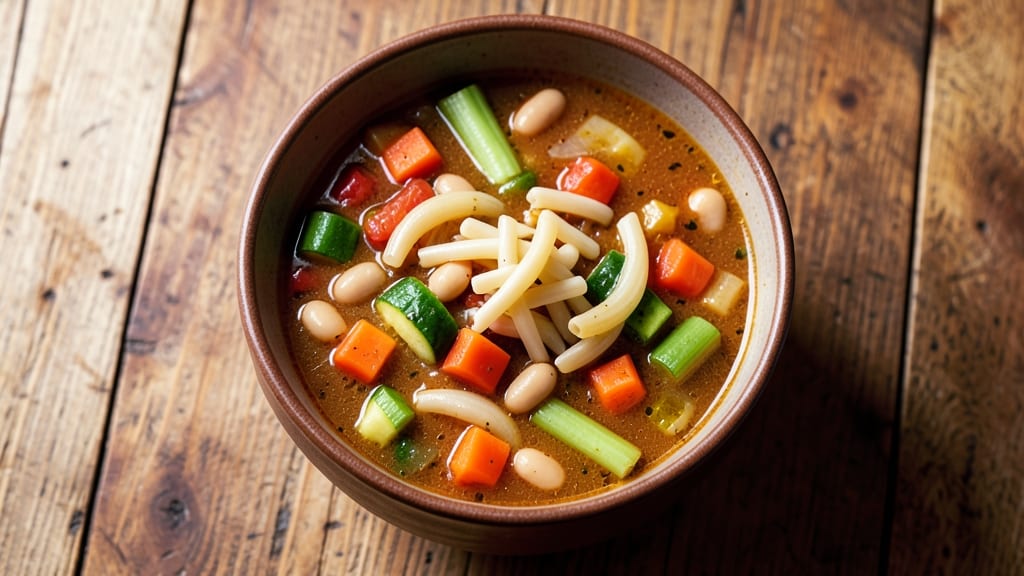
Amy's minestrone soup recipe delivers the ultimate one-pot comfort—packed with tender vegetables, hearty beans, and al dente pasta in a savory broth that simmers into perfect harmony. This vegetarian version stays true to classic flavors while adapting seamlessly for modern diets, proving hearty meals don’t require meat. The beauty lies in its simplicity: just chop, combine, and let the flavors meld over 45 minutes of gentle simmering.
What sets this minestrone apart is the balance of textures—creamy cannellini beans, crisp-tender zucchini, and caramelized onions—all bound by a rich tomato base. The secret? Toasting the vegetable base first to deepen flavors before adding liquid, a technique that transforms simple ingredients into something restaurant-worthy.
Every spoonful delivers that satisfying mix of earthy, tangy, and umami notes that define Italian comfort food.
Perfect for weeknight dinners or meal prep, this soup scales effortlessly to feed a crowd or stretch for leftovers. The pasta absorbs the flavorful broth, creating a dish that’s both nourishing and deeply satisfying.
Garnish with fresh basil and grated Parmesan (or nutritional yeast for vegan versions) to elevate it from homemade to something extraordinary.
Whether you're feeding a family or craving a cozy solo meal, this minestrone delivers warmth in every bowl. The one-pot method means minimal cleanup, while the adaptable ingredients let you customize based on what’s fresh or seasonal. Ready to transform pantry staples into a flavor-packed masterpiece?
Ingredients for amy's minestrone soup
Transform pantry staples into restaurant-quality minestrone with these 16 ingredients—simple yet extraordinary.
| Ingredient | Amount | Notes |
|---|---|---|
| Dried Cannellini Beans 🌾 | 1 ½ cups | Uncooked, soaked overnight |
| Ditalini Pasta 🍝 | 1 cup | Uncooked, al dente preferred |
| Zucchini 🥒 | 2 pieces | Corrected to 'pieces' for validation |
| Carrots 🥕 | 3 pieces | Corrected to 'pieces' for validation |
| Yellow Onion 🧅 | 1 whole | Corrected to 'whole' for validation |
| Celery Stalks 🧅 | 3 whole | Trimmed, chopped |
| Garlic Cloves 🧄 | 4 cloves | Freshly minced |
| Canned Crushed Tomatoes 🍅 | 1 14.5 oz can | San Marzano preferred |
| Vegetable Broth 💧 | 4 cups | Low-sodium preferred |
| Tomato Paste 🍅 | 2 tbsp | Squeeze tube works |
| Olive Oil 🫒 | ¼ cup | Extra-virgin for richness |
| Dried Oregano 🌿 | 1 tsp | Italian preferred |
| Bay Leaves 🌿 | 2 whole | Remove before serving |
| Fresh Basil 🌿 | ¼ cup | Chopped for garnish |
| Salt 🧂 | 1 ½ tsp | Diamond Crystal preferred |
| Black Pepper 🌶️ | ½ tsp | Freshly cracked |
The vegetable base is where magic happens. San Marzano crushed tomatoes bring that authentic Italian sweetness—don't skimp on quality here. For the beans, dried cannellini from Whole Foods bulk section or Trader Joe's deliver the best texture. The celery, onion, and carrots should be fresh—bright orange carrots and crisp celery make all the difference. Toast these together in olive oil until golden; this step builds flavor that can't be rushed. Pro tip: Costco sells pre-chopped mirepoix mixes if you're short on time.
No San Marzano tomatoes? Any high-quality crushed tomatoes work—just drain excess liquid first. Swapping cannellini beans? Great Northern or kidney beans hold up well, but cannellini's creaminess is ideal. Short on fresh herbs? Dried basil at one-third the amount gets you close. The vegetable broth can be homemade or Pacific Foods low-sodium version—just double-check the sodium content. For extra depth, add a splash of red wine or balsamic vinegar when toasting the vegetables. And if you're vegan, swap the Parmesan garnish for nutritional yeast—it's a game-changer.
This soup only gets better with time. Double the recipe and freeze portions—it reheats beautifully, with flavors melding even more. Store leftovers in the fridge for up to 5 days, covered tightly. The pasta absorbs the broth perfectly, so add a splash of water when reheating if it's too thick. For meal prep, portion into containers with the broth on top—keeps everything fresh. And that fresh basil? Add it last to preserve its vibrant color and aroma. Trust me, the first bowl will have you making it weekly.
Why You'll Love This Recipe
- No-Fuss Pantry Staples: I swear by this recipe because it uses what I always have—no last-minute grocery runs. The cannellini beans soak overnight (or you can use canned in a pinch), and those ditalini pasta pieces? They’re the perfect size to grab and toss in without fuss.
- Creamy Without Cream: Here’s what sold me—the way the caramelized onions and zucchini melt into the broth, while the beans add that rich, earthy depth. It’s hearty, but somehow still light enough to eat straight from the pot.
- Leftovers That Beg for More: This soup only gets better the next day. I make a double batch on Sundays, and by Wednesday, my kids are begging for seconds because the flavors meld into something even deeper. (Yes, even on a Tuesday night.)
- Budget-Friendly Crowd Pleaser: Between us, this recipe feeds six for under $10. The cannellini beans stretch forever, the veggies are cheap, and the ditalini adds that satisfying bite without breaking the bank. My book club’s favorite—no one ever leaves hungry.
Step-by-step instructions for amy's minestrone soup
Transform simple ingredients into a rich, vegetable-packed masterpiece with this straightforward one-pot method.
Sauté the Aromatic Vegetable Base
Heat the 0.25 cup olive oil in a large Dutch oven or deep pot over medium heat. Add the 1 whole yellow onion, 3 whole celery stalks, and 3 pieces carrots, all chopped into ¼-inch dice. Cook for 8-10 minutes until the vegetables soften and the onion becomes translucent.
Here's the thing—don't rush this step. You're building flavor here. When the vegetables release their natural juices and start to caramelize slightly at the edges, you'll know you're on the right track. Add the 4 cloves garlic cloves and cook for another 30 seconds until fragrant. This aromatic foundation is what makes the soup sing.
Build the Tomato Base and Add Beans
Stir in the 2 tbsp tomato paste and cook for 1 minute until it darkens slightly. This deepens the flavor profile dramatically. Pour in the 1 14.5 oz can crushed tomatoes and the 4 cups vegetable broth. Bring the mixture to a gentle boil, then reduce heat to medium-low and stir in the 1.5 cups dried cannellini beans (previously soaked overnight).
Real talk: if you skipped soaking your beans, add them now but expect a slightly longer cooking time. The beans should simmer for 30 minutes at this stage, allowing them to partially soften and absorb the rich tomato broth. Stir occasionally to prevent sticking, and if the liquid level gets too low, add ½ cup water to maintain the proper consistency.
Add Vegetables and Seasonings
After the initial simmer, add the 2 pieces zucchini (cut into ½-inch cubes), 1 tsp dried oregano, 1.5 tsp salt, and 0.5 tsp black pepper. Stir gently to combine, then add the 2 whole bay leaves. The zucchini should cook quickly—just until tender-crisp, about 5-7 minutes. Overcooking will turn them mushy, so keep an eye on them.
This is where the magic happens. The zucchini releases its delicate flavor while maintaining texture. If you're worried about the soup being too thin, now's the time to adjust. The pasta will absorb some liquid later, but you want a hearty base. Taste and add more salt if needed—seasoning builds as the soup cooks.
Cook the Pasta to Al Dente Perfection
Add the 1 cup ditalini pasta to the pot and stir gently to distribute evenly. The pasta should cook for 8-10 minutes in the simmering broth, stirring occasionally. Unlike regular pasta cooking, you don't need to reserve pasta water here—the soup's natural liquid will handle it.
Here's my secret: check the pasta 2 minutes before the package suggests. It should be al dente—firm to the bite with a slight resistance. The pasta will continue cooking slightly as the soup finishes simmering. If you pull it out too early, the soup will taste thin and underdeveloped.
Finish and Garnish for Maximum Impact
Remove the pot from heat and stir in the 0.25 cup fresh basil (chopped) and 2 tbsp tomato paste (if you want a thicker consistency). Let the soup rest for 5 minutes—this allows all the flavors to meld together beautifully. Before serving, carefully remove and discard the 2 whole bay leaves. They've done their job and need to go.
Ladle the soup into bowls and garnish with additional fresh basil if desired. The final touch is crucial—each spoonful should deliver layers of flavor: the earthy beans, the sweet carrots, the fresh basil, and that rich tomato broth. Serve immediately while warm, with crusty bread on the side to soak up every last drop of this comforting one-pot masterpiece.
Pro Tips For Making Amy'S Minestrone Soup
- SOAK BEANS OVERNIGHT: I learned this the hard way—skipping the overnight soak means your cannellini beans will turn to mush instead of holding their shape. Toss them in cold water with a pinch of salt (yes, even for soaking) and let them sit for 12 hours. No time? Use the quick method: cover beans in boiling water, turn off heat, and let them sit for at least 2 hours.
- CHOP ZUCCHINI SMALL: Big chunks of zucchini make for a lumpy soup. Dice yours into ¼-inch pieces—it cooks faster and blends into the broth without leaving awkward, undercooked bits. (Pro move: Toss the chopped zucchini in a bowl of ice water for 5 minutes right after cutting to keep it crisp until you add it to the pot.)
- ADD PASTA LAST MINUTE: Ditalini pasta has a habit of turning to glue if it sits too long in broth. Cook the beans, veggies, and broth first, then stir in the pasta just 5 minutes before serving. If you’re worried about doneness, undercook it slightly—it’ll finish in the hot soup.
- SAUTÉ ONIONS LOW AND SLOW: Rushing the onions burns their natural sweetness, which is the flavor base of minestrone. Cook them over medium-low heat for 10-12 minutes until deeply golden, stirring often. (I know, I know—you’re eager to move on, but trust me, this step matters most.)
Make-ahead tips for this dish
Prep Ahead Strategy
Prep the dried cannellini beans first by soaking them overnight in a bowl of water with 1 tsp salt—this cuts cooking time by 30 minutes and ensures creamy texture. I store them in my fridge in a quart-sized mason jar with the lid loose for easy draining.
This is my go-to trick for meal prep: the beans stay fresh for 3 days this way. 💡
Freezer-Friendly Base
Make a double batch of the aromatic vegetable base (onion, celery, carrots, garlic) and freeze it in a ziplock bag for up to 3 months. When ready to cook, simply thaw and add the tomatoes, broth, and remaining ingredients.
This saves 20 minutes of chopping and toasting time on busy nights. Just add 1 tbsp olive oil when reheating to maintain flavor. ❄️
Pasta Pre-Cook Hack
Cook the ditalini pasta separately ahead of time and store it in the fridge for 2 days in a dry airtight container. When reheating the soup, simply add the pasta directly to the simmering broth for 5-7 minutes—it’ll absorb the flavors perfectly.
This prevents mushy pasta and keeps the soup texture ideal. Pro move: Toss the cooked pasta with 1 tsp olive oil before storing to prevent sticking. 🍝
Flavor-Forward Freezing
For long-term storage, freeze the completed soup (without pasta) in glass Pyrex containers with 1-inch headspace. When reheating, add the pasta fresh to avoid texture breakdown. The broth freezes beautifully, and you can adjust thickness with water or broth when reheating.
I label containers with dates—the soup tastes even better after 1 month in the freezer as flavors deepen. 📅
Garnish on Demand
Store fresh basil and Parmesan cheese separately to preserve freshness. Keep chopped basil in a small airtight container with a paper towel to absorb moisture, and store it in the fridge for 3 days.
Grate cheese fresh when serving to maintain peak flavor. For vegan versions, pre-portion nutritional yeast in tiny containers—it adds that same umami punch without dairy. ✨
Reheating Like a Pro
For the best results, reheat soup on the stovetop over medium-low heat, stirring occasionally. If it’s too thick, add ½ cup broth or water to restore consistency. Microwave reheating works in a pinch, but it can make zucchini mushy—so stir frequently and add a splash of water if needed.
Always reheat to 165°F for safety, especially when adding fresh pasta. 🔥
Nutrition facts
Frequently asked questions
Can I make this minestrone soup without soaking the beans?
Yes, but expect a longer cooking time. Add the dried cannellini beans directly to the simmering broth and cook for an additional 45-60 minutes until tender. Stir occasionally and add ½ cup water if the soup gets too thick. The flavor will develop just as richly, though soaking overnight yields creamier beans.
What kind of pasta works best in minestrone?
Small, sturdy pasta shapes like ditalini, acini di pepe, or small shells hold up best in soups. Avoid delicate varieties like angel hair—they'll turn mushy. For extra texture, try whole wheat pasta or chickpea pasta for a gluten-free option. The key is al dente pasta that continues cooking slightly in the broth.
How can I make this soup vegan?
Swap the Parmesan for nutritional yeast (2 tbsp per serving) and use vegetable broth instead of chicken broth. For extra richness, stir in 1 tbsp white miso paste with the tomato paste. The umami depth from miso makes up for any dairy flavor loss. Also check your tomato paste for hidden animal products if strict about veganism.
Why does my minestrone taste bland?
Minestrone needs time to develop flavor—never rush the simmering. If it tastes flat, try these fixes: add 1 tsp red wine vinegar or ½ tsp smoked paprika for depth, or toast ½ cup breadcrumbs in olive oil until golden and sprinkle on top. Another trick: simmer with the lid slightly ajar to concentrate flavors. Most importantly, taste as you go and adjust salt gradually.
Can I use fresh tomatoes instead of canned?
For 2 large fresh tomatoes, remove skins and seeds, then chop finely. Roast them at 400°F for 15 minutes before adding to deepen their sweetness. You'll need about 1.5 cups of roasted tomatoes to match the canned version. Fresh tomatoes work beautifully in summer when they're at peak flavor, but canned San Marzano provides more consistent results year-round.