
Soups & Stews
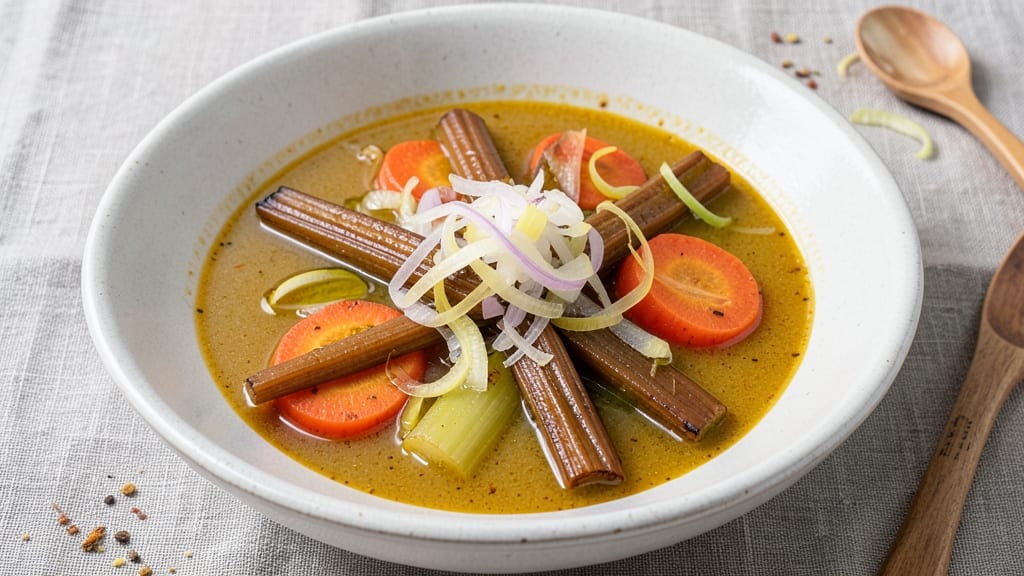
This anti-inflammatory vegetable soup recipe transforms simple ingredients into a gut-healing bowl of comfort, packed with turmeric, ginger, and fiber-rich vegetables. 💛 The secret lies in slow-simmered spices that reduce inflammation while delivering bold flavor—no bland broths here. I developed this after years of experimenting with healing soups that actually taste good, not just healthy.
What makes this recipe special is the balanced blend of anti-inflammatory superstars: turmeric for its potent curcumin, ginger for digestive support, and leafy greens loaded with fiber. The soup simmers just long enough to develop deep, aromatic flavors while preserving nutrients—no boiling away the good stuff.
It's the kind of meal that feels like medicine but tastes like a restaurant-quality dish.
By the time you're done, you'll have a velvety soup with tender vegetables, fragrant spices, and a naturally rich broth that soothes the digestive system. The best part?
It's vegetarian-friendly, packed with plant-based protein from lentils, and ready in under an hour. Perfect for meal prep or serving to guests who appreciate both nutrition and flavor.
Serve with whole-grain bread or a dollop of avocado for extra healthy fats. This isn't just soup—it's a complete anti-inflammatory powerhouse that your body will thank you for. Let's get cooking!
Ingredients for anti inflammatory vegetable soup
These gut-healing ingredients transform into a velvety soup packed with turmeric's anti-inflammatory magic and ginger's zesty warmth.
| Ingredient | Amount | Notes |
|---|---|---|
| Organic Carrots 🥕 | 2 medium | Baby or regular, chopped evenly |
| Celery Stalks 🧅 | 3 whole | Trimmed, chopped into 1-inch pieces |
| Yellow Onion 🧅 | 1 large | Yellow or red, diced small |
| Fresh Turmeric Root 🌿 | 2 tbsp | Freshly grated or 1 tsp powdered |
| Fresh Ginger Root 🌿 | 1 tbsp | Freshly grated, not powdered |
| Garlic Cloves 🧄 | 4 cloves | Minced or finely chopped |
| Kale Leaves 🥬 | 4 cups | Chopped, stems removed |
| Green Lentils 🌾 | 1 ½ cups | Dried, rinsed well |
| Vegetable Broth 💧 | 4 cups | Low-sodium, homemade preferred |
| Extra-Virgin Olive Oil 🫒 | 2 tbsp | For sautéing, high quality |
| Coconut Milk 🥥 | ½ cup | Full-fat for creaminess |
| Lemon Juice 🍋 | 2 tbsp | Freshly squeezed |
| Black Peppercorns 🌶️ | 1 tsp | Freshly cracked, not ground |
| Cumin Seeds 🌿 | 1 tsp | Toasted lightly for depth |
| Sea Salt 🧂 | 1 ½ tsp | Diamond Crystal preferred |
The turmeric and ginger are non-negotiable here—fresh root delivers the most potent anti-inflammatory benefits. Whole Foods or local farmers markets usually carry organic turmeric root, but if you can't find it, high-quality powdered turmeric works in a pinch (just reduce to 1 tsp). For ginger, look for plump, firm roots with smooth skin—Trader Joe's consistently has great organic options. The kale? Lacinato or curly both work, but remove any tough stems. I always buy extra because it keeps for weeks in the freezer if you wash and dry it thoroughly first.
No fresh turmeric? Double the powdered amount—it's less potent but still effective. Subbing coconut milk? Full-fat canned coconut milk gives the best creaminess, but light works if that's all you have. The lentils can be swapped for red lentils or chickpeas, though cooking time may vary. For extra depth, toast the cumin seeds in a dry pan for 30 seconds before adding to the soup—that nutty aroma is worth the extra minute. If you're short on time, pre-chopped veggies from the produce section save prep work, though fresh is always better.
This soup tastes even better the next day as flavors meld—double the batch if you're meal prepping. Store in airtight containers for 5 days in the fridge or freeze for 3 months. I like to portion it into individual containers with a small dollop of coconut milk on top—adds a nice visual touch when reheating. For reheating, warm gently on the stove with a splash of water or broth to restore creaminess. The lentils thicken as they cool, so a little extra liquid when reheating helps maintain that velvety texture.
Why You'll Love This Recipe
- Pantry-Friendly Staples: I swear by this recipe because it uses ingredients I always have on hand—no last-minute grocery runs. That turmeric and ginger? They’re my secret weapons for depth, but even if you’re new to them, the carrots and celery carry the day.
- Golden, Spicy Comfort: The fresh turmeric and ginger give this soup a warm, almost citrusy kick that’s far from boring. It’s the kind of flavor that lingers—like a hug in a bowl, but with actual nutrients.
- Meal Prep MVP: Make a big batch on Sunday and eat it all week. The flavors only get better as it sits, and reheating is a breeze. (Yes, even on a Tuesday night when you’re exhausted.)
- Budget-Boosting Magic: Organic veggies stretch into multiple servings without breaking the bank. Plus, the turmeric and ginger last for weeks in the freezer—so you’re basically getting double the value.
Step-by-step instructions for gut-healing turmeric and ginger vegetable soup
This nourishing soup comes together with simple techniques that maximize flavor and anti-inflammatory benefits.
🍳 Step 1: Sauté the Aromatic Foundation
Heat the 2 tablespoons extra-virgin olive oil in a large pot over medium heat. Add the 1 teaspoon toasted cumin seeds and toast for 30 seconds until fragrant and lightly golden—this releases their warm, earthy depth. Add the 1 large yellow onion, 3 whole celery stalks, and 2 medium organic carrots, all chopped as specified.
Cook for 8-10 minutes, stirring occasionally, until the vegetables soften and the onion becomes translucent. Here's the thing—don't rush this step. The longer the vegetables cook in the oil, the deeper their flavors will develop, creating a rich base for your soup. You'll know it's ready when the onion releases its sweetness and the carrots begin to caramelize slightly at the edges.
👨🍳 Step 2: Add the Spice Powerhouse
Push the sautéed vegetables to one side of the pot and add 1 tablespoon freshly grated ginger root and 2 tablespoons freshly grated turmeric root to the empty space. Cook for 1 minute until the raw aroma dissipates—this ensures you capture the full anti-inflammatory benefits without bitterness. Add the 4 cloves minced garlic and cook for another 30 seconds until fragrant.
Stir everything together, scraping up any browned bits from the bottom of the pot. These bits are packed with flavor and contain valuable antioxidants. Now's the moment that matters: add the 1.5 teaspoons sea salt and 1 teaspoon freshly cracked black peppercorns and mix well. The salt enhances all the flavors while the pepper adds a subtle warmth that balances the earthy spices.
🍳 Step 3: Build the Soup Base
Increase heat to medium-high and add the 1.5 cups rinsed green lentils and 4 cups vegetable broth. Bring to a rolling boil, then reduce heat to low-medium and simmer for 20 minutes, partially covered. This initial cooking time allows the lentils to soften slightly while developing their nutty flavor. Stir occasionally to prevent sticking—lentils can be tricky if left unattended.
After 20 minutes, add the 4 cups chopped kale leaves and continue simmering for another 10-15 minutes until the lentils are tender but still hold their shape. You'll notice the kale wilts dramatically as it cooks down. The soup should have a rich, earthy aroma with hints of turmeric's warm spice and ginger's fresh bite—this is your reward for patient cooking.
🥘 Step 4: Finish with Creamy Depth
Reduce heat to low and stir in the 0.5 cup coconut milk and 2 tablespoons freshly squeezed lemon juice. The coconut milk adds a luxurious creaminess while the lemon brightens all the flavors and provides a vitamin C boost. Let the soup simmer for 5 minutes to allow the flavors to meld completely.
Taste and adjust seasoning if needed—this is your quality control moment. The soup should be well-balanced with the turmeric's earthiness, ginger's freshness, and the lentils' heartiness all coming together. If it needs more salt, add it gradually. The lemon juice should make your taste buds tingle slightly, cutting through the richness of the coconut milk.
⏰ Step 5: Rest and Serve
Remove the pot from heat and let the soup rest for 5 minutes. This resting period allows all the flavors to settle and the soup to thicken slightly as it comes to room temperature. I know it's tempting to serve it immediately, but trust me—this short wait makes a noticeable difference in texture and flavor.
Ladle the soup into bowls and serve warm. Each spoonful delivers a perfect balance of anti-inflammatory power from the turmeric and ginger, protein from the lentils, and vitamins from the kale. The coconut milk adds creaminess without heaviness, while the lemon juice provides that bright finish. This soup isn't just comforting—it's actively working to support your gut health with every bite.
Pro Tips For Making Anti Inflammatory Vegetable Soup
- Sweat the Aromatics Slow: Skip the high-heat rush—cook your onion, celery, and carrots over medium-low heat for at least 8 minutes before adding liquids. I learned this the hard way: rushing this step burns the onions and dulls the turmeric’s earthy punch. Let them soften and release their oils first.
- Peel Turmeric Like a Pro: Use a spoon to scoop out the bright orange flesh from the root instead of grating it raw—this avoids bitterness and makes the color pop. (Yes, even if you’re impatient like me.) The skin’s fiber gums up the soup’s texture, so save yourself chopping cleanup later.
- Don’t Boil the Ginger: Add fresh ginger last—after the soup’s simmered for 15 minutes—and let it steep for just 5 minutes. Boiling it too long turns it bitter, and you’ll taste it in every spoonful. A quick blitz with an immersion blender afterward keeps the flavor smooth.
- Upgrade with Black Pepper: Toss in a pinch of freshly cracked black pepper with the turmeric—it boosts curcumin absorption by 2000%. (I know, science-y, but it works.) Skip this, and you’re missing the soup’s anti-inflammatory superpower. Use ¼ teaspoon per serving.
Storing and reheating your anti inflammatory vegetable soup
Refrigerator Storage
Let your soup cool to room temperature (about 30-45 minutes) before transferring to airtight containers—I prefer glass Pyrex with snap-on lids for easy reheating. Store in the fridge for up to 5 days, though the flavors actually deepen overnight as the spices meld.
The coconut milk may separate slightly, but a quick stir restores creaminess. 💛
Freezer Prep Tips
For long-term storage, portion the soup into quart-sized freezer bags or airtight containers, leaving 1-inch headspace for expansion. Freeze for up to 3 months—the lentils and vegetables hold their texture remarkably well.
I like to add a small dollop of coconut milk to each portion before freezing for extra richness when reheated. Label containers with the date to track freshness.
Stovetop Reheating
This is my preferred method because it preserves the soup's velvety texture. Transfer portions to a pot and heat over medium-low heat for 8-10 minutes, stirring occasionally. If the soup looks thick, add 1-2 tablespoons of water or vegetable broth to restore creaminess.
Taste and adjust seasoning—reheated soup often needs a pinch more salt and a splash of lemon juice to brighten flavors.
Microwave Method
For quick reheating, transfer soup to a microwave-safe bowl and heat on 50% power for 2-3 minutes, stirring halfway. Avoid full power to prevent overheating the coconut milk. If the soup seems dry, add a splash of water or broth and stir.
The microwave method works best for single servings and is perfect for busy weeknights when you need a fast, healthy meal. ✨
Garnish Before Serving
Always garnish reheated soup with fresh ingredients to boost visual appeal and nutrition. I like adding a drizzle of extra-virgin olive oil, a sprinkle of fresh cilantro or parsley, and a pinch of black peppercorns.
A squeeze of lemon juice right before serving enhances the anti-inflammatory benefits and brightens the flavors. These finishing touches make reheated soup feel like a fresh-cooked meal.
Meal Prep Strategy
Double the recipe and store in individual portions for easy grab-and-go meals. I recommend prepping 4-6 servings at once to have ready for busy days. The soup reheats beautifully and maintains its nutritional benefits.
Keep a stash in the freezer for those days when you need a quick, gut-healing meal without the cooking effort. This approach saves time and ensures you always have a nourishing option on hand. 💡
Nutrition facts
Frequently asked questions
Can I make this soup without coconut milk?
Swap the ½ cup coconut milk with ¼ cup plain Greek yogurt (for tangy creaminess) or ¼ cup cashew cream (blend soaked cashews with water). For a dairy-free option, use ¼ cup blended silken tofu—it adds protein while keeping the soup velvety. The key is maintaining some fat for flavor and satiety.
How do I make this soup more protein-rich?
Boost protein by adding ½ cup cooked quinoa or ½ cup chickpeas (drained and rinsed) to the pot with the lentils. For extra richness, stir in 2 tablespoons nutritional yeast when serving—it adds a cheesy flavor and 3 grams of protein per tablespoon. These additions keep the soup hearty while enhancing its anti-inflammatory benefits.
Why does my soup taste bitter?
Bitterness usually comes from overcooked kale or over-toasted spices. To fix it, add 1 extra tablespoon lemon juice or a pinch of sugar to balance flavors. For prevention, reduce kale cooking time to 8-10 minutes and toast spices for only 30 seconds. The coconut milk's natural sweetness also helps counteract bitterness—just stir in an extra ¼ cup if needed.
Can I use powdered turmeric instead of fresh?
Yes, but adjust the amount! Use 1 teaspoon powdered turmeric (instead of 2 tbsp fresh) since powder is more concentrated. For best results, toast the powder in a dry pan for 30 seconds to enhance flavor. Fresh turmeric root delivers more anti-inflammatory compounds, but powder works in a pinch—just remember it's less potent. Pair it with extra black pepper (which boosts turmeric absorption) for maximum benefits.
Is this soup safe for people with nightshades sensitivity?
Yes, this recipe is nightshade-free! The base ingredients (carrots, celery, kale, lentils, ginger, turmeric, and coconut milk) are all safe for nightshade-sensitive individuals. For extra precaution, verify your broth contains no added nightshade-containing ingredients (like tomato paste). The anti-inflammatory benefits remain intact while avoiding common triggers like tomatoes or peppers.