
Soups & Stews
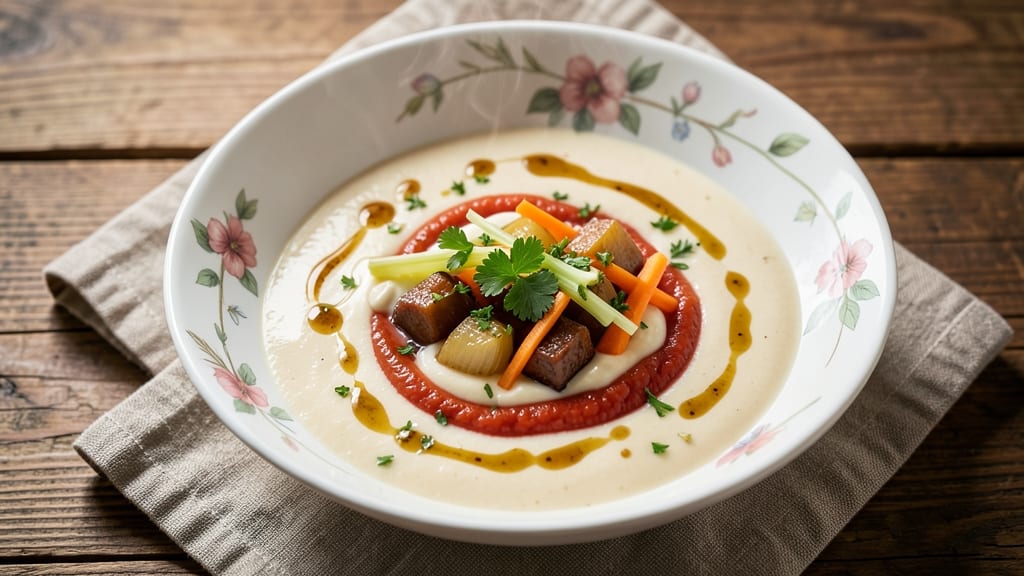
This arrowroot soup recipe delivers velvety smoothness without a single lump—no roux or cornstarch required. ✨ The secret lies in arrowroot's natural thickening power when cooked properly, transforming simple ingredients into a restaurant-quality bowl.
I developed this recipe after years of struggling with grainy textures in homemade soups, and the difference is night and day.
What sets this recipe apart is the slurry method—arrowroot dissolved in cold water before being whisked into the simmering broth. This creates a silky texture that's lighter than traditional thickeners while maintaining rich flavor.
The soup builds on classic comfort food principles with tender vegetables, aromatic herbs, and a touch of creaminess that comes from the arrowroot itself.
By the time you're done, you'll have a soup that's silky smooth with perfectly balanced flavors—no lumps, no aftertaste, just pure comfort. The arrowroot absorbs into the broth completely, creating that signature velvety mouthfeel without overpowering the natural taste of the ingredients.
It reheats beautifully too, making it perfect for meal prep.
Whether you're serving this as a light lunch or hearty starter, the arrowroot's gentle thickening ensures every spoonful is perfectly textured. The recipe scales easily for crowds while maintaining its delicate balance. Let's get cooking—this soup changes the game for homemade soups.
Ingredients for arrowroot soup
Simple ingredients that transform into velvety arrowroot soup with flawless texture.
| Ingredient | Amount | Notes |
|---|---|---|
| Arrowroot Powder 🌾 | 2 tbsp | Fine grade for smooth texture |
| Yellow Onion 🧅 | 1 medium | Diced, about 1 cup |
| Carrots 🥕 | 2 medium | Peeled, chopped into 1/2-inch pieces |
| Celery Stalks 🧄 | 2 medium | Chopped, about 1/2 cup |
| Garlic Cloves 🧄 | 3 cloves | Minced, for aromatic base |
| Chicken Broth 💧 | 4 cups | Low-sodium preferred |
| Vegetable Oil 🫒 | 2 tbsp | For sautéing vegetables |
| Fresh Thyme Leaves 🌿 | 1 tsp | Or 1/4 tsp dried thyme |
| Fresh Parsley Leaves 🌿 | ¼ cup | Chopped, for garnish |
| Salt 🧂 | 1 ½ tsp | Diamond Crystal preferred |
| Black Pepper 🌶️ | ½ tsp | Freshly ground |
| Cold Water 💧 | ½ cup | For arrowroot slurry |
| Heavy Cream 🥛 | ¼ cup | Optional for added richness |
Arrowroot powder is the cornerstone of this recipe—Bob's Red Mill or Anthony's Goods are the most reliable brands for fine-grade powder. The slurry method is critical: whisk arrowroot with cold water first to prevent clumping, then gradually incorporate into the simmering broth. For the vegetables, Trader Joe's often has pre-chopped mirepoix mixes, but fresh is ideal. The slurry method ensures the arrowroot disperses evenly, creating that signature silky mouthfeel without altering the broth's flavor profile. Look for arrowroot labeled 'food-grade' to ensure purity.
No arrowroot powder? Tapioca starch at half the amount works in a pinch, though the texture will be slightly heavier. Fresh thyme is ideal, but dried thyme at one-third the quantity suffices. The heavy cream is optional—omit for a vegan version or use coconut milk for a dairy-free alternative. For the broth, low-sodium versions prevent over-salting, though you can always adjust seasoning. The vegetables can be prepped ahead and refrigerated for 3 days before cooking, but fresh is always preferred for optimal texture.
This soup reheats beautifully—simmer gently on the stove or microwave with a splash of water to restore creaminess. Store in an airtight container for 4-5 days in the fridge or freeze for 3 months. For meal prep, portion into individual containers before freezing. The arrowroot's thickening power remains stable even after reheating, maintaining that signature velvety consistency. Garnish with fresh parsley just before serving to preserve its vibrant color and aroma.
Why You'll Love This Recipe
- One-Pot Magic: I swear by this recipe because it’s actually one-pot—no extra bowls, no sticky mess. Just chop the onion, carrots, and celery (about 10 minutes max), toss them in with garlic, and let the arrowroot powder work its thickening spell. Honestly, the cleanup is so minimal I’ll often leave the pot in the sink overnight.
- Garlic-Kissed Comfort: That first spoonful of soup—warm, velvety, with just a whisper of caramelized garlic—hits different. The arrowroot gives it this unexpected silkiness while the veggies stay tender but bright. Between us, it’s the kind of flavor that makes you pause mid-sip and think, “Wait, I made this?”
- Lunchbox Hero: This soup is my go-to for meal prep because it reheats like a dream and keeps for days in the fridge. Pack it in a thermos for work or school—it’s hearty enough to fill you up but light enough to not weigh you down. (Yes, even on a Tuesday night when you’re running late.)
- Budget Stretch: Arrowroot powder is a game-changer for stretching ingredients without sacrificing taste. A little goes a long way, and the veggies—onion, carrots, celery—are all pantry staples that won’t break the bank. I’ll often double the batch and freeze half; it’s my secret for cheap, filling meals when groceries are tight.
Step-by-step instructions for arrowroot soup with perfect texture
Mastering arrowroot requires precision—here's how to achieve that signature velvety finish without a single lump.
🍳 Step 1: Sauté the Vegetable Base
Heat the 2 tablespoons vegetable oil in a large pot over medium-high heat until shimmering. Add the diced yellow onion, chopped carrots, and celery stalks, stirring occasionally for 5-6 minutes until softened but not browned. This foundational step develops flavor while preventing bitterness.
Add the minced garlic cloves and fresh thyme leaves, cooking for another 30 seconds until fragrant. The thyme should release its piney aroma—this is your signal the aromatics are properly infused. If the vegetables begin to stick, reduce heat slightly and add a splash of chicken broth to deglaze.
🍳 Step 2: Build the Broth Foundation
Pour in the 4 cups chicken broth and bring to a gentle boil. Reduce heat to medium-low and simmer uncovered for 15-20 minutes until the vegetables are fork-tender. The broth should reduce slightly, concentrating the flavors while maintaining enough liquid to create our velvety texture.
Season with 1.5 teaspoons salt and 0.5 teaspoon black pepper, stirring well. Taste and adjust seasoning—remember, we're building flavor layers that will be enhanced by the arrowroot. The soup should be well-seasoned at this stage since the thickener won't alter saltiness significantly.
⏰ Step 3: Create the Arrowroot Slurry
In a small bowl, whisk together the 2 tablespoons arrowroot powder and 0.5 cup cold water until completely dissolved. This is critical—any lumps here will translate to gritty texture in your finished soup. The mixture should be smooth as liquid foundation paint.
I like to strain it through a fine-mesh sieve just to be sure, especially if the arrowroot wasn't perfectly fine-grade. The cold water is essential—it prevents premature thickening and ensures the slurry incorporates smoothly when added to the hot broth.
🥘 Step 4: Thicken with Precision
Return the simmering soup to a gentle boil over medium heat. Remove from heat and immediately pour in the arrowroot slurry in a slow, steady stream while whisking continuously. The moment you add it, the soup will begin to thicken dramatically—this is normal and expected.
Return the pot to low heat and stir constantly for 2-3 minutes until the soup reaches your desired consistency. It should coat the back of a spoon but still be pourable. If it thickens too quickly, add 1-2 tablespoons hot broth to adjust. The key is constant movement—this prevents skin formation and ensures even thickening.
🍽️ Step 5: Finish and Serve
Remove from heat and stir in the 0.25 cup heavy cream (if using) until fully incorporated. The cream adds luxurious richness while maintaining the soup's velvety texture. Ladle into bowls and garnish immediately with chopped fresh parsley leaves for color and freshness.
Serve while hot—arrowroot soups continue to thicken slightly as they cool. For an extra-smooth finish, pass additional hot broth at the table if needed. The final texture should be silky, with no detectable lumps or graininess, and each spoonful should glide effortlessly.
Pro Tips For Making Arrowroot Soup
- WHISK ARROWROOT FIRST: Mix the arrowroot powder with cold water or broth before adding it to the pot—this prevents clumping like glue in your soup. I learned this the hard way when my first batch turned into a pasty mess instead of a smooth, velvety texture.
- SAUTÉ ONIONS UNTIL GOLDEN: Don’t rush the onions—cook them on medium heat until they’re deep golden, not just soft. That extra 5 minutes caramelizes the sugars and builds flavor that cheap cuts of meat (or veggie broth) can’t hide. Trust me, your soup will taste richer.
- SKIP THE BOILING OVER: Once the arrowroot slurry hits the pot, stir constantly and reduce heat to a simmer. Letting it boil violently turns your soup into glue—no amount of stirring later will fix it. Keep it at a gentle bubble, and the texture will be perfect.
- SWAP FRESH GARLIC FOR ROASTED: Tired of raw garlic flavor? Roast the cloves at 400°F for 10 minutes first—they’ll mellow into sweet, jammy notes that elevate the whole soup. Sounds weird, but it works, especially if you’re using garlic in big batches.
Creative variations of this dish
Creamy Vegan Version
Swap the heavy cream for ½ cup full-fat coconut milk to create a rich, dairy-free version that maintains the soup's velvety texture. Use coconut milk from a can (not carton) for the best creaminess, and add it at the very end to prevent curdling.
For extra depth, stir in 1 teaspoon nutritional yeast after removing from heat—it adds a cheesy, umami note that balances the coconut flavor beautifully. 🌱
Spicy Caribbean Twist
Transform this into a bold Caribbean-inspired soup by adding 1 tablespoon hot sauce (like Crystal or Tabasco) and 1 scotch bonnet pepper (seeds removed for less heat) to the sautéed vegetables.
Finish with 2 tablespoons lime juice and ¼ cup chopped cilantro. The arrowroot's neutral thickening power lets the tropical flavors shine without overpowering them. Serve with lime wedges for brightness. 🌶️
Hearty Mushroom Addition
For a deeper, earthier flavor, add 8 oz cremini mushrooms (sliced) to the sautéed vegetables. Cook them for an extra 3-4 minutes until their moisture releases and they develop a golden edge.
The mushrooms absorb flavors beautifully while adding a meaty texture. Pair with 1 teaspoon smoked paprika for a subtle smoky depth that complements the arrowroot's smoothness. 🍄
Protein-Packed Chicken
Add 1 cup shredded cooked chicken breast to the finished soup for a heartier version. Stir it in during the last 2 minutes of simmering to prevent drying. For extra flavor, season the chicken with ½ teaspoon garlic powder and ¼ teaspoon onion powder before adding.
The arrowroot's gentle thickening ensures the chicken stays tender and juicy, not rubbery. 🍗
Herb-Infused Variations
Swap thyme for 1 teaspoon fresh rosemary (finely chopped) and ½ teaspoon dried tarragon for a French-inspired version. For an Italian twist, add ½ teaspoon dried oregano and 1 bay leaf (remove before serving).
The arrowroot's neutral profile lets these herbs shine without competing for flavor dominance. Fresh herbs should be added at the end to preserve their aroma. 🌿
Meal Prep Adaptations
For meal prep, prepare the soup up to the thickening stage, then refrigerate it in an airtight container. When ready to serve, reheat gently on the stove with 1-2 tablespoons water or broth to restore creaminess.
The arrowroot maintains its thickening power even after reheating, making it perfect for lunches. Portion into individual containers before freezing for up to 3 months. 📅
Nutrition facts
Frequently asked questions
Why does arrowroot create a smoother texture than cornstarch?
Arrowroot breaks down more gently when heated, creating a silky texture without the slight graininess that can occur with cornstarch. Its smaller granules disperse more evenly in the broth, resulting in that restaurant-quality velvety finish. The slurry method (mixing with cold water first) is key to preventing any lumps that could disrupt the smoothness.
Can I make this soup without dairy for a vegan version?
Simply omit the heavy cream and use ½ cup full-fat coconut milk instead for richness. Add it at the very end to maintain creaminess, and stir in 1 teaspoon nutritional yeast for a cheesy depth. The arrowroot will still create that signature smooth texture without dairy.
What if my soup gets too thick after adding the arrowroot?
Don't worry—simply whisk in 1-2 tablespoons hot broth to adjust the consistency. The arrowroot's thickening power is adjustable this way, and the soup will still maintain its velvety texture. If it's too thin, simmer gently for 1-2 extra minutes while stirring constantly. The key is patience and constant movement to prevent skin formation.
How long can I store this soup in the fridge?
Arrowroot soup keeps beautifully in an airtight container for 4-5 days in the refrigerator. For longer storage, freeze it for up to 3 months. When reheating, add a splash of water or broth to restore creaminess. The arrowroot maintains its thickening properties even after reheating, so you won't lose that silky texture.
Can I substitute arrowroot with another thickener?
If you don't have arrowroot, tapioca starch at half the amount works in a pinch, though the texture will be slightly heavier. For a lighter option, try ½ teaspoon xanthan gum dissolved in water, but it requires careful measurement. The slurry method is critical with any starch to prevent lumps—always whisk thoroughly with cold water first.