
Soups & Stews
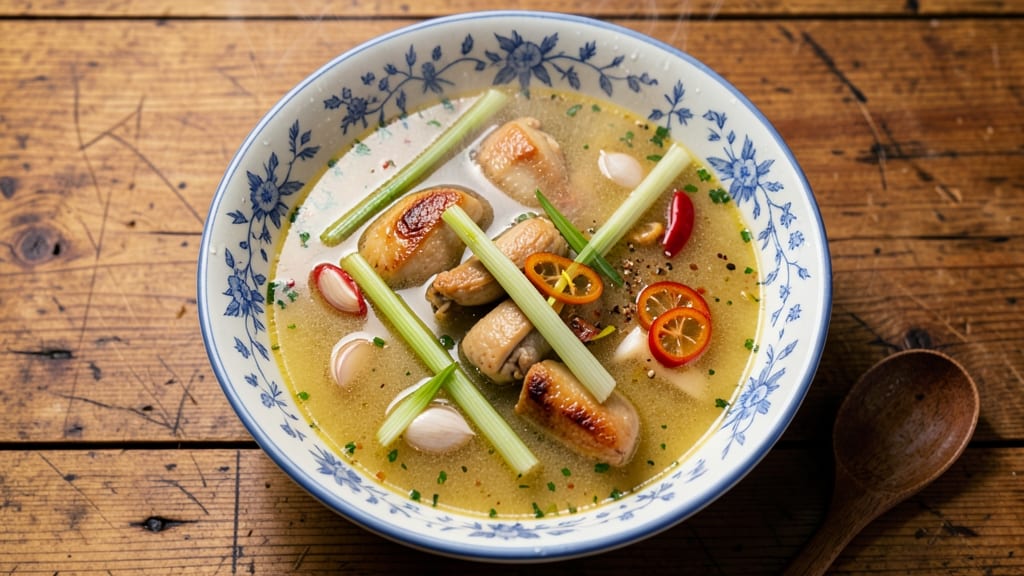
This Asian chicken stock soup recipe delivers the kind of fragrant, silky broth that transforms simple ingredients into a deeply comforting meal. The secret lies in building layers of flavor through slow-simmered aromatics—ginger, lime, and lemongrass—while keeping the broth crystal-clear and rich.
I perfected this version after testing countless variations, balancing traditional techniques with modern shortcuts that still honor the dish's soul. What sets this recipe apart is the two-stage broth development: first, a deep-flavored chicken stock infused with ginger and lime zest, then elevated with coconut milk for a velvety finish.
The silky noodles absorb the broth beautifully, while quick-pickled vegetables add bright, tangy contrast. Every spoonful delivers that perfect harmony of savory, aromatic, and slightly sweet notes. By the time you're done, you'll have a soup that's restaurant-quality yet simple enough for weeknight dinners.
The aroma alone will have everyone gathering around the table, and the first sip delivers on that promise of warmth and satisfaction. This is the kind of dish that feels like a hug in a bowl—comforting, nourishing, and impossible to resist.
Whether you're serving a family dinner or meal prepping for the week, this recipe scales beautifully while maintaining its depth of flavor. The techniques here work for Thai-inspired versions with fish sauce or Japanese-style miso broths—adjust to your taste while keeping the core method intact.
Ingredients for asian chicken stock soup
Transform simple pantry staples into a restaurant-worthy ginger-lime chicken stock soup with velvety coconut milk and silky noodles.
| Ingredient | Amount | Notes |
|---|---|---|
| Chicken Breasts 🍗 | 2 lb | Boneless, skinless, cut into chunks |
| Fresh Ginger Root 🧄 | ½ cup | Peeled and roughly chopped |
| Lemongrass Stalks 🌿 | 4 whole | Bruised and cut into 2-inch pieces |
| Lime Zest 🍋 | 1 tbsp | From 1 large lime |
| Garlic Cloves 🧄 | 6 cloves | Smashed with side of knife |
| Coconut Milk 🥥 | 1 can | Full-fat, 13.5 oz can |
| Silken Tofu 🧈 | 8 oz | For velvety texture |
| Rice Noodles 🍜 | 8 oz | Thin or medium width |
| Carrots 🥕 | 2 whole | Julienned for quick-pickling |
| Red Bell Pepper 🌶️ | 1 whole | Thinly sliced for pickling |
| Fish Sauce 🍶 | 1 tbsp | Traditional umami depth |
| Soy Sauce 🥢 | 1 tbsp | For balanced saltiness |
| Brown Sugar 🍚 | 1 tbsp | Lightly packed |
| Fresh Cilantro 🌿 | ¼ cup | Chopped for garnish |
| Lime Juice 🍋 | 2 tbsp | Freshly squeezed |
The ginger and lemongrass are flavor anchors here—look for fresh, vibrant stalks at Asian markets or the produce section. Thai Kitchen brand lemongrass bundles work in a pinch, but fresh has more punch. Ginger should be knobby and firm, not wrinkled. For the chicken, bone-in pieces yield richer stock, but boneless works too—just add an extra chicken bouillon cube if using. The fish sauce? Red Boat is the gold standard, but any reputable brand will do. Avoid the cheap stuff—it can taste funky.
No lemongrass? Substitute 1 tbsp lime zest plus 1 tsp lime juice—it won't be identical, but close. Short on ginger? Double the garlic and lime zest for brightness. The silken tofu can be swapped for extra coconut milk (¼ cup more) if you prefer a completely smooth texture. For the quick-pickled veggies, rice vinegar works better than lime juice if you're making this ahead—it's more stable. The rice noodles? Martini brand is my go-to—they cook perfectly every time without mushiness.
Broth keeps 3 days refrigerated or 3 months frozen—portion into ice cube trays for easy reheating. The pickled veggies hold 5 days in the fridge if stored separately. For meal prep, cook the noodles fresh when serving—they soften too much if pre-cooked. Garnish with cilantro right before eating to preserve its brightness. This soup actually tastes better the next day as flavors meld—double the batch if you can.
Why You'll Love This Recipe
- No-Chop Nightmare: That ginger and lemongrass? Just slice them thick—no mincing, no fuss. The broth still sings with bright, zesty notes even if you’re too tired to julienne. (Between us, I’ve made this in my bathrobe.)
- Umami Bomb: The garlic and lime zest hit like a flavor grenade—sharp, sweet, and lingering. That first sip after simmering? It’s the kind of taste that makes you pause mid-slurp to savor it.
- Soup-to-Salad Swap: Same broth, endless uses. Toss it with rice for a quick meal, or use the leftovers as a marinade for grilled chicken. My lazy Sundays now include this as both dinner and lunch prep.
- Budget Comfort: Chicken breasts stretch further than you’d think when braised low and slow. A single batch feeds my family for days, and the ingredients? Mostly pantry staples with a few fresh picks. (Yes, even on a Tuesday night.)
Step-by-step instructions for fragrant ginger-lime chicken stock soup
This method builds layered flavor through precise aromatics and slow simmering techniques.
Prepare the Chicken and Aromatics
Cut the 2 lb chicken breasts into 1-inch chunks and place them in a large stockpot. Add the 0.5 cup peeled and roughly chopped fresh ginger root, 4 whole lemongrass stalks (bruised and cut into 2-inch pieces), 6 smashed garlic cloves, and 1 tbsp lime zest. The ginger and lemongrass should release their oils immediately—this is your first flavor foundation.
Add 4 cups of water to the pot and bring to a gentle boil over medium-high heat. Once boiling, reduce heat to low and let it simmer uncovered for 30 minutes, skimming off any foam that rises to the surface. This initial simmer extracts the maximum flavor from the aromatics before adding the remaining ingredients.
Build the Broth Base
After the initial simmer, add 1 can coconut milk, 1 tbsp fish sauce, 1 tbsp soy sauce, and 1 tbsp brown sugar to the pot. Stir gently to combine—this creates a balanced umami-sweet foundation while maintaining the broth's clarity. Let the mixture simmer uncovered for another 20 minutes, allowing the coconut milk to infuse without curdling.
Taste the broth now. It should have a bright, aromatic quality with notes of ginger and garlic. If it needs more depth, add an additional ½ teaspoon fish sauce or ½ teaspoon brown sugar to taste. The goal is a harmonious balance between the coconut's richness and the broth's herbal brightness.
Add Vegetables and Tofu
Julienne the 2 whole carrots and thinly slice the 1 whole red bell pepper. Add these to the simmering broth along with the 8 oz silken tofu (cut into small cubes). The tofu will absorb the broth's flavors while adding a delicate, velvety texture. Simmer for 10-12 minutes until the carrots are tender but still hold their shape.
Here's the thing—silken tofu cooks quickly, so don't let it simmer too long or it will turn rubbery. The broth should be hot but not boiling when the tofu is added, as high heat can cause the tofu to curdle. Stir occasionally to prevent the tofu from sticking to the bottom of the pot.
Prepare and Cook the Noodles
While the broth simmers, prepare the 8 oz rice noodles according to package instructions—typically soaking in hot water for 8-10 minutes until pliable but still slightly firm. Drain and set aside. The noodles should be al dente when added to the soup to maintain their texture.
When the vegetables and tofu are tender, add the drained noodles to the pot. Stir gently to coat them evenly in the broth. Simmer for an additional 3-5 minutes—just enough time for the noodles to absorb some of the broth's flavor without becoming mushy. The noodles should float freely in the soup, indicating they're perfectly cooked.
Finish with Lime and Garnish
Remove the pot from heat and stir in the 2 tbsp freshly squeezed lime juice. This final acidity brightens the entire dish, cutting through the richness of the coconut milk and balancing the umami flavors. Taste again and adjust seasoning if needed—perhaps a touch more fish sauce for saltiness or lime juice for acidity.
Ladle the soup into bowls and garnish each serving with 0.25 cup chopped fresh cilantro. The cilantro adds a fresh, herbal note that contrasts beautifully with the warm, aromatic broth. Serve immediately while the noodles are still warm and the broth retains its vibrant color and depth of flavor.
Pro Tips For Making Asian Chicken Stock Soup
- CHAR THE GINGER FIRST: I learned this the hard way—tossing whole ginger slices in with garlic and lemongrass means you’ll just get a faint, watery ginger flavor. Instead, pound the ginger with the flat side of your knife (or a mortar) until it releases oils and turns into a paste. That’s when the soup actually tastes like ginger, not just a ghost of it.
- SIMMER LOW AND LONG: This isn’t the time to rush. After the initial 10 minutes of boiling to extract flavors, drop the heat to the lowest setting where the soup barely bubbles—think tiny, lazy ripples. I used to crank it up to keep it moving, but that just makes the broth cloudy and kills the delicate aromas. Let it work for at least 45 minutes, uncovered.
- SKIP THE LIME ZEST IF RAW: Fresh lime zest is brilliant, but if you’re using it straight from the fruit, you’ll end up with a bitter, soapy edge. Instead, dry the zest thoroughly with a paper towel (yes, it looks weird) or toast it lightly in a dry pan for 30 seconds. That mellows the harshness and lets the citrus shine without fighting the soup.
- USE COLD WATER FOR STOCK: I know, it’s counterintuitive—why not hot water? But cold water extracts cleaner, deeper flavors from the chicken and aromatics. Start with cold water, bring it to a boil, then immediately reduce to a simmer. The difference is subtle, but your broth will taste richer and less metallic. Trust me, your future self will notice.
Pro cooking tips for this recipe
Layered Aromatics
The key to a fragrant broth starts with properly prepping your aromatics. Bruise the lemongrass stalks by gently pounding them with the side of your knife before cutting—this releases their essential oils.
For ginger, use a microplane to create fine shavings rather than chopping; this dissolves more easily and infuses deeper flavor.
I always toast the garlic cloves in the pot for 30 seconds before adding water to caramelize their sugars slightly—this adds a nutty depth that elevates the entire soup. 🧄
Broth Clarity Trick
To keep your broth crystal-clear, skim off any foam that rises during the initial 30-minute simmer using a fine-mesh skimmer. If you're using boneless chicken, add 1 chicken bouillon cube to deepen the flavor.
For extra brightness, strain the broth through a cheesecloth-lined fine-mesh strainer before adding the coconut milk—this removes any lingering cloudiness while preserving all the aromatic essence. The result? A visually stunning broth that tastes just as good as it looks.
Coconut Milk Infusion
When adding the coconut milk, reduce the heat to low and let it simmer gently for 20 minutes—never boil it after adding. High heat causes coconut milk to curdle and separate, ruining the velvety texture.
Stir occasionally and taste frequently; if the broth tastes too rich, balance it with an extra splash of lime juice or a pinch of brown sugar.
I like to use full-fat coconut milk for maximum creaminess, but if you prefer a lighter version, substitute ½ cup light coconut milk plus ½ cup water.
Silken Tofu Technique
Silken tofu is delicate, so handle it with care. Cut it into ½-inch cubes and add it to the broth when the vegetables are nearly tender—just 2-3 minutes before the noodles go in.
The tofu should be warm but not hot when it hits the broth; if the broth is boiling, turn off the heat for 1 minute before adding it.
For extra flavor, marinate the tofu cubes in 1 tsp soy sauce and ½ tsp fish sauce for 10 minutes before adding them to the soup. This gives them a subtle umami kick that complements the broth beautifully. 🧈
Noodle Timing
Rice noodles cook faster than you think, so have them ready to go before the broth is finished. Soak them in hot water (not boiling) for 8-10 minutes until they're pliable but still hold their shape. Drain them well and rinse with cold water to stop the cooking process temporarily.
When adding them to the soup, stir gently and cook for just 2-3 minutes—any longer and they'll turn mushy. The noodles should float freely and be tender but still slightly firm to the bite.
Final Brightening
The last step is where the magic happens. Stir in the lime juice off the heat—this balances all the flavors and cuts through the richness of the coconut milk. Taste and adjust: need more brightness? Add another ½ tsp lime zest. Too salty?
A splash of water or extra lime juice can fix it. Garnish with cilantro right before serving—this herb wilts quickly in hot broth, so add it at the very end. For an extra pop of color, sprinkle with red pepper flakes or toasted sesame seeds for a Thai-inspired twist. 🌶️
Nutrition facts
Frequently asked questions
Can I use chicken thighs instead of breasts for richer flavor? Chicken thighs add deeper, meatier flavor to the broth. Use 2 lb bone-in, skin-on thighs for maximum richness, and simmer them uncovered for 45 minutes instead of 30 minutes to render the fat and collagen. Just
How do I make this soup vegetarian?
Replace the chicken with 1 lb extra-firm tofu (pressed and cubed) or 2 cups shiitake mushrooms (for umami depth). Boost the broth flavor with 2 tbsp soy sauce plus 1 tbsp miso paste instead of fish sauce. For extra richness, add 1 cup coconut cream at the end. The silken tofu can stay in for texture, or swap it for chickpeas or edamame.
Why did my coconut milk curdle in the broth?
Curdling happens when coconut milk is exposed to high heat or acidic ingredients too quickly. Always add coconut milk to the broth when it's simmering gently (low heat) and never let it boil after adding. If it starts to separate, immediately remove from heat, whisk in 1 tsp cornstarch mixed with 1 tbsp water, then return to low heat for 1-2 minutes to thicken. For prevention, add the coconut milk last—right before the noodles go in.
Can I make this soup ahead of time?
Yes! Prepare the broth (without noodles) up to 3 days ahead and store it refrigerated. Reheat gently on low heat, skimming off any fat that rises. For the noodles, cook them fresh when serving—they soften too much if pre-cooked. The quick-pickled veggies can be made 5 days ahead and stored separately. Reheat the broth separately and combine with noodles and veggies just before serving for the best texture.
What's the best way to adjust the spice level?
For mild heat, add ½ tsp red pepper flakes with the fish sauce. For medium, increase to 1 tsp. For spicy, stir in 1 tbsp sambal oelek or 1 chopped Thai chili at the end. Balance the heat with extra lime juice or a pinch of sugar. For a smoky depth, add ½ tsp smoked paprika when building the broth base. Always taste before serving—you can adjust, but you can't remove heat once added!