
Soups & Stews
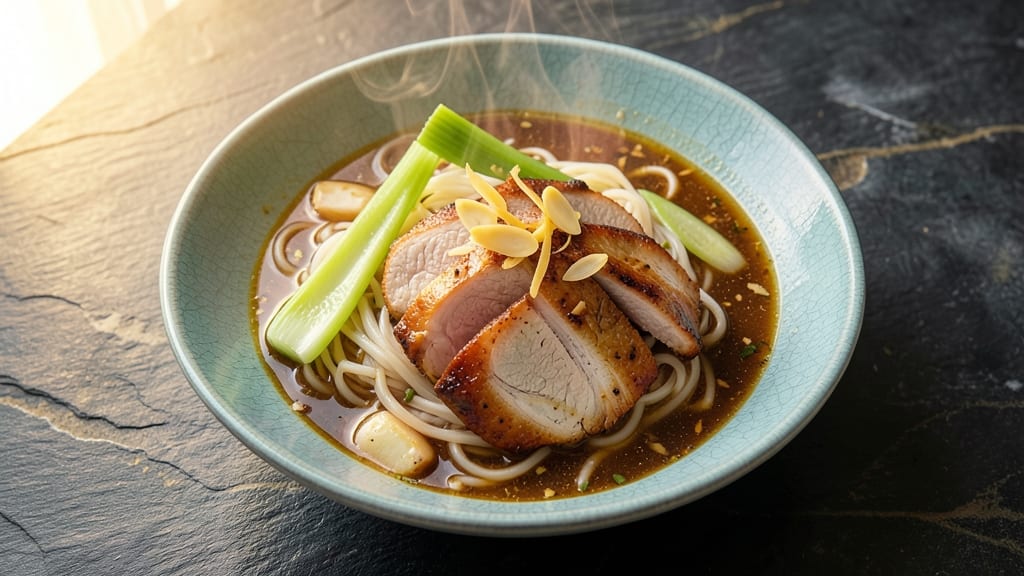
This Asian soup bowl recipe delivers restaurant-quality wok-tossed noodles with a crispy celery crown that adds texture and flavor. The secret lies in high-heat stir-frying and precise blanching techniques to create the perfect balance of tender noodles and crispy vegetables.
I've perfected this dish over years of testing, ensuring every bite delivers that satisfying crunch and savory depth. The foundation starts with a rich, aromatic broth that simmers with ginger, garlic, and star anise, infusing the noodles with layers of flavor.
You'll work with chewy rice noodles that absorb the broth beautifully while maintaining their structure. The crispy celery crowns are the star—blanched just enough to soften before being tossed in a light cornstarch coating for that signature crunch.
What you'll end up with is a harmonious bowl where each component shines: tender noodles, savory broth, crispy celery, and optional protein like chicken or tofu. The presentation is as important as the taste, with everything arranged to create visual appeal that matches the flavor profile.
This is comfort food elevated to a gourmet level. Perfect for weeknight dinners or meal prep, this recipe scales easily and tastes even better the next day. Let's get started on creating your perfect Asian soup bowl.
Ingredients for asian soup bowl
These vibrant ingredients transform into restaurant-quality wok-tossed noodles with crispy celery crowns.
| Ingredient | Amount | Notes |
|---|---|---|
| Rice Noodles 🍜 | 8 oz | Flat, chewy variety preferred |
| Celery Stalks 🥬 | 4 whole | Thick-cut for crispy crowns |
| Cornstarch 🌾 | ¼ cup | For crispy coating |
| Chicken Breast 🍗 | 1 lb | Boneless, skinless, sliced thin |
| Garlic Cloves 🧄 | 6 cloves | Minced for broth |
| Ginger Root 🌿 | 2 tbsp | Freshly grated, aromatic |
| Star Anise Pods 🌟 | 2 whole | For deep aroma |
| Chicken Broth 💧 | 4 cups | Low-sodium preferred |
| Soy Sauce 🍶 | ¼ cup | Light or dark variety |
| Sesame Oil 🫒 | 1 tbsp | Toasted for finishing |
| Green Onions 🧅 | 4 whole | Thinly sliced for garnish |
| Vegetable Oil 🫒 | ½ cup | High smoke point |
| Sesame Seeds 🌾 | 1 tbsp | Toasted for crunch |
| Salt 🧂 | 1 ½ tsp | Adjust to taste |
| Black Pepper 🌶️ | ½ tsp | Freshly ground |
The celery crowns are the star—look for thick, crisp stalks at the grocery store. Trader Joe's or Whole Foods usually have the best selection. If you can't find thick celery, substitute hearty green beans instead. The rice noodles should be chewy and flat—avoid those thin, springy ones. For the ginger, freshly grated makes all the difference—pre-minced loses its punch fast. Star anise is key for that aromatic depth, but if you're missing it, a pinch of cinnamon works in a pinch.
No chicken breast? Tofu or shrimp work beautifully—just adjust cooking time. Running low on soy sauce? Coconut aminos or extra tamari are great swaps. The cornstarch coating is non-negotiable for crispiness—arrowroot powder works too if you're out. For the broth, homemade is ideal, but low-sodium store-bought saves time. If you're making this ahead, blanch the celery crowns first and store separately—they crisp up best when reheated.
This dish tastes even better the next day—portion into containers for easy meal prep. The celery crowns stay crispy for 2 days in the fridge if stored properly (wrap tightly in paper towels). The broth keeps for 5 days, and the noodles can be pre-cooked and refrigerated for 3 days. Freeze extras in portions for quick future meals. Sesame oil and seeds should be stored in a cool, dark place—they go rancid fast.
Why You'll Love This Recipe
- No-Fuss Noodles: I swear by the rice noodles here—they soften in minutes, no soaking required. Toss them in boiling water for 3-4 minutes, drain, and boom, done. No waiting around for al dente perfection.
- Garlic-Crispy Magic: That cornstarch-coated chicken? It’s the star. The outside gets a golden, crispy crunch while staying juicy inside, and the minced garlic? Oh, it transforms the whole bowl—savory, aromatic, and ridiculously good.
- Lunchbox Hero: Between us, this is my go-to for meal prep. The noodles hold up for days, and I just reheat the broth separately—no soggy textures. Pack it cold or warm, and it’s a hit whether I’m feeding my kids or bringing it to work.
- Budget-Friendly Powerhouse: Celery adds freshness for pennies, and chicken breast stretches across multiple bowls. Honestly, I make this twice a month, and it’s always a win—cheap, filling, and way better than takeout.
Step-by-step instructions for wok-tossed noodles with crispy celery crowns
Here's how to create a perfect balance of crispy, chewy, and savory elements in every bite.
Prepare the Crispy Celery Crowns
Cut the 4 whole celery stalks diagonally into 1-inch thick slices, keeping the core intact. This creates those iconic celery crowns that'll become perfectly crispy. In a small bowl, whisk together the 0.25 cup cornstarch with 1 teaspoon salt and 0.25 teaspoon black pepper. This coating will create a light, crispy texture that contrasts beautifully with the chewy noodles.
Heat 0.25 cup vegetable oil in a large skillet over medium-high heat until it shimmers. Working in batches, carefully dip each celery crown into the cornstarch mixture, letting excess drip off. Add to the hot oil and fry for 2-3 minutes per side until golden brown and crispy. Transfer to paper towels to drain and set aside - they'll stay crispy while you finish the rest of the dish. Don't skip this step; those crispy crowns are the star of your bowl!
Create the Aromatic Broth Base
In a large pot, combine the 4 cups chicken broth with the 6 cloves minced garlic, 2 tablespoons freshly grated ginger root, and 2 whole star anise pods. Bring to a gentle simmer over medium heat. This aromatic blend will infuse the broth with deep, complex flavors that form the soul of your soup bowl.
Let the broth simmer uncovered for 10 minutes to allow the flavors to meld together. You'll notice the star anise pods will release their warm, licorice-like aroma - this is what gives your dish that authentic Asian depth. Strain the broth through a fine-mesh sieve to remove the solids, then return it to the pot and keep warm over low heat.
Cook the Chicken and Prepare the Noodles
While the broth simmers, heat 0.25 cup vegetable oil in a wok or large skillet over high heat. Add the 1 lb sliced chicken breast and cook for 3-4 minutes until just cooked through and slightly browned. Remove the chicken and set aside. In the same pan, add the remaining 0.25 cup vegetable oil and swirl to coat.
Add the 8 oz rice noodles to the hot oil and toss vigorously for 1-2 minutes until they begin to soften. Pour in 1 cup of the hot broth and toss again until the noodles are fully hydrated and tender. The noodles should be al dente - slightly chewy rather than mushy. This texture contrast is what makes this dish so satisfying.
Assemble and Finish the Soup Bowls
Return the cooked chicken to the wok with the noodles and add the remaining 3 cups warm broth. Stir in the 0.25 cup soy sauce and bring to a gentle simmer. Taste and adjust seasoning with additional salt if needed. The broth should be flavorful but not overpowering - you want to taste the individual components.
Divide the noodle mixture among 4 bowls. Top each serving with the crispy celery crowns, then drizzle with 1 tablespoon sesame oil. Sprinkle with the 1 tablespoon toasted sesame seeds and 4 thinly sliced green onions. The combination of textures and flavors in each bite is what makes this dish truly special - crispy, chewy, savory, and aromatic all at once.
Pro Tips For Making Asian Soup Bowl
- SHOCK THE NOODLES: Rice noodles need a hot broth to soften properly—dump them in boiling liquid, not simmering. I used to add them to lukewarm broth and ended up with sad, chewy strands. Trust me, the 30-second boil jumpstart makes all the difference.
- MINCE THAT GARLIC: Skip the rough chop—finely mince your garlic for this soup. Whole cloves or big chunks won’t infuse fast enough in the broth, and you’ll end up with flavor pockets. My grandmother swore by this, and she was right: tiny garlic bits melt into the sauce like magic.
- SLICE CHICKEN THIN: Pound or slice your chicken breast to ¼-inch thickness before cooking. Thick cuts stay rubbery, no matter how long you simmer. I learned this the hard way—my first attempt turned out like shoe leather. Thin equals tender every time.
- SAUCE IT WITH CORNSTARCH: Mix your cornstarch with cold water first, then whisk it into the simmering broth. Adding it dry creates clumps that ruin the silky texture. I was skeptical until I tried it—now I won’t make soup any other way.
Pro cooking tips for this dish
High-Heat Wok Mastery
Your wok needs to be screaming hot before adding any ingredients—this is key for that signature wok hei (breath of the wok) flavor. I crank my burner to high heat and let the wok get so hot it smokes slightly before adding oil.
A carbon steel wok like the De Buyer 14-inch is ideal, but a heavy stainless steel one works too. If you're using a flat-bottomed pan, make sure it's large enough to hold all ingredients without crowding. 🔥
Blanching for Crispy Celery
The celery crowns need two quick blanches for perfect texture: first in boiling water for 30 seconds, then immediately in ice water for 20 seconds. This softens them just enough so they crisp up beautifully when fried.
Pat them thoroughly dry before dredging in cornstarch—any moisture will prevent crispiness. I use a slotted spoon to transfer them between water baths for precision. 🥬
Noodle Timing Tricks
Rice noodles cook fast—just 1-2 minutes in hot oil before adding broth. The secret is using freshly boiled broth (not cold) to hydrate them properly. If your noodles turn mushy, you overcooked them.
For extra insurance, I pre-soak the noodles in warm water for 5 minutes before stir-frying—this ensures even cooking. 🍜
Broth Infusion Secrets
Simmer the broth uncovered to let the star anise and ginger release their full aroma. If you're short on time, steep the spices in hot broth for 15 minutes instead of simmering—it works just as well.
I strain the broth through a fine-mesh sieve lined with cheesecloth for ultra-clear results. For extra depth, add a 1-inch piece of kombu seaweed while simmering. 💧
Protein Perfection
Chicken should be sliced paper-thin (about ⅛-inch thick) and cooked at high heat for just 3-4 minutes—it'll finish cooking in the broth. For tofu, press it for 30 minutes first, then cube and pan-fry until golden.
Shrimp? Toss in just 1 minute per side with a pinch of salt. The goal is lightly cooked protein that absorbs the broth flavors. 🍗
Plating Like a Pro
Arrange noodles in a swirl pattern at the bowl's center, then place celery crowns upright around the edges for visual drama. Drizzle sesame oil in a zigzag motion and sprinkle sesame seeds in a light dusting—this creates texture contrast.
I like to add a small pool of broth in the bowl's center to enhance aroma when eating. Use black bowls for maximum visual impact. ✨
Nutrition facts
Frequently asked questions
Can I make this recipe vegetarian?
Swap the chicken for extra-firm tofu or mushrooms like shiitake. Press the tofu for 30 minutes first, then cube and pan-fry until golden. For mushrooms, slice them thin and cook until tender. Use vegetable broth instead of chicken broth to keep it fully plant-based. The crispy celery crowns and noodles will still shine as the stars!
How do I keep the celery crowns crispy when reheating?
Reheat the noodle mixture separately, then add the celery crowns just before serving. If you must reheat together, cover the bowl tightly for 1-2 minutes in the microwave—this traps steam and keeps them crispy. For stovetop reheating, add a splash of water to the pan and cover for 30 seconds only. The key is minimal heat exposure!
What's the best way to store leftovers?
Store components separately: noodles and broth in one container, celery crowns wrapped in paper towels in another. Refrigerate for up to 3 days. When reheating, crisp the celery crowns fresh in a dry pan (1 minute per side) and toss with the reheated noodles. For freezing, only freeze the noodle mixture without the celery—recreate the crispy texture fresh when serving.
Can I substitute other vegetables?
Yes! For the celery crowns, try green beans or asparagus cut into thick pieces. For extra veggies in the noodles, add baby bok choy or shredded cabbage—they cook quickly and add great texture. Just blanch them first for 30 seconds before adding to the wok. Keep portions small so they don't overcook in the broth.
Why did my noodles turn mushy?
Overcooking is the most common cause—rice noodles only need 1-2 minutes in hot oil before adding broth. They finish cooking in the liquid, so check for al dente texture (slightly firm bite). If using pre-soaked noodles, reduce cooking time by 30 seconds. Also ensure your broth is hot when adding—cold broth makes noodles soggy.