
Soups & Stews
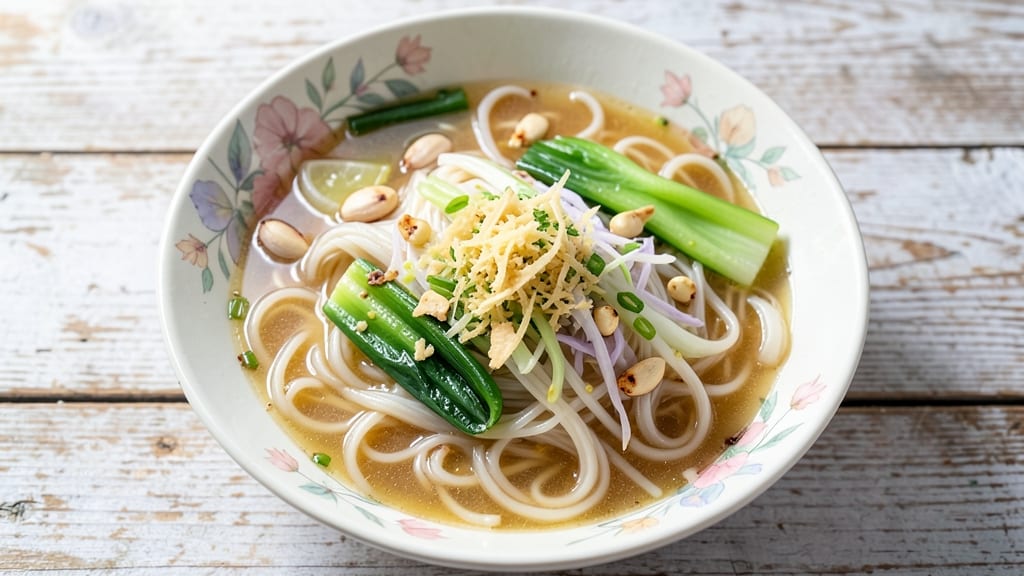
This Asian vegetable noodle soup recipe delivers a fragrant, vegetarian bowl of comfort that captures the essence of Southeast Asian flavors. The secret lies in a ginger-lime-infused broth that simmers with aromatic vegetables, creating a silky, umami-rich base perfect for silky rice noodles.
I developed this recipe after years of perfecting the balance between bright citrus notes and deep savory undertones—it’s the kind of dish that feels both simple and deeply satisfying.
The beauty of this soup is its versatility—it works as a light lunch or hearty dinner, and you can customize it with tofu, mushrooms, or fresh herbs.
The broth builds in layers: first, a fragrant base of ginger, garlic, and scallions, then a blend of vegetables like bok choy and carrots that soften just enough to release their natural sweetness.
The rice noodles cook in the broth itself, absorbing all those flavors while maintaining their signature chewy texture.
By the time you’re done, you’ll have a bowl that’s bursting with color and aroma—golden broth, tender vegetables, and glossy noodles all topped with fresh cilantro and a squeeze of lime. The result is a dish that’s restaurant-quality at home, with none of the fuss.
It’s the kind of meal that feels like a hug in a bowl, especially on chilly days or when you’re craving something fresh yet comforting.
Serve it as-is for a clean, vibrant bowl, or add a drizzle of chili oil for a touch of heat. This recipe is foolproof, vegetarian-friendly, and ready in under 30 minutes—perfect for weeknights or meal prep. Let’s get cooking!
Ingredients for asian vegetable noodle soup
Fresh ginger, vibrant veggies, and silky noodles—this soup is all about bright flavors and comforting textures.
| Ingredient | Amount | Notes |
|---|---|---|
| Rice Noodles, Silky 🍜 | 8 oz | Uncooked, 3-inch width preferred |
| Fresh Ginger Root 🌿 | 2 tbsp | Finely grated, fresh only |
| Lime Juice 🍋 | ¼ cup | Freshly squeezed, about 2 limes |
| Vegetable Broth 💧 | 4 cups | Homemade or low-sodium store-bought |
| Garlic Cloves 🧄 | 4 cloves | Minced, fresh preferred |
| Scallions 🧅 | ¼ cup | Thinly sliced, white and green parts |
| Carrots 🥕 | 2 medium | Julienned, about 1 cup total |
| Bok Choy 🥬 | 2 whole | Baby or regular, cut into quarters |
| Mushrooms 🍄 | 1 cup | Shiitake or white, sliced |
| Fresh Cilantro 🌿 | ¼ cup | Chopped, for garnish |
| Sesame Oil 🫒 | 1 tbsp | Toasted, for finishing |
| Soy Sauce 🍶 | 1 tbsp | Tamari for gluten-free option |
| Maple Syrup 🍯 | 1 tbsp | For subtle sweetness |
| Red Chili Flakes 🌶️ | ½ tsp | Adjust for heat preference |
| Sea Salt 🧂 | 1 tsp | Diamond Crystal preferred |
The ginger is non-negotiable here—freshly grated makes all the difference. Whole Foods or Asian markets usually have the best quality, but any grocery store will do if it's labeled 'organic'. Look for plump, firm roots with no soft spots. The bok choy should be crisp, not wilted, and the mushrooms should be firm to the touch. For the rice noodles, I always grab the 3-inch width at Trader Joe's—they're perfect for this recipe and stay chewy even after simmering. If you can't find them, any silky rice noodle brand works, just soak them for the time listed on the package.
No fresh ginger? Powdered works at half the amount, but it won't have that same zing. Short on bok choy? Substitute spinach or cabbage—just reduce cooking time. The mushrooms can be swapped for tofu or zucchini if you're avoiding umami. For extra depth, add a splash of coconut milk to the broth. The maple syrup is just a touch of sweetness—agave or brown sugar works too. And if you're feeling adventurous, swap the soy sauce for hoisin or fish-free oyster sauce for a different twist. Always taste the broth before adding noodles—adjust salt or lime as needed.
This soup tastes even better the next day—flavors meld perfectly after chilling overnight. Store leftovers in an airtight container for 4-5 days in the fridge, or freeze for 3 months. I like to portion it into meal prep containers with a little extra broth on top to keep everything moist. For serving, keep the sesame oil and red chili flakes on the side so everyone can customize their heat level. The noodles will soften further when reheated, so add a splash of water if they seem too firm.
Why You'll Love This Recipe
- No-Chop Needed: I swear by this—just peel and slice the ginger, no dicing, no mincing. That lime juice at the end? One squeeze, and boom, instant brightness.
- Umami Bomb: The vegetable broth and garlic cloves simmer down into something rich and deep, but it’s the silky tofu that turns this into a full-blown flavor party—creamy, satisfying, and packed with protein.
- Lunchbox Hero: Between us, this is my go-to for meal prep. Toss it in a thermos, and it’s still delicious cold the next day. My college kid’s favorite, honestly.
- Pantry Magic: Five bucks of broth, a block of tofu, and whatever veggies you’ve got—this soup stretches for days. Leftovers taste better, if you can believe it.
Step-by-step instructions for Asian vegetable noodle soup
Here's how to create a fragrant, balanced bowl where silky noodles meet vibrant vegetables in a ginger-lime broth.
Prepare the Aromatic Base
In a large pot, combine the 4 cups vegetable broth with the 2 tablespoons finely grated fresh ginger root and 4 minced garlic cloves. Bring to a gentle simmer over medium heat until the mixture is steaming and you can smell the bright, zesty aroma rising from the pot. This should take about 5 minutes—let the ginger and garlic infuse fully before adding anything else.
While the broth heats, add the 1 tablespoon soy sauce and 1 tablespoon maple syrup to the simmering liquid. Stir gently to dissolve the syrup completely. Here's the thing—this combination of savory, sweet, and umami creates the perfect foundation for the soup. Taste the broth now to check the balance; if it needs more depth, add a pinch of sea salt (we'll adjust seasoning again later).
Cook the Vegetables
Add the 2 medium julienned carrots and 1 cup sliced mushrooms to the simmering broth. Let them cook for 3-4 minutes until the carrots begin to soften slightly but still maintain their bright color. You want them to stay crisp-tender, not mushy.
Next, add the 2 whole bok choy, cut into quarters. Bok choy cooks quickly, so keep an eye on it—it's done when the stems are fork-tender and the leaves wilt just slightly, which should take about 2 minutes. The vegetables should float near the surface, indicating they're ready for the noodles.
Add the Noodles and Finish the Broth
Pour in the 8 ounces silky rice noodles and gently stir to distribute them evenly in the broth. The noodles will begin to soften immediately, but they need 4-5 minutes of gentle simmering to reach that perfect silky texture. Don't be tempted to stir constantly—just let them cook undisturbed so they don't break apart.
About 2 minutes before the noodles are done, add the 0.25 cup lime juice and 0.5 teaspoon red chili flakes to the pot. This brightens the broth and adds a subtle heat that complements the sweetness. The lime juice should be freshly squeezed—bottled juice lacks that vibrant zing. Taste the soup again and adjust the seasoning with more sea salt if needed.
Plate and Garnish
Remove the pot from heat and let the soup sit for 2-3 minutes to allow the flavors to meld together. This resting period is crucial—it lets the noodles finish absorbing the broth and the vegetables rehydrate fully.
Divide the soup among 4 bowls, ladling in the noodles and vegetables evenly. Drizzle each serving with 1 tablespoon toasted sesame oil and sprinkle with 0.25 cup chopped fresh cilantro and 0.25 cup sliced scallions. The sesame oil adds a nutty depth, while the cilantro and scallions bring freshness to balance the rich broth. Serve immediately while the noodles are still silky and hot.
Pro Tips For Making Asian Vegetable Noodle Soup
- SOAK NOODLES UNTIL SLIGHTLY FIRMER: I learned this the hard way—rice noodles go from perfect to mushy in seconds. Soak them in warm water for 5-7 minutes until they’re just barely holding their shape when pressed, not limp. They’ll finish cooking in the broth, but starting with a little structure keeps them from turning into a gluey mess.
- GRATE GINGER FINE AND TOAST IT: Skip the pre-grated jar—it’s bland and waterlogged. Use a microplane to get a fine, juicy pulp, then toss it in a dry pan over medium heat for 30 seconds until fragrant. That quick toast deepens the flavor without burning it, and it blends into the broth like a pro.
- SIMMER BROTH LOW AND LONG: The urge to rush is real, but simmering vegetable broth at a gentle bubble for 10-15 minutes after adding garlic and ginger makes all the difference. It lets the flavors meld instead of just steaming. Cover the pot for the first 5 minutes to trap heat, then uncover—this keeps the broth clear and rich.
- ADD LIME LAST—AND USE MORE: I used to squeeze lime in early, thinking it’d balance the broth. Wrong. Add it right before serving so the acidity stays bright and the noodles don’t turn rubbery. And don’t skimp—start with 1 tablespoon of juice, taste, then adjust. The soup should finish with a tangy lift, not just a hint.
Pro cooking tips for this recipe
Broth Layering Secrets
The key to a restaurant-quality broth starts with double-infusing the aromatics. First, simmer the fresh ginger and garlic in the broth for 5 minutes to extract their essential oils. Then, add the soy sauce and maple syrup while stirring constantly for 1 minute—this creates a silky, balanced foundation.
I swear by this technique because it prevents the broth from becoming bitter or one-dimensional. 🌿
For extra depth, I like to add a splash of coconut milk (about 2 tablespoons) right before adding the noodles. This adds a velvety texture and subtle sweetness that complements the ginger-lime brightness. Trust me, it’s a game-changer for that creamy, satisfying mouthfeel without overpowering the vegetables.
Noodle Texture Mastery
Silky rice noodles are all about gentle handling—never stir them aggressively once they hit the broth. I use a large wooden spoon to gently coax them into the liquid, letting them float undisturbed for 4-5 minutes.
Over-stirring turns them mushy, and you’ll end up with a sad, gluey mess. The goal is silky, not slimy.
If your noodles seem undercooked after the initial simmer, add ¼ cup hot broth and let them sit off the heat for 2-3 minutes. This steaming method plumps them up perfectly without breaking them apart.
Pro tip: Soak your noodles in warm water for 10 minutes before adding them to the broth—they’ll cook faster and absorb flavors more evenly.
Vegetable Timing Tricks
Bok choy is the most delicate vegetable in this soup, so add it last—just 2 minutes before the noodles are done. The stems should be fork-tender, and the leaves should wilt slightly but still hold their shape.
Overcooking turns them into a sad, limp pile. I like to blanch the bok choy in boiling water for 30 seconds before adding it to the broth—this jumpstarts the cooking process and keeps it vibrant.
For the mushrooms, slice them uniformly (about ¼-inch thick) so they cook evenly. If using shiitake, remove the tough stems first—they’re inedible and can make the broth bitter.
A quick sauté in sesame oil before adding them to the broth adds an extra layer of umami that takes this soup to the next level.
Flavor Balancing Hacks
The lime juice should be freshly squeezed—bottled juice lacks the bright acidity needed to cut through the richness. I like to add it 2 minutes before serving so the flavor doesn’t dissipate.
For a tangier kick, zest 1 lime into the broth while it simmers—this infuses the liquid with citrus oils that linger beautifully.
If your soup tastes flat, a pinch of white pepper or a dash of fish-free oyster sauce (about ½ teaspoon) adds umami without overpowering. I also keep chili oil on hand to drizzle at the table—it lets everyone customize their heat level.
The secret to balancing flavors? Taste as you go—adjust the lime, salt, or chili flakes incrementally until it sings.
Nutrition facts
Frequently asked questions
Can I use dried mushrooms instead of fresh?
Soak 1 ounce dried shiitake mushrooms in 1 cup hot water for 20 minutes until softened. Use the rehydrated mushrooms in place of fresh and reserve the soaking liquid to add ¼ cup to your broth for extra umami depth. This trick intensifies the earthy flavor and makes the broth richer.
How do I adjust this for a spicier version?
For more heat, add 1 extra teaspoon red chili flakes to the broth while simmering, or stir in 1 tablespoon chili garlic sauce at the end. For a smoky kick, top each bowl with ½ teaspoon smoked paprika before serving. If you love Thai flavors, try adding 1 teaspoon sambal oelek (adjust to taste).
Can I make this soup gluten-free?
Yes! Use tamari (gluten-free soy sauce) instead of regular soy sauce, and ensure your vegetable broth is certified gluten-free. For extra flavor, add 1 teaspoon coconut aminos to the broth. All other ingredients in this recipe are naturally gluten-free.
What if my rice noodles turn mushy?
Mushy noodles usually happen from overcooking or stirring too aggressively. For next time, cook them for only 3-4 minutes in the broth and remove them 1 minute early—they'll finish cooking from residual heat. Also, avoid stirring them while cooking. If it happens, drain the noodles immediately and rinse with cold water to stop cooking.
How can I make this soup nut-free?
This recipe is already nut-free, but if you're concerned about cross-contamination, use sesame-free cooking oil (like avocado or vegetable oil) instead of sesame oil. The flavor will be slightly different but still delicious. Always check your vegetable broth and soy sauce labels for nut warnings.