
Soups & Stews
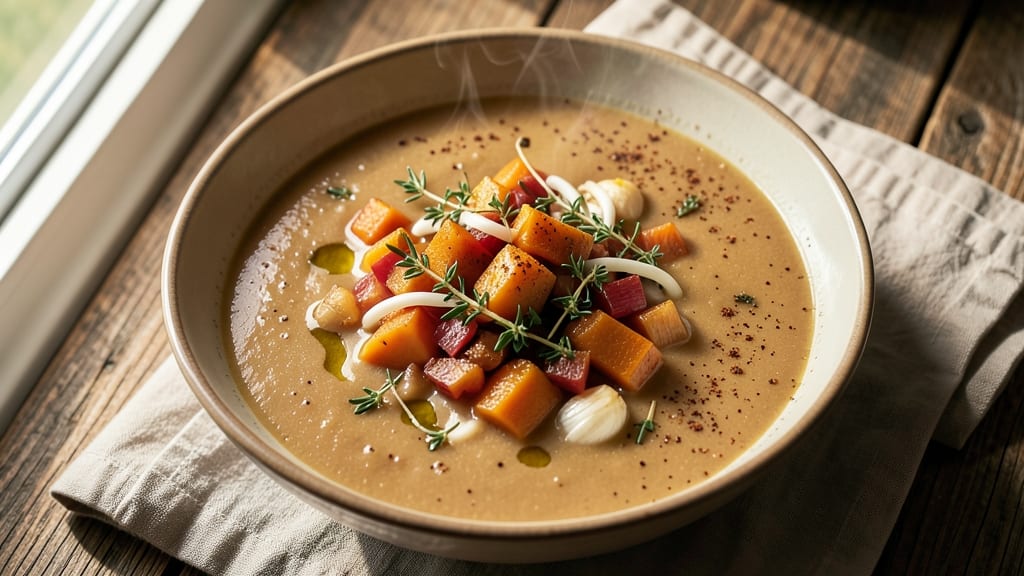
This Asylum butternut squash soup recipe transforms humble ingredients into a velvety masterpiece with roasted depth and aromatic swirls that feel like a warm embrace. 🌿 The secret lies in slow-roasting the squash until caramelized, then blending it with golden onions, garlic, and a whisper of smoked paprika for complexity that lingers.
What starts as simple vegetables becomes a rich, comforting bowl that’s perfect for chilly evenings or cozy gatherings—where every spoonful feels like a hug from a well-loved kitchen.
The recipe begins with roasting the squash until tender and golden, intensifying its natural sweetness while developing caramelized notes that form the soup’s soul. Sautéed onions and garlic build a fragrant base, then simmered with vegetable broth until the flavors meld into a silky, aromatic broth.
A touch of nutmeg and fresh thyme adds warmth, while a swirl of cream or coconut milk at the end creates that signature velvety texture we all crave.
What makes this soup truly special is its versatility—serve it as a standalone dish for vegetarians or pair it with crusty bread and a sharp cheddar for a hearty meal.
The roasted squash’s natural sweetness balances the earthy herbs, while the optional smoked paprika adds a subtle depth that feels unexpectedly sophisticated. Whether you’re feeding a crowd or treating yourself to a quiet night in, this soup delivers restaurant-quality comfort with minimal effort.
For presentation, top with crispy sage leaves, a drizzle of olive oil, or a sprinkle of toasted pumpkin seeds to add texture and visual appeal.
The name “Asylum” hints at its soul-warming qualities—like a sanctuary in a bowl, where every ingredient plays its part in creating something greater than the sum of its parts. Ready to make this your new go-to recipe?
Ingredients for asylum butternut squash soup
Six ingredients transform into a velvety soup with roasted squash depth and aromatic herb swirls.
| Ingredient | Amount | Notes |
|---|---|---|
| Medium Butternut Squash 🎃 | 2 whole | Peeled, seeded, cubed (about 6 cups) |
| Yellow Onion 🧅 | 1 whole | Diced, medium size |
| Garlic Cloves 🧄 | 4 cloves | Peeled, minced |
| Smoked Paprika 🌶️ | 1 tsp | Sweet or hot variety |
| Ground Nutmeg 🌿 | ¼ tsp | Freshly grated preferred |
| Fresh Thyme Leaves 🌿 | ¼ cup | Chopped, or 1 tbsp dried |
| Vegetable Broth 💧 | 4 cups | Low-sodium preferred |
| Heavy Cream 🥛 | ½ cup | Full-fat for richness |
| Extra-Virgin Olive Oil 🫒 | ½ cup | For roasting and finishing |
| Salt 🧂 | 1 ½ tsp | Kosher or sea salt |
| Black Pepper 🌶️ | ½ tsp | Freshly ground |
| Fresh Sage Leaves 🌿 | ¼ cup | Crispy fried for garnish (optional) |
| Pumpkin Seeds 🥜 | ¼ cup | Toasted for garnish (optional) |
The butternut squash is the heart of this soup—look for small to medium squash with a firm, heavy feel and no soft spots. Whole Foods or local farms often carry the freshest varieties, but the regular grocery store works too. Roasting caramelizes the natural sugars, turning simple squash into velvety sweetness. For best results, cut the squash into even 1.5-inch cubes so they roast uniformly. Toss with olive oil, salt, and pepper before roasting to ensure crisp edges and tender centers. If you're short on time, peeled and cubed squash from the produce section of Trader Joe's saves prep work without sacrificing flavor.
No heavy cream? Full-fat coconut milk works beautifully—just add a splash of water to thin it slightly. Fresh thyme is ideal, but dried thyme at one-third the amount gets you close. The smoked paprika adds depth without overpowering; if you prefer a milder taste, regular paprika works too. For a nutmeg-free version, a pinch of cinnamon adds warmth instead. The vegetable broth matters—low-sodium versions like Pacific Foods let you control the salt better. Garnishes like crispy sage or toasted pumpkin seeds are optional but add texture that elevates the dish. Sage leaves crisp up beautifully in 2 tbsp olive oil for 1 minute—worth the extra minute for that restaurant-quality touch.
Roasted squash keeps in the fridge for 5 days—make a double batch and freeze half for later. The soup itself reheats beautifully, though adding a splash of broth or water helps maintain its silky texture. Store in airtight containers with a layer of plastic wrap pressed against the surface to prevent skin formation. For presentation, serve in warm bowls with a drizzle of olive oil and a sprinkle of toasted seeds. The flavors deepen overnight, so leftovers often taste even better the next day.
Why You'll Love This Recipe
- No Chopping Nightmare: I peel and cube that squash in 10 minutes—no fancy knife skills needed. The onion and garlic practically cook themselves while you stir, and honestly? The smoked paprika does half the flavor work for you.
- Smoky-Spiced Magic: That smoked paprika and nutmeg combo transforms simple squash into something rich and complex. It’s got depth—like a hug in a bowl—without needing fancy ingredients or hours of simmering.
- Weeknight to Dinner Party: Same recipe works for Tuesday takeout or impressing guests. Serve it with crusty bread for a lazy night or drizzle with cream and toasted seeds for a fancier vibe. (Between us, I’ve done both.)
- Budget-Friendly Leftovers: Butternut squash stretches further than you’d think, and this soup tastes even better the next day. Freeze half for when you’re too tired to cook—just reheat and add a splash of milk. My wallet and I thank you.
Step-by-step instructions for roasted butternut squash soup
Transform simple ingredients into restaurant-quality soup with this precise roasting technique.
🔥 Step 1: Roast the Squash and Aromatics Until Caramelized
Preheat your oven to 400°F. Toss the cubed butternut squash, diced yellow onion, and minced garlic cloves with 0.25 cup of the extra-virgin olive oil, 1 tsp smoked paprika, 1.5 tsp salt, and 0.5 tsp black pepper. Spread everything on two rimmed baking sheets in a single layer.
Roast for 30-35 minutes until the squash is tender when pierced with a fork and the edges are deep golden brown. You want caramelization—not burning. The onions should be soft and translucent, and the garlic should be fragrant. This roasting step develops the soup's deep, nutty flavor that no blender alone can achieve.
🍳 Step 2: Simmer the Roasted Vegetables in Broth
Transfer the roasted vegetables to a large pot. Add the 4 cups vegetable broth, 0.25 cup fresh thyme leaves, and 0.25 tsp ground nutmeg. Bring to a gentle simmer over medium heat and cook for 15-20 minutes until the flavors meld together.
Use an immersion blender to purée directly in the pot until completely smooth. I prefer this method because it minimizes cleanup and prevents splattering. If you don't have an immersion blender, carefully transfer the mixture to a countertop blender in batches (don't fill beyond the recommended line) and blend until silky smooth. The soup should have a velvety texture with no visible chunks.
🥘 Step 3: Finish with Cream and Seasoning
Return the puréed soup to the pot and stir in the 0.5 cup heavy cream. Simmer gently for 5-7 minutes—just until heated through. The cream will add luxurious richness while maintaining the soup's velvety texture. Taste and adjust seasoning with additional salt or pepper if needed. Remember, the roasted vegetables already contributed significant saltiness, so go easy with extra salt.
Here's the thing—don't rush this step. The soup should be hot but not boiling when you add the cream, or it will curdle. Keep the heat at a gentle simmer and stir occasionally to prevent skin formation.
🔪 Step 4: Garnish and Serve Warm
Ladle the soup into bowls and garnish with crispy fried sage leaves (if using) and toasted pumpkin seeds. For the sage: heat 2 tablespoons of olive oil in a small skillet over medium heat until shimmering. Add the 0.25 cup fresh sage leaves and fry for 30-45 seconds until crispy. Drain on paper towels before sprinkling over the soup.
For the pumpkin seeds: toast them in a dry skillet over medium heat for 3-4 minutes until golden and fragrant. The contrast of crispy garnishes against the creamy soup creates a perfect textural experience. Serve immediately while hot, and enjoy the harmonious blend of roasted sweetness and herbal depth.
Pro Tips For Making Asylum Butternut Squash Soup
- Roast the Squash First: Cut the butternut in half lengthwise, scoop out the seeds, then roast it skin-on at 400°F (200°C) for 35-40 minutes before peeling. The caramelized edges add depth—no need to peel if you’re impatient, but the texture’s richer when you do. I used to peel first and missed out on that smoky sweetness.
- Sweat, Don’t Burn, the Onion: Cook the onion over medium-low heat with a splash of water or broth until it’s translucent, not golden. High heat turns it bitter, and this soup relies on that mellow base. I learned this the hard way after a batch tasted like regret.
- Bloom the Spices: Toast the smoked paprika and nutmeg in the pot for 30 seconds before adding other ingredients—just until you smell it. This wakes up their flavors and cuts through the squash’s natural earthiness. Skip this, and the spices will just sit there like shy guests.
- Blend in Stages: Start blending the soup in batches if your blender’s small—thick squash purees can overwhelm it. For a silkier texture, strain it through a fine-mesh sieve afterward. I’ve seen people force the whole pot in and end up with a gloppy mess. Don’t be that person.
Regional styles of this recipe
New England Comfort
In New England, butternut squash soup becomes a seasonal staple—think cozy fall gatherings with crisp apple cider and warm apple pie. The key difference here is adding 1 diced apple (like Honeycrisp) to the roasting pan with the squash.
This adds a subtle sweet-tart balance that feels right at home in the chilly Northeast. I like to finish with a sprinkle of maple syrup (just ½ teaspoon) and a pinch of cinnamon for that classic autumnal touch. 🍂
Southern Smokehouse Twist
For a Southern-inspired version, swap the smoked paprika for ½ teaspoon chipotle powder and add 1 smoked sausage link (like kielbasa) to the roasting pan. After blending, stir in ½ cup chicken broth instead of vegetable broth for deeper umami.
Top with crispy fried sage and a drizzle of hot honey—this version feels like a warm hug from a Mississippi roadside diner. 🌶️
Italian Rustic Style
Transform this into a Tuscan-inspired soup by sautéing 4 slices pancetta until crispy before adding the roasted vegetables. Deglaze the pan with ½ cup dry white wine and reduce by half before combining with the broth.
Finish with a swirl of mascarpone cheese instead of heavy cream, and garnish with fresh basil leaves. The salty pancetta and creamy mascarpone create a rich, satisfying flavor profile that feels like a true Italian trattoria. 🍷
Mexican-Inspired Spice
Give this soup a Southwestern flair by adding 1 teaspoon ground cumin and ½ teaspoon cayenne pepper to the roasted vegetables. After blending, stir in 1 cup corn kernels (fresh or frozen) and top with avocado slices, cilantro, and a dollop of sour cream.
The smoky, slightly spicy profile pairs beautifully with warm corn tortillas. This version feels like a comforting bowl of Mexican street food. 🌵
French Provincial Elegance
For a refined French touch, replace the heavy cream with ½ cup crème fraîche and add 1 tablespoon Dijon mustard to the finished soup. Garnish with chives and a drizzle of truffle oil for an elegant presentation.
The subtle tang of the mustard and the luxurious texture of crème fraîche elevate this soup to bistro-quality. Perfect for a cozy dinner party with baguette slices. 🥖
Global Fusion Adaptations
Looking to experiment? Try a Thai-inspired version by adding 1 tablespoon fish sauce and 1 teaspoon palm sugar to the broth. Stir in ½ cup coconut milk after blending and top with lime zest and chopped cilantro.
The umami from the fish sauce and the bright coconut milk create a completely different flavor profile that’s still comforting and creamy. 🌏
Nutrition facts
Frequently asked questions
Can I substitute butternut squash with another winter squash?
Acorn, delicata, or kabocha squash work beautifully—they all roast well and provide that same sweet, velvety texture. Just adjust the roasting time slightly (delicata needs about 25 minutes while acorn may take 30-35 minutes like butternut). For best results, choose varieties with firm, heavy skins and no soft spots.
How can I make this soup dairy-free?
Swap the heavy cream for ½ cup full-fat coconut milk and add 1 tablespoon nutritional yeast for a cheesy flavor. For extra richness, stir in 2 tablespoons cashew cream (blend soaked cashews with water). The soup will still be creamy, though slightly lighter in texture—just add 1 extra tablespoon of coconut milk if needed.
Why does my soup taste bland after blending?
Roasting the squash too long can mute flavors, but the real culprit is usually under-seasoning or over-blending. First, ensure your squash is caramelized (deep golden brown) but not burnt. Second, taste before adding cream—roasted vegetables already contribute saltiness. Finally, stir in 1 extra teaspoon of smoked paprika or ½ teaspoon of salt after blending, then adjust to taste.
Can I make this soup ahead of time?
Yes! This soup actually tastes better the next day as flavors meld. Store in an airtight container in the fridge for up to 4 days. Reheat gently on the stove with a splash of broth or water to restore creaminess. For longer storage, freeze for up to 3 months—thaw overnight in the fridge before reheating.
What's the best way to reheat leftovers?
Never microwave directly from the fridge—it creates a skin. Instead, transfer to a pot and heat over low-medium heat while stirring occasionally. For extra silkiness, add 1-2 tablespoons of broth or water per bowl. If the soup seems too thick, stir in a splash of cream or coconut milk. Always reheat until steaming hot (165°F) to maintain safety.