
Soups & Stews
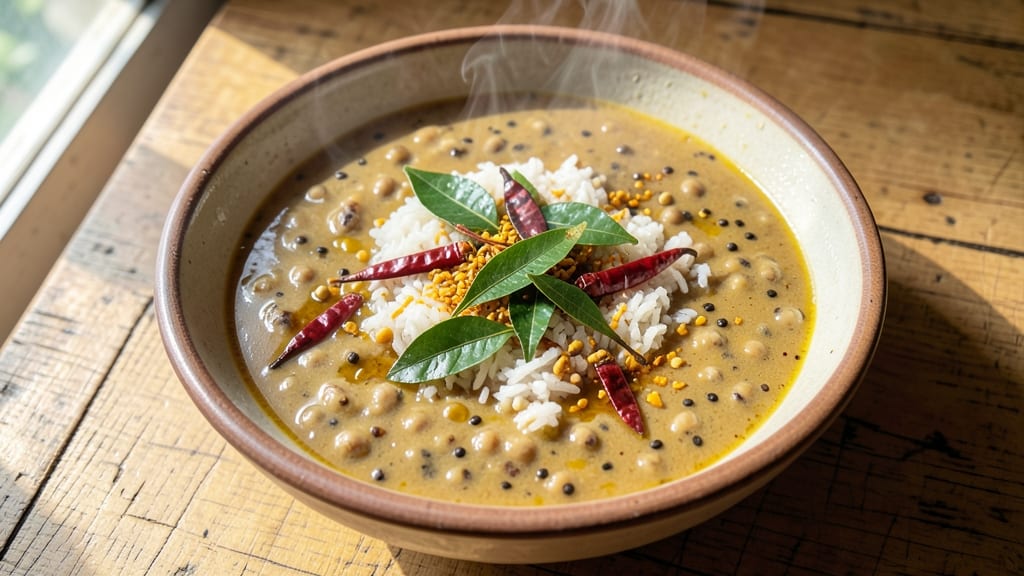
This attukal soup recipe in the Tamil language brings the warm, comforting flavors of Kerala to your kitchen, blending tender lentils, fragrant rice, and aromatic spices into a hearty stew that’s both nourishing and deeply satisfying. This traditional Tamil dish is more than just a meal—it’s a taste of heritage, often enjoyed during special occasions and festivals like Attukal Pongala. The secret lies in slow-cooking the urad dal and rice until they melt into a creamy, flavorful broth, infused with turmeric, mustard seeds, and curry leaves.
What makes this recipe special is its simplicity and depth of flavor. With just a handful of ingredients—urad dal, rice, vegetables, and traditional spices—you’ll create a soup that’s rich, protein-packed, and full of the earthy warmth that defines Tamil cuisine.
The key is patience: letting the soup simmer until the lentils and rice soften into a velvety texture, while the spices bloom into a fragrant, aromatic base. This dish is perfect for chilly evenings or when you crave something hearty yet easy to digest.
The result is a bowl of soup that’s comforting in every spoonful—creamy from the lentils and rice, with a subtle tang from the tamarind and a gentle spice from the mustard and curry leaves.
It’s the kind of meal that feels like a hug, especially when paired with steamed rice or a side of crispy appalam. Whether you’re cooking for a family gathering or a quiet night in, this recipe delivers the soul-soothing flavors of home.
For those looking to add a festive touch, garnish with fresh coriander and a drizzle of coconut milk. The soup keeps well in the fridge for up to three days, making it an ideal meal prep option. Let’s get started on this timeless Tamil classic!
Ingredients for attukal soup recipe in tamil language
Traditional Tamil ingredients for a hearty, comforting lentil-rice soup steeped in heritage.
| Ingredient | Amount | Notes |
|---|---|---|
| Urad Dal (Split Black Gram) 🌾 | 1 cup | Rinsed thoroughly before cooking |
| White Rice 🍚 | ½ cup | Medium grain preferred |
| Fresh Curry Leaves 🌿 | ¼ cup | Torn, not chopped |
| Mustard Seeds 🌶️ | 1 tbsp | Lightly toasted for aroma |
| Dried Red Chilies 🌶️ | 4 whole | Adjust to taste |
| Turmeric Powder 🧂 | 1 tsp | Freshly ground preferred |
| Dried Coconut 🥥 | ¼ cup | Grated, for garnish |
| Tamarind Paste 🍋 | 2 tbsp | Adjust for tanginess |
| Fresh Coconut Milk 🥥 | ½ cup | Light variety preferred |
| Fresh Coriander Leaves 🌿 | ¼ cup | Chopped, for garnish |
| Onion 🧅 | 1 whole | Finely chopped |
| Tomato 🍅 | 2 medium | Chopped, ripe |
| Asafoetida (Hing) 🌶️ | ¼ tsp | Pinch for authentic flavor |
| Salt 🧂 | 1 ½ tsp | Adjust to taste |
| Water 💧 | 4 cups | For cooking dal and rice |
The urad dal and rice form the soul of this soup. Look for whole, unbroken urad dal at Indian grocery stores like Patel Brothers or Apna Bazaar—pre-split dal cooks faster but lacks texture. The curry leaves are non-negotiable; fresh from the market has that unmatched aroma. For the coconut milk, light varieties like Goya work best—they don't overpower the delicate lentil flavor. Tamarind paste should be smooth, not fibrous; brands like Koyo are reliable, but fresh tamarind pulp is ideal if you can find it.
No fresh curry leaves? Dried leaves at half the amount work in a pinch, but the flavor won't be the same. Short on coconut milk? Coconut cream thinned with water gives richness without being too heavy. The tamarind can be substituted with lemon juice plus a pinch of sugar, though it won't have the same depth. For the chilies, Kashmiri red chilies add color without heat—perfect for those sensitive to spice. The asafoetida (hing) is crucial; omit it only if you're avoiding it entirely—it's what gives the dish that authentic umami kick.
This soup tastes even better the next day as flavors meld. Store in an airtight container for up to 3 days in the fridge, or freeze portions for 3 months. The dal and rice mixture thickens as it cools, so add a splash of water when reheating. Garnish with fresh coriander and grated coconut just before serving—that's when it truly shines. For meal prep, double the batch and freeze half; it reheats beautifully and makes lunches effortless all week.
Why You'll Love This Recipe
- Here’s what sold me: I can make this while scrolling through messages or waiting for the rice to cook. Double the batch, store it in jars, and boom—lunch for three days without a second thought. Even my picky teen clears his plate.
- Pantry Magic: I swear by this soup—it’s the kind of dish that turns up when I’ve got nothing but rice, dal, and a few spices. No fancy shopping trips, just that deep, earthy umami from urad dal simmering with curry leaves until the house smells like home.
- Taste Memory Trigger: Between us, the first spoonful hits like a warm hug—mustard seeds popping like firecrackers, dried chilies adding just enough heat, and that creamy dal clinging to every bite. It’s the kind of flavor that makes you pause mid-sip of chai and think, "I need more of this."
- Weeknight Superhero: Here’s what sold me: I can make this while scrolling through messages or waiting for the rice to cook. Double the batch, store it in jars, and boom—lunch for three days without a second thought. Even my picky teen clears his plate.
Step-by-step instructions for attukal soup
Aromatic and nourishing, this traditional Tamil lentil-rice soup delivers deep flavors and comforting warmth.
Prepare the Base with Urad Dal and Rice
In a heavy-bottomed pot, combine the 1 cup Urad Dal (Split Black Gram) and 0.5 cup White Rice with 4 cups Water. Bring to a rolling boil over medium-high heat until the water reaches a full boil. This initial boiling helps remove impurities and softens the grains.
Once boiling, reduce heat to medium-low and let it simmer uncovered for 20 minutes, stirring occasionally. You'll notice the dal and rice begin to soften and the water reduces slightly. This step builds the foundational texture of the soup—don't skip the uncovered simmering as it prevents the mixture from becoming gummy.
After 20 minutes, add the 1 tsp Turmeric Powder and 1.5 tsp Salt, stirring well to distribute evenly. The turmeric will infuse its earthy warmth while the salt enhances all the flavors to come. Keep the heat at medium-low and continue cooking for another 15 minutes, stirring every 5 minutes to prevent sticking.
Build Flavor with Aromatics and Spices
In a small pan, dry-toast the 1 tbsp Mustard Seeds over low heat until they begin to pop—this releases their nutty aroma. Immediately transfer them to the pot with the dal-rice mixture. Next, add the 4 whole Dried Red Chilies and 0.25 tsp Asafoetida (Hing). The hing will add its signature umami depth while the chilies infuse subtle heat.
Stir in the 1 whole Onion (finely chopped) and 2 medium Tomato (chopped). Cook for 5 minutes until the onions turn translucent and the tomatoes soften. This step develops the soup's aromatic base—you'll smell the onions caramelizing slightly and the tomatoes releasing their juices.
Add the 0.25 cup Fresh Curry Leaves (torn) and cook for another 2 minutes until they darken slightly. The curry leaves release their distinctive, slightly bitter aroma that's essential to authentic Attukal Soup. This is where the soup transforms from simple lentils and rice to something truly special.
Add Tanginess and Finish the Soup
Stir in the 2 tbsp Tamarind Paste and 0.5 cup Fresh Coconut Milk. The tamarind adds the signature tangy brightness that balances the rich flavors, while the coconut milk introduces a subtle creaminess. Simmer the mixture for 10 minutes over low heat, stirring occasionally to prevent scorching.
Taste and adjust the seasoning—you might need a pinch more salt or tamarind depending on your preference. The soup should have a harmonious balance of tangy, spicy, and creamy elements. If it's too thick, add 1-2 tablespoons of water to reach your desired consistency.
Finally, remove from heat and let it rest for 5 minutes. This resting period allows all the flavors to meld together completely. The soup should have a thick, comforting texture with visible grains of dal and rice.
Garnish and Serve Warm
Ladle the soup into bowls and garnish with 0.25 cup Fresh Coriander Leaves (chopped) and 0.25 cup Dried Coconut (grated). The fresh coriander adds a bright finish while the toasted coconut contributes a delightful crunch. Serve immediately while warm to enjoy the full depth of flavors.
This traditional Tamil comfort dish is perfect for cold days or as a healing meal. The combination of urad dal, rice, and coconut milk creates a nourishing broth that's both satisfying and deeply flavorful. Pair with warm appalam or rice for an authentic Tamil meal experience.
Pro Tips For Making Attukal Soup Recipe In Tamil Language
- Temper Mustard Seeds: Start with a hot, dry pan—no oil yet—and let the mustard seeds sizzle until they pop like tiny fireworks before adding oil. I learned this the hard way: rushing this step means they’ll burn before the curry leaves get their chance to sing, and that bitter taste ruins everything.
- Rinse Urad Dal Twice: Give your split black gram a thorough rinse—twice—until the water runs almost clear. I used to skip this, thinking it was overkill, but the extra step removes the bitterness that sneaks into the soup later, especially if you’re using older dal.
- Simmer, Don’t Boil: Once the dal starts cooking, drop the heat to a gentle simmer and let it cook uncovered. After burning three batches where the soup turned gluey, I realized the dal needs to breathe—low and slow keeps it creamy without turning into paste.
- Toast Rice Separately: Lightly toast your rice in a dry pan until it smells nutty, then set it aside. Add it to the soup only at the very end—this keeps the texture distinct and prevents the dal from turning mushy. (Yes, even if you’re impatient like me, resist the urge to toss it in early.)
Common mistakes when making this dish
Skipping the Boil
One of the biggest mistakes is skipping the initial boil of the urad dal and rice. Many cooks rush straight to simmering, but that full boil for 2-3 minutes removes impurities and starts softening the grains properly.
Without it, your soup will taste bitter and the dal will stay hard. I’ve seen this happen when people reduce heat too quickly—always let it reach a rolling boil first. 🌡️
Overcooking the Dal
Another common error is overcooking the dal until it turns mushy. The goal is a creamy but still identifiable lentil texture—not a paste. Once the dal and rice have softened for 35 minutes total, resist the urge to keep stirring or adding water.
Overcooking makes the soup gluey, and you’ll lose that comforting, grainy texture. I’ve ruined batches by walking away and returning to find a thick, unappetizing mess.
Ignoring the Hing
Many home cooks overlook the asafoetida (hing), thinking it’s optional or that a pinch won’t matter. But this tiny spice is the soul of Attukal Soup—it adds that unmistakable umami depth that separates this dish from ordinary dal.
If you skip it, your soup will taste flat. Even ¼ tsp makes a difference, so don’t leave it out unless you’re avoiding it entirely. Trust me, your taste buds will notice!
Rushing the Spice Toasting
Mustard seeds and curry leaves need proper toasting to release their full aroma. Skipping this step or rushing it means your soup will lack that nutty, herbal punch. Toast the mustard seeds until they pop audibly—about 30 seconds on low heat—and cook the curry leaves until they darken slightly.
This takes patience, but it’s what transforms a good soup into a great one. I’ve had cooks burn the seeds or add them too soon, and the flavor suffers instantly. ⏳
Adding Tamarind Too Late
Tamarind paste should be added early in the final simmering stage, not at the very end. If you add it too late, the acidity won’t have time to mellow and blend with the other flavors.
Stir it in with the coconut milk and let it simmer for 10 full minutes before tasting. This ensures the tanginess integrates smoothly rather than sitting as a sharp aftertaste. I’ve had cooks add it last-minute, and the soup always tasted disjointed.
Underestimating Resting Time
Finally, never skip the 5-minute resting period after cooking. This lets the flavors meld and the soup thicken naturally. Serving it immediately can leave it watery or unevenly seasoned. I’ve seen cooks rush this step, and the result is always less cohesive.
Let it sit covered—you’ll be rewarded with a soup that’s rich, balanced, and ready to impress. 💫
Nutrition facts
Frequently asked questions
What makes Attukal Soup different from regular dal?
This soup blends urad dal and rice into a creamy, hearty stew rather than just cooking lentils alone. The key difference is the tamarind and coconut milk combination, which adds tangy brightness and richness, while the asafoetida (hing) gives it that signature umami depth. It's also traditionally served during Kerala's Attukal Pongala festival, making it a cultural specialty.
Can I substitute urad dal with another lentil?
While you can try moong dal or masoor dal in a pinch, urad dal gives this soup its signature creamy texture and earthy flavor. If substituting, reduce cooking time by 5-10 minutes since other lentils soften faster. For best results, stick with urad dal—it's what makes this dish authentically comforting.
How do I adjust the spice level for kids?
Reduce the dried red chilies to 1-2 instead of 4, and omit the asafoetida if needed. For extra mildness, remove the chilies entirely after toasting and add them back only for flavor (not heat). The curry leaves can stay—they add aroma without spice. Always taste before serving!
Is this soup gluten-free and vegan?
Yes! This traditional recipe is naturally gluten-free and vegan—it contains no animal products or wheat-based ingredients. Just ensure your tamarind paste and coconut milk are certified vegan (some brands may contain additives). The urad dal and rice provide complete protein, making it a nourishing plant-based meal.
Can I make this soup in a pressure cooker?
Combine all ingredients in your pressure cooker, cook on medium heat for 3 whistles, then reduce to low for 10 minutes. Add tamarind and coconut milk after releasing pressure. The texture will be slightly different but still delicious. For best results, use the stovetop method for traditional authenticity.