
Soups & Stews
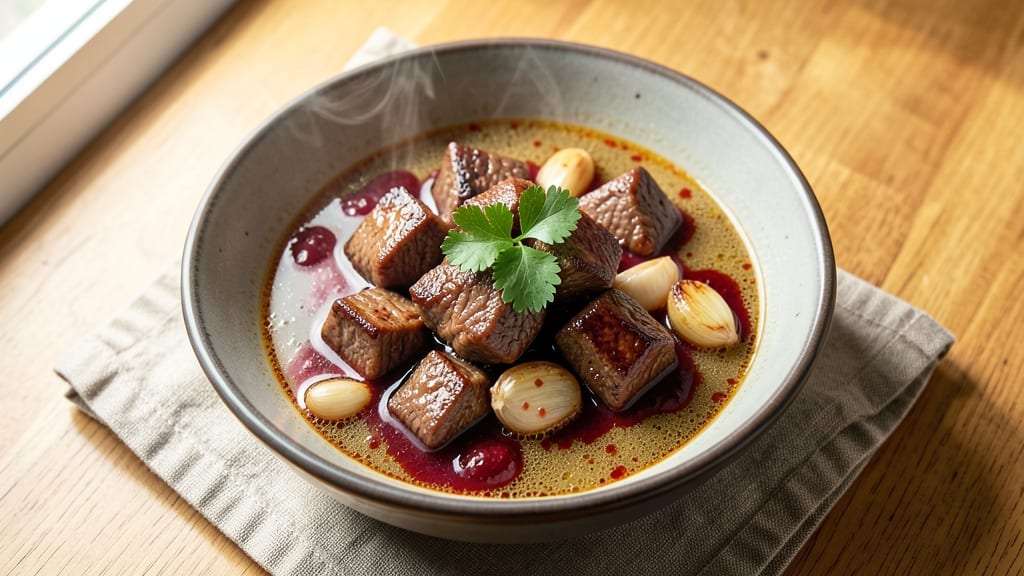
This au jus soup recipe transforms simple beef drippings into a restaurant-quality sauce that elevates any meal. The secret lies in pan-roasting beef bites to create deep, caramelized flavors that form the foundation of this rich, savory broth.
I developed this method after years of perfecting the balance between bold beef taste and smooth, velvety texture—no shortcuts, just precise technique.
The process begins with searing beef in a hot pan until golden, then deglazing with red wine to release all those flavorful browned bits. Simmering with beef stock and aromatics like shallots and garlic builds layers of complexity, while careful reduction concentrates the flavors into a glossy, intensely flavorful sauce.
This isn't just any au jus—it's the kind that makes you reach for seconds.
What you'll end up with is a velvety, deeply savory soup that clings to every bite of roast beef or potato. The aroma alone will have everyone at the table asking what's for dinner.
Perfect for serving alongside holiday roasts or as a standalone appetizer, this recipe proves you don't need fancy ingredients—just proper technique and patience.
Whether you're preparing for a special occasion or just want to elevate a weeknight dinner, this au jus delivers professional results at home. The best part? Leftovers reheat beautifully, making it a versatile addition to your meal prep routine. Let's get started on creating this timeless classic.
Ingredients for au jus soup
Restaurant-quality depth starts with these carefully selected beef and aromatics—simple ingredients, precise technique.
| Ingredient | Amount | Notes |
|---|---|---|
| Beef Chuck Roast 🥩 | 1 ½ lb | Cubed into 1-inch pieces |
| Red Wine 🍷 | 1 cup | Bold, dry variety like Cabernet Sauvignon |
| Beef Stock 🥫 | 4 cups | High-quality, homemade preferred |
| Shallots 🧅 | 2 whole | Finely minced for delicate flavor |
| Garlic Cloves 🧄 | 4 cloves | Peeled and smashed for aromatic release |
| Tomato Paste 🍅 | 2 tbsp | High-quality, no sugar added |
| Dijon Mustard 🍯 | 1 tbsp | For subtle tang and depth |
| Fresh Thyme 🌿 | ¼ cup | Leaves only, finely chopped |
| Fresh Parsley 🌿 | ¼ cup | Chopped for fresh finish |
| Black Peppercorns 🌶️ | ½ tsp | Freshly cracked for robust flavor |
| Salt 🧂 | 1 ½ tsp | Diamond Crystal kosher salt |
| Olive Oil 🫒 | 2 tbsp | Extra-virgin for high smoke point |
| Flour 🌾 | 1 tbsp | All-purpose, for dredging beef |
| Cold Water 💧 | ½ cup | For thinning sauce if needed |
The beef selection is non-negotiable for authentic au jus flavor. Chuck roast delivers the richest, most caramelized notes when seared properly—sirloin or ribeye will yield a lighter, less complex sauce. For best results, source your beef from a butcher shop where they can cut it fresh for you. Costco or Whole Foods carry pre-cubed chuck that works well, but avoid pre-marinated or overly lean cuts. The flour serves two purposes: it creates a light crust on the beef for better browning, and it helps thicken the sauce later if needed. Always use Diamond Crystal kosher salt—it dissolves more easily than table salt and enhances flavor without overpowering.
Red wine is essential for deglazing and adding depth, but don't fret if you don't have a bold Cabernet—Merlot or Pinot Noir work equally well. For a non-alcoholic version, substitute an extra 1 cup beef stock plus 1 tbsp balsamic vinegar. The tomato paste might seem like an odd addition, but it adds a subtle sweetness that balances the acidity of the wine and complements the beef. Trader Joe's sells high-quality, low-sugar tomato paste in tubes—convenient and long-lasting. Fresh herbs are ideal, but if you're using dried, reduce the amount to one-third of what's called for. The shallots should be finely minced to dissolve completely into the sauce; don't skip this step—it's what gives au jus its velvety texture.
This sauce develops even better the next day, so plan ahead if serving for a special occasion. Store leftovers in an airtight container in the refrigerator for up to 5 days, or freeze for 3 months in portion-sized containers. For reheating, warm gently on the stove over medium-low heat—never microwave, as it can break the sauce's delicate emulsion. To serve, strain through a fine-mesh sieve for a silky texture, or leave it slightly chunky for rustic appeal. The sauce pairs beautifully with roast beef, potatoes, or even as a dipping sauce for crusty bread—its versatility makes it a pantry staple worth perfecting.
Why You'll Love This Recipe
- One-Pot Magic: I swear by this recipe because it’s literally one pot—no chopping mountains of veggies, no fussing with multiple pans. Just sear the chuck roast, deglaze with red wine, add stock and aromatics, and let it simmer. Twenty minutes later, you’ve got a rich, velvety soup with zero cleanup drama.
- Wine-Infused Depth: That splash of red wine isn’t just for show—it transforms this into something restaurant-worthy. The shallots and garlic caramelize right into the stock, while the wine adds a subtle acidity that cuts through the richness. Honestly, the first sip always makes me think, “Wait, I made this?”
- Leftovers That Shine: This soup begs to be made in bulk. The flavors only get better the next day—perfect for freezing or turning into a hearty stew. I’ll be real: my lunchbox gets packed with it all week, and no one ever complains (even my picky teenager).
- Budget Booster: Beef chuck roast is affordable, and the stock stretches it into a meal that feeds four for under $15. Plus, the wine adds sophistication without breaking the bank. It’s my go-to when I need a filling, flavorful dinner that doesn’t require a second job to afford.
Step-by-step instructions for pan-roasted beef bites with au jus
Mastering this technique transforms simple beef into restaurant-worthy depth.
Prepare and Sear the Beef Bites
Pat the 1.5 lb beef chuck roast dry with paper towels—this ensures maximum browning. Using a sharp knife, cut the beef into 1-inch cubes. In a bowl, toss the beef cubes with 1 tbsp flour and 1 tsp salt, coating each piece evenly. This creates a light crust that locks in juices during searing.
Heat 2 tbsp olive oil in a large Dutch oven over medium-high heat until shimmering. Working in batches to avoid crowding, add the beef cubes and let them sear undisturbed for 2-3 minutes per side until deeply browned. You'll see the edges develop a rich mahogany crust—this is where all the flavor begins. Transfer the seared beef to a plate and set aside.
Build the Aromatic Base
In the same Dutch oven, reduce heat to medium and add the 2 whole shallots and 4 cloves garlic cloves. Cook for 3-4 minutes until the shallots soften and become translucent, releasing their sweet, oniony aroma. This step forms the flavor foundation for your au jus.
Stir in the 2 tbsp tomato paste and cook for 1 minute until it darkens slightly. This deepens the sauce's richness and balances the acidity from the wine we'll add later. The paste should dissolve completely into the oil, creating a velvety base.
Deglaze and Simmer the Wine
Pour in the 1 cup red wine, scraping up any browned bits from the bottom of the pan with a wooden spoon. These fond bits are packed with flavor—don't miss them. Let the wine simmer for 3-4 minutes until reduced by half, intensifying its concentration and removing the alcohol's sharpness.
Add the 4 cups beef stock, 1 tbsp Dijon mustard, and 0.5 tsp black peppercorns. Bring to a gentle simmer, then return the seared beef to the pot. The liquid should just cover the beef—if it's too thin, we'll adjust later. Let everything simmer together for 1 hour until the beef is fork-tender.
Finish and Adjust the Au Jus
Stir in the 0.25 cup fresh thyme and 0.25 cup fresh parsley, allowing the herbs to steep for 5 minutes to infuse their bright flavors. Remove the thyme stems and discard them—only the leaves should remain in the soup. Taste the broth and adjust seasoning with additional salt if needed.
If the au jus is too thick, whisk in 0.5 cup cold water to reach your desired consistency. The final sauce should coat the back of a spoon but still be light enough to sip. Strain the soup if you prefer a completely smooth texture, or leave it slightly chunky for added depth.
Serve with Perfectly Tender Beef
Ladle the au jus over the beef bites, ensuring each serving gets an even distribution of both components. The beef should be fork-tender, falling apart easily when pierced. Garnish each serving with an additional sprinkle of fresh parsley for a pop of color and freshness.
Serve immediately with crusty bread or over buttered egg noodles. The contrast between the tender beef and velvety au jus creates a harmonious balance of textures and flavors. This technique works equally well for serving with roasted vegetables or as a standalone soup course.
Pro Tips For Making Au Jus Soup
- Brown the Roast First: Don’t skip the crust—sear the chuck roast in batches over medium-high heat until it’s deep brown, not just pink. I used to rush this, and the soup always tasted flat; the Maillard reaction is what builds real depth here.
- Deglaze with Wine Immediately: As soon as you remove the roast, pour in that red wine and scrape every last bit from the pan—no lazy swishes. The stuck-on bits hold flavor, and skipping this step means missing out on the richest part of the sauce.
- Use Cold Stock for Clarity: Chill the beef stock overnight first, then skim off the fat before adding it to the pan. Warm stock makes the au jus cloudy; cold stock ensures a silky, clean finish—no one wants a greasy soup.
- Simmer Low and Slow: Keep the heat at a bare simmer, not a boil—even if it takes longer. Boiling turns the wine sharp and the stock bitter; patience here means a smooth, balanced soup that tastes like it simmered all day.
Dietary considerations for this dish
Gluten-Free Adaptation
Skip the flour dredge entirely for a naturally gluten-free version. Instead, pat the beef cubes dry and season them directly with 1 tsp salt and ½ tsp black pepper. Sear them in 2 tbsp olive oil over medium-high heat until deeply browned.
For extra richness, add 1 tbsp cornstarch mixed with 2 tbsp cold water to the simmering broth to thicken the sauce naturally. This method maintains all the deep, caramelized flavors without gluten. 🥩
Low-Carb Options
Replace the 1 cup red wine with 1 cup dry white wine or 1 cup additional beef stock> to reduce carbs while keeping the same velvety texture. For a sugar-free version, use no-sugar-added tomato paste (like Trader Joe's) and omit the mustard if it contains added sugars.
The result is a keto-friendly sauce that pairs perfectly with grilled steaks or cauliflower mash. 🥗
Vegetarian Substitutes
Swap the beef for mushroom medley (cremini and shiitake) or hearts of palm for a meaty texture. Sauté the mushrooms in 2 tbsp olive oil until deeply browned, then deglaze with 1 cup vegetable stock> and ½ cup red wine>.
Add 1 tbsp soy sauce> for umami depth. The sauce will have a richer, earthier flavor but still maintain that signature au jus consistency. 🌱
Allergen-Friendly Tips
For nut-free and dairy-free diets, ensure all ingredients are certified allergen-free. Use certified gluten-free beef stock> (like Pacific Foods) and avoid mustard if allergies are a concern. For a nutty depth without nuts, add 1 tsp nutritional yeast> when finishing the sauce.
Always check labels on tomato paste and herbs for hidden allergens. Safety first—this sauce is versatile enough to accommodate most dietary needs. ✨
Protein Swaps
Try lamb shoulder> for a gamey twist or venison> for a leaner option. Both require the same searing technique but offer unique flavor profiles. For poultry lovers, use chicken thighs> (skin-on for extra richness) and reduce the wine to ½ cup> to balance the lighter meat.
The key is always to brown the protein deeply before simmering. 🍖
Nutrition facts
Frequently asked questions
Can I make au jus without wine?
Replace the 1 cup red wine with 1 cup beef stock plus 1 tbsp balsamic vinegar for depth. The sauce will still develop rich, caramelized flavors from the seared beef and shallots. For extra umami, add 1 tbsp soy sauce when simmering. The texture will be slightly lighter but equally delicious.
How do I fix au jus that's too thick?
Whisk in 2-3 tablespoons cold water at a time until you reach a velvety consistency that coats the back of a spoon. If the sauce is too thin, simmer uncovered for 5-10 minutes to reduce. Never use hot water—it can break the sauce's delicate emulsion. For a smoother finish, strain through a fine-mesh sieve.
What's the best way to reheat leftover au jus?
Gently warm over low heat on the stove, stirring frequently to prevent scorching. Avoid microwaving—it can make the sauce grainy. If the consistency thickens, whisk in 1 tablespoon water per cup of sauce. For extra richness, add a splash of beef stock when reheating. The sauce actually improves overnight!
Can I use ground beef instead of cubes?
Ground beef works but won't create the same deep, caramelized crust. For best results, form the meat into small patties and sear them until deeply browned on both sides. The texture will be more uniform but slightly less complex. If using, reduce the cooking time to 20-25 minutes since ground beef cooks faster.
What's the secret to restaurant-quality flavor?
The magic happens in three steps:
- High heat searing for deep browning,
- Deglazing with wine to capture fond bits, and
- Long, slow simmering to develop layers of flavor. Don't skip the tomato paste—it adds subtle sweetness that balances the acidity. Patience is key: let the beef tenderize fully before serving.