
Soups & Stews
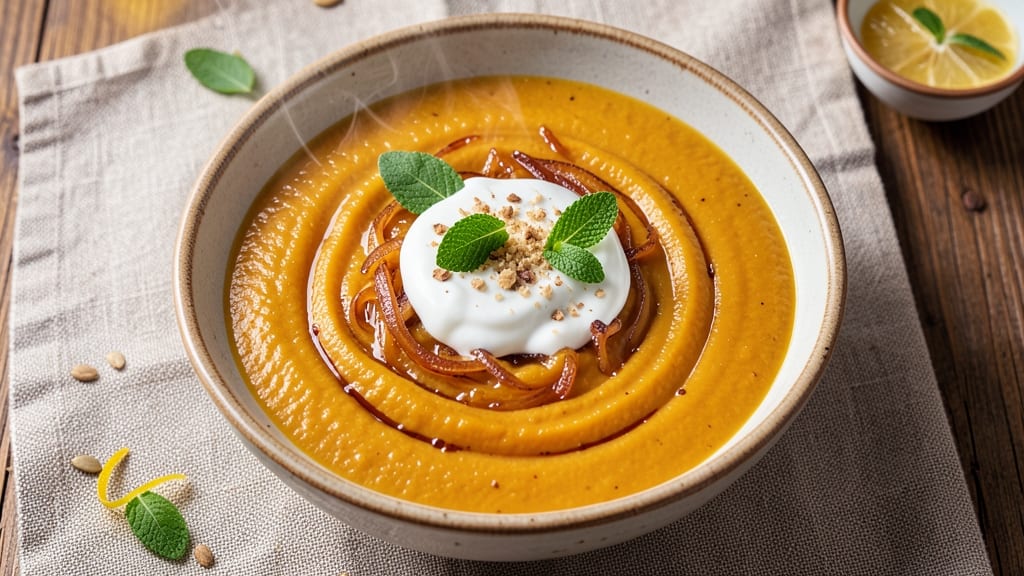
This Austrian pumpkin soup recipe brings the heart of Alpine cuisine to your kitchen with its velvety texture and warm spices. The secret lies in slow-simmered pumpkin, nutmeg, and fresh sage—classic flavors that define Austrian autumn cooking.
What makes this dish special is the balance of creaminess and aromatic depth, achieved through proper simmering and blending techniques.
Traditional Austrian recipes often feature pumpkin as a staple during cooler months, and this velouté captures that comforting essence. The soup begins with sautéed onions and pumpkin, then simmers in rich broth until tender.
Blending creates a silky consistency, while nutmeg and sage add that signature Alpine warmth. This version delivers restaurant-quality results with simple, accessible techniques.
By the end, you'll have a soup that's rich yet light, with a golden hue and fragrant aroma that fills your home. The nutmeg infuses a subtle sweetness, while sage adds an earthy depth that complements the pumpkin perfectly.
Serve with crusty bread or a sprinkle of fresh herbs for an authentic touch that feels both traditional and refined.
Perfect for chilly evenings or holiday gatherings, this soup scales beautifully for any occasion. The recipe includes optional variations for vegetarian or vegan adaptations, ensuring everyone can enjoy this comforting classic. Let's create this velvety masterpiece that embodies Austrian culinary tradition.
Ingredients for austrian pumpkin soup
Twelve ingredients for a velvety soup that captures Alpine autumn flavors perfectly.
| Ingredient | Amount | Notes |
|---|---|---|
| Sugar Pumpkin 🎃 | 2 lbs | Fresh, peeled, cubed (about 6 cups) |
| Yellow Onion 🧅 | 1 whole | Medium, thinly sliced |
| Fresh Sage Leaves 🌿 | ¼ cup | Chopped finely (about 8-10 leaves) |
| Fresh Nutmeg 🌶️ | 1 tsp | Grated finely (freshly grated preferred) |
| Chicken Broth 💧 | 4 cups | Low-sodium preferred |
| Heavy Cream 🥛 | ½ cup | Full-fat for best texture |
| Unsalted Butter 🧈 | 2 tbsp | Cold, for sautéing |
| Garlic Cloves 🧄 | 2 cloves | Minced finely |
| Salt 🧂 | 1 tsp | Kosher or sea salt |
| Black Pepper 🌶️ | ½ tsp | Freshly ground |
| Olive Oil 🫒 | 1 tbsp | For sautéing onions |
| All-Purpose Flour 🌾 | 1 tbsp | For thickening (optional) |
The pumpkin is the star here—sugar pumpkin has the right sweetness without being too stringy. Trader Joe's or local farmers markets often carry them in fall. If you can't find sugar pumpkin, butternut squash works in a pinch, but taste it first—some varieties are too mild. For the sage, fresh is non-negotiable—dried just won't give that same earthy aroma. The nutmeg? Freshly grated makes all the difference. If you only have pre-ground, toast it in a dry pan for 30 seconds first to wake up the flavor. Chicken broth is key—low-sodium so you control the salt, and homemade tastes best, but Swanson or Pacific Foods are solid store-bought options.
No fresh sage? Dried at half the amount works, but it won't be the same. Short on pumpkin? Sweet potato cubes add a slightly different texture but still work. The butter and olive oil combo for sautéing gives that rich, golden base—don't skip this step. If you're making this ahead, skip the cream until reheating—it separates when chilled. For a vegetarian version, swap the chicken broth for vegetable broth and use coconut milk instead of cream. The flour is optional but helps thicken if you prefer a stouter soup—just whisk it with a splash of cold broth first to avoid lumps.
This soup tastes even better the next day—reheat gently on low with a splash of broth or milk to restore creaminess. Keeps 4-5 days in the fridge, or 3 months frozen in airtight containers. For freezing, cool it completely first. The nutmeg and sage flavors deepen over time, so don't hesitate to make extra. I always portion mine into ramekins for easy reheating. Serve with crusty bread or a sprinkle of extra nutmeg for that authentic Alpine touch.
Why You'll Love This Recipe
- One-Pot Magic: I swear by this recipe because it’s basically hands-off after the initial chop. Dice the onion, cube the pumpkin, toss it all in a pot with broth and sage—then let it simmer while you handle the rest of dinner. No blender, no strainer, no fuss.
- Nutmeg-Sage Symphony: That fresh nutmeg and sage combo? It’s what makes this soup sing. The nutmeg adds this warm, earthy depth, while the sage brings a bright, herbal lift that cuts through the pumpkin’s natural sweetness. Honestly, store-bought versions never hit the same way.
- Weeknight to Holiday: I make this for lazy Mondays, but it also feels fancy enough for Thanksgiving guests. Swap the chicken broth for turkey or add a splash of cream for richness, and suddenly it’s your go-to for any occasion—no last-minute stress.
- Budget-Friendly Leftovers: Pumpkin’s cheap, broth’s cheap, and this soup only gets better the next day. I double the batch on Sundays, reheat portions all week, and still crave it. Between us, it’s my secret weapon for stretching groceries without sacrificing flavor.
Step-by-step instructions for Austrian pumpkin soup
Here's how to craft this velvety, spiced pumpkin velouté with rich layers of nutmeg and sage.
Sauté the Onion and Garlic Foundation
Heat the 1 tablespoon olive oil in a large pot over medium heat. Add the 1 whole yellow onion, sliced thinly, and cook for 5-6 minutes until translucent and just starting to soften. You'll notice the onions turn from pale to slightly golden at the edges.
Push the onions to one side of the pot and add the 2 cloves garlic cloves, minced finely. Stir for 30 seconds until fragrant—you'll smell that fresh garlic aroma fill your kitchen. This aromatic base forms the flavor backbone of your soup, so don't rush this step. If the garlic starts to brown too quickly, reduce the heat slightly to medium-low to prevent burning.
Cook the Pumpkin Until Tender
Add the 2 lbs sugar pumpkin, peeled and cubed (about 6 cups), to the pot. Stir to coat the pumpkin pieces in the onion-garlic mixture. Pour in the 4 cups chicken broth and bring everything to a gentle boil. Once boiling, reduce the heat to medium-low and let it simmer uncovered for 15-20 minutes until the pumpkin is fork-tender.
You'll know it's ready when a knife slides in easily with just slight resistance. The pumpkin should be soft enough to mash between your fingers but still hold its shape. If you're using a pressure cooker, this step would take about 8-10 minutes at high pressure instead. The goal is to develop the pumpkin's natural sweetness while keeping the texture velvety smooth.
Build the Velouté with Nutmeg and Sage
While the pumpkin cooks, melt the 2 tablespoons unsalted butter in a small saucepan over low heat. Add the 0.25 cup fresh sage leaves, chopped finely, and cook for 1-2 minutes until the leaves just wilt. Remove from heat and let the sage steep in the butter for 5 minutes—this infuses the butter with deep herbal flavor.
Once the pumpkin is tender, stir the sage butter into the soup along with the 1 teaspoon freshly grated nutmeg and 1 teaspoon salt. The nutmeg adds that signature Austrian warmth while the sage brings earthy depth. Taste and adjust the seasoning—you might need a touch more salt depending on your broth. Simmer uncovered for another 5 minutes to let all the flavors meld together.
Finish with Cream and Perfect Texture
In a small bowl, whisk together the 0.5 cup heavy cream and 1 tablespoon all-purpose flour until smooth. Slowly ladle this mixture into the soup while stirring constantly. The flour helps create a silky velouté texture without making the soup heavy. Simmer for 3-4 minutes until the soup thickens slightly and coats the back of a spoon.
You're looking for a consistency that's creamy but still pours easily—like liquid velvet. If it's too thick, whisk in 1-2 tablespoons of hot broth to reach your desired texture. The soup should be rich and velvety, with the pumpkin's natural sweetness balanced by the nutmeg's warmth and sage's herbal notes. Remove from heat and let it rest for 5 minutes before serving.
Serve Warm with Garnish
Ladle the soup into bowls and garnish with an extra sprinkle of freshly grated nutmeg and a few sage leaves for color and aroma. The nutmeg adds a beautiful visual contrast against the creamy orange soup. Serve immediately while warm—this soup tastes best fresh from the pot when all the flavors are at their peak.
Each spoonful should deliver that perfect balance of sweet pumpkin, aromatic nutmeg, earthy sage, and velvety cream. The texture should be smooth yet substantial, with none of the wateriness you sometimes find in pumpkin soups. This is the kind of soup that warms you from the inside out while feeling special enough for company.
Pro Tips For Making Austrian Pumpkin Soup
- CHAR THE ONIONS LOW: Sugar pumpkin soup isn’t about flashy caramelization—it’s about deep, mellow sweetness. Cook the onions in broth (not oil) on actual low heat for 15-20 minutes until they’re translucent and just starting to break down. I used to rush this, and the soup always tasted flat. Patience here makes the sage sing later.
- PEEL THE PUMPKIN DRY: Wipe the sugar pumpkin skin with a damp towel, then dry it thoroughly before cutting. A damp knife will tear the flesh instead of slicing cleanly, and wet skin makes the pumpkin gummy. I learned this the hard way—my first batch looked like mushy oatmeal. A paper towel works better than you’d think.
- GRATE THE NUTMEG FRESH: Store-bought nutmeg tastes like sawdust. Use a microplane and grate just the outer layer of the nutmeg seed—about ¼ teaspoon—right before adding it to the soup. The aroma fades fast, and pre-ground nutmeg can’t compete. Sounds fussy, but it’s the thing that matters most.
- SIMMER NOT BOIL: Once the pumpkin is tender, reduce the heat to a bare simmer (tiny bubbles at the edges) and cook for 10 minutes uncovered. Boiling turns the soup gluey and dulls the sage’s brightness. I know, I know—you’re eager to eat it. But trust the process.
Regional styles of these flavors
Tyrolean Alpine Tradition
Austrian pumpkin soup traces its roots to the Tyrolean Alps, where hearty, warming soups were essential for surviving harsh winters. This velouté style became particularly popular in the 18th century among Alpine farmers who relied on seasonal pumpkins and dairy.
The nutmeg and sage combination reflects the region's love for bold, aromatic spices that cut through cold weather. In Tyrol, it's often called "Kürbissuppe" and served with fresh rye bread or speck (smoked bacon). 🌄
Viennese Elegance
While rustic in origin, this soup evolved into a refined dish in Vienna's high society during the Habsburg era. The addition of heavy cream and careful blending transformed it into a velouté fit for imperial banquets.
Austrian chefs of the time perfected the technique of slow-simmering pumpkin to develop its natural sweetness, then balancing it with nutmeg's warmth. Today, you'll find modern variations in Vienna's Café Central, where it's served in delicate porcelain bowls with a sprinkle of crème fraîche.
Carinthian Rustic Twist
In Carinthia, Austria's southernmost state, pumpkin soup takes on a more rustic character. Locals often add 1-2 tablespoons of apple cider vinegar at the end for brightness, inspired by the region's orchards.
The Carinthian version also incorporates wild mushrooms (like chanterelles) sautéed with the onions, adding an earthy depth that complements the pumpkin. This variation is especially popular during Oktoberfest celebrations in nearby towns like Villach.
Modern Austrian Adaptations
Contemporary Austrian chefs have reimagined this classic with creative twists while keeping the soul intact. One popular variation replaces half the chicken broth with white wine (like Grüner Veltliner) for a more sophisticated flavor profile.
Another modern take uses roasted pumpkin purée instead of cubed, creating a smoother texture that's perfect for soup shooters at holiday parties. The key remains: nutmeg and sage must always shine.
Regional Serving Customs
In Austria, pumpkin soup is never served alone—it's always paired with complementary elements. In the Salzburg region, it's traditional to serve with pretzels (Brezn) for dipping. Meanwhile, in Styria, farmers serve it alongside boiled potatoes and smoked sausage.
For a vegetarian option, many Austrians now pair it with marinated artichoke hearts or pickled onions for tangy contrast. The soup itself is always presented in stoneware bowls to maintain warmth.
Seasonal Variations
Austrian cooks adjust this soup based on harvest availability. In early autumn, when pumpkins are first harvested, they use young, tender varieties for a sweeter flavor.
By late fall, when pumpkins mature, the soup becomes richer with more nutmeg and sometimes a touch of honey (just 1 teaspoon) to enhance the pumpkin's natural sweetness.
During Christmas markets, you'll find spiced versions with cinnamon and cloves, creating a festive twist on the classic. 🎄
Nutrition facts
Frequently asked questions
What type of pumpkin works best for this Austrian soup?
Sugar pumpkin is ideal—its natural sweetness and tender texture shine in this recipe. If unavailable, butternut squash works well, but avoid overly fibrous varieties like kabocha. For a sweeter flavor, use young pumpkins harvested in early autumn.
Can I make this soup vegetarian or vegan?
For a vegetarian version, use vegetable broth instead of chicken broth. For vegan, swap heavy cream for coconut milk and use a plant-based butter alternative. The nutmeg and sage flavors remain the same—just adjust the dairy components.
Why does my soup taste too thin after blending?
The soup may need thickening. Whisk 1 tablespoon flour with 2 tablespoons cold water to make a slurry, then stir into the soup while simmering for 3-4 minutes. Alternatively, blend in 2 tablespoons pumpkin purée for extra body without altering flavor.
How long can I store this soup in the fridge?
This soup keeps well for 4-5 days in an airtight container. For best texture, reheat gently on low heat, adding a splash of broth or milk if it separates. The nutmeg and sage flavors actually improve overnight!
What's the secret to getting that authentic Austrian nutmeg flavor?
Use freshly grated nutmeg—pre-ground loses potency quickly. Toast the whole nutmeg for 1 minute in a dry pan before grating to intensify its aroma. A pinch of cinnamon (¼ teaspoon) can also enhance the Alpine spice profile.