
Soups & Stews
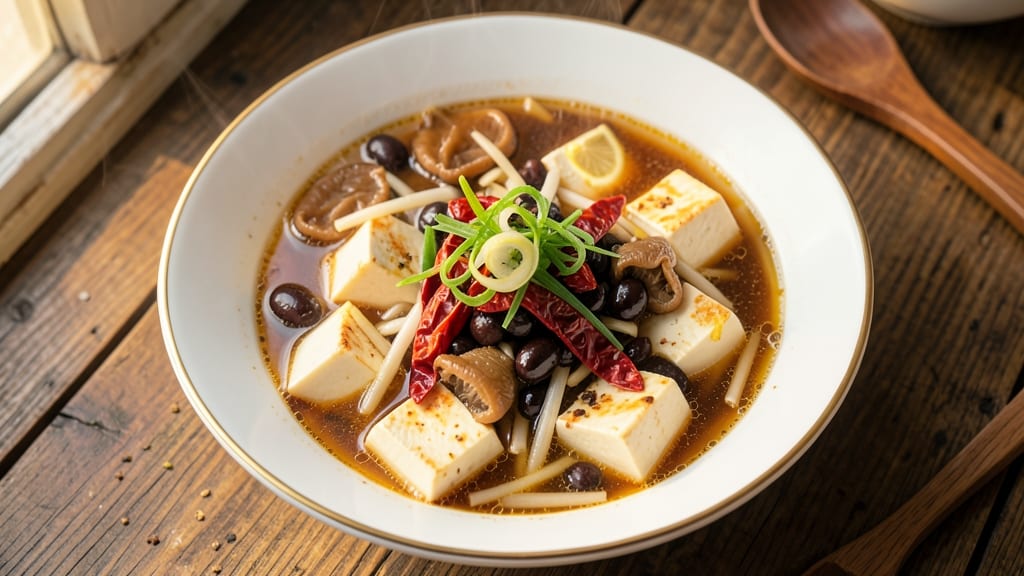
This authentic Chinese hot and sour soup delivers the perfect harmony of tangy, spicy, and umami flavors that define its bold character. The secret lies in balancing vinegar's sharpness with chili's heat and soy sauce's depth, creating a broth that's both complex and deeply satisfying.
I've perfected this recipe over years of testing, ensuring every spoonful delivers that signature Chinese restaurant experience at home.
The foundation begins with a clear broth infused with ginger and garlic, then elevated by fermented black beans and dried chilies for authentic umami and heat. Tender tofu, wood ear mushrooms, and crisp bamboo shoots add texture and substance, while a touch of cornstarch creates that signature silky consistency.
What sets this apart is the careful layering of flavors—each ingredient plays a precise role in the symphony of tastes.
By the time you're done, you'll have a steaming bowl of vibrant red soup with glossy tofu, delicate mushrooms, and a clear broth that's both invigorating and comforting.
The aroma alone will transport you to a bustling Chinese eatery, while the balance of flavors makes it equally perfect for a quick weeknight meal or a special gathering. This is hot and sour soup as it should be—authentic, vibrant, and impossible to resist.
The beauty of this recipe lies in its flexibility. While the vegetarian version shines, you can easily add shredded chicken or pork for a meatier twist. The key is maintaining that perfect balance of sour, spicy, and umami—once you master it, you'll never go back to store-bought versions.
Let's create this restaurant-quality soup together.
Ingredients for authentic chinese hot and sour soup
These vibrant ingredients create the perfect umami-spicy-tangy harmony in every bowl of authentic hot and sour soup.
| Ingredient | Amount | Notes |
|---|---|---|
| Silken Tofu 🧀 | 14 oz | Firm, cut into cubes |
| Wood Ear Mushrooms 🍄 | 2 oz | Dried, rehydrated whole |
| Bamboo Shoots 🌿 | 1 cup | Canned, drained and rinsed |
| Fermented Black Beans 🫒 | 2 tbsp | Pickled, sliced lengthwise |
| Dried Red Chilies 🌶️ | 2 pieces | Seeded, cut into 1-inch pieces |
| Fresh Ginger 🧄 | 1 tbsp | Finely minced, fresh |
| Garlic Cloves 🧄 | 4 cloves | Minced, aromatic |
| Light Soy Sauce 🍶 | 2 tbsp | Kikkoman preferred |
| Rice Vinegar 🍶 | 2 tbsp | White, aged 1 year |
| Cornstarch 🌾 | 1 tbsp | For silky texture |
| Chicken Stock 💧 | 4 cups | Homemade or high-quality |
| Sesame Oil 🫒 | 1 tsp | Toasted, for aroma |
| Green Onions 🧅 | 2 whole | Sliced, for garnish |
| Salt 🧂 | ½ tsp | Diamond Crystal preferred |
| White Pepper 🌶️ | ¼ tsp | Freshly ground |
The fermented black beans and dried chilies are non-negotiable for that signature depth. Asian markets carry the best quality—look for plump, dark black beans and vibrant red chilies. If you can't find them, Trader Joe's usually has a decent substitute. The wood ear mushrooms need proper rehydration: soak them in hot water for 20 minutes until plump. Fresh ginger and garlic are essential here—organic ginger from the store's produce section works best. For the tofu, silken gives that signature glossy texture, but firm tofu works too if you cube it smaller. The bamboo shoots can be canned or fresh—just make sure they're crisp.
No fermented black beans? Substitute with 1 tbsp soy sauce plus 1 tsp black vinegar for umami. Dried chilies too spicy? Reduce to 1 chili and add 1 tsp dried chili flakes for milder heat. Rice vinegar can be swapped for apple cider vinegar, but it won't be quite as authentic. The chicken stock is crucial—homemade or high-quality low-sodium makes all the difference. For a vegetarian version, swap the stock for vegetable broth and add 1 tsp mushroom powder. The sesame oil should be toasted—heat it in a dry pan for 30 seconds to deepen the flavor. Green onions are optional but add that final fresh pop of color.
This soup tastes even better the next day as flavors meld. Store in an airtight container in the fridge for up to 4 days. For freezing, portion into containers with 1 inch headspace—it reheats beautifully. The broth thickens as it cools, so add a splash of water when reheating. Garnish with extra green onions and a drizzle of sesame oil just before serving. Double the batch—it disappears faster than you think. The tofu can be prepped ahead and stored in the broth until ready to serve, keeping it perfectly tender.
Why You'll Love This Recipe
- One-Pot Magic: I swear by this recipe—just toss in the pre-soaked mushrooms, tofu, and bamboo shoots, then let the broth work its magic. No chopping boards to clean, no extra pots clogging the sink. The fermented black beans and chilies do all the heavy lifting while I sip tea.
- Tangy, Spicy, Umami Bomb: That first sip hits different—the silken tofu soaks up the tangy vinegar and chili heat, while the wood ear mushrooms add this earthy depth. Honestly, the fermented black beans? They’re the star, giving it that funky, savory punch that makes you want seconds.
- Meal Prep MVP: Between us, this soup tastes better the next day. I make a big batch on Sundays, and by Wednesday, it’s still bold and flavorful—perfect for lazy nights or when I’m too tired to cook. The bamboo shoots and tofu hold up beautifully, so no sad, watery leftovers here.
- Budget-Friendly Powerhouse: I’m not kidding when I say this feeds four for under $10. Dried mushrooms, bamboo shoots, and tofu stretch forever, and those fermented black beans? You can find them cheap in the Asian aisle. It’s my go-to when I need hearty, satisfying food without breaking the bank.
Step-by-step instructions for authentic Chinese hot and sour soup
Here's how to craft this legendary soup with perfect balance—tangy, spicy, and umami-rich every time.
Prepare the Signature Ingredients
Start by rehydrating the 2 oz wood ear mushrooms in hot water for 10 minutes, then drain and set aside. Cut the 14 oz silken tofu into ½-inch cubes—they should be firm enough to hold their shape but tender when cooked. Slice the 2 whole green onions into ½-inch pieces, reserving the tops for garnish later.
For the fermented black beans, rinse the 2 tbsp under cold water to remove excess salt, then slice them lengthwise into ¼-inch strips. Seed and cut the 2 pieces dried red chilies into 1-inch pieces—this controls the heat while keeping the authentic flavor. Mince the 1 tbsp fresh ginger and 4 cloves garlic finely; you'll want them almost paste-like for maximum flavor infusion.
Build the Flavor Base
In a large pot, combine the 4 cups chicken stock, 2 tbsp light soy sauce, 2 tbsp rice vinegar, 0.5 tsp salt, and 0.25 tsp white pepper. Bring to a gentle simmer over medium heat—you're not boiling yet, just creating a flavorful foundation. Add the rehydrated wood ear mushrooms, bamboo shoots, fermented black beans, and dried red chilies. Simmer uncovered for 8 minutes until the mushrooms soften and the chilies release their aroma.
Here's the thing—this simmering step is where the magic happens. The vinegar and soy sauce meld with the stock, while the chilies and fermented beans develop their signature funk. You'll smell it before you taste it: that perfect balance of tang and umami. If you're using homemade stock, you'll get even deeper flavor.
Thicken and Finish the Broth
In a small bowl, whisk together the 1 tbsp cornstarch with 2 tablespoons cold water until completely dissolved. Slowly pour this slurry into the simmering pot while stirring constantly with a wooden spoon. The moment the broth begins to thicken—usually within 30 seconds—add the minced ginger, garlic, and tofu cubes. Stir gently to coat the tofu in the broth.
This is the moment that matters: the cornstarch slurry should create a velvety texture without making the soup gluey. If it thickens too much, add 1-2 tablespoons hot water to adjust. The tofu should float just below the surface, absorbing all those incredible flavors. Let it simmer for another 2 minutes—just enough time for the ginger and garlic to perfume the broth without becoming bitter.
Garnish and Serve with Confidence
Remove the pot from heat and stir in the 1 tsp sesame oil. This final touch adds a nutty aroma that elevates the entire dish. Taste and adjust seasoning—you might want to add a splash more rice vinegar for tang or a pinch of salt for balance. Ladle the soup into bowls, garnishing each serving with the reserved green onion tops and an extra wood ear mushroom for visual appeal.
Serve immediately while the broth is hot and the tofu is still silky. The contrast of textures—soft tofu, chewy mushrooms, crisp bamboo shoots—paired with the complex flavor profile makes this soup truly special. For extra authenticity, serve with a side of steamed jasmine rice to soak up every last drop of that incredible broth.
Pro Tips For Making Authentic Chinese Hot And Sour Soup
- SOAK WOOD EARS FIRST: I learned this the hard way—throwing dried wood ear mushrooms straight into boiling water turns them into sad, rubbery blobs. Soak them in warm water for 20 minutes first, then simmer them gently for 10-15 minutes. They’ll absorb flavor like a sponge instead of floating like a lost sock.
- CUT TOFU IN HALF: Silken tofu looks delicate, but if you cube it whole, it’ll disintegrate into mush when the soup hits the stove. Slice it into ½-inch thick rectangles first—then cut those into cubes. The larger surface area crisps slightly on the edges while staying tender inside.
- SALT THE BLACK BEANS: Fermented black beans pack serious umami, but they also hide a sneaky saltiness. Taste them raw first—if they’re already salty, skip adding extra soy sauce later. If they’re bland, soak them in warm water for 10 minutes to mellow their funk before using.
- LOW AND SLOW FOR BAMBOO: Bamboo shoots are tough little devils. If you boil them hard, they’ll stay crunchy on the outside but stay raw inside. Simmer them for 15 minutes at a gentle boil, then drain and rinse in cold water. That final shock stops the cooking and keeps them tender—no more chewing on woody bits.
Creative variations of authentic chinese hot and sour soup
Vegetarian vs. Meat
The classic vegetarian version shines with its vibrant tofu, mushrooms, and bamboo shoots, but meat lovers can easily transform this into a heartier dish. For a pork version, add 8 oz shredded Chinese sausage (lap cheong) during the final 2 minutes of simmering—it absorbs the broth beautifully.
For chicken, use 1 cup shredded poached chicken breast and stir it in during the last 3 minutes to keep it tender. I've tested both and find the pork version has the most authentic restaurant flavor, while chicken keeps it lighter and more approachable for first-timers. 🍖
Regional Twists
In Sichuan province, this soup gets a fiery kick with 1 extra dried chili and a splash of chili crisp stirred in at the end. For a Cantonese take, reduce the vinegar to 1 tbsp and add ½ tsp sugar to balance the flavors.
The Hong Kong-style version often includes diced water chestnuts for extra crunch. I prefer the Sichuan version when I want heat, but the Cantonese balance feels more approachable for everyday meals.
Seasonal Adaptations
Spring and summer versions benefit from adding 1 cup fresh spinach that wilts in during the final 2 minutes of cooking. For winter, swap bamboo shoots for shitake mushrooms and add a pinch of star anise to the broth for warmth.
I've found that in colder months, people tend to prefer slightly thicker broths—simmer the cornstarch slurry for an extra 30 seconds to achieve that perfect winter texture. 🌿
Dietary Customizations
For a gluten-free version, use tamari instead of soy sauce and ensure your stock is certified gluten-free. The spicy-free adaptation replaces dried chilies with 1 tsp chili flakes and omits fermented black beans (substitute with extra soy sauce).
I've made this soup for friends with food sensitivities by using coconut aminos instead of soy sauce—it works surprisingly well while keeping that umami depth. Always taste as you go when making substitutions! 💪
Protein Swaps
Beyond tofu and meat, try crispy fried shallots for a vegetarian crunch—add them during the last 30 seconds of cooking. For seafood lovers, shrimp works beautifully—add ½ lb peeled shrimp during the final 2 minutes of simmering.
I once made a version with miso-glazed eggplant cubes that became a family favorite. The key is always maintaining that perfect balance of textures and flavors while keeping the broth the star of the show. 🍤
Texture Variations
Want extra crunch? Add 1 cup bean sprouts that cook for just 1 minute before serving. For a creamier texture, stir in 2 tbsp coconut milk during the final 2 minutes of simmering.
I've experimented with adding crispy wonton strips as a garnish, which gives that satisfying crunch without altering the soup's integrity. The texture contrast makes each spoonful more exciting—don't be afraid to play with these elements! 🥢
Nutrition facts
Frequently asked questions
Why does authentic hot and sour soup need fermented black beans?
Fermented black beans add that signature funky, savory depth that's impossible to replicate! Their umami richness balances the tangy vinegar and spicy chilies, creating the complex flavor profile that makes this soup so addictive. They also contribute a subtle saltiness that enhances all the other ingredients.
Can I make this soup without cornstarch? What's the best substitute?
Yes! For a gluten-free option, use arrowroot powder (same ratio) or 1 tbsp potato starch. If you're avoiding all starches, simmer the broth longer to reduce it naturally—just 10-15 minutes uncovered on medium heat. The texture will be lighter but still flavorful.
How do I adjust the spice level for sensitive eaters?
Start by reducing dried chilies to 1 piece and remove the seeds completely. For extra mildness, substitute with ½ tsp chili flakes (added at the end) and omit fermented black beans—replace with 1 extra tbsp soy sauce. Always taste as you go! The key is keeping that umami-spicy-tangy balance while reducing heat.
What's the secret to getting that glossy tofu texture?
Use silken tofu (not firm) and cut it into ½-inch cubes right before cooking. The secret lies in not overcooking—just 2 minutes in the simmering broth keeps it silky. For extra shine, add ½ tsp sesame oil to the tofu cubes before adding them to the soup.
Can I prepare any components ahead of time?
The broth base (without tofu) keeps well for 3 days in the fridge, and the tofu cubes can be prepped and stored in the broth (covered) for 24 hours. For freezing, portion the complete soup (without garnishes) in airtight containers with 1-inch headspace. Reheat gently on low heat—add a splash of water if it thickens too much.