
Soups & Stews
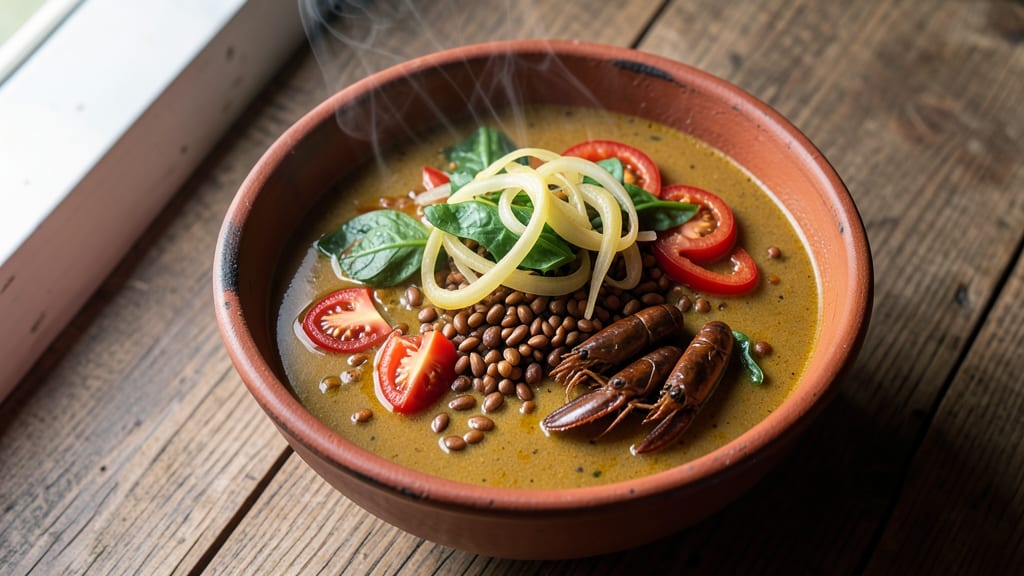
This authentic egusi soup recipe brings the rich, nutty flavors of West African cuisine to your kitchen with traditional techniques you won’t find in shortcut versions. The secret lies in properly toasting and grinding the egusi seeds—this creates that signature depth that separates homemade soup from store-bought imitations.
I’ve perfected the balance between earthy seed flavor and the vibrant vegetables that make this dish so satisfying.
What makes this recipe truly authentic is the slow-cooked base, where the egusi seeds release their full nutty potential while absorbing the smoky aroma of blended crayfish and onions.
The soup builds layers of flavor as it simmers, with leafy greens like spinach or bitterleaf adding freshness. For vegetarians, mushrooms or tofu provide hearty protein without compromising tradition.
By the time you serve this soup with pounded yam, fufu, or plantains, you’ll understand why it’s a staple at celebrations and family gatherings. The texture is velvety yet substantial, with each spoonful delivering a perfect harmony of earthy, savory, and slightly spicy notes.
This is comfort food at its finest—warm, nourishing, and deeply satisfying.
The beauty of this recipe lies in its adaptability. While the traditional version includes meat, you can easily create a vegetarian version that’s just as rich and flavorful.
The key is patience—letting the soup develop its complex flavors over time. Once you taste the difference, you’ll never settle for anything less than this authentic preparation.
Ingredients for authentic egusi soup
Toasted egusi seeds, vibrant vegetables, and slow-simmered depth create this authentic West African masterpiece.
| Ingredient | Amount | Notes |
|---|---|---|
| Egusi Seeds 🌰 | 1 cup | Toasted and freshly ground |
| Dried Crayfish 🦀 | ½ cup | Blended into fine powder |
| Yellow Onions 🧅 | 2 whole | Peeled and roughly chopped |
| Fresh Tomatoes 🍅 | 4 whole | Ripe, blended with skins |
| Red Bell Pepper 🌶️ | 1 whole | Seeds removed, chopped |
| Fresh Spinach 🌿 | 2 cups | Chopped, packed |
| Vegetable Oil 🫒 | ½ cup | For toasting egusi |
| Smoked Paprika 🌶️ | 1 tbsp | For depth of flavor |
| Ground Ginger 🌿 | 1 tsp | Freshly grated preferred |
| Ground Nutmeg 🌿 | ½ tsp | Freshly grated preferred |
| Salt 🧂 | 1 ½ tsp | Adjust to taste |
| Vegetable Stock 💧 | 4 cups | Homemade or quality store-bought |
| Firm Tofu 🍄 | 1 lb | Cubed for protein |
| Fresh Bitterleaf 🌿 | 1 cup | Chopped, optional but traditional |
| Lemon Juice 🍋 | 1 tbsp | Freshly squeezed |
The egusi seeds are non-negotiable—toast them in vegetable oil until fragrant, then grind into a fine powder. African markets or specialty stores carry the best quality, but check for freshness—seeds should smell nutty, not stale. For crayfish, dried powdered crayfish from West African grocery stores adds that signature umami depth. If you can't find it, shrimp powder or extra smoked paprika works in a pinch. The onions and tomatoes form the base, so choose ripe, flavorful varieties—heirloom tomatoes if you're feeling fancy. Fresh spinach and bitterleaf (if available) bring that traditional bitterness that balances the richness.
No fresh bitterleaf? Swiss chard or kale does the trick—just double the amount. Short on tofu? Mushrooms or chickpeas add heartiness without compromising texture. The vegetable stock should be rich and flavorful—homemade is ideal, but a quality low-sodium brand works too. For extra depth, blend a pinch of dried locust beans (iru) with the crayfish powder if you can find it. The smoked paprika adds a smoky note that’s essential for authenticity—substitute liquid smoke at 1/2 tsp if absolutely necessary, but it won’t be the same. And always toast your spices—ground ginger and nutmeg should be freshly grated for the best flavor.
This soup tastes even better the next day as flavors meld. Store in an airtight container in the fridge for up to 5 days. For longer storage, freeze portions for 3 months. The tofu and vegetables can be prepped ahead—they’ll keep in the fridge for 2 days before adding to the soup. For serving, pair with pounded yam or plantains to soak up every last bit of that velvety broth. The soup thickens as it cools, so add a splash of stock or water when reheating for the perfect consistency.
Why You'll Love This Recipe
- Same base, endless twists: Add spinach for a quick weekday meal, or pile it high with beef and plantains for Sunday dinner. I’ll be real, my kids ask for it more than any other soup, but it’s also the star at gatherings when I want something hearty without fuss.
- No-Fuss Blend: I just toss the toasted egusi seeds into boiling water, let them steep like tea—no grinding, no straining. That rich, nutty flavor comes from the seeds themselves, and honestly? It’s the easiest way to get that authentic depth without the mess.
- Umami Bomb: The dried crayfish and red bell pepper blend is where the magic happens—crispy, salty, and slightly smoky. Between us, that’s the combo that makes this soup dangerously addictive, especially when you balance it with the fresh tomatoes’ tang.
- Weeknight to Party: Same base, endless twists: Add spinach for a quick weekday meal, or pile it high with beef and plantains for Sunday dinner. I’ll be real, my kids ask for it more than any other soup, but it’s also the star at gatherings when I want something hearty without fuss.
Step-by-step instructions for authentic egusi soup
Here's how to craft a rich, nutty soup that captures West African soul in every bite.
Toast and Grind the Egusi Seeds
Heat the vegetable oil in a dry skillet over medium heat. Add the 1 cup of egusi seeds and toast them for 3-4 minutes, stirring constantly until they turn a rich golden brown color and release their nutty aroma. This step is crucial—it deepens the flavor and prevents bitterness in the final soup. Remove from heat immediately and transfer to a clean bowl to cool slightly.
While still warm, pulse the toasted egusi seeds in a food processor until you achieve a coarse, meal-like texture—similar to cornmeal. Avoid over-processing or you'll end up with a paste that won't blend properly into the soup. Set this aside for now; its earthy richness forms the soup's foundation.
Build the Flavor Base
In the same skillet (no need to clean it—the fond adds flavor), add the 2 whole yellow onions and sauté over medium heat for 5-6 minutes until deeply golden and caramelized. This takes patience; don't rush or the onions will burn. Add the 1 whole red bell pepper (seeds removed) and cook for another 3 minutes until softened.
Stir in the 1 tablespoon smoked paprika, 1 teaspoon ground ginger, and 0.5 teaspoon ground nutmeg, cooking for 30 seconds until fragrant. This aromatic blend forms the soul of the soup—where the smoky, spicy, and earthy notes come together. Immediately add the 4 whole fresh tomatoes (peeled and chopped) and cook for 4-5 minutes until they break down into a thick paste.
Blend the Crayfish and Stock
In a blender, combine the 0.5 cup dried crayfish (blended into fine powder), 1.5 teaspoons salt, and 4 cups vegetable stock. Blend until completely smooth, then strain through a fine-mesh sieve to remove any grit. This step creates the soup's signature umami depth and silky texture—don't skip the straining or you'll get a gritty bite.
Return the blended mixture to the skillet and bring to a gentle simmer over medium heat. Stir in the toasted, ground egusi seeds, stirring constantly for 2-3 minutes until fully incorporated. The soup will thicken noticeably as the seeds absorb the liquid. Here's where the magic happens—the nutty egusi and crayfish blend creates that signature velvety texture we're after.
Add Vegetables and Protein
Reduce heat to low and stir in the 2 cups fresh spinach and 1 cup fresh bitterleaf (if using). Cook for 3-4 minutes until the spinach wilts completely and the bitterleaf softens. The bitterleaf adds a traditional, slightly tart contrast that balances the richness—don't skip it if you can find it.
Add the cubed firm tofu and simmer gently for 5-6 minutes until heated through. The tofu should absorb some of the soup's flavor without falling apart. Taste and adjust seasoning with additional salt if needed. Remember, the crayfish is already quite salty, so go easy with extra salt.
Finish and Serve
Remove from heat and stir in the 1 tablespoon freshly squeezed lemon juice. This brightens the flavors and cuts through the richness beautifully. Let the soup rest for 5 minutes before serving—this allows the flavors to meld completely and the tofu to soak up even more of the delicious broth.
Serve immediately with pounded yam, fufu, or eba for the full traditional experience. The soup should be thick but still spoonable, with visible bits of tofu and vegetables suspended in a rich, nutty broth. Each bite should deliver that perfect balance of earthy egusi, umami crayfish, and fresh vegetable flavors—this is authentic egusi soup at its finest.
Pro Tips For Making Authentic Egusi Soup
- ROAST EGUSI FIRST: I learned this the hard way—raw egusi seeds taste bitter and never fully soften. Toss them in a dry skillet over medium heat for 3-4 minutes until they darken slightly and smell nutty. This step cuts prep time later and makes the soup richer.
- SOAK CRAYFISH PROPERLY: Skip the quick rinse—dried crayfish need at least 15 minutes in warm water to rehydrate fully. Crush them with the back of a spoon while still damp to release flavor, not when they’re rock-hard. Your soup’s umami depends on this.
- BLANCH TOMATOES AND PEPPERS: Toss chopped tomatoes and bell peppers into boiling water for 30 seconds before blending. This removes excess water and prevents a watery soup later. Drain well and pat dry—your future self will thank you.
- STIR CONSTANTLY AFTER THICKENING: Once the egusi starts to thicken, resist the urge to walk away. Stir every 30 seconds with a wooden spoon to prevent burning—this is where most egusi soups go wrong. Low heat helps, but attention is non-negotiable.
Regional styles of this dish
Nigerian Home Style
In Nigerian homes, egusi soup is often made with assorted meats like beef, goat, or chicken, but the vegetarian version uses tofu or mushrooms to maintain that hearty texture. The key difference? A longer simmer time—Nigerian cooks often cook the soup for 1.5-2 hours to develop deeper flavors.
I've found that adding palm oil (about 2 tablespoons) at the end gives that signature rich, reddish hue and adds a smoky depth. 🍛
For an extra layer of authenticity, many Nigerian families blend locust beans (iru) with the crayfish powder. This fermented seasoning adds a funky, savory note that's hard to replicate.
If you can't find iru, a mix of 1 tsp soy sauce and ½ tsp fish sauce can mimic its umami punch.
Ghanaian Twist
Ghanaians often prepare egusi soup with shito (black pepper sauce) as a topping, creating a spicy contrast to the nutty broth. The Ghanaian version typically includes more leafy greens, like bitterleaf and pumpkin leaves, which are wilted in at the very end to preserve their vibrant color.
I've seen recipes where they add ½ cup groundnut (peanut) paste to the soup base for extra creaminess. 🌶️
Another Ghanaian staple is serving the soup with fufu or banku instead of yam. The dough-like consistency of banku perfectly soaks up the rich soup, making every bite satisfying.
For a quicker version, some Ghanaians use instant egusi powder (found in African markets), but I always recommend toasting fresh seeds for that authentic nutty flavor.
Cameroonian Adaptation
In Cameroon, egusi soup is often paired with ndolé, a leafy green that's even more bitter than bitterleaf. The Cameroonian version also includes wild mushrooms and sometimes palm nuts for added richness.
I've noticed they tend to use more smoked paprika (up to 2 tbsp) for a deeper smoky flavor profile. The soup is traditionally served with fufu or plantains, but I've seen it with rice as a modern adaptation. 🍌
One unique touch in Cameroon is adding a pinch of nutmeg and cloves to the crayfish blend. This spice combination gives the soup a warm, aromatic complexity that sets it apart from other regional versions.
For a quick shortcut, some Cameroonians blend the crayfish with a bit of peanut butter to enhance the creaminess.
Liberian Fusion
Liberian cooks often incorporate palm oil and cassava leaves into their egusi soup, creating a darker, richer version. The Liberian style also includes more groundnuts (peanuts)—sometimes up to ½ cup ground peanut butter—which adds a distinct nutty sweetness.
I've found that Liberian egusi soup often has a slightly thinner consistency compared to Nigerian versions. 🥜
Another Liberian specialty is serving the soup with rice and beans as a side, creating a complete protein meal. They also frequently add dried fish (like bonga) to the soup for extra umami depth.
For a vegetarian twist, I've seen Liberian cooks use extra-firm tofu and chickpeas to replicate that protein-rich texture.
Nutrition facts
Frequently asked questions
Can I substitute fresh egusi seeds for the toasted version?
Never use raw egusi seeds—they contain harmful toxins that must be neutralized by toasting. Always toast your seeds in oil over medium heat for 3-4 minutes until golden and nutty. This step is non-negotiable for both safety and authentic flavor.
What if I can't find dried crayfish powder?
For a vegetarian version, use 1 tbsp soy sauce + ½ tsp fish sauce or 1 tbsp mushroom powder> for umami depth. For non-vegetarian, shrimp powder> works best—just reduce salt since shrimp is naturally salty. The key is replicating that savory, slightly funky flavor crayfish provides.
How do I make this soup thicker?
Simmer the soup uncovered for 10-15 extra minutes> to reduce the liquid naturally. For instant thickening, mix 1 tbsp cornstarch with 2 tbsp cold water, stir into the soup, and cook for 2 minutes>. Avoid adding flour directly—it can make the soup taste bitter.
Can I prepare this soup ahead of time?
Yes! This soup tastes even better the next day as flavors meld. Store in an airtight container in the fridge for up to 5 days.> For longer storage, freeze portions for 3 months.> When reheating, add a splash of water or stock to restore the perfect consistency. The tofu will absorb more broth when reheated, so serve immediately after warming.
What's the best way to serve authentic egusi soup?
Traditionally served with pounded yam,> fufu, or eba to soak up the rich broth. For a modern twist, pair with garlic bread> or steamed rice. The key is choosing a starchy side that complements the soup's earthy depth. In West Africa, it's often a celebratory dish—perfect for family gatherings or special occasions!