
Soups & Stews
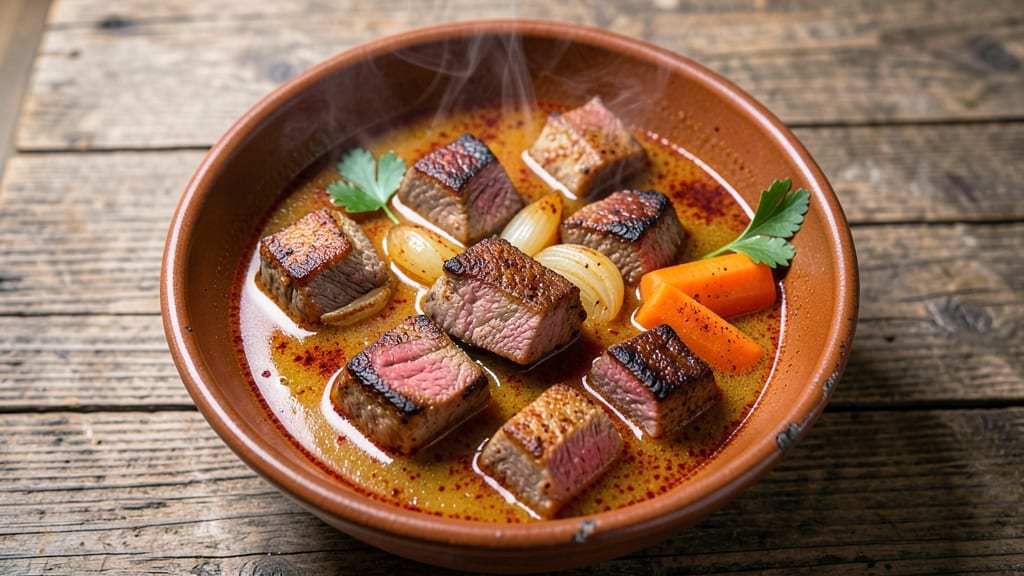
This authentic German goulash soup recipe brings hearty comfort straight from Bavaria’s kitchens, where paprika and tender beef create a deeply satisfying stew. The slow simmer transforms tough cuts into melt-in-your-mouth pieces, while vegetables like carrots and onions deepen the flavor with each passing hour.
What makes this version special is the balance of sweet and smoky paprika—traditionally Hungarian but embraced in German cuisine for its rich, warming depth.
The beauty of goulash lies in its simplicity and patience. With just a few key ingredients—beef, onions, paprika, and tomatoes—you’ll build layers of flavor over 2 to 3 hours of simmering, letting the spices meld into a velvety broth.
Unlike quicker versions, this method ensures the beef becomes fork-tender while the vegetables soften just enough to soak up all that savory goodness. It’s the kind of dish that tastes even better the next day, making it perfect for meal prep or cozy weeknight dinners.
By the time you’re done, you’ll have a steaming bowl of restaurant-quality goulash—golden-brown beef, tender vegetables, and a broth so rich it’ll have everyone asking for seconds. The aroma alone, spiced with paprika and herbs, transforms any kitchen into a German Gasthaus.
Serve it with crusty bread to soak up every last drop of that flavorful sauce, or pair it with a simple green salad for balance.
This recipe stays true to regional traditions while adapting for home cooks—no fancy techniques required, just time and attention to detail. The result? A soup that’s both authentic and deeply comforting, proving that the best meals often take the longest to make. Let’s get started on creating this timeless classic.
Ingredients for authentic german goulash soup
German goulash thrives on simple, quality ingredients that build rich, warming flavors over time.
| Ingredient | Amount | Notes |
|---|---|---|
| Beef Chuck Roast 🥩 | 2 ½ lb | Cut into 1.5-inch cubes |
| Yellow Onions 🧅 | 2 whole | Medium size, chopped |
| Carrots 🥕 | 4 whole | Medium size, peeled, sliced |
| Sweet Paprika 🌶️ | 2 tbsp | Hungarian or Spanish preferred |
| Smoked Paprika 🌶️ | 1 tbsp | For depth of flavor |
| Tomato Paste 🍅 | ½ cup | Squeeze tube preferred |
| Beef Broth 💧 | 4 cups | Low-sodium preferred |
| Red Wine 🍷 | 1 cup | Bold dry red like Cabernet |
| Garlic Cloves 🧄 | 4 cloves | Minced for even distribution |
| Fresh Thyme 🌿 | ½ ounce | Or 1 tbsp dried thyme |
| Bay Leaves 🌿 | 2 whole | Removed before serving |
| Salt 🧂 | 1 ½ tsp | Diamond Crystal preferred |
| Black Peppercorns 🌶️ | ½ tsp | Freshly ground |
| All-Purpose Flour 🌾 | 1 tbsp | For thickening broth |
| Olive Oil 🫒 | 2 tbsp | Extra-virgin for richness |
The beef is the foundation—chuck roast delivers that melt-in-your-mouth texture after hours of simmering. Look for cuts with good marbling at Whole Foods or your local butcher shop. If using pre-cubed beef from the grocery store, Costco's vacuum-sealed packages are ideal for this recipe. For the paprika, Hungarian or Spanish varieties provide the best balance of sweet and smoky flavors—avoid the bland supermarket blends. The tomato paste? Trader Joe's squeeze tubes are perfect here—they're convenient, last for months, and you won't waste a whole can.
No red wine? Beef broth with 1 tbsp balsamic vinegar works perfectly. Fresh thyme is ideal, but dried at one-third the amount gets you close. The carrots can be baby carrots if that's what you have—just adjust the quantity to match. For the onions, yellow or red both work, but yellow has a slightly sweeter flavor. The flour is just for thickening at the end—King Arthur brand is my go-to for reliable results. If you're short on time, you can skip the bay leaves entirely, but they add that subtle earthy depth that makes this feel truly authentic.
This soup tastes even better the next day as all the flavors meld together. Store in an airtight container in the fridge for up to 5 days, or freeze portions for 3 months. I always make a double batch—leftovers reheat beautifully and make quick lunches for the week. The beef will be fork-tender, so portion it carefully when reheating. For serving, crusty German rye bread is traditional, but any hearty bread will do. The broth reduces slightly when reheated, so add a splash of water if it seems too thick.
Why You'll Love This Recipe
- One-Pot Magic: I swear by this recipe—just dump everything into one pot, let it simmer, and walk away. No fancy techniques, no stress. That beef chuck roast practically melts into tender perfection while you handle the rest of dinner.
- Paprika Powerhouse: Between us, the combo of sweet and smoked paprika is what makes this soup ridiculously good. It’s got that deep, smoky warmth that wraps around you like a cozy blanket, especially when the onions caramelize just right.
- Leftovers That Win: Honestly? This soup tastes even better the next day. I make a big batch on Sundays, and by Wednesday, it’s still my go-to—whether I’m reheating it for lunch or freezing portions for lazy nights. The flavors only deepen.
- Budget-Friendly Feast: A chuck roast stretches farther than you’d think, and carrots plus onions won’t break the bank. It’s the kind of meal that fills the house with warmth without emptying your wallet—perfect for when you want hearty comfort without the splurge.
Step-by-step instructions for authentic German goulash soup
This traditional German method delivers rich, paprika-spiced beef with tender vegetables—every element matters for authentic flavor.
Sear the Beef for Deep Flavor
Heat the 2 tablespoons olive oil in a large Dutch oven over medium-high heat until shimmering. Pat the 2.5 lb beef chuck roast dry with paper towels and cut into 1.5-inch cubes. Working in batches, sear the beef for 3-4 minutes per side until deeply browned on all sides—this creates the Maillard reaction that builds authentic depth of flavor.
Real talk: Don't crowd the pan. If you need to work in batches, resist the urge to add more oil. The rendered beef fat will create its own sear. Once all beef is browned, transfer it to a plate and set aside. You'll notice the pan will have a beautiful dark fond—this is where the magic happens.
Build the Paprika-Spiced Base
Reduce heat to medium and add the 2 whole yellow onions and 4 whole carrots (chopped and sliced as specified). Cook for 5-6 minutes until softened and slightly caramelized. Stir in the 2 tablespoons sweet paprika and 1 tablespoon smoked paprika, cooking for 30 seconds to toast the spices and release their aromatic oils.
Here's the thing—those paprika spices are the soul of German goulash. Don't rush this step. You'll see the spices darken slightly as they bloom. Add the 4 cloves minced garlic and cook for another 30 seconds until fragrant. This aromatic base is your flavor foundation.
Deglaze and Simmer the Broth
Pour in the 1 cup red wine and scrape up all the browned bits from the bottom of the pot with a wooden spoon. This deglazing step captures all that concentrated beef flavor you worked so hard to create. Let the wine reduce by half—about 3-4 minutes—until it's syrupy and slightly thickened.
Add the 0.5 cup tomato paste, stirring to combine completely. Pour in the 4 cups beef broth and bring to a gentle boil. The reason we wait until the wine reduces is that raw alcohol can make the broth taste harsh. Now add the seared beef back to the pot along with the 2 whole bay leaves and 0.5 ounce fresh thyme.
Cook Until Tender and Flavorful
Reduce heat to low and cover partially with a lid. Let the goulash simmer for 1.5-2 hours until the beef is fork-tender and the vegetables are completely soft. I know it seems like a long time, but this slow cooking is what makes German goulash so comforting and tender.
Check the seasoning after 1 hour and adjust with the 1.5 teaspoons salt and 0.5 teaspoon black peppercorns. The broth should coat the back of a spoon but not be watery. If it's too thin, uncover and simmer for another 10-15 minutes to reduce slightly.
Thicken and Finish
Remove the 2 bay leaves and stir in the 1 tablespoon all-purpose flour. Cook for 2-3 minutes until the soup thickens slightly to a velvety consistency. Taste and adjust seasoning one final time—authentic German goulash should be rich, slightly sweet from the paprika, and balanced with acidity from the wine and tomato.
Serve immediately with crusty bread or over buttered egg noodles. The soup will continue to thicken as it sits, so don't worry if it looks slightly loose when you first serve it. Each bowl should deliver tender beef, sweet carrots, and onions that've absorbed all that paprika-spiced broth.
Pro Tips For Making Authentic German Goulash Soup
- Brown the Chuck First: I learned this the hard way—skipping the deep sear means your goulash will taste like stewed beef instead of rich, caramelized flavor. Slice the chuck into 1-inch chunks, then cook them in batches on high heat with a splash of oil until the edges are dark brown and crispy. That crust packs serious depth.
- Dice Onions Like a Pro: Fine dice those yellow onions—about 1/4-inch pieces—so they melt into the broth instead of sitting as chunks. I used to cut them roughly, and they’d turn to mush or stay too identifiable. Smaller pieces also caramelize faster, giving that sweet, jammy base the soup needs.
- Balance the Paprikas: Sweet paprika adds color and mild sweetness, but smoked paprika is where the soul lives. Start with 1 teaspoon of sweet and 1/2 teaspoon of smoked, then adjust to taste—too much smoked can overpower, while too little leaves it flat. Taste the broth before adding the meat back in.
- Simmer Low and Slow: After everything’s in the pot, keep the heat at a gentle simmer—not a boil. I used to rush it, and the carrots turned to mush while the beef stayed tough. A steady simmer for 2–2.5 hours lets the chuck fall apart naturally and the flavors meld. Cover it loosely so the liquid doesn’t evaporate too fast.
Common mistakes when making your authentic german goulash soup
Skipping the Sear
One of the biggest mistakes is skipping the sear on the beef. That initial browning creates the Maillard reaction, which builds deep, meaty flavor. Without it, your goulash will taste flat and one-dimensional.
I’ve learned the hard way—once I rushed this step and ended up with beef that was just barely cooked through but lacked that rich, caramelized depth. Work in batches if needed, but never skip this crucial step. 🔥
Using Low-Quality Paprika
The paprika is the soul of German goulash, so don’t cut corners here. Supermarket blends often contain fillers that make the flavor bland. I always reach for Hungarian or Spanish paprika—they’re sweeter and more aromatic.
The difference is night and day. If you can only find the bland stuff, add an extra ½ teaspoon of smoked paprika to compensate for the lack of depth.
Overcrowding the Pot
When searing the beef, don’t overcrowd the pan. If you pile all the cubes in at once, they’ll steam instead of brown properly. This leads to pale, flavorless beef that doesn’t develop that rich crust.
Work in batches, and resist the urge to add more oil—let the rendered beef fat do its job. A Dutch oven is perfect for this because it gives you enough space to sear properly without overcrowding.
Not Deglazing Properly
After searing, scraping up those browned bits from the bottom of the pot is essential. These bits, called fond, are packed with flavor. If you skip this step, you’re missing out on layers of richness.
Pour in that 1 cup red wine and scrape vigorously with a wooden spoon. Let it reduce by half before adding the tomato paste—this ensures the wine’s harshness mellows into a smooth, savory base.
Rushing the Simmering Time
Goulash needs time to develop its full flavor. Skipping the 1.5-2 hours of simmering results in tough beef and underdeveloped broth. I’ve seen people try to speed this up by boiling it, but that turns the beef into shoe leather.
Keep the heat low and let the soup work its magic. The longer it simmers, the more tender the beef becomes, and the more the spices meld together for a cohesive flavor.
Ignoring the Flour Thickening Step
Some recipes skip the flour at the end, but adding that 1 tablespoon all-purpose flour in the last few minutes creates a velvety texture that’s essential for authentic goulash. Without it, the broth can be too thin and watery.
Stir it in and cook for just 2-3 minutes—any longer, and it’ll turn pasty. This step ties everything together and gives the soup that perfect, hearty consistency.
Nutrition facts
Frequently asked questions
Why does German goulash use paprika if it’s a Hungarian spice?
While paprika originated in Hungary, it became a staple in German cuisine through cultural exchange and trade routes. The Germans embraced its sweet, smoky depth—especially in hearty stews like goulash—because it pairs perfectly with beef and tomatoes. This version blends traditional German techniques with Hungarian spices for that authentic flavor balance.
Can I make this soup in a slow cooker?
Brown the beef first in a skillet, then transfer everything to your slow cooker. Cook on low for 6-8 hours or high for 3-4 hours. The slow cooker’s gentle heat mimics the Dutch oven’s simmering perfectly. Just skip the flour thickening at the end—it’ll thicken naturally during cooking.
What’s the best way to reheat leftovers?
Reheat gently on the stove over low heat with a splash of water or beef broth to prevent drying. Never microwave directly—it makes the beef rubbery. For best results, reheat just until warmed through (5-10 minutes) and let it sit covered for 5 minutes before serving. The flavors actually improve overnight!
Can I substitute beef with another protein?
For authenticity, beef is ideal, but you can try lamb shoulder (works beautifully) or pork shoulder. Avoid chicken—it cooks too quickly and won’t develop the same rich texture. If using lamb, reduce simmering time to 1.5 hours and add 1 teaspoon cinnamon for depth.
How do I know when the beef is tender enough?
Test with a fork—it should pierce easily with no resistance. The beef should also separate slightly when you lift it with tongs. If it’s still tough after 2 hours, uncover and simmer another 30 minutes. Never rush this step—tender beef is the soul of goulash!