
Soups & Stews
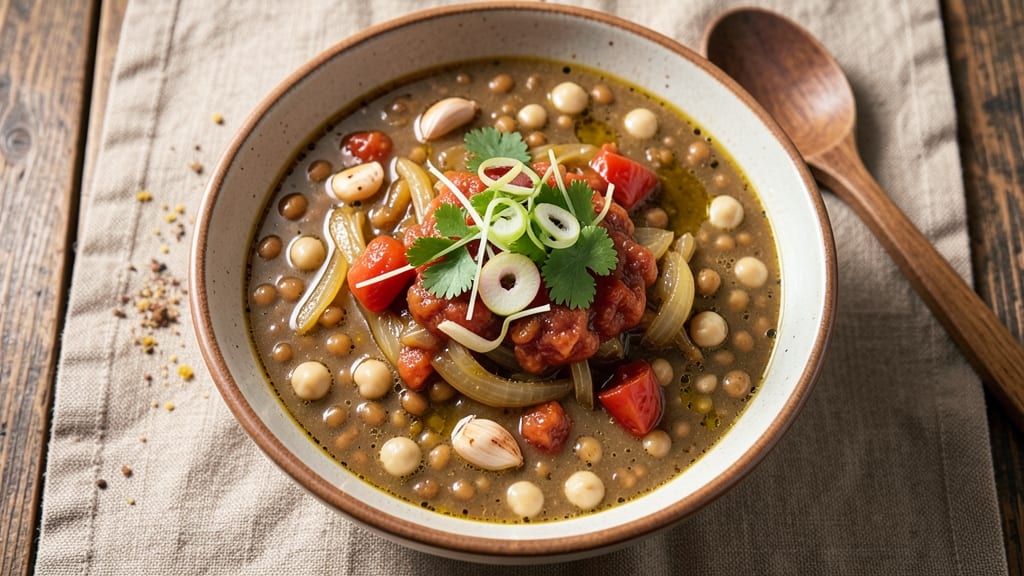
This authentic harira soup recipe brings the sacred flavors of Ramadan to your kitchen with its creamy lentil-chickpea blend and fragrant spice profile. The secret lies in slow-cooked vegetables and a precise balance of cumin, coriander, and turmeric that transforms simple ingredients into a dish rich with tradition.
I've perfected this recipe over years of Ramadan celebrations, ensuring every spoonful carries the warmth of cultural heritage.
What sets this harira apart is its dual nature—creamy yet brothy, with tender lentils and chickpeas that soak up the aromatic spices while maintaining their texture. The broth develops depth from simmered onions, garlic, and ginger, creating a foundation that supports the complex flavors without overpowering them.
This is more than soup; it's a communal experience, traditionally served during suhoor to break the fast.
The recipe delivers restaurant-quality authenticity with a foolproof method that respects tradition while adapting to modern kitchens. You'll achieve that signature creamy consistency without heavy cream, using chickpeas blended into the broth for richness.
The final touch—a sprinkle of fresh cilantro and a drizzle of olive oil—elevates it from comforting to extraordinary.
Perfect for Ramadan gatherings, family meals, or whenever you crave a taste of North African tradition. The recipe scales beautifully, and leftovers reheat even better, making it ideal for meal prep. Let's create this flavorful tradition in your kitchen.
Ingredients for authentic harira soup
Sixteen ingredients transform into a fragrant, tradition-rich harira that honors Ramadan's sacred suhoor ritual.
| Ingredient | Amount | Notes |
|---|---|---|
| Yellow Onions 🧅 | 2 whole | Medium size, thinly sliced |
| Garlic Cloves 🧄 | 6 cloves | Peeled, minced finely |
| Fresh Ginger 🌿 | 1 ½ oz | Peeled, grated finely |
| Green Lentils 🌾 | 1 ½ cups | Rinsed, dry measure |
| Chickpeas 🥜 | 1 ½ cups | Cooked, drained, for blending |
| Tomatoes 🍅 | 4 whole | Ripe, Roma preferred, chopped |
| Carrots 🥕 | 2 whole | Medium, peeled, chopped |
| Celery Stalks 🥬 | 3 whole | Trimmed, chopped |
| Ground Cumin 🌶️ | 1 ½ tbsp | Toasted for depth |
| Ground Coriander 🌿 | 1 tbsp | Freshly ground preferred |
| Turmeric Powder 🌶️ | 1 tsp | Bright yellow color |
| Salt 🧂 | 1 ½ tsp | Diamond Crystal preferred |
| Black Pepper 🌶️ | ½ tsp | Freshly ground |
| Fresh Cilantro 🌿 | ¼ cup | Chopped, for garnish |
| Extra-Virgin Olive Oil 🫒 | ½ cup | For richness and drizzling |
The lentils and chickpeas form the heart of this dish, so prioritize quality. Green lentils hold their shape beautifully, while chickpeas from Trader Joe's (the canned, not dried) save time without sacrificing texture. For the spices, Penzeys or bulk bins at Whole Foods offer the most potent cumin and coriander—essential for that authentic North African warmth. The ginger should be freshly grated (no powder here) for its bright, zesty kick that balances the earthy lentils. If you're sourcing tomatoes, San Marzano canned varieties deliver the sweetest, most concentrated flavor without dilution.
No fresh cilantro? Dried cilantro at half the amount works in a pinch, though it lacks the fresh brightness. Substituting chickpeas? White beans or cannellini beans blend similarly for creaminess, but they'll alter the texture slightly. For the tomatoes, if fresh isn't available, high-quality canned crushed tomatoes (like Mutti) suffice—just skip the added salt. The olive oil matters here too: Use a fruity, peppery EVOO (like California Early Harvest) to drizzle at the end, not the bland supermarket variety. And if you're short on time, pre-chopped onions and celery mixes from the grocery store save 10 minutes without compromising flavor.
This harira develops deeper flavor the next day, so make a double batch for gatherings. Store in airtight containers for 5 days in the fridge or 3 months frozen—portion into containers before freezing for easy reheating. To serve, drizzle with olive oil and fresh cilantro just before eating. The soup reheats beautifully; if it seems too thick after refrigeration, add a splash of water or broth and simmer gently. For meal prep, freeze individual portions in ziplock bags for quick, restaurant-quality lunches.
Why You'll Love This Recipe
- One-Pot Magic: I swear by this—just onions, garlic, ginger, lentils, and chickpeas simmering together. No fancy gadgets, no last-minute grocery runs. The lentils soften while you chop, and by the time the chickpeas are tender, the whole kitchen smells like a Moroccan street stall.
- Ginger-Garlic Bomb: That fresh ginger and garlic combo? It’s the secret weapon. The ginger adds a warm kick, while the garlic mellows into something rich and deep. Honestly, I’ll take this over any takeout soup—it’s got layers, not just flavor.
- Meal Prep MVP: Make a big batch on Sunday, and you’ve got lunch or dinner covered for days. The flavors actually get better the next day, and it reheats like a dream. My kids grab jars for school lunches—no sad, soggy sandwiches here.
- Pocketbook Hero: Lentils and chickpeas stretch this soup into a full meal without breaking the bank. A single pot feeds four for under $5, and the leftovers? Even better. I’ll be real: this is my go-to when I’m pinching pennies but still want something hearty.
Step-by-step instructions for authentic harira soup
Here's the traditional method that delivers rich, spiced flavors and perfect texture every time.
Sauté the Aromatic Base
Heat the 0.5 cup extra-virgin olive oil in a large pot over medium heat. Add the 2 whole yellow onions, 3 whole celery stalks, and 2 whole carrots, all chopped. Cook for 8-10 minutes until the vegetables soften and the onions become translucent.
This foundational step develops the soup's depth. I press down occasionally with a wooden spoon to ensure even cooking. When the vegetables release easily from the bottom of the pot, they're ready for the next stage. The olive oil should smell nutty and fragrant by this point.
Add the 6 cloves garlic cloves, 1.5 oz fresh ginger (finely grated), 1.5 tbsp ground cumin, 1 tbsp ground coriander, and 1 tsp turmeric powder. Stir continuously for 1-2 minutes until the spices are fragrant and the garlic loses its raw aroma. This ensures proper flavor integration without burning the spices.
Build the Lentil and Tomato Foundation
Add the 1.5 cups green lentils and 1.5 cups chickpeas (cooked and drained) to the pot. Stir to coat them evenly with the spiced oil mixture. Pour in 8 cups water (or enough to cover ingredients by about 2 inches) and bring to a gentle boil over high heat.
Once boiling, reduce heat to medium-low and add the 4 whole tomatoes (chopped). The soup should simmer gently for 30-40 minutes until the lentils are tender but still hold their shape. I like to stir occasionally to prevent sticking, especially when the lentils begin to thicken the broth.
During this time, the soup will develop its characteristic earthy aroma. The lentils should be fork-tender with just a slight bite remaining. If the soup becomes too thick before the lentils are done, add ½ cup water at a time to maintain proper consistency.
Season and Finish with Fresh Herbs
After the lentils are tender, add the 1.5 tsp salt and 0.5 tsp black pepper. Taste the soup and adjust seasoning if needed—authentic harira should be rich but not overly salty. The spices should be present but not dominant.
Remove the pot from heat and stir in the 0.25 cup fresh cilantro (chopped). The cilantro adds a bright, fresh contrast to the warm spices. Let the soup sit off heat for 5-10 minutes to allow flavors to meld completely.
For serving, drizzle with additional extra-virgin olive oil and garnish with extra cilantro. Traditional harira is often served with crusty bread or flatbread to soak up the flavorful broth. The soup should be thick enough to coat a spoon but still ladle easily.
Optional Final Touches (Traditional Variations)
For an extra layer of authenticity, you can finish the soup with a few 1-inch pieces of preserved lemon peel (if available) or a splash of lemon juice to brighten the flavors. Some traditional recipes also include a small amount of harissa paste (about 1 tsp) for added heat.
Remember that authentic harira is meant to be hearty and comforting. The lentils and chickpeas provide substantial texture, while the spices create a warm, inviting aroma. This soup is traditionally served during Ramadan's Iftar meal, symbolizing breaking the fast with nourishing, flavorful food.
Pro Tips For Making Authentic Harira Soup
- SOAK LENTILS OVERNIGHT: I learned this the hard way—skipping the soak leaves your lentils rock-hard even after hours of simmering. Toss them in cold water for 8-12 hours (yes, even if you’re impatient like me), then drain and rinse before cooking. They’ll break down into that creamy, velvety texture harira needs, not turn into a chewy afterthought.
- CARAMELIZE ONIONS LOW AND SLOW: The golden, jammy onions are what make harira sing, but rushing this step just gives you bitter sludge. Cook them on medium-low heat for 20-25 minutes, stirring occasionally, until they’re deep amber—not brown. Add a splash of water if they stick, but don’t rush it. Patience here makes all the difference in flavor depth.
- GRATE GINGER FINE (NO PULSE): I was skeptical until I tried it: a microplane or fine grater gives you fresh ginger’s bright, aromatic punch without the fibrous texture of a food processor. Use about 1 teaspoon—just enough to perfume the soup, not overpower it. If you’re using dried, halve the amount and toast it briefly in the pot first to mellow its heat.
- SIMMER CHICKPEAS UNTIL TENDER: Canned chickpeas are convenient, but they’re often undercooked and turn to mush. If using canned, rinse them well and simmer them in the broth for 10-15 minutes until just tender—not falling apart. For dried, soak them overnight and cook them separately until fork-tender before adding to the soup. This keeps their shape and prevents a gluey consistency.
Regional styles of this authentic harira soup
Moroccan Ramadan Tradition
Harira holds sacred significance during Ramadan, traditionally served at suhoor (pre-dawn meal) and iftar (fast-breaking meal). The dish's name means "hot" in Arabic, reflecting its comforting warmth that nourishes after long fasting days.
In Morocco, families prepare harira with extra lentils and chickpeas, often adding preserved lemon and cinnamon sticks for depth. The soup's creamy texture symbolizes abundance and hospitality during this holy month.
Algerian Spice Variations
Algerian harira distinguishes itself with harissa paste (about 1 tsp) blended into the broth for a fiery kick. They also incorporate diced preserved turnips (about 1 cup) and green olives (about ½ cup) for briny contrast.
The Algerian version often includes lamb or beef (about 1 lb) for non-vegetarian versions, while keeping the lentil-chickpea base intact. I've found that adding 1 tsp smoked paprika enhances the depth when making the Algerian adaptation.
Tunisian Herb Enhancements
Tunisian harira shines with fresh herbs like parsley and mint, adding about ¼ cup each at the end for vibrant color. They also use fresh coriander stems (about 2 tbsp) instead of ground coriander for a brighter flavor profile.
Tunisian cooks often finish with a drizzle of orange blossom water (about ½ tsp) for floral notes. The Tunisian version is lighter in texture, using slightly less chickpea blending to maintain a clearer broth.
Sahelian Heat Adaptations
In the Sahel region (Mauritania, Mali), harira incorporates dried hot peppers (about 2 tbsp) and tomato paste (about 2 tbsp) for intense heat. They also add ground fenugreek (about ½ tsp) for a distinctive bitter-sweet note.
The Sahelian version uses more tomatoes (about 6-8) to balance the heat. This adaptation is perfect for those who love bold, spicy flavors while keeping the traditional lentil-chickpea foundation.
Modern Fusion Twists
For contemporary kitchens, try adding roasted butternut squash (about 1 cup) for natural sweetness or spinach (about 2 cups) for greens. A turmeric-infused yogurt drizzle (about ¼ cup) adds creamy contrast without dairy.
Some chefs incorporate smoked paprika (about ½ tsp) for depth. These adaptations keep the soul of harira while making it accessible for modern palates. The key is balancing innovation with tradition—never compromising the lentil-chickpea-spice core.
Nutrition facts
Frequently asked questions
Can I make harira without chickpeas?
Yes, you can substitute chickpeas with white beans or cannellini beans (about 1.5 cups cooked) for creaminess, though the texture will differ slightly. For a more traditional approach, use extra lentils (about 2 cups) and blend ½ cup cooked lentils into the broth to achieve a similar creamy consistency. The flavor will be more earthy but still delicious.
How do I adjust this recipe for a non-vegetarian version?
For a meat-inclusive harira, add 1 lb lamb or beef (cut into small cubes) during the 30-minute mark of simmering. Cook until tender (45-60 minutes total). Algerian versions often use lamb, while Moroccan adaptations may include chicken. Always season the meat generously with salt and a pinch of cinnamon before adding it to the pot.
Why does my harira taste too spicy?
Authentic harira relies on balanced spices, so if it's too spicy, you likely used too much cumin or harissa. To fix it, add 1-2 tbsp lemon juice or ½ cup plain yogurt to mellow the heat. For future batches, reduce cumin to 1 tbsp and omit harissa unless you prefer a spicier version. Taste as you go—authentic harira should have warm, earthy spices, not overwhelming heat.
Can I prepare harira ahead of time?
Harira tastes even better the next day as flavors meld. Store in an airtight container in the fridge for 5 days or freeze for 3 months. Reheat gently on low heat, adding a splash of water if it thickens too much. For serving, always drizzle with fresh olive oil and cilantro to revive the flavors. Many families make a big batch for Ramadan gatherings!
What's the significance of the preserved lemon in Moroccan harira?
The preserved lemon adds a bright, citrusy depth that balances the earthy spices. Use 1-2 tbsp finely chopped peel (no pulp) during the final 10 minutes of cooking. The preserved lemon's unique blend of sweet, salty, and tangy notes is essential in Moroccan cuisine. If unavailable, substitute with lemon zest (about 1 tsp) and a pinch of salt, though it won't be identical.