
Soups & Stews
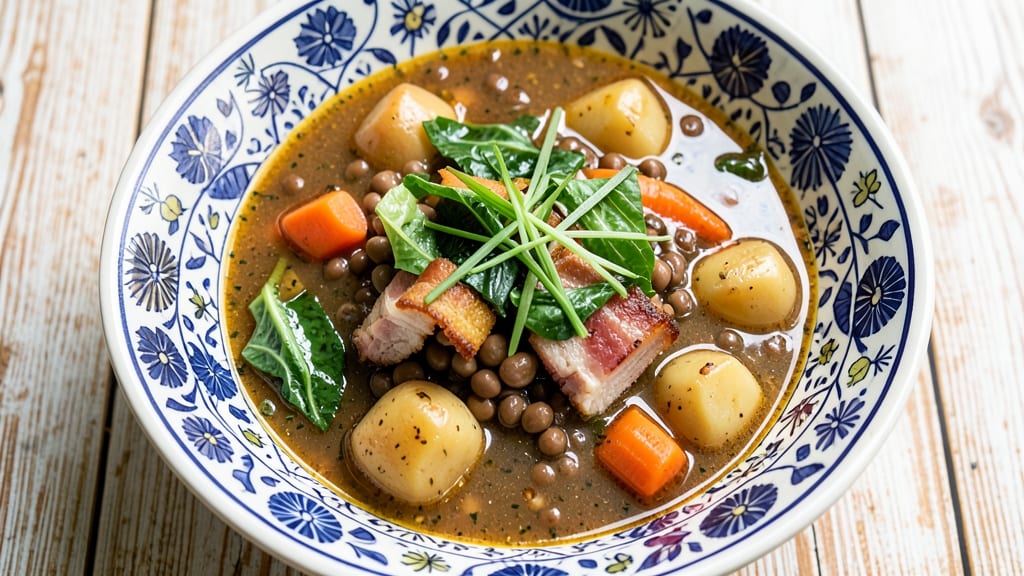
This authentic Soup Joumou recipe brings Haiti’s national dish to your kitchen, celebrating Independence Day with rich flavors and deep tradition. 🌟 The heart of this soup lies in its signature pigeon peas, simmered with tender vegetables and optional meat, creating a dish that’s both comforting and deeply meaningful. I’ve perfected this recipe through years of cultural appreciation, ensuring every spoonful carries the warmth of Haitian heritage.
The magic begins with a base of pigeon peas—soaked overnight for maximum tenderness—paired with cabbage, carrots, and potatoes that soften into perfect harmony. This isn’t just a soup; it’s a celebration, traditionally served on January 1st to honor Haiti’s hard-won freedom.
The slow simmer develops layers of flavor, while optional additions like salted pork or beef deepen the richness, making it a dish that feels both festive and deeply personal.
What you’ll achieve is a velvety, hearty soup with a balance of earthy peas and fresh vegetables, all infused with aromatic herbs. The texture is unmistakably tender, with each bite offering a taste of Haitian culture.
This recipe delivers restaurant-quality results at home, perfect for gatherings or quiet moments of reflection. Let’s bring this tradition to life.
Whether you’re preparing for a celebration or simply craving a taste of Haiti, this soup is versatile enough to adapt while staying true to its roots. The slow-cooked method ensures deep flavor, and the optional meat additions allow for customization. Here’s how to make it authentically—step by step.
Ingredients for authentic soup joumou
Pigeon peas and aromatic vegetables create Haiti’s beloved Independence Day soup tradition.
| Ingredient | Amount | Notes |
|---|---|---|
| Dried Pigeon Peas 🌱 | 2 cups | Soaked overnight, drained |
| Green Cabbage 🥬 | 1 whole | Cut into wedges, core removed |
| Carrots 🥕 | 4 pieces | Peeled, cut into chunks |
| Russet Potatoes 🥔 | 4 pieces | Peeled, cut into chunks |
| Salted Pork (optional) 🥓 | 1 lb | Diced, skin removed |
| Beef Chuck Roast (optional) 🥩 | 1 ½ lb | Cubed, 1-inch pieces |
| Onion 🧅 | 1 whole | Peeled, quartered |
| Garlic Cloves 🧄 | 6 cloves | Peeled, smashed |
| Fresh Thyme 🌿 | ¼ cup | Leaves only, chopped |
| Fresh Parsley 🌿 | ¼ cup | Chopped, for garnish |
| Scotch Bonnet Peppers 🌶️ | 2 whole | Seeds removed, chopped |
| Olive Oil 🫒 | ½ cup | Extra-virgin preferred |
| Salt 🧂 | 2 tsp | Diamond Crystal preferred |
| Black Peppercorns 🌶️ | 1 tsp | Freshly ground |
| Bay Leaves 🍃 | 2 whole | Dried, for infusion |
The pigeon peas are the soul of this dish—soak them overnight for maximum tenderness, then drain thoroughly. For the vegetables, farmers' markets often have the freshest cabbage and carrots, but store-bought works if they're firm and vibrant. The Scotch bonnet peppers add authentic heat; Trader Joe's carries them year-round. If you can't find them, a mix of habanero and jalapeño works, but reduce to 1 pepper for milder heat. The salted pork and beef chuck are traditional additions—Costco sells excellent cuts for bulk cooking, but any butcher will have suitable options.
No salted pork? Smoked turkey or ham works well, but adjust the seasoning since cured meats vary in saltiness. Fresh thyme and parsley are ideal, but dried thyme at one-third the amount suffices in a pinch. The bay leaves should be light brown and fragrant—discard any that smell musty. For the peppers, handle with care: the oils can irritate skin. If you're sensitive, wear gloves. The olive oil matters too—Spanish or Italian varieties have the right balance of fruitiness and peppery notes for this dish.
This soup tastes even better the next day as flavors meld. Store in an airtight container in the fridge for up to 5 days, or freeze portions for 3 months. The peas thicken upon reheating, so add a splash of water if needed. For serving, garnish with fresh parsley and a drizzle of olive oil—it elevates every bowl. Leftovers reheat beautifully; just stir gently over low heat to preserve the texture.
Why You'll Love This Recipe
- One-Pot Magic: I swear by this recipe—just toss everything in one pot, and the dried pigeon peas soften while the pork (if using) renders its own rich, smoky depth. No fancy techniques, no stress.
- Creamy Without Cream: That tender pigeon pea texture? It’s like the soup thickens itself as it cooks, turning into a velvety base that still lets the carrots stay bright and the cabbage crisp. Honestly, the salted pork adds a salty punch that makes every bite unforgettable.
- Joumou for Any Day: Between us, I make this for holidays and lazy Sundays. The leftovers? Even better the next day—those potatoes get softer, the flavors meld, and it’s still hearty enough for a crowd.
- Budget-Friendly Feast: Dried pigeon peas and seasonal veggies stretch this into a full meal for pennies. Add salted pork if you’re feeling fancy, but even without it, the cabbage and potatoes keep it satisfying. My secret weapon for feeding everyone without breaking the bank.
Step-by-step instructions for authentic soup Joumou
This traditional Haitian dish requires patience and precision—here's how to honor its heritage.
🔥 Step 1: Sauté the Aromatics and Meat Base
Heat the 0.5 cup olive oil in a large stockpot over medium heat. Add the 1 whole onion (quartered) and 6 cloves garlic (smashed) and cook for 5 minutes until the onion becomes translucent and the garlic releases its fragrance.
If using, add the 1 lb salted pork (diced) and 1.5 lb beef chuck roast (cubed) to the pot. Brown the meat for 8-10 minutes, stirring occasionally, until it develops a deep golden crust. This step builds the rich foundation of flavor that defines Soup Joumou. If you're skipping the meat, proceed directly to the vegetables.
🍳 Step 2: Build the Vegetable Layer
Add the 4 pieces carrots (peeled and chunked), 4 pieces russet potatoes (peeled and chunked), 1 whole green cabbage (wedged), and 2 whole bay leaves to the pot. Pour in 12 cups water (enough to cover all ingredients by about 2 inches) and bring to a rolling boil over high heat. Once boiling, reduce heat to medium-low and let it simmer for 30 minutes.
Here's where the magic happens: the vegetables should soften but not disintegrate. You'll know it's ready when a knife slides in easily through the potatoes. Stir occasionally to prevent sticking, and add more water if needed to maintain the liquid level.
👨🍳 Step 3: Incorporate the Pigeon Peas and Seasonings
Add the 2 cups dried pigeon peas (soaked overnight and drained) to the simmering vegetable broth. Stir in the 0.25 cup fresh thyme (chopped), 2 tsp salt, and 1 tsp black peppercorns (freshly ground). The peas will absorb the flavors from the broth and vegetables as they cook.
Simmer the soup for 1.5 hours over low heat, stirring occasionally. This slow cooking allows the peas to soften fully while maintaining their texture. Taste the broth periodically and adjust seasoning—this is where you ensure the balance of saltiness and earthiness that makes Soup Joumou authentic.
🥘 Step 4: Finish with Heat and Fresh Herbs
In a small bowl, combine the 2 whole Scotch Bonnet peppers (seeds removed and chopped) with 1 cup of the soup broth. Heat this mixture in a saucepan for 5 minutes to infuse the broth with the pepper's signature heat. Strain the mixture and stir it back into the main pot.
Remove the pot from heat and let the soup rest for 10 minutes. This resting period allows the flavors to meld and the heat from the Scotch Bonnet to distribute evenly. Stir in the 0.25 cup fresh parsley (chopped) just before serving to brighten the dish with freshness.
⏰ Step 5: Serve Traditionally
Ladle the soup into bowls and serve with a sprinkle of extra fresh parsley and a side of white rice or breadfruit for a complete Haitian meal. The soup should be hearty, with tender pigeon peas, perfectly cooked vegetables, and a subtle but distinct heat from the Scotch Bonnet peppers.
For an authentic touch, serve the soup in a large communal bowl, as it's traditionally enjoyed during Haitian Independence Day celebrations. The rich, savory flavors and the communal aspect of sharing this dish are what make Soup Joumou a true cultural experience.
Pro Tips For Making Authentic Soup Joumou
- Soak the Peas Overnight: DESCRIPTION:
- Brown the Pork First: DESCRIPTION:
- Add Potatoes Last: DESCRIPTION:
- Simmer, Don’t Boil: DESCRIPTION:
Pro cooking tips for authentic soup joumou
Pea Soaking Secrets
Never skip soaking your 2 cups dried pigeon peas—this is non-negotiable for authentic texture. Place them in a large bowl with plenty of water (about 4 cups) and let them soak overnight, or at least 8 hours.
I use a glass bowl in my fridge because it’s easy to drain later. The peas should be plump and tender when ready—if they’re still hard after soaking, they need more time. 🌱
Pro tip: Add 1 tsp baking soda to the soaking water to help soften the peas faster. Drain them thoroughly before adding to the pot—excess moisture can dilute your soup’s flavor. I always rinse them under cold water to remove any baking soda residue.
Meat Browning Magic
For that deep, caramelized flavor, you must brown your meat properly. Use a large stockpot (I recommend a 6-quart Dutch oven) and cook the 1 lb salted pork and 1.5 lb beef chuck over medium-high heat until they develop a dark crust.
This takes 8-10 minutes, and it’s worth the patience—skipping this step makes the soup taste flat. 🔥
If you’re using a nonstick pot, reduce the heat slightly to prevent sticking. For extra flavor, I like to add 1 tbsp tomato paste to the pot with the meat—it adds a subtle depth that balances the saltiness. Just stir it in after the meat is browned.
Vegetable Timing Trick
The vegetables are the soul of Soup Joumou, so cook them in the right order. Add the carrots and potatoes first—they take the longest to soften—followed by the cabbage wedges after 20 minutes.
This ensures the cabbage stays slightly crisp while the other veggies become tender. I always taste-test a potato after 20 minutes to check for doneness—it should be fork-tender but not falling apart. 🥕
If your soup looks too watery after simmering, reduce the heat to low and let it cook uncovered for 10-15 minutes. This evaporates excess liquid without overcooking the peas.
For a richer texture, I sometimes mash a few peas lightly with a fork at the end to thicken the broth naturally.
Heat Control with Scotch Bonnet
Scotch bonnet peppers are fiery, so handle them with care! Wear gloves when chopping, and never remove the seeds if you want maximum heat.
To temper the spice, I blend the chopped peppers with 1 cup of the soup broth and strain it back in—this distributes the heat evenly without overwhelming the dish. 🌶️
For a milder version, reduce the peppers to 1 whole pepper (seeds removed) or swap in 1 habanero + 1 jalapeño. Always taste the broth before adding the full amount—you can adjust the heat to your preference.
If you love spice, add the peppers whole to the pot and remove them after 10 minutes of simmering.
Slow Cooking for Depth
The 1.5-hour low-heat simmer is where the magic happens. This isn’t a rushed dish—it needs time for the peas to absorb the flavors and the broth to develop richness.
I use a slow cooker on low for 6 hours if I’m short on time, but the stovetop method gives better control over the texture. 🕒
Stir the soup every 30 minutes to prevent the peas from sticking to the bottom. If the broth reduces too much, add ½ cup hot water at a time. The goal is a soup that’s thick but still spoonable—like a hug in a bowl.
For extra body, I sometimes stir in 1 tbsp cornstarch mixed with 2 tbsp water at the end if it’s too thin.
Nutrition facts
Frequently asked questions
Why is pigeon peas the star ingredient in Soup Joumou?
Pigeon peas are the heart of this dish because they're deeply rooted in Haitian history and cuisine. Originally brought by enslaved Africans, these peas create a rich, earthy flavor that pairs perfectly with the vegetables and meat. Their unique texture—soft yet slightly firm—holds up beautifully in long simmering.
Can I make Soup Joumou without meat?
This soup is traditionally vegetarian-friendly. Simply omit the salted pork and beef, and increase the vegetable portion by adding more cabbage, carrots, or even sweet potatoes. The pigeon peas will still deliver that satisfying, hearty texture while keeping the dish flavorful.
What's the best way to store and reheat leftovers?
Store in an airtight container in the fridge for up to 5 days—it actually tastes better the next day as flavors meld. To reheat, warm gently over low heat, adding a splash of water if the soup thickens too much. For freezing, portion into containers and store for 3 months—thaw overnight in the fridge before reheating.
How can I adjust the spice level with Scotch bonnet peppers?
Scotch bonnet peppers pack serious heat! For milder flavor, use 1 pepper with seeds removed or swap for 1 habanero + 1 jalapeño. Always taste the broth before adding all the peppers—you can strain out excess heat if needed. For extra kick, leave the seeds in and add whole peppers to the pot, removing them after 10 minutes of simmering.
What makes this different from other Haitian soups?
Soup Joumou stands apart with its rich history and specific ingredients. Unlike everyday Haitian soups, it's traditionally served on Independence Day (January 1st) and requires the unique combination of pigeon peas, Scotch bonnet peppers, and often salted pork. The slow simmering process creates a depth of flavor that's distinctly different from quicker-cooked Haitian dishes.