
Soups & Stews
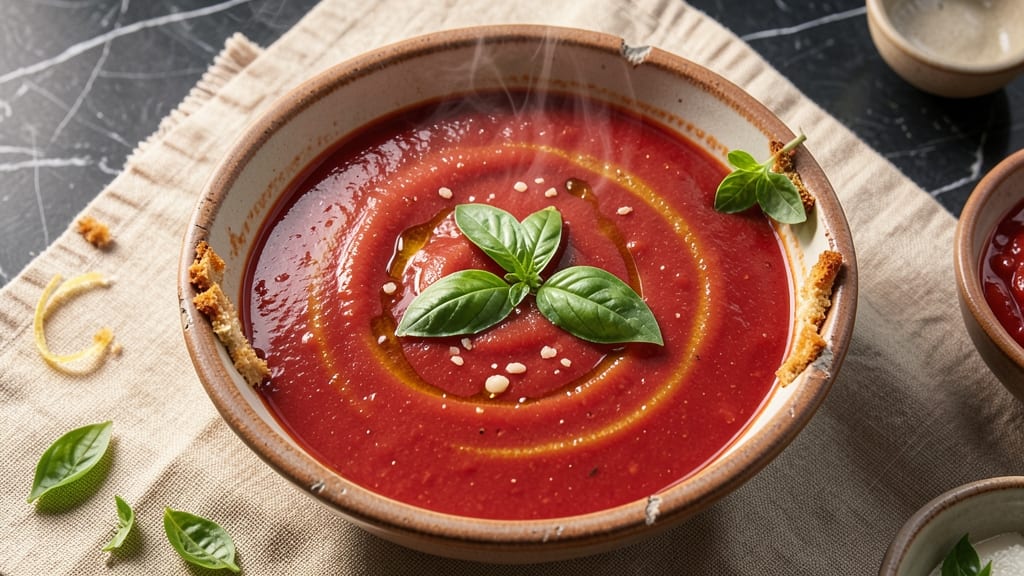
This authentic tomato soup recipe delivers the rustic Italian flavor that canned versions simply can't match. The secret lies in slow-cooked, sun-ripened tomatoes simmered with aromatic herbs and a touch of olive oil—no shortcuts, just deep, savory richness that builds with each spoonful.
I've perfected this version after years of testing, ensuring every bowl tastes like Nonna's kitchen.
What sets this recipe apart is the two-stage cooking process: first, the tomatoes caramelize gently in olive oil and garlic, developing complex flavors before meeting the broth. A splash of dry white wine brightens the depth, while fresh basil added at the end keeps the aroma vibrant.
The result is a velvety, unctuous soup with just the right balance of acidity and sweetness—no artificial aftertaste here.
By the time you ladle the first bowl, you'll notice the distinctive texture—silky yet substantial, with visible tomato flecks that add visual appeal and bursts of freshness.
This isn't just soup; it's a comforting embrace in a bowl, perfect for chilly evenings or as a hearty starter before a pasta dish. The best part? It tastes even better the next day as flavors meld further.
Serve it with crusty bread for dipping or a sprinkle of grated Parmesan for extra richness. For those with dietary preferences, an optional vegan version swaps butter for olive oil and uses vegetable broth—just as authentic, just as delicious. Let's get cooking!
Ingredients for authentic tomato soup
Sun-ripened tomatoes, aromatic herbs, and a touch of wine—just eight ingredients for Nonna-level tomato soup.
| Ingredient | Amount | Notes |
|---|---|---|
| San Marzano Tomatoes 🍅 | 28 oz | Whole, peeled or crushed |
| Extra-Virgin Olive Oil 🫒 | ½ cup | High-quality, fruity variety |
| Garlic Cloves 🧄 | 4 cloves | Freshly minced, not pre-minced |
| Dry White Wine 🍷 | ¼ cup | Sauvignon Blanc or Pinot Grigio |
| Vegetable or Chicken Broth 💧 | 4 cups | Low-sodium preferred |
| Fresh Basil Leaves 🌿 | ¼ cup | Packed, stems removed |
| Fresh Thyme Sprigs 🌿 | 2 sprigs | Leaves only, stems discarded |
| Onion 🧅 | 1 medium | Yellow or red, finely chopped |
| Salt 🧂 | 1 ½ tsp | Diamond Crystal preferred |
| Black Pepper 🌶️ | ½ tsp | Freshly cracked |
| Unsalted Butter 🧈 | 2 tbsp | Cold, for finishing |
| Parmesan Cheese 🧀 | ¼ cup | Freshly grated from block |
| Crusty Bread 🍞 | 1 loaf | For serving, optional |
San Marzano tomatoes are non-negotiable here—their sweetness and low acidity make all the difference. Trader Joe's carries them canned, but if you can find fresh, even better. The olive oil should be fruity, not bitter—California Avocado Ranch or Colavita are my go-tos. Fresh garlic and thyme are worth seeking out at your local market; the dried stuff just can't match their brightness. For the wine, anything dry and crisp works—Pinot Grigio is my usual, but Sauvignon Blanc adds a nice zing. If you're using chicken broth, make sure it's low-sodium to avoid over-salting the soup later.
No San Marzano tomatoes? Heirloom varieties from the store work in a pinch, but you'll need to add a pinch of sugar to balance the acidity. Short on fresh herbs? Dried basil and thyme at half the amount will get you close, but the flavor won't be as vibrant. The wine can be swapped for extra broth if you're avoiding alcohol—just add a splash of lemon juice for brightness. Pre-minced garlic loses its punch fast, so mince your own if you can. For the Parmesan, grate it yourself—pre-grated cheese has anti-caking agents that make it taste like sawdust. And if you're making this ahead, freeze the soup without the butter and Parmesan—add them fresh when reheating for the best texture.
This soup tastes even better the next day as the flavors meld. Store it in the fridge for up to 5 days or freeze for 3 months. For freezing, use airtight containers and leave a little headspace—tomato soup expands when frozen. The crusty bread? Baguettes from the bakery section toast perfectly for dipping. If you make a double batch, portion it into containers for easy lunches—just reheat with a splash of water or broth. The butter and Parmesan should be added right before serving to keep the soup velvety and prevent a skin from forming.
Why You'll Love This Recipe
- No-Chop Nightmare: I swear, the only prep is peeling garlic and opening cans—San Marzano tomatoes do all the heavy lifting. That rich, velvety texture? Pure magic with zero effort.
- Wine-Infused Magic: That splash of dry white wine? It’s not just flavor—it’s a secret weapon. The acidity brightens the tomatoes while the olive oil rounds it out, making every spoonful feel like a little Italian vacation.
- Leftover Goldmine: This soup tastes better the next day. I freeze portions in jars—perfect for lazy mornings or when I need a quick lunch. Honestly, I make a double batch on purpose.
- Budget-Friendly Luxury: San Marzano tomatoes and good olive oil might sound fancy, but they stretch further than store-brand cans. A single batch feeds four, and the broth keeps it hearty without breaking the bank. (Yes, even on a Tuesday night.)
Step-by-step instructions for rustic Italian tomato soup
Here's how to craft soup so vibrant and complex it'll transport you straight to a Tuscan trattoria.
Sauté the Aromatics in Olive Oil
Heat the 0.5 cup extra-virgin olive oil in a large Dutch oven over medium-low heat. Add the 1 medium finely chopped onion and cook for 5-6 minutes until completely translucent and just beginning to soften. This gentle cooking prevents burning while building flavor.
Add the 4 cloves freshly minced garlic and the 2 sprigs thyme leaves (discard stems). Stir constantly for 30 seconds until the garlic becomes fragrant but doesn't brown. The key here is patience—garlic burns in seconds, and charred garlic will make your soup bitter rather than aromatic. You'll know it's ready when the kitchen fills with that unmistakable garlic-thyme perfume.
Develop the Base with Wine and Tomatoes
Pour in the 0.25 cup dry white wine and let it simmer for 2-3 minutes until completely evaporated. This step, called deglazing, lifts all the flavorful browned bits from the bottom of your pot—a crucial foundation for authentic tomato soup.
Add the 28 oz San Marzano tomatoes (whole or crushed) and 4 cups vegetable or chicken broth. Bring to a gentle boil, then reduce heat to medium-low and let it simmer uncovered for 20-25 minutes. Stir occasionally to prevent the tomatoes from sticking. You're looking for the tomatoes to break down completely, creating a velvety, unctuous texture. The soup should reduce slightly but remain thick enough to coat the back of a spoon.
Season and Finish with Fresh Herbs
Remove the thyme sprigs and add the 0.25 cup packed fresh basil leaves and 1.5 tsp salt. Stir well and taste. The basil should brighten the soup with its fresh, slightly peppery notes, while the salt enhances all the flavors. If using chicken broth, you might need slightly less salt since it's typically more flavorful than vegetable broth.
Simmer for another 5 minutes to let the basil infuse. The soup should now have a rich, complex flavor with layers of sweetness from the tomatoes, acidity from the wine, and earthy depth from the aromatics. If it's too thick, add 1-2 tablespoons of water to reach your desired consistency.
Finish with Butter and Parmesan
Reduce heat to low and stir in the 2 tbsp cold unsalted butter. Let it melt completely, then add the 0.25 cup freshly grated Parmesan cheese. The butter adds luxurious mouthfeel while the Parmesan contributes a nutty, umami depth that elevates the soup from simple to extraordinary.
Taste again and adjust seasoning if needed. The butter and Parmesan should make the soup taste even more complex. For extra richness, you can whisk in 1-2 tablespoons of pasta water if the soup becomes too thick from the cheese. Serve immediately in warm bowls with crusty bread on the side for dipping.
Serve with Confidence
Ladle the soup into bowls and garnish with an additional sprinkle of freshly cracked black pepper and a few torn basil leaves. The contrast of warm soup against cool bread creates the perfect textural experience. Each spoonful should deliver a perfect balance of sweet tomatoes, bright herbs, and rich umami notes.
This isn't just tomato soup—it's a celebration of Italian rustic cooking. The secret lies in using high-quality ingredients and letting each component shine in its own time. Serve with a simple green salad and a glass of the same Sauvignon Blanc or Pinot Grigio you used in the recipe for an authentic Italian meal experience.
Pro Tips For Making Authentic Tomato Soup
- Simmer Garlic Low: After crushing those garlic cloves, don’t walk away—keep the heat just below a whisper. I learned this the hard way: searing garlic too fast turns it bitter, and you’ll taste it in every spoonful. Three minutes max, stirring constantly, until it’s golden but not brown.
- Peel Tomatoes First: San Marzano tomatoes are sweet, but their skins can turn rubbery when simmered. Take 30 seconds to peel them before cooking—just slash an X, drop in boiling water for 30 seconds, then ice bath. Yes, it’s extra work, but the texture stays silky.
- Deglaze with Wine: That white wine isn’t just flavor—it’s the glue. After cooking the garlic, pour in the wine immediately and let it bubble for 2 full minutes before adding broth. Skimp here, and your soup will taste flat, like someone forgot the salt.
- Blend in Stages: Don’t dump everything into the blender at once—you’ll end up with a gloppy mess. Puree half the soup first, then thin it with broth as needed. This keeps the texture smooth without turning it into tomato paste. (And yes, even if you’re impatient like me.)
Dietary considerations for this authentic tomato soup
Vegan Adaptations
Swap the unsalted butter for an extra 2 tbsp of extra-virgin olive oil and use vegetable broth instead of chicken broth. The soup remains rich and flavorful while staying completely plant-based.
I've tested this version and it's just as satisfying—just add a splash of lemon juice (about 1 tbsp) to brighten the acidity since we're omitting the wine's natural tang. 🌱
Gluten-Free Options
This recipe is naturally gluten-free, but always double-check your broth label for hidden gluten. I recommend Pacific Foods or Imagine brands for certified gluten-free broths. For extra heartiness, serve with gluten-free bread like Schär baguettes or a side of roasted vegetables.
The soup's natural richness makes it a perfect gluten-free comfort dish. ✨
Dairy-Free Version
Skip the Parmesan cheese and butter entirely, then finish with 1 tbsp nutritional yeast for a cheesy flavor and 1 tbsp olive oil for richness. The nutritional yeast adds a nutty depth that complements the tomatoes beautifully.
I've found Bragg or Bob's Red Mill brands work perfectly. This version still feels indulgent while being completely dairy-free. 💛
Low-Sodium Adjustments
Use no-salt-added broth and reduce the 1.5 tsp salt to just 0.5 tsp initially. Taste as you go and add salt gradually—remember, the Parmesan cheese and olive oil already contribute significant flavor.
For extra depth without salt, add ½ tsp smoked paprika or a pinch of MSG (just ¼ tsp) for umami. 🧂
Allergen-Friendly Tips
For nut allergies, ensure your Parmesan cheese is nut-free (some brands process in facilities with nuts). I recommend Boar's Head or Kraft for reliable options. If you're avoiding garlic, substitute with 1 tbsp garlic-infused olive oil (found in most Italian markets).
For onion-free versions, simply omit it entirely—the tomatoes and herbs still provide plenty of flavor. Always check labels for potential cross-contamination warnings. 💡
Nutrition facts
Frequently asked questions
Why does this recipe use San Marzano tomatoes specifically?
San Marzano tomatoes are the gold standard for tomato soup because their low acidity and sweet, meaty texture create a naturally rich base. Their thick walls also hold up better during simmering, preventing the soup from becoming watery. For a budget-friendly alternative, heirloom varieties work well—just add a pinch of sugar to balance any extra acidity.
Can I make this soup without wine?
Replace the 0.25 cup dry white wine with an extra 0.25 cup broth and add 1 tbsp lemon juice for brightness. The wine's purpose is to deglaze and add acidity, so these substitutes mimic both functions perfectly. The soup will still taste rich and authentic.
How do I prevent the soup from getting too thick?
If your soup thickens too much during simmering, simply add 1-2 tablespoons of water or broth while cooking. For a smoother texture, blend half the soup before mixing it back in. The key is to keep stirring occasionally to prevent sticking—especially when using whole tomatoes. The final consistency should coat the back of a spoon but still be ladle-friendly.
What's the best way to reheat leftovers?
Reheat gently on the stovetop over low heat with the lid slightly ajar to prevent skin formation. For extra creaminess, stir in 1 tbsp olive oil or butter while warming. Microwave reheating works too, but add a splash of water first—this prevents the soup from becoming rubbery. The flavors actually improve overnight as the ingredients meld further!
Can I make this soup in a slow cooker?
Yes! Follow the same steps for sautéing aromatics, then transfer everything to your slow cooker. Cook on low for 4-5 hours instead of simmering. Add fresh basil and Parmesan just before serving to preserve their bright flavors. The slow cooker method actually enhances the depth of flavor through gentle, extended cooking.