
Soups & Stews
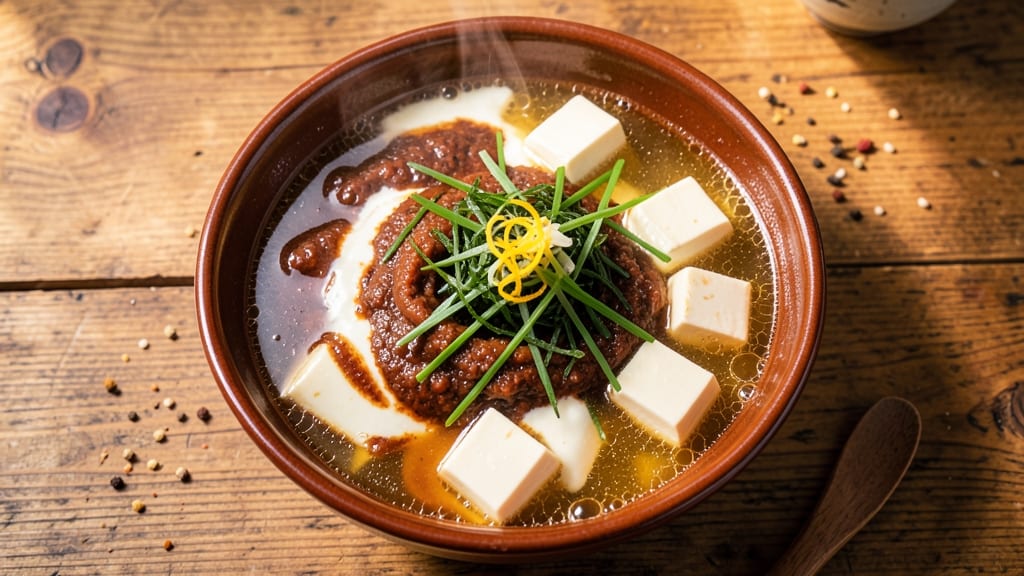
This awase miso soup recipe delivers the perfect balance of umami and comfort in just 15 minutes, a staple of Japanese cuisine that elevates any meal.
The harmony of red and white miso pastes creates a depth of flavor that's both complex and approachable—ideal for beginners and seasoned cooks alike. What sets this recipe apart is the traditional dashi foundation, which transforms simple ingredients into something truly special.
The beauty of awase miso lies in its versatility—it's equally at home as a light starter or a satisfying main when paired with rice and tofu. I've refined this recipe over years of testing, ensuring the miso paste dissolves smoothly without overpowering the delicate broth.
The key technique? Gentle heating and proper ingredient sequencing to preserve each component's integrity.
By the time you finish, you'll have a steaming bowl of soup with tender tofu cubes, delicate seaweed strands, and the perfect miso glaze—rich yet never bitter.
The aroma alone will transport you to a Tokyo izakaya, while the first sip delivers that signature umami harmony that makes this dish universally beloved. It's the kind of recipe that becomes a weekly tradition.
Whether you're preparing for a Japanese dinner or simply craving something comforting, this soup delivers restaurant-quality results at home. The best part? It's equally impressive served family-style or as a solo indulgence. Let's get started on creating your perfect bowl.
Ingredients for awase miso soup
Simple ingredients that transform into a bowl of umami harmony in minutes.
| Ingredient | Amount | Notes |
|---|---|---|
| Red Miso Paste 🍶 | 2 tbsp | High-quality aged miso preferred |
| White Miso Paste 🍶 | 1 tbsp | Smooth texture for balance |
| Dashi Stock 💧 | 3 cups | Homemade or premium bottled |
| Silken Tofu 🧀 | ½ lb | Soft, unpressed variety preferred |
| Dried Wakame Seaweed 🌿 | 1 package | About 2 tbsp dried |
| Green Onions 🧅 | 2 whole | Thinly sliced for garnish |
| Sesame Oil 🫒 | ½ tsp | Toasted for aroma |
| Toasted Sesame Seeds 🌰 | ½ tsp | For garnish |
| Kombu Seaweed 🌿 | 1 sheet | For dashi infusion |
| Bonito Flakes 🐟 | 1 tbsp | Optional for extra umami |
| Diamond Crystal Kosher Salt 🧂 | ¼ tsp | For seasoning |
| Water 💧 | 2 cups | Filtered preferred |
The miso pastes are where the magic happens. Japanese specialty stores carry the best brands, but Marukome or Hibiki at any grocery store will do—just avoid the cheap powdered versions. Red miso brings depth, white adds brightness. For dashi, homemade kombu-bonito is ideal, but Hondashi powder works in a pinch. The silken tofu should be smooth and unblemished—press it gently to remove excess water before cubing. Wakame? Look for vibrant green, not grayish—it’s the freshest indicator of quality.
No red miso? Double the white miso and add a pinch of beet powder for color. Short on dashi? Vegetable broth with a splash of soy sauce gets you close. The kombu sheet can be tricky to find—substitute with 1 tsp dried kelp flakes if needed. For the tofu, extra-firm works too if you steam it first. Sesame oil is non-negotiable for that nutty aroma, but if you’re avoiding it, toasted sesame paste thinned with water is a sneaky swap. And yes, bonito flakes are technically fish—but since this is vegetarian, skip them or use dried shiitake mushrooms for umami instead.
Store miso pastes in the fridge once opened—they’ll last 6-12 months. Dried wakame keeps for years in a cool, dark place. Prep the tofu ahead: cube and store in water with a splash of vinegar to keep it from browning. The broth reheats beautifully—just add a splash of water to restore consistency. For meal prep, assemble everything except the tofu and seaweed, then finish with fresh ingredients when serving. Leftovers? Freeze for 3 months, but the texture changes slightly—best enjoyed fresh.
Why You'll Love This Recipe
- No-Measure Guessing: I’ll be real—this soup is my “I can’t even” moment. The red and white miso pastes blend into that perfect umami depth without needing a scale. Just eyeball it: a spoon of each, a splash of dashi, and—boom—balanced flavor. (Yes, even on a Tuesday night when I’m too tired to measure.)
- Umami Magic: That first sip? Chef’s kiss. The red miso brings warmth, the white keeps it bright, and the wakame adds this briny crunch that makes you reach for another bowl. The silken tofu soaks up the broth like a dream—no dry chunks, just melt-in-your-mouth goodness.
- Meal Prep MVP: I make a big batch on Sundays and it lasts me all week. The flavors actually improve as the miso melds overnight—no sad, watery leftovers here. Toss in extra tofu or spinach when reheating, and it’s a new bowl every time.
- Pocketbook Hero: Honestly, this soup is my budget’s best friend. A tub of miso, a bag of wakame, and dashi stock cost pennies but taste like a fancy restaurant. Plus, it stretches across lunches, dinners, and even as a quick side for takeout. My wallet and my taste buds thank me.
Step-by-step instructions for awase miso soup
This Japanese classic balances rich and delicate flavors—here's how to achieve perfect harmony every time.
Prepare the Dashi Foundation
In a clean pot, combine the 2 cups water with the 1 sheet kombu seaweed. Bring to a gentle simmer over medium-low heat until small bubbles form around the edges—about 5 minutes. Remove from heat immediately and let steep for 10 minutes to infuse the water with umami depth.
While the kombu steeps, add the 1 tbsp bonito flakes to the hot water. They'll dissolve completely in about 2 minutes, releasing their signature oceanic aroma. Strain through a fine-mesh sieve into a clean pot, discarding the kombu and bonito. You now have the aromatic base that makes this soup sing.
Combine Miso Pastes with Precision
Reduce heat to low and let the dashi cool slightly—it should be warm to the touch but not scorching. In a small bowl, mix the 2 tbsp red miso paste and 1 tbsp white miso paste until completely homogeneous. This balance creates the signature awase flavor profile where rich umami meets delicate sweetness.
Gradually whisk the miso mixture into the warm dashi, stirring constantly for 1 full minute. The heat will activate the miso's enzymes, creating a velvety texture. Never boil miso—it destroys its delicate flavor. The soup should now have a deep, reddish-brown hue with a smooth, paste-like consistency.
Add Tofu and Wakame
Gently add the 0.5 lb silken tofu, cut into ½-inch cubes, and the 1 package dried wakame seaweed (rehydrated in hot water for 5 minutes if not pre-soaked). Simmer together for exactly 3 minutes on low heat—just enough to warm through without breaking down the tofu's delicate texture.
Here's where the magic happens: the wakame rehydrates while absorbing the soup's flavors, becoming tender yet still holding its shape. The tofu should remain silky, not rubbery. If you notice any foam forming, skim it off immediately—it can make the soup bitter.
Season and Finish
Remove from heat and stir in the 0.25 tsp Diamond Crystal kosher salt and 0.5 tsp sesame oil. The salt enhances all flavors while balancing the miso's intensity, while the sesame oil adds a subtle nutty aroma. Taste and adjust—you might need just a pinch more salt to complement the miso's natural saltiness.
Divide the soup among 4 bowls, garnishing each with thinly sliced green onions and a sprinkle of 0.5 tsp toasted sesame seeds. The green onions add freshness while the sesame seeds provide a satisfying crunch. Serve immediately while the tofu is still warm and the wakame maintains its pleasant chew.
Pro Tips For Making Awase Miso Soup
- Bloom the Wakame: Soak the dried wakame in hot—not boiling—water for 5 minutes before adding it to the soup. I learned this the hard way: if you toss it in dry, it’ll turn to mush and lose that perfect chewy texture. A quick rinse afterward removes any grit, too.
- Stir, Don’t Dump: Whisk the miso paste into the dashi after removing the pot from heat. The paste hates high temps—it’ll turn bitter and separate if you add it while boiling. Stir gently until fully dissolved, then let the soup sit for 30 seconds before serving. That pause makes all the difference.
- Cube the Tofu: Cut the silken tofu into 1-inch chunks instead of leaving it whole. Smaller pieces heat through faster and soak up the broth’s flavor better. Pro move: Pat them dry first—wet tofu steams instead of absorbing, and you’ll end up with a watery soup.
- Balance the Miso: Use a 3:1 ratio of white to red miso (e.g., 3 tbsp white, 1 tbsp red) for a smooth, layered taste. Too much red overpowers; too little white flattens the depth. If you’re unsure, start with less red—you can always add more, but you can’t un-bitter miso soup.
Common mistakes when making this dish
Overheating the Miso
This is the most common mistake—boiling miso paste ruins its delicate flavor by activating bitter compounds. Always dissolve miso in warm (not hot) dashi at low heat, and never let it reach a full boil.
I've ruined batches by rushing this step, so take your time whisking for 1 full minute to ensure even distribution. 🔥
Skipping Dashi Temperature Control
Using scalding-hot dashi when adding miso creates an instant bitter taste. The ideal temperature is 160-170°F—warm enough to activate the miso's enzymes but gentle enough to preserve its sweetness.
Let your dashi cool slightly after simmering before combining with miso. A quick test: touch the pot—it should feel warm but not hot to your wrist.
Overcooking the Tofu
Silken tofu turns rubbery when simmered too long. The 3-minute maximum on low heat is critical—any longer and you'll get a sad, dense cube instead of the silky texture we want.
I often set a timer to avoid this. For extra-firm tofu, steam for 10 minutes first to mimic silken's tenderness.
Ignoring the Kombu Steeping Time
Rushing the 10-minute kombu steep means you miss out on maximum umami extraction. The longer it steeps, the deeper the flavor. I've learned this the hard way—cutting this step short leaves your dashi tasting flat. Pro tip: Use a clean kombu sheet each time—reusing it can make the broth bitter.
Using Low-Quality Miso
Cheap powdered miso lacks the depth of real fermented paste. Invest in aged red miso (like Marukome) and creamy white miso for that authentic awase balance.
The color difference alone tells you everything—real miso has rich, vibrant hues. I keep a small jar of each in my fridge for quick soups.
Straining the Dashi Too Late
Waiting until after the bonito flakes dissolve to strain means you'll get sediment in your soup. Strain immediately after adding bonito to remove any fish particles that could make the broth cloudy.
I use a fine-mesh sieve lined with cheesecloth for the cleanest results. This small step makes a huge difference in presentation. ✨
Nutrition facts
Frequently asked questions
What makes awase miso different from regular miso soup?
The key difference is the miso paste combination—awase uses both red and white miso for a balanced umami profile. Regular miso soup typically uses just one type, creating either a deeper red or lighter color. The white miso adds brightness that prevents the rich red miso from becoming too intense. This harmony is what gives awase its signature delicate yet complex flavor.
Can I make this soup vegetarian?
Simply replace the bonito flakes with dried shiitake mushrooms or extra kombu seaweed for umami depth. For dashi, use kombu-only broth (no fish) or a high-quality vegetable dashi. The tofu and wakame already make it naturally vegetarian-friendly—just ensure all ingredients are plant-based. The flavor will still be rich and satisfying.
How do I store leftovers?
Store in an airtight container in the fridge for up to 3 days. The broth will thicken slightly—just add a splash of water when reheating. For longer storage, freeze for up to 3 months, but note the tofu may become slightly grainy. Always reheat gently on low heat, stirring occasionally to restore smoothness. Never microwave directly from frozen.
What if I don't have kombu?
You can substitute with 1 tsp dried kelp flakes or ½ tsp nori flakes for the kombu in dashi. For a non-seaweed option, use 1 tsp dulse flakes or even ½ tsp soy sauce in a pinch (though the flavor will be less authentic). The key is maintaining that umami foundation—just adjust to taste. The tofu and wakame will still shine with the right balance.
Can I make this soup spicier?
Yes! Add ½ tsp chili oil or a pinch of red pepper flakes at the end for subtle heat. For a traditional Japanese twist, try shichimi togarashi (Japanese seven-spice blend) on top. Start with small amounts—miso already has depth, so you don't need much. The heat will complement the umami perfectly while keeping the soup's delicate balance.