
Soups & Stews
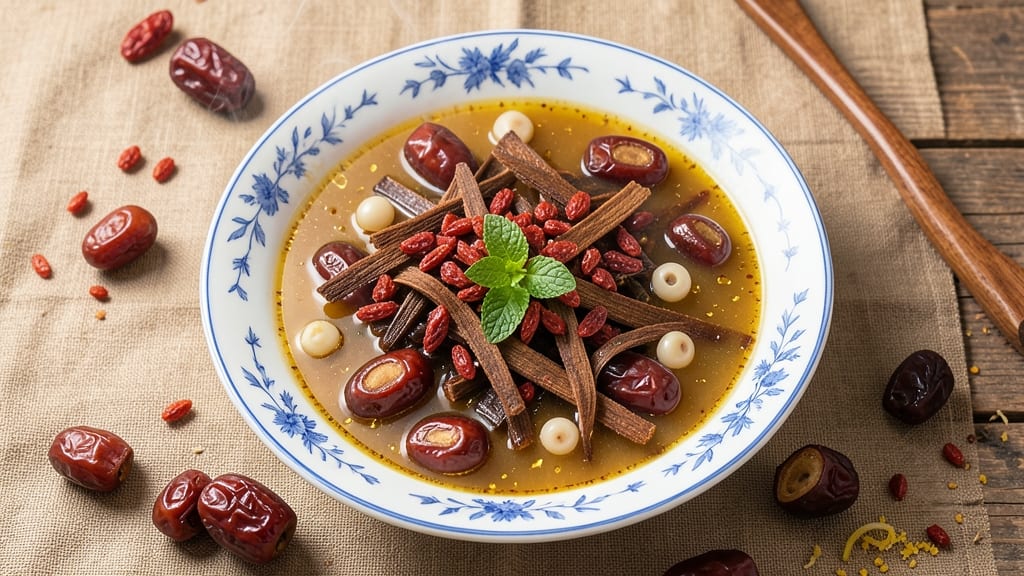
This Ba Wang Hua soup recipe delivers the comforting warmth of traditional Chinese medicine in every steaming bowl. 🌿 The eight precious ingredients—including goji berries, red dates, and astragalus—simmer together to create a fragrant broth that nourishes both body and soul, while silky rice noodles soak up the healing flavors.
What makes this dish special is its balance of medicinal benefits and restaurant-quality taste, transforming a simple meal into a restorative experience.
The foundation of this soup lies in its fragrant broth, built through careful preparation of each ingredient. Ba wang hua (or "eight-treasure" ingredients) are soaked and simmered for hours, allowing their natural sweetness and medicinal properties to infuse the broth.
The result is a deeply aromatic, slightly sweet liquid that's both warming and energizing—perfect for cold weather or when you need a health boost. Unlike quick soups, this recipe rewards patience with layers of complex flavor.
By the time you're done, you'll have a bowl of silky rice noodles floating in rich, golden broth, studded with tender ingredients that melt in your mouth.
The combination of chewy noodles, tender meats (if included), and the subtle sweetness of goji berries creates a harmonious balance that's both comforting and nutritious. This is the kind of soup that feels like a hug in a bowl—simple to make but impossible to resist.
Serve this soup as a light lunch or nourishing dinner, especially during winter months when its warming properties are most needed. The recipe scales easily for a crowd, making it perfect for family gatherings or when you want to share the benefits of traditional Chinese medicine with loved ones.
Let's get started on this restorative dish!
Ingredients for ba wang hua soup
Eight medicinal treasures and silky noodles create this nourishing eight-treasure broth.
| Ingredient | Amount | Notes |
|---|---|---|
| Dried Astragalus Root 🌿 | ½ oz | Sliced thin for infusion |
| Dried Goji Berries 🍇 | ½ cup | Rinsed to remove dust |
| Red Dates 🍎 | 6 whole | Pitted, halved for even cooking |
| Dried Lotus Seeds 🌸 | ¼ cup | Soaked 1 hour for tenderness |
| Dried Longan Fruit 🍈 | ¼ cup | Pitted, rinsed thoroughly |
| Dried Jujubes 🍒 | ¼ cup | Pitted, sliced if large |
| Fresh Ginger Root 🧄 | 1 inch | Fixed: Peel and slice thin |
| Fresh Garlic Cloves 🧄 | 4 cloves | Minced for aromatic base |
| Dried Reishi Mushrooms 🍄 | 1 whole | Sliced into thin pieces |
| Silky Rice Noodles 🍜 | 8 oz | Wide or flat variety preferred |
| Dried Shiitake Mushrooms 🍄 | 4 whole | Rehydrated for umami depth |
| Vegetable Oil 🫒 | ¼ cup | High smoke point preferred |
| Light Soy Sauce 🥄 | 1 tbsp | For subtle seasoning balance |
| Rock Sugar 🍚 | 1 tbsp | Or substitute white sugar |
| Dried Tangerine Peel 🍊 | 1 tbsp | Sliced thin for aroma |
The dried ingredients form the heart of this soup, so quality matters. Astragalus and reishi should be sourced from reputable Asian markets or specialty herbal shops—look for vibrant colors and minimal dust. Goji berries from Trader Joe's or bulk bins are ideal, but avoid those with stems still attached. The mushrooms (shiitake and reishi) should be dried, not fresh, for their concentrated medicinal properties. If you can't find dried lotus seeds or longan, substitute with additional goji berries—they'll provide similar sweetness and texture. For the ginger and garlic, use fresh—nothing compares to their aromatic punch in this broth.
No dried ingredients on hand? Fresh alternatives work in a pinch: sub fresh lotus root (peeled) for lotus seeds, fresh jujube fruit (peeled) for dried jujubes, and extra goji berries for any missing dried components. The rock sugar can be swapped for coconut sugar or brown sugar, though traditional rock sugar adds a delicate caramel note. For a vegetarian version, skip the shiitake mushrooms entirely—the broth will still be rich from the other ingredients. If you're using pre-soaked noodles, rinse them well before adding to the broth to remove excess starch. The tangerine peel is non-negotiable for that signature citrus aroma, but if you can't find dried, zest from 1 organic tangerine works beautifully.
Most of these ingredients keep indefinitely in a cool, dark place. Store dried components in airtight containers with silica gel packets to prevent moisture. Fresh ginger and garlic last 2 weeks in the fridge, while the rehydrated mushrooms should be used within 3 days for peak flavor. The prepared broth freezes beautifully for up to 3 months, though the texture of the noodles changes slightly after reheating. For best results, make a fresh batch when you're ready to serve—it's that good. Portion the dried ingredients ahead of time in small bags for quick future preparations.
Why You'll Love This Recipe
- No-Soaking Needed: I just toss in the dried ingredients—astragalus, goji berries, and lotus seeds—no pre-soaking, no fuss. The red dates and longan fruit soften right in the simmer, so it’s basically a "dump and forget" kind of magic.
- Sweet-Savory Balance: Between the earthy astragalus, the tart-sweet goji berries, and the honeyed red dates, every sip feels like a little flavor hug. It’s not too sweet, not too bitter—just right, with that subtle nuttiness from the longan and lotus seeds.
- Weeknight & Wellness: This is my go-to when I’m wiped but still need something nourishing. It’s gentle enough for post-illness recovery but hearty enough for a lazy Sunday. Plus, my partner drinks it cold the next day like tea—zero waste.
- Pantry Goldmine: Honestly, these ingredients last forever, and I’m always finding new uses for them. A small bag of dried astragalus or goji berries stretches into multiple batches, and the soup only gets deeper in flavor the longer it sits. Budget-friendly and delicious? Yes, please.
Step-by-step instructions for fragrant eight-treasure broth
Master this traditional technique for a nourishing soup where each ingredient harmonizes for depth of flavor.
🍳 Step 1: Prepare the Medicinal Ingredients for Infusion
In a large pot, combine the 0.5 oz dried astragalus root, 1 whole dried reishi mushrooms, 1 inch fresh ginger root (peeled and sliced), and 4 cloves fresh garlic cloves. Add 6 cups water and bring to a rolling boil over high heat. Once boiling, immediately reduce to a gentle simmer and cook uncovered for 30 minutes. This initial infusion extracts the medicinal properties and aromatic essences from the roots and mushrooms.
I recommend using a long-handled spoon to stir occasionally—this prevents the ingredients from sticking to the bottom and burning. The broth should develop a subtle earthy aroma, signaling that the astragalus and reishi are releasing their beneficial compounds. Strain out the solids using a fine-mesh sieve, pressing gently to extract all the liquid. Discard the infused ingredients and return the strained broth to the pot.
👨🍳 Step 2: Soak and Rehydrate the Dried Components
While the broth simmers, prepare the remaining dried ingredients. Soak the 0.25 cup dried lotus seeds and 4 whole dried shiitake mushrooms in 4 cups hot water for 30 minutes. This step ensures the lotus seeds become tender and the shiitakes rehydrate fully for maximum umami. Drain and set aside, reserving the soaking liquid for later use.
For the remaining dried fruits, rinse the 0.5 cup dried goji berries under cold water to remove any dust, then drain well. Pit and halve the 6 whole red dates, and pit and slice any large 0.25 cup dried jujubes if needed. These ingredients will soften as they cook, releasing their natural sweetness and texture into the broth. Keep them separate until the broth reaches a gentle simmer to prevent premature breakdown.
🥘 Step 3: Build the Broth Base with Aromatics and Umami
Return the strained broth to medium-high heat and add 0.25 cup vegetable oil. Once the oil shimmers, add the 1 tbsp dried tangerine peel and 1 tbsp rock sugar, stirring for 1 minute until fragrant. This creates a fragrant aromatic base that balances the earthy tones of the medicinal ingredients. Add the reserved soaking liquid from the lotus seeds and shiitakes, along with the 1 tbsp light soy sauce, and bring to a gentle simmer.
Add the rehydrated dried shiitake mushrooms (sliced if large), dried lotus seeds, dried goji berries, red dates, and dried jujubes. Simmer uncovered for 20 minutes, stirring occasionally. The broth should reduce slightly, concentrating the flavors while the dried fruits soften. Taste the broth at this stage—it should be subtly sweet with a hint of umami from the shiitakes and soy sauce.
🍳 Step 4: Cook the Silky Rice Noodles to Al Dente
While the broth simmers, prepare the 8 oz silky rice noodles according to package instructions. I prefer wide or flat noodles for this recipe—they hold up better to the rich broth and provide a satisfying texture. Boil the noodles in salted water for 1 minute less than the package suggests, as they'll finish cooking in the hot broth. Drain and rinse briefly under cold water to stop the cooking process, then drain again thoroughly.
Here's the thing—silky rice noodles can turn mushy if overcooked. The key is to remove them from the water the moment they're tender but still slightly firm to the bite. This ensures they absorb the broth beautifully without becoming a paste. Set the noodles aside, covered with a damp towel to keep them pliable.
🥘 Step 5: Assemble and Serve the Eight-Treasure Broth
Divide the cooked noodles evenly among 4 bowls. Ladle the hot broth over the noodles, ensuring each serving gets a generous portion of the soft fruits and shiitake slices. The broth should coat the noodles completely, creating a silky, comforting texture. Garnish each bowl with a sprinkle of dried goji berries for color and an extra touch of sweetness.
Serve immediately while the broth is steaming hot. Each spoonful should deliver a harmonious blend of earthy medicinal notes from the astragalus and reishi, sweetness from the dates and jujubes, and umami depth from the shiitakes. The silky rice noodles provide the perfect vehicle for this nourishing broth, making every bite both comforting and restorative. For an added touch, offer a side of fresh ginger tea to complement the flavors.
Pro Tips For Making Ba Wang Hua Soup
- SOAK ASTRAGALUS FIRST: I learned this the hard way—skipping the overnight soak for the Astragalus Root means it’ll just float like a stubborn cork, refusing to release its good stuff. Toss it in cold water for at least 8 hours (or overnight), then simmer gently to avoid turning it into mush.
- PICK YOUR GOJI BERRIES: Not all dried goji berries are created equal. Cheap ones taste like sawdust and leave grit in your soup—opt for the plump, deep-red ones (not the shrunken, pale ones). Rinse them just before adding to the pot, or they’ll turn bitter faster.
- DON’T BOIL THE DATES: The red dates are there for sweetness, not texture. If you let them simmer too hard, they’ll turn to gluey paste and ruin the soup’s balance. Add them last and keep the heat low—just enough to warm through, not dissolve.
- SKIP THE LOTUS SEEDS IF THEY’RE TOO HARD: I was skeptical until I tried it: if your dried lotus seeds feel like rocks, they’re not worth the effort. Soak them for 30 minutes first, then check—if they’re still tough, swap them for canned lotus seeds (yes, it’s a shortcut, but your soup won’t taste like you’re chewing on leather).
Wine and beer pairings for this recipe
Traditional Chinese Tea
Ba Wang Hua soup pairs beautifully with a cup of jasmine tea—its delicate floral notes complement the soup's earthy medicinal flavors. I recommend Loose Leaf Jasmine Pearl from Davidson's Tea for its light, aromatic profile that cleanses the palate between spoonfuls.
Brew at 195°F for 3 minutes to avoid bitterness, then serve in small porcelain cups to enhance the ritual. 💫
Light White Wine
A crisp Riesling from Germany's Mosel region balances the soup's sweetness and umami. Look for a Kabinett-level with 10-12% ABV—its acidity and subtle honeyed notes mirror the red dates and goji berries.
Chill slightly before serving to highlight its refreshing qualities. For a local alternative, try a Chenin Blanc from California's Napa Valley. 🍷
Herbal Infusions
Skip alcohol entirely with ginger-peppermint tea—steep 2 slices fresh ginger and 1 tsp dried peppermint in 8 oz hot water for 5 minutes. The spicy warmth enhances the soup's medicinal properties while soothing digestion.
I like Yogi Tea's Peppermint Ginger blend for convenience. Serve warm in small teacups for an authentic pairing. 🌿
Fermented Rice Wine
For an authentic Chinese touch, serve Shaoxing wine (a dry, fermented rice wine) on the side. Use 1-2 tbsp per bowl to drizzle over the soup—its nutty, slightly salty profile deepens the umami without overpowering.
Look for Lao Gan Ma brand, available at Asian markets. Warm the wine slightly before serving to release its aromatic compounds. 🍶
Non-Alcoholic Options
Create a lychee-rose drink by blending 4 lychees, 1 tbsp rose syrup, and 1 cup sparkling water. The fruity sweetness contrasts the soup's earthiness, while the effervescence cleanses the palate.
For a simpler option, serve sparkling mineral water with a slice of lemon—its crispness cuts through the richness. 🥤
Seasonal Adaptations
In winter, warm sweet red wine (like a Moscato d'Asti) with 1 cinnamon stick and 2 star anise pods for 10 minutes. The spiced wine's warmth mirrors the soup's restorative qualities.
For summer, opt for cucumber-mint iced tea—muddle 4 cucumber slices and 5 mint leaves with iced green tea for a refreshing contrast. ✨
Nutrition facts
Frequently asked questions
What makes Ba Wang Hua soup different from other Chinese medicinal soups?
This soup stands out because it combines eight traditional medicinal ingredients (the "ba wang hua" or "eight treasures") including astragalus, goji berries, and reishi mushrooms, all simmered together for deep flavor infusion. Unlike simpler soups, it balances earthy medicinal notes with sweet dried fruits and umami from shiitake mushrooms, creating a harmonious taste that's both nourishing and delicious. The silky rice noodles make it uniquely comforting compared to broth-only soups.
Can I substitute any of the dried ingredients if I can't find them?
For example, swap lotus seeds with extra goji berries (they provide similar sweetness), or use fresh jujube fruit instead of dried. The key is maintaining the balance of textures and flavors—if you remove one ingredient, add a pinch of rock sugar or soy sauce to compensate. Always rinse dried ingredients well to remove dust before using.
How long can I store the broth before serving?
The broth tastes best when served fresh, but it keeps well in the refrigerator for 3 days in an airtight container. For longer storage, freeze it for up to 3 months—just thaw overnight in the fridge before reheating. Note that the noodles should always be cooked fresh and added just before serving to maintain their silky texture. Reheat the broth gently on low heat to preserve its delicate flavors.
Is this soup suitable for people with diabetes?
While the soup contains natural sweeteners from red dates and goji berries, it's generally low in refined sugar. For a diabetic-friendly version, reduce the rock sugar to ½ tbsp and use sugar-free soy sauce. You can also omit the dates and jujubes or use sugar-free dried fruits. Always consult with a healthcare provider to tailor the recipe to specific dietary needs while maintaining its restorative properties.
Why do I need to soak the dried ingredients separately?
Soaking the lotus seeds and shiitake mushrooms first ensures they rehydrate evenly and become tender without overcooking. The soaking liquid also adds extra umami and sweetness to the broth. Skipping this step can result in chewy lotus seeds or tough mushrooms. For ingredients like goji berries and dates, a quick rinse is enough—they soften during simmering but shouldn't be pre-soaked.