
Soups & Stews
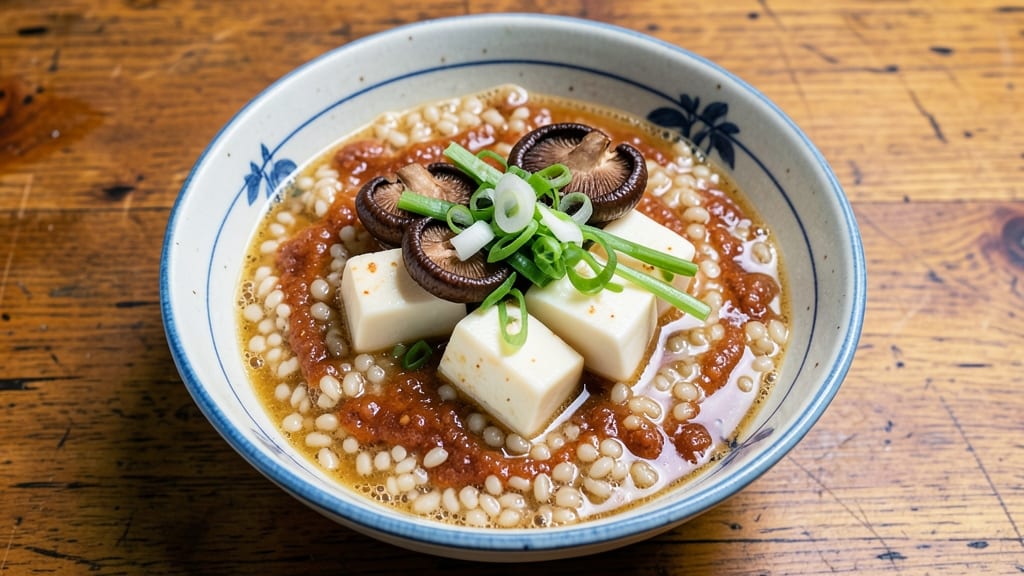
This barley miso soup recipe delivers the perfect balance of umami depth and nutty barley texture in every spoonful. The secret lies in fermented red miso paste, which transforms simple ingredients into a complex, savory broth that warms the soul.
I've refined this recipe over years of testing—no shortcuts that compromise flavor, just authentic techniques made approachable for home cooks.
What sets this version apart is the combination of pearl barley and miso paste, creating a broth that's both comforting and sophisticated. The barley soaks up the rich flavors while maintaining its satisfying bite, and the miso adds layers of fermented complexity that elevate even the simplest ingredients.
Unlike many recipes, this one skips fish-based stocks entirely, relying instead on vegetable broth for a clean, vegan-friendly foundation.
The result is a soup that's deeply satisfying yet light enough for any meal—think golden barley floating in a glossy, umami-rich broth, with optional toppings like silken tofu or crisp scallions for texture contrast.
The aroma alone will have your kitchen smelling like a Japanese izakaya, but with the convenience of home cooking. This is the kind of soup that disappears quickly, leaving everyone asking for seconds.
Whether you're preparing for a cozy weeknight dinner or meal prepping for the week, this recipe delivers restaurant-quality results with minimal effort. The key steps—simmering the barley, dissolving the miso properly, and balancing the seasoning—are simple but critical for achieving that perfect harmony of flavors. Let's get cooking!
Ingredients for barley miso soup
Fermented umami meets nutty barley in this deeply satisfying vegan miso soup.
| Ingredient | Amount | Notes |
|---|---|---|
| Pearl Barley 🌾 | ½ cup | Rinsed before cooking |
| Red Miso Paste 🧈 | 2 tbsp | Fermented, unsweetened |
| Vegetable Broth 💧 | 4 cups | Low-sodium preferred |
| Fresh Shiitake Mushrooms 🍄 | 4 whole | Sliced, stems removed |
| Silken Tofu 🧀 | ½ block | Cubed for topping |
| Fresh Green Onions 🧅 | 3 whole | Sliced for garnish |
| Sesame Oil 🫒 | 1 tsp | Toasted sesame flavor |
| Fresh Ginger 🧄 | 1 tbsp | Finely grated |
| White Miso Paste 🧈 | 1 tbsp | Optional for balance |
| Sea Salt 🧂 | ½ tsp | Fine grain preferred |
| Toasted Sesame Seeds 🌱 | 1 tsp | For garnish |
| Rice Vinegar 🍶 | 1 tsp | For brightness |
The miso paste is non-negotiable here—fermented red miso delivers the deep umami that defines this soup. For the best quality, look for Japanese brands like Honten or Marukome at specialty stores or well-stocked grocery sections. The pearl barley should be medium or pearl cut—it cooks faster and holds its texture better than steel-cut. Fresh shiitake mushrooms add earthy depth, but dried shiitake rehydrated in broth works beautifully too. The ginger should be peeled and grated on the finest side of a box grater—that's the only way to get it fine enough to dissolve properly into the broth.
No red miso? White miso plus a dash of soy sauce can mimic some of the complexity, though it won't be identical. Short on fresh ginger? Ground ginger at half the amount works in a pinch, but the flavor will be more concentrated. The vegetable broth is where you can get creative—homemade is ideal, but even low-sodium store-bought will work. For the tofu, silken tofu dissolves beautifully into the broth, while firm tofu adds satisfying texture when cubed. The sesame oil should be toasted—look for the dark, nutty kind at Asian markets, not the light, clear variety. And if you're feeling adventurous, add a splash of mirin for extra brightness.
This soup tastes even better the next day as flavors meld—double the batch if you can. Store in an airtight container in the fridge for up to 5 days, or freeze portions for 3 months. The tofu and green onions are best added fresh when serving, so keep those separate until reheating. For meal prep, portion the broth and barley separately, then combine and heat through. The miso should dissolve completely—stir vigorously while adding it to prevent clumping. Garnish with sesame seeds just before serving to maintain their toasty aroma.
Why You'll Love This Recipe
- No-Fuss Simmer: The barley just needs a quick rinse—no soaking, no fuss. While it cooks, I slice mushrooms and cube tofu in under five minutes. Honestly, the hardest part is waiting for the miso to melt into that rich, salty-sweet broth.
- Umami Bomb: That red miso paste? It’s the star—deep, caramelized, and slightly smoky. Add the shiitakes and you’ve got layers of earthy flavor that turn a simple broth into something you’ll crave.
- Weeknight Workhorse: Double the batch on Sunday and reheat for lunch all week. It’s my go-to for busy mornings or when I’m too tired to cook. (Yes, even on a Tuesday night.)
- Budget Meal Magic: Pearl barley and miso stretch a pot of broth into four hearty servings. I’ve made this for $3 a bowl—filling, nourishing, and still feels like a treat. My wallet thanks me every time.
Step-by-step instructions for barley miso soup
Here's how to create a harmonious blend of nutty barley and fermented umami depth.
Prepare the Base Ingredients
Begin by rinsing the 0.5 cup Pearl Barley under cold water until the water runs clear. This removes excess starch that can make the soup cloudy. In a medium saucepan, combine the rinsed barley with the 4 cups Vegetable Broth and bring to a gentle boil over medium-high heat. Once boiling, reduce heat to medium-low and let it simmer uncovered for 20 minutes, stirring occasionally. You'll notice the barley begins to soften and the broth develops a subtle nutty aroma.
While the barley simmers, slice the 4 whole Fresh Shiitake Mushrooms into thin strips, removing and reserving the stems for another use if desired. Finely grate the 1 tbsp Fresh Ginger using a microplane or fine grater. The ginger should yield about 1 tablespoon of zest, which will infuse the soup with bright, aromatic warmth. Keep these ingredients separate until needed.
Build the Umami Foundation
In a small bowl, create the miso mixture by combining the 2 tbsp Red Miso Paste with the 1 tbsp White Miso Paste. Add 1 teaspoon of the 1 tsp Rice Vinegar to this mixture and stir until smooth. This balance of red and white miso creates a complex umami profile with subtle sweetness. Set this aside temporarily.
After the barley has simmered for 20 minutes, add the sliced shiitake mushrooms and grated ginger to the pot. Stir gently to distribute the ingredients evenly. Let the mixture cook for an additional 5 minutes until the mushrooms soften slightly and release their earthy flavors. The broth should now carry a rich, savory aroma with hints of mushroom and ginger.
Incorporate Miso and Season
Carefully remove the saucepan from heat and let it cool slightly for 2-3 minutes. This prevents the miso from breaking or creating a bitter taste. Gradually whisk in the miso mixture, starting with about half and continuing to stir until fully incorporated. Return the pot to low heat and simmer gently for 3-4 minutes, stirring occasionally. This step allows the miso to meld with the broth without overpowering it.
Add the 0.5 tsp Sea Salt and taste the broth. Adjust the seasoning if needed, keeping in mind that the miso already contains salt. The soup should have a balanced depth of umami with a touch of brightness from the rice vinegar. If the soup appears too thick, add 1-2 tablespoons of hot water to reach your preferred consistency.
Finish and Serve
Cut the 0.5 block Silken Tofu into small cubes and gently fold them into the soup. The tofu will absorb some of the broth but maintain its delicate texture. Return the soup to a gentle simmer for 2 minutes to heat through completely. Remove from heat and let it rest for 1 minute to allow the flavors to settle.
Ladle the soup into bowls and garnish each serving with a drizzle of 1 tsp Sesame Oil, a sprinkle of 1 tsp Toasted Sesame Seeds, and the sliced 3 whole Fresh Green Onions. The sesame oil adds a nutty aroma, the seeds provide texture, and the green onions offer a fresh contrast. Serve immediately while the soup is hot to fully appreciate its rich, layered flavors.
Pro Tips For Making Barley Miso Soup
- SOAK BARLEY 30 MINUTES: I learned this the hard way—skipping the soak means your barley turns to mush or stays stubbornly hard. Toss it in cold water for half an hour before cooking, then drain. It cooks faster and holds its shape, so the soup stays hearty, not gloppy.
- DILUTE MISO GRADUALLY: Red miso is potent, and I’ve ruined batches by dumping it in all at once. Whisk a spoonful into a splash of hot broth first, then stir that mixture back into the pot. This prevents clumping and lets you taste as you go—critical when working with strong flavors.
- SLICE MUSHROOMS THIN: Thick shiitake slices hide in soup like shy guests. Cut them paper-thin so they soften quickly and infuse the broth with umami. No knife skills? Use the flat side of your knife to gently press and slice—easier than it looks.
- ADD TOFU LAST: Silken tofu falls apart if you toss it in too early. Instead, cube it and fold it into the soup just as you turn off the heat. It stays silky and absorbs the miso flavor without turning into a sad, watery mess. (Yes, I’ve done that too.)
Creative variations of these flavors
Spicy Miso Kick
For a bold twist, stir in 1 tsp gochujang (Korean chili paste) with the miso paste to add a fiery, slightly sweet heat. I like to balance it with an extra ½ tsp rice vinegar to keep the acidity bright.
Top with thinly sliced serrano peppers for a fresh, spicy crunch. This version reminds me of the bold flavors in Korean jjigae stews—perfect for when you want something with a little more punch. 🌶️
Creamy Miso Twist
Blend ½ cup silken tofu with 1 tbsp white miso and 1 tsp toasted sesame oil until smooth, then swirl it into the hot soup just before serving. The result is a velvety, umami-rich swirl that elevates the soup to shojin ryori (Buddhist temple cuisine) elegance.
For extra richness, add a splash of coconut milk (about ¼ cup) when simmering the barley. This version feels luxurious but still light. 🥥
Winter Root Addition
Incorporate ½ cup diced daikon radish and ½ cup cubed butternut squash when adding the shiitake mushrooms. The radish adds a crisp, peppery bite, while the squash brings sweet, earthy depth.
Simmer these for 8-10 minutes until tender. Garnish with toasted pumpkin seeds for a seasonal, hearty touch. This variation is my go-to for chilly evenings—it’s like a hug in a bowl. ❄️
Smoky Miso Depth
Infuse the broth with smoky flavor by adding 1 tsp liquid smoke (like La Choy) or a charred strip of kombu seaweed while simmering the barley. For extra depth, toast 1 tsp smoked paprika with the sesame seeds and sprinkle it over the finished soup.
This smoky-sweet version tastes like it’s been slow-cooked for hours—ideal for fans of BBQ or grilled miso profiles. 🔥
Herb-Forward Variation
Swap the ginger for 1 tbsp fresh lemongrass (finely minced) and 1 sprig thyme, then add ½ cup baby spinach at the very end to wilt. The lemongrass brings a citrusy brightness, while the thyme adds an earthy herbal note.
Finish with cilantro leaves for a fresh, vibrant twist. This version feels like a fusion of Japanese and Southeast Asian flavors—bright, aromatic, and impossibly fresh. 🌿
Protein-Packed Boost
Add ½ cup cooked chickpeas or ½ cup shredded rotisserie chicken when folding in the silken tofu. For a vegan option, use ½ cup marinated tofu (pressed and baked).
These additions turn the soup into a complete meal with satisfying texture. I love this version for lunch—it’s filling enough to keep me going until dinner. 🍗
Nutrition facts
Frequently asked questions
Why does my barley miso soup taste bitter?
Bitter flavors usually come from overcooking the miso or using too much. Always dissolve miso paste in a small amount of broth first, then whisk it into the hot soup to prevent activation of bitter compounds. Also check your miso—older batches or high-sodium varieties can taste harsh. For balance, add a splash of rice vinegar or a pinch of sugar to round out the flavors.
Can I substitute barley with another grain?
Yes! For a quicker version, use ½ cup quinoa (cooks in 15 minutes) or ½ cup buckwheat for a nutty, earthy twist. Avoid rice—it absorbs too much liquid and makes the soup watery. If using quinoa, reduce the broth to 3 cups to maintain proper texture.
How do I make this soup spicier?
Add ½ tsp chili flakes or 1 tsp gochujang when mixing the miso paste. For fresh heat, top with thinly sliced jalapeños or a drizzle of sriracha. Balance the spice with extra sesame oil or tofu to prevent mouth irritation.
Can I prepare this soup ahead of time?
Store the cooked barley and broth separately in an airtight container for up to 5 days in the fridge. Reheat gently on the stove, then stir in fresh miso paste (it won't dissolve properly if reheated). Add toppings like tofu and green onions just before serving to keep them fresh. For freezing, portion the broth only—barley becomes mushy when thawed.
What's the difference between red and white miso?
Red miso is fermented longer, giving it a deeper, saltier, and more complex umami flavor. White miso is milder and slightly sweeter, perfect for balancing bold ingredients. For this recipe, the red-white miso combo creates the ideal harmony of richness and brightness. If you only have white miso, add ½ tsp soy sauce to mimic some of the depth.