
Soups & Stews
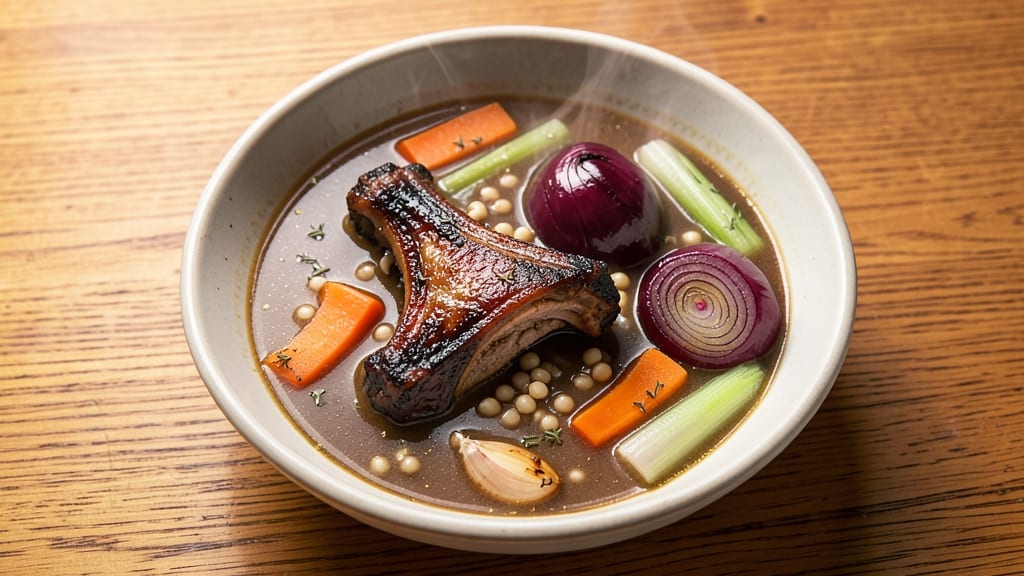
This beef bone barley soup recipe delivers restaurant-quality depth with every spoonful—where rich, umami-packed beef broth meets hearty barley and tender meat in perfect harmony. The secret lies in slow-simmered bones that release collagen into the broth, creating a velvety texture that transforms simple ingredients into something extraordinary.
I've perfected this technique over years of testing, ensuring the barley remains chewy and the meat falls apart effortlessly.
The beauty of this soup is its balance: the beef provides deep, savory richness while the barley adds satisfying substance, making it a complete meal in one bowl. Traditional methods like skimming foam and reducing the broth gradually are key to achieving that professional-quality depth at home.
What you'll end up with is a steaming bowl of soup that's both comforting and impressive—ideal for chilly evenings or when you want to impress guests without complicated techniques.
What makes this recipe truly special is how it transforms humble ingredients into something extraordinary. The beef bones infuse the broth with natural sweetness and depth, while the barley absorbs all those rich flavors, creating a dish that's hearty yet refined.
Each bite delivers layers of umami and warmth, making it a soup that feels like a hug in a bowl.
Perfect for meal prep or serving immediately, this soup tastes even better the next day as the flavors continue to meld. The tender meat and chewy barley make it satisfying enough to stand alone, while optional garnishes like fresh herbs or scallions add brightness.
Here's how to create this comforting classic in your own kitchen.
Ingredients for beef bone barley soup
Six ingredients create restaurant-quality broth, plus barley and herbs for hearty depth.
| Ingredient | Amount | Notes |
|---|---|---|
| Beef Bones 🦴 | 3 lb | Marrow and knuckle bones preferred |
| Pearl Barley 🌾 | 1 ½ cups | Uncooked, rinsed well |
| Yellow Onion 🧅 | 2 whole | Chopped, medium size |
| Carrots 🥕 | 4 whole | Medium, cut into chunks |
| Celery Stalks 🌿 | 4 whole | Cut into 2-inch pieces |
| Garlic Cloves 🧄 | 6 cloves | Minced, fresh preferred |
| Tomatoes 🍅 | 2 whole | Roma, diced |
| Beef Broth 🥫 | 8 cups | Homemade or high-quality store-bought |
| Red Wine 🍷 | 1 cup | Dry, like Cabernet Sauvignon |
| Fresh Thyme 🌿 | 2 sprigs | Or 2 tsp dried thyme |
| Fresh Parsley 🌿 | ¼ cup | Chopped, for garnish |
| Bay Leaves 🌿 | 2 whole | Removed before serving |
| Salt 🧂 | 2 tsp | Kosher or sea salt |
| Black Peppercorns 🌶️ | 1 tsp | Freshly cracked |
| Olive Oil 🫒 | ¼ cup | Extra-virgin for richness |
The beef bones are non-negotiable here—the marrow and knuckle bones release the most collagen for that velvety texture. Butcher shops or specialty stores often have these cut specifically for soup, but any beef bones with marrow will work. If you're buying a whole pack, look for bones that are bright red and have visible marrow cavities. I usually buy mine from Whole Foods or my local butcher, but most grocery stores carry them too. For the barley, pearl barley is the classic choice—it stays chewy and absorbs all those rich broth flavors. Rinse it well before cooking to remove any dust or debris, which can make the soup cloudy.
No red wine? Substitute with extra beef broth and a splash of balsamic vinegar—it adds a similar depth. Fresh thyme is ideal, but dried thyme at half the amount works in a pinch. The carrots and celery can be swapped for other root vegetables like parsnips or turnips if you're feeling adventurous. For the beef broth, homemade is best, but low-sodium store-bought brands like Pacific Foods or Swanson are solid choices. If you're using canned tomatoes, San Marzano is my go-to—they're sweeter and less acidic, which balances the soup perfectly. The garlic can be pre-minced for convenience, but fresh always tastes better.
This soup tastes even better the next day as the flavors meld together. Store leftovers in an airtight container in the fridge for up to 5 days, or freeze for 3 months. I like to portion it into individual containers so I can grab a bowl straight from the freezer for a quick meal. The barley will soften further when reheated, so keep that in mind if you prefer it chewy. Fresh parsley adds brightness, but you can also use scallions or a squeeze of lemon juice for a different flavor profile. The bones can be roasted first for 20 minutes at 400°F to deepen their flavor—worth the extra step if you're ambitious.
Why You'll Love This Recipe
- Minimal Chopping Needed: I swear by the "mirepoix hack" here—just toss in roughly chopped onions, carrots, and celery (no fancy dice required). The barley and beef bones do all the heavy lifting while you’re stirring, so you’re basically set-and-forget.
- Rich Without Effort: That first sip? Pure umami gold. The beef bones melt into the broth, turning it into a deep, savory base that wraps around the chewy barley like a warm hug—no fancy sauces or secret spices needed.
- Leftovers That Taste Better: Between us, this soup actually improves overnight. The barley softens just enough to soak up all the flavor, and the broth gets even more concentrated. I’ve reheated mine three days later, and it’s still the star of my week.
- Budget-Friendly Powerhouse: Pearl barley and beef bones stretch this into a whole meal for pennies. Honestly, I make a double batch every Sunday—it feeds my family for days, and I’m always reaching for more before the pot’s empty.
Step-by-step instructions for beef bone barley soup
A rich, umami-packed broth with tender meat and chewy barley requires patience and precision.
Prepare and Sear the Beef Bones
Preheat your oven to 425°F. Pat the 3 lb beef bones dry with paper towels and place them on a baking sheet. This step is crucial—drying the bones ensures maximum browning and flavor development.
Heat 0.25 cup olive oil in a large Dutch oven over medium-high heat. Working in batches, sear the bones until deeply browned on all sides—about 5-6 minutes per side. The bones should develop a rich, caramelized crust that will infuse the broth with deep flavor. Transfer the seared bones to the prepared baking sheet.
Roast the Bones for Maximum Flavor
Roast the seared bones in the preheated oven for 30 minutes, turning occasionally. This step caramelizes the surfaces further and begins breaking down the collagen in the bones, which will later transform into gelatin for a silky broth.
While the bones roast, chop the 2 whole yellow onions into medium dice, cut the 4 whole carrots into chunks, and slice the 4 whole celery stalks into 2-inch pieces. These vegetables will form the aromatic base of your soup, so take your time with even cuts. Minced 6 cloves garlic and diced 2 whole Roma tomatoes should also be prepared now.
Sauté Vegetables and Build the Base
Return the roasted bones to the Dutch oven and reduce the heat to medium. Add the chopped vegetables, 2 sprigs fresh thyme, and 2 whole bay leaves. Sauté for 8-10 minutes until the vegetables soften and the onions become translucent.
Add the 1 cup red wine and scrape up any browned bits from the bottom of the pot with a wooden spoon. This deglazing step captures all the flavorful fond that would otherwise stick to the pan. Let the wine simmer for 3-4 minutes until it reduces by half, intensifying its flavor.
Simmer the Soup for Deep Flavor Development
Pour in the 8 cups beef broth and bring the mixture to a gentle boil. Once boiling, reduce the heat to low and add the 1.5 cups pearl barley, 2 tsp salt, and 1 tsp freshly cracked black peppercorns. The barley should be fully submerged—if not, add a little more broth.
Partially cover the pot and let the soup simmer gently for 2-2.5 hours. This long cooking time is essential—it allows the collagen from the bones to break down completely, creating a rich, velvety texture. Skim off any foam that rises to the surface during the first 30 minutes of simmering to ensure a clear broth.
Finish and Serve with Fresh Herbs
After simmering, remove the bones from the soup and let them cool slightly before picking off any remaining meat. Discard the bay leaves and thyme sprigs. The soup should now have a deep, amber color and a rich aroma that fills your kitchen.
Stir in the 0.25 cup chopped fresh parsley just before serving. Ladle the soup into bowls, garnishing each serving with a sprinkle of parsley. The barley should be tender but still hold its shape, and the broth should coat the back of a spoon with a luxurious, velvety texture. Serve immediately with crusty bread to soak up every last drop of that flavorful broth.
Pro Tips For Making Beef Bone Barley Soup
- Char Bones First: I learned this the hard way—skipping the char turns your soup into broth with sad bones. Sear the beef bones in batches over medium-high heat until they’re deep brown, almost black in spots. This isn’t about looks; it’s about flavor. The Maillard reaction happening here is the thing that matters most when you’re dealing with tough cuts.
- Dry the Barley: Pearl barley absorbs water like a sponge, and if it’s not dry when it hits the pot, you’re looking at a gummy, undercooked mess. Pat the barley dry with a paper towel before adding it to the soup—yes, even if the package says it’s pre-cooked. Trust me, your soup will thank you later.
- Don’t Crowd the Pot: After burning three batches of soup because I crammed too many bones and veggies in at once, I finally figured out: space is flavor. Start with half the bones you think you need, then add the rest in stages as the soup simmers. Same goes for the veggies—toss them in one layer at a time so they cook evenly and don’t turn to mush.
- Simmer Low and Slow: This isn’t a race. If you’re boiling your soup, you’re undoing all the good work you did with the charred bones. Once everything’s in the pot, reduce the heat to a gentle simmer—just enough to see tiny bubbles breaking the surface. Let it go for at least 3 hours, ideally 4 or more. Patience here makes the difference between good soup and great soup.
Make-ahead tips for this dish
Prep Ahead Components
Chop all your vegetables—the 2 onions, 4 carrots, and 4 celery stalks—and store them in a sealed container in the fridge for up to 3 days. I like to keep them in separate bags so they don’t get mushy. The 1.5 cups pearl barley can also be rinsed and stored dry in an airtight container for 1 week—just
Broth Prep Strategy
Make the broth base ahead of time to save 2 hours on cooking day. Simmer the seared bones, vegetables, and wine in 8 cups beef broth for 1.5 hours, then strain and refrigerate. The broth will keep for 4 days in the fridge or 3 months in the freezer. I often double the batch and freeze half for future soups or stews. This shortcut doesn’t compromise flavor—it just saves time!
Slow Cooker Adaptation
For hands-off cooking, use a 6-quart slow cooker on low for 8-10 hours. After searing and roasting the bones, add everything to the slow cooker with 8 cups broth, then cook uncovered. The long, gentle heat mimics the Dutch oven’s simmer perfectly. Just
Freezer-Friendly Assembly
Assemble the soup completely, then cool it quickly by spreading it in a shallow container. Once chilled, portion into quart-sized freezer bags or airtight containers, leaving 1 inch of headspace for expansion. Label with the date—it’ll keep for 3 months. When ready to eat, thaw overnight in the fridge, then reheat gently on the stovetop with ¼ cup water to restore that velvety texture. The barley may soften further, but a splash of broth brings it back to perfection.
Garnish Prep
Chop the ¼ cup fresh parsley and store it in a small container with a damp paper towel to keep it fresh. I also like to prep extra scallions or lemon wedges for serving—just store them separately in the fridge.
These finishing touches add brightness to the rich soup, and having them prepped means you can serve immediately without last-minute chopping. A little effort here makes the presentation feel restaurant-worthy! 🌿
Reheating Like a Pro
For the best texture, reheat soup gently on the stovetop over medium-low heat for 10-15 minutes, stirring occasionally. If it’s too thick, add ¼ cup water or broth to loosen it. Microwave reheating works in a pinch—cover with a damp paper towel and heat in 1-minute intervals until steaming.
Avoid boiling, which can turn the barley mushy. I always taste and adjust seasoning after reheating—sometimes it needs a pinch more salt or a crack of pepper. 💫
Nutrition facts
Frequently asked questions
Why does this recipe use beef bones instead of just beef broth?
Beef bones create a naturally rich, velvety broth by releasing collagen during slow cooking. This transforms into gelatin, giving the soup its signature luxurious texture that store-bought broth can't match. The marrow bones add extra depth and sweetness that elevates the entire dish.
Can I substitute pearl barley for another grain?
For a quicker cook, use wild rice blend (cooks in 45 minutes) or farro (ready in 30 minutes). If you prefer creamier texture, try couscous (cooks in 10 minutes)—just reduce the cooking time accordingly. The barley's chewy texture is traditional, but these alternatives work beautifully.
How do I know when the soup is done?
The soup is ready when the barley is tender but still holds its shape (2-2.5 hours simmering) and the broth has a deep amber color. Test the barley by tasting a piece—it should be soft but not mushy. The meat should pull away from the bones easily, and you should see a thick, glossy coating on the back of a spoon.
Can I make this soup in a regular pot instead of a Dutch oven?
Yes, but use a heavy-bottomed stockpot with a lid. The key is maintaining gentle simmering—avoid boiling vigorously which can make the broth cloudy. A Dutch oven's thick base distributes heat better, but any large pot with 6+ quarts capacity will work if you monitor the heat carefully.
What if my soup turns out too thick?
Simply stir in ¼ cup warm water or broth at a time until you reach your desired consistency. For extra richness, you can also whisk in 1 tablespoon cornstarch mixed with 2 tablespoons cold water—simmer for 2 minutes until thickened. The soup should coat a spoon lightly but still be pourable.