
Soups & Stews
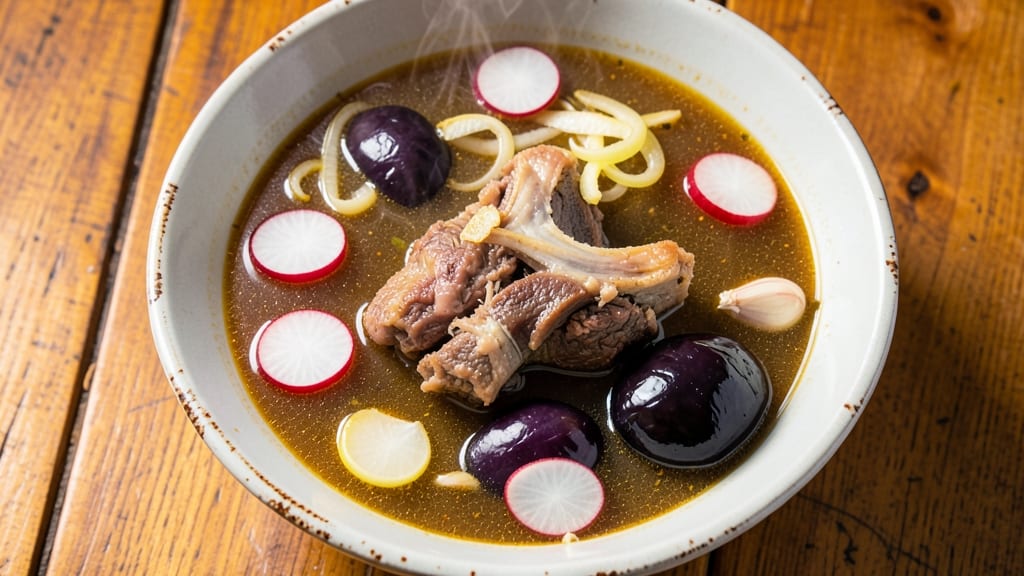
This Filipino beef bone soup recipe transforms humble ingredients into a deeply comforting, slow-simmered masterpiece where gelatinous meat and aromatic broth create harmony. 🌟 The secret lies in hours of gentle simmering—where beef bones release their marrow into a rich, collagen-laden broth that coats every spoonful.
Unlike quick soups, this one rewards patience with layers of umami and a velvety texture that transforms tough cuts into melt-in-your-mouth bites.
What sets this recipe apart is the balance of traditional techniques with modern convenience. We start with beef bones that develop a deep, caramelized crust before simmering for hours, extracting every ounce of flavor while vegetables like radish and eggplant absorb the broth's richness.
The sourness from tamarind or calamansi cuts through the richness, creating the perfect contrast that defines Filipino soups.
The result is a bowl of soup that feels like a hug—a steaming, aromatic experience where each spoonful delivers tender meat, crisp vegetables, and a broth so rich it lingers on your palate.
This isn't just soup; it's a celebration of slow cooking, where time transforms simple ingredients into something extraordinary.
Perfect for family gatherings or cozy weeknight dinners, this recipe delivers restaurant-quality results at home. The gelatinous meat and fragrant broth make every bite satisfying, proving that the best flavors come from patience and tradition.
Ingredients for beef bone soup filipino
Six pounds of beef bones and aromatic vegetables transform into velvety Filipino comfort.
| Ingredient | Amount | Notes |
|---|---|---|
| Beef Bones 🦴 | 3 lb | Marrow-rich, cut into 3-inch pieces |
| Yellow Onions 🧅 | 2 whole | Cut into wedges, charred slightly |
| Garlic Cloves 🧄 | 8 cloves | Smashed, not minced |
| Ginger Root 🌿 | 2 tbsp | Freshly grated, no peeling |
| Radishes 🥕 | 4 whole | Daikon or white radish, halved |
| Eggplant 🍆 | 1 lb | Japanese or round variety |
| Potatoes 🥔 | 2 lb | Russet or Yukon Gold, cubed |
| Tamarind Paste 🍋 | ½ cup | Or calamansi juice for tartness |
| Bay Leaves 🌿 | 4 whole | Fresh if available |
| Black Peppercorns 🌶️ | 1 tbsp | Crushed lightly |
| Salt 🧂 | 2 tbsp | Kosher or sea salt |
| Fresh Thyme 🌿 | ¼ cup | Stems removed, chopped |
| Vegetable Oil 🫒 | ½ cup | For initial searing |
| Green Onions 🧅 | ¼ cup | Sliced thin for garnish |
The beef bones are non-negotiable—marrow-rich cuts from the butcher's freezer section deliver that signature gelatinous texture. Costco or local Asian markets often have them pre-cut, but if not, ask for knuckle or shank bones. The radishes? Daikon or white radish from the produce section—avoid the red kind. Ginger and garlic should smell vibrant, not musty. I always double-check the eggplant's firmness; Japanese eggplant holds up best to long simmering. Fresh thyme and bay leaves elevate the broth's complexity—Trader Joe's carries great dried thyme, but fresh is ideal.
No tamarind paste? Calamansi juice or lime juice works in a pinch, but the sourness is key. Swap daikon radish for regular white radish if needed—just slice it thinner. The potatoes can be sweet potatoes if you prefer, but Russet holds its shape better. Want more depth? Add a star anise pod or two during simmering. For the oil, vegetable or canola works fine—no need for expensive olive oil here. The green onions are purely for garnish, so use whatever's freshest in your fridge.
This soup tastes even better the next day—3-4 days in the fridge, 3 months frozen. I portion it into containers with broth and meat separated so I can reheat just what I need. The bones can be blanched ahead and frozen for up to 2 months—just thaw before simmering. For a shortcut, pre-cook the vegetables in broth before adding to the pot, cutting simmering time by an hour.
Why You'll Love This Recipe
- Soup in a Day: I swear, this isn’t one of those "all-day simmer" recipes that requires babysitting. Toss the bones in water, bring to a boil, then let them do their magic while you handle the rest of dinner—no peeking, no stirring every five minutes. The onions, garlic, and ginger build flavor while you’re out, and by evening, you’ve got a pot of rich, aromatic goodness without the fuss.
- Umami Bomb: Between us, the beef bones are the star here—but the radishes? They’re the secret weapon. Crunchy, peppery, and just slightly sweet, they cut through the richness like a cool breeze. Honestly, I’ll often double the radish amount because once you taste that balance of deep bone broth and fresh crunch, you’ll never go back to plain soup.
- Leftovers That Beg for More: This soup tastes better the next day—like, actually better. The flavors meld into something deeper, and the bones keep it hearty for days. I’ll make a big batch on Sundays, freeze portions, and still have enough to reheat for lunch all week. (Yes, even on a Tuesday night, when takeout sounds tempting.)
- Pantry Staple Power: No fancy ingredients, no last-minute grocery runs. You’re probably already using these in your kitchen—onions, garlic, ginger—just in different ways. The bones? Often on sale, especially if you ask the butcher for marrow-rich cuts. It’s the kind of recipe that makes you feel like you’re cooking a restaurant-worthy meal without spending a fortune. Budget-friendly doesn’t mean boring, and this proves it.
Step-by-step instructions for beef bone soup Filipino recipe
This rich, gelatinous soup transforms humble bones into velvety perfection—here's how to nail it every time.
🔥 Step 1: Sear the Bones for Deep Flavor
Heat the 0.5 cup vegetable oil in a heavy pot over medium-high heat until shimmering. Working in batches, add the 3 lb beef bones, turning to sear until they develop a deep mahogany crust—about 3-4 minutes per side. This caramelization unlocks the marrow's rich flavors and prevents cloudy broth later.
As you sear, you'll see golden-brown patches form on the bones. Don't rush this step—each bone should have crispy spots. Remove the seared bones to a plate and set aside. The oil will remain in the pot for the next step, creating a flavorful base.
👨🍳 Step 2: Build the Aromatic Base
In the same pot, add the 2 whole yellow onions cut into wedges and the 8 smashed garlic cloves. Cook for 5-6 minutes until the onions soften and the garlic turns golden brown—this is where the soup's complexity begins. Add the 2 tbsp freshly grated ginger root and cook for another 1 minute until fragrant.
Here's the thing—don't let the onions burn. They should be soft and sweet-smelling, not bitter. If they start to brown too quickly, reduce heat slightly. The aromatics form the flavor foundation, so take your time. After the ginger, stir in the 1 tbsp crushed black peppercorns and 2 tbsp salt to season the base.
🍳 Step 3: Simmer the Bones and Extract Gelatinous Richness
Return the seared bones to the pot and add 8 cups water (enough to cover the bones by 2 inches). Bring to a boil over high heat, then immediately reduce to a gentle simmer. Skim off any foam that rises to the surface during the first 15 minutes—this ensures a clear, clean broth.
Simmer uncovered for 2-2.5 hours until the bones are fork-tender and the broth has turned deep amber. You'll know it's ready when you can easily pull apart the bones with a spoon and the broth has a velvety consistency. The longer it simmers, the more gelatinous and rich it becomes—this is what gives Filipino beef bone soup its signature texture.
🥘 Step 4: Add Vegetables and Tamarind for Balance
Strain the broth through a fine-mesh sieve into a clean pot, pressing gently on the bones to extract every last bit of flavor. Return the broth to the pot and add the 1 lb eggplant cut into chunks, 2 lb potatoes cubed, 4 halved radishes, 4 whole bay leaves, and 0.5 cup tamarind paste (or calamansi juice). Simmer for 30-40 minutes until all vegetables are tender but still hold their shape.
The tamarind adds that signature tangy brightness that cuts through the richness. Taste the broth and adjust seasoning with more salt if needed. The vegetables should be cooked through but still maintain their texture—overcooking will make them mushy. Remove and discard the bay leaves before serving.
🍽️ Step 5: Finish and Serve with Fresh Herbs
Divide the soup among bowls and garnish each serving with 0.25 cup sliced green onions and 0.25 cup chopped fresh thyme. The herbs add a bright, aromatic finish that elevates the dish. Serve immediately with steamed rice—each spoonful should deliver that perfect balance of rich, gelatinous broth and tender vegetables.
This soup tastes even better the next day as the flavors deepen and the broth becomes more concentrated. Store leftovers in the refrigerator for up to 3 days or freeze for 3 months. The key to success is patience—don't rush the simmering process. Every minute in the pot transforms simple ingredients into something extraordinary.
Pro Tips For Making Beef Bone Soup Filipino
- Char the Bones First: Skip the gentle simmer and sear those bones in a dry pot until they’re deep brown—almost black in spots. This isn’t about burning; it’s about unlocking flavor. I learned this the hard way after making soup that tasted like… well, plain broth.
- Slice Radishes Thin: Radishes in Filipino beef bone soup need to stay crisp, not soggy. Cut them into ⅛-inch slices and add them only in the last 10 minutes of cooking. Thicker pieces? They’ll turn mushy, and nobody wants that.
- Low and Slow After Boil: Once the broth reaches a rolling boil, drop the heat to the lowest setting and let it bubble gently—just a few tiny bubbles breaking the surface. I used to rush this, and the soup always ended up cloudy or weak. Patience here makes all the difference.
- Use Two Onions: One for flavor, one for color. Sauté one whole onion until caramelized for depth, then add the second chopped onion with garlic and ginger. The second onion softens and blends into the broth, while the first gives that rich, golden base. Trust me, it’s worth the extra chopping.
Wine and beer pairings for beef bone soup filipino
Red Wine Pairings
Filipino beef bone soup's rich, umami-packed broth and subtle sourness from tamarind pair beautifully with medium-bodied red wines. I reach for a Pinot Noir from Oregon—its bright acidity and red fruit notes complement the soup's depth without overpowering it.
The wine's earthy undertones mirror the broth's complexity, creating harmony. 🍷
A Syrah/Shiraz from the Rhône Valley also works wonders, especially if your soup has a hint of spice. The wine's peppery notes echo the black peppercorns in the broth, while its dark fruit balances the tamarind's tang. Look for a Crozes-Hermitage for a more affordable option that still delivers.
White Wine Alternatives
For those who prefer white wine, a dry Riesling from Germany offers the perfect contrast. Its crisp acidity and subtle mineral notes cut through the soup's richness, while hints of citrus complement the tamarind.
I love a Mosel Riesling—it's light enough to not feel heavy alongside the broth but still stands up to the flavors. 🍷
Another excellent choice is Vermentino from Sardinia. This Italian white has a bright, slightly salty profile that enhances the soup's umami without competing. Its herbal notes also pair well with the thyme and bay leaves in the recipe. Serve it slightly chilled for the best experience.
Beer Pairings
Craft beer lovers should try a Belgian-style Witbier, like Hoegaarden. The beer's coriander and orange peel notes create a refreshing contrast to the soup's richness, while its light body won't overwhelm. The citrusy finish also enhances the tamarind's tang. 🍺
A German Helles Lager offers a crisp, clean alternative that highlights the soup's natural flavors. The malt sweetness in the beer balances the tamarind's acidity, while its effervescence cleanses the palate between spoonfuls. Look for a Weihenstephaner Original for a classic choice.
Non-Alcoholic Options
For a refreshing non-alcoholic pairing, try sparkling yuzu soda. The citrusy notes from the yuzu fruit complement the tamarind's tang, while the bubbles create a palate-cleansing experience. I like San Pellegrino Aranciata Rossa—its blood orange flavor adds a festive touch to the meal. 🥤
Another great option is hibiscus iced tea (also known as sorbete de jamaica). The tart, floral notes enhance the soup's umami and balance its richness. Brew it with rose petals for an extra layer of complexity that pairs beautifully with the dish's aromatic herbs.
Nutrition facts
Frequently asked questions about Filipino beef bone soup
What makes Filipino beef bone soup different from other bone broths?
Unlike traditional bone broths, Filipino beef bone soup focuses on gelatinous meat bits that melt in your mouth, achieved through long simmering (2-2.5 hours). The addition of tamarind or calamansi creates a signature tangy brightness that balances the richness, while vegetables like eggplant and daikon radish absorb the broth's depth. The result is a soup where every spoonful delivers both tender meat and flavorful broth.
Can I use chicken bones instead of beef bones?
While chicken bones will work, they won't deliver the same rich, gelatinous texture as beef. Beef bones contain more collagen and marrow, which create the signature velvety consistency. If you prefer chicken, use backbone or neck bones and simmer for 3-4 hours instead of 2-2.5 hours. The flavor will be lighter but still delicious.
How do I know when the bones are done simmering?
The bones are ready when they're fork-tender (falling apart easily) and the broth turns deep amber. Press a bone with a spoon—if it separates into flakes, it's done. The broth should also have a gelatinous consistency when chilled. If you're unsure, simmer 15-30 minutes longer—extra time never hurts!
What if I don't have tamarind paste?
No problem! Use calamansi juice or lime juice (start with 1/4 cup) for a similar tang. For a deeper sourness, try green mango slices or vinegar (begin with 1 tablespoon and adjust to taste). The key is balancing the richness—add acidity gradually to avoid overpowering the broth.
Can I make this soup in an Instant Pot?
Yes, but with adjustments: Sear the bones as directed, then add 8 cups water and simmer on high pressure for 90 minutes (natural release). For vegetables, add them during the last 10 minutes of cooking. The Instant Pot won't replicate the same depth of flavor as stovetop simmering, but it's a 3-hour shortcut that still delivers great results.