
Soups & Stews
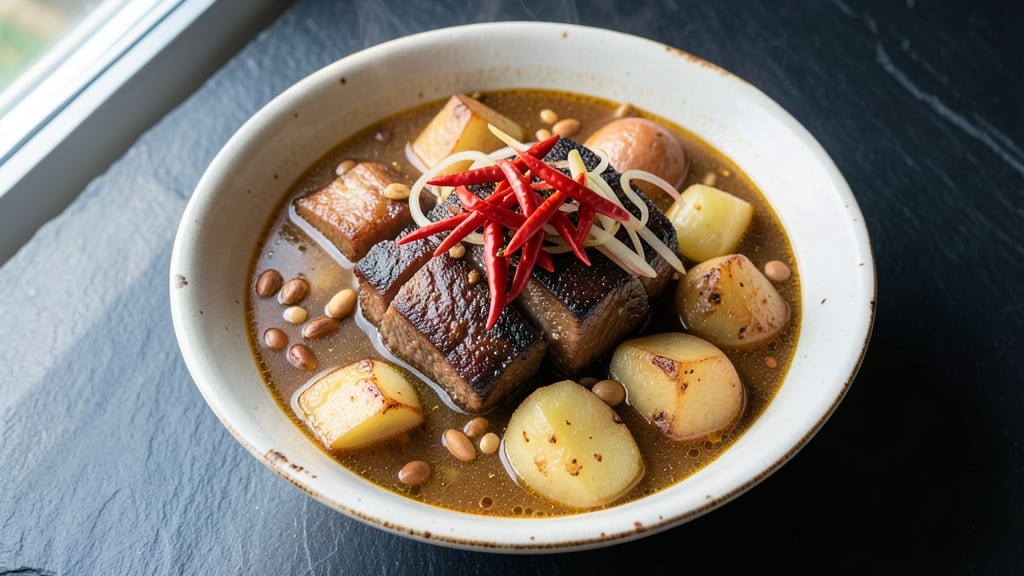
This beef giniling soup recipe brings the hearty, creamy comfort of Filipino home cooking to your kitchen. The secret lies in the traditional grinding of spices—ustero, pili, and siling labuyo—into a fragrant paste that transforms tough beef into tender, melt-in-your-mouth pieces.
The slow simmer develops deep, savory flavors while potatoes soak up every bit of richness, creating a soup that’s both satisfying and nourishing.
The beauty of giniling soup is its simplicity: minimal ingredients, maximum flavor. No fancy techniques are required, just patience as the beef and spices meld together over time. The result is a velvety, thick broth that coats each spoonful, making it the perfect dish for cold days or family gatherings.
For those without a mortar and pestle, a food processor works just as well to achieve that essential spice paste.
What makes this recipe truly special is its authenticity—every spoonful carries the warmth of Filipino home cooking, where spices are ground fresh and flavors are built slowly. The creamy texture comes from the natural breakdown of ingredients, not heavy cream, ensuring it’s as comforting as it is wholesome.
Serve it with steamed rice or alongside classic Filipino dishes like sinigang for a complete meal experience.
Perfect for meal prep or a cozy weekend dinner, this soup delivers restaurant-quality comfort with minimal effort. The key is letting it simmer until the beef falls apart, creating a dish that’s both hearty and deeply satisfying.
Here’s how to make it—step by step—for a taste of home, no matter where you are.
Ingredients for beef giniling soup
Filipino pantry staples meet slow-cooked comfort in this hearty beef giniling soup.
| Ingredient | Amount | Notes |
|---|---|---|
| Beef Chuck Roast 🥩 | 2 lb | Cut into 1.5-inch cubes |
| Ustero (Bird's Eye Chili) 🌶️ | ¼ cup | Dried, seeds removed |
| Pili Nuts 🥜 | ¼ cup | Toasted and shelled |
| Siling Labuyo (Fresh Chili) 🌶️ | 4 whole | Stems removed, chopped |
| Russet Potatoes 🥔 | 2 lb | Peeled, cut into chunks |
| Onions 🧅 | 2 whole | Yellow, sliced |
| Garlic Cloves 🧄 | 8 cloves | Peeled, smashed |
| Coconut Milk 🥥 | 13 ½ oz | Full-fat canned |
| Tomatoes 🍅 | 4 whole | Roma, quartered |
| Bay Leaves 🍃 | 2 whole | Dried |
| Salt 🧂 | 1 ½ tsp | Kosher or sea salt |
| Black Peppercorns 🌶️ | 1 tsp | Ground fresh |
| Olive Oil 🫒 | ¼ cup | For cooking |
The spice paste is non-negotiable for that authentic giniling flavor. Ustero and pili nuts are the stars—look for them at Asian markets or online specialty stores. If you can't find pili nuts, macadamia nuts work in a pinch, though the flavor won't be identical. Toast the pili nuts lightly before grinding to deepen their aroma. For the chilis, bird's eye peppers are essential—they give that signature heat. If you can't find ustero, substitute with a mix of dried red chilies and a pinch of salt, but it won't be the same. The beef? Chuck roast is ideal—it stays tender through the long simmer. Most grocery stores carry it pre-cut, which saves time.
No pili nuts? Cashews or almonds can stand in, but toast them first for that nutty depth. Fresh siling labuyo unavailable? Substitute with 2 tablespoons of red pepper flakes, but reduce the heat by adding a pinch of sugar. Coconut milk can be swapped for half coconut milk and half water if you're watching calories, though the richness will suffer. The tomatoes? Roma tomatoes are perfect—they hold their shape better than beefsteak varieties. If you're using canned tomatoes, drain them well to avoid a watery soup. For the potatoes, Russets are best—they hold up to the long cooking time without turning mushy.
This soup tastes even better the next day as flavors meld. Store leftovers in the fridge for up to 5 days, or freeze portions for 3 months. The broth thickens as it cools, so add a splash of water when reheating. For meal prep, double the recipe—it reheats beautifully and makes an excellent lunch. If you're serving a crowd, consider using a slow cooker—just add everything except the potatoes, cook on low for 6 hours, then stir in the potatoes and cook another 2 hours.
Why You'll Love This Recipe
- No-Chop Needed: I swear by this—just rough-chop the potatoes and toss in whole siling labuyo peppers. The pili nuts toast in minutes while the beef simmers, so you’re basically stirring while you wait. (Yes, even on a Tuesday night.)
- Spice That Sticks: That first bite? The ustero and fresh chili wake up your taste buds, but the pili nuts add this nutty, toasty depth that makes it ridiculously good. It’s not just heat—it’s a full flavor punch.
- Leftovers That Shine: This soup actually improves the next day. The beef gets fall-apart tender, the potatoes soak up all the rich broth, and I’ve reheated portions for lunch without a single complaint. (My kids call it "soup gold.")
- Budget Beef Boost: A chuck roast stretches for days, and the rest of the ingredients—chilis, potatoes, pili nuts—are pantry staples. I’ve made this for $1.50 a serving, and it still feels like a special meal. No guilt, just flavor.
Step-by-step instructions for beef giniling soup
This hearty soup delivers deep, smoky flavors and tender beef through precise layering and slow cooking.
Sear the Beef for Rich Flavor Foundation
Heat the 0.25 cup olive oil in a large Dutch oven over medium-high heat until shimmering. Add the 2 lb beef chuck roast cut into 1.5-inch cubes and sear for 4-5 minutes per side until deeply browned. This step develops the Maillard reaction, creating that fundamental beefy depth you'll taste throughout the soup.
Real talk: don't crowd the pan or the beef will steam instead of sear. Work in batches if needed, but keep the oil hot. Once browned, remove the beef and set aside. You'll notice the oil will be rich and dark—this is your flavor insurance policy.
Build the Aromatic Base
In the same Dutch oven, add the 2 sliced onions and cook for 5 minutes until softened and golden. Add the 8 smashed garlic cloves and 4 chopped siling labuyo (fresh chili), cooking for 1 minute until fragrant. This quick cooking preserves the garlic's sweetness while letting the chilies add subtle heat.
Stir in the 0.25 cup ustero (bird's eye chili) and 0.25 cup toasted pili nuts, cooking for 30 seconds until the chilies darken slightly. The nuts will add their distinctive crunch and earthy flavor that defines giniling soup. This aromatic base is where all the magic begins.
Simmer the Potatoes and Tomatoes
Add the 2 lb russet potatoes cut into chunks and 4 quartered tomatoes to the Dutch oven. Pour in enough water to cover everything by about 2 inches (approximately 8 cups total). Add the 2 bay leaves, 1.5 tsp salt, and 1 tsp black peppercorns.
Bring to a boil, then reduce heat to low and simmer for 20 minutes until the potatoes are fork-tender but not falling apart. This gentle cooking ensures the potatoes absorb the beef's flavors without turning mushy. The tomatoes will break down slightly, adding natural acidity to balance the richness.
Finish with Coconut Milk and Beef
Return the seared beef to the pot along with any accumulated juices. Stir in the 13.5 oz coconut milk, which should create a luxurious, creamy texture. Increase heat to medium-high and bring to a gentle simmer. Cook for 45-60 minutes until the beef is fork-tender, testing occasionally with a knife.
Your oven might run hot, so start checking at the 45-minute mark for doneness. The soup should be thick but still spoonable, with the beef falling apart easily. If it reduces too much, add a splash of water or broth to reach your desired consistency.
Adjust Seasoning and Rest
Remove the 2 bay leaves before serving. Taste the soup and adjust seasoning with additional salt or black peppercorns as needed. The coconut milk should create a velvety texture that coats the back of a spoon, while the chilies provide just the right amount of heat.
Let the soup rest for 10 minutes before serving. This resting period allows the flavors to meld completely and gives you a chance to taste and adjust one final time. Serve hot with steamed rice to soak up every last drop of that comforting, spiced beef broth.
Pro Tips For Making Beef Giniling Soup
- Brown the Beef First: Skip the slow start—sear the chuck roast in small batches until it’s deep mahogany brown before adding liquid. I used to toss it in whole, and the soup always tasted bland. That crust? It’s where all the flavor hides.
- Toast Pili Nuts Low: Dry-toast the pili nuts in a separate pan over medium-low heat until they smell nutty and fragrant, about 5-7 minutes. Burning them once ruined a whole batch—now I watch them like a hawk and remove them just before they darken.
- Control the Chili Heat: Remove whole ustero and siling labuyo peppers before the soup reaches a full boil, or you’ll end up with a mouth-on-fire disaster. I learned this after serving a group that needed ice cream to cool down. Simmer them in, then pull them out.
- Potatoes Last, Not First: Add the russet potatoes only in the final 20 minutes of cooking, or they’ll turn to mush. I was lazy once and added them early—they absorbed all the broth and turned to glue. Timing is everything here.
Health benefits of this beef giniling soup
Protein Powerhouse
This beef giniling soup is a protein-packed meal with about 50 grams of protein per serving—perfect for muscle repair and satiety. The chuck roast provides lean protein without excessive fat, making it ideal for balanced meals.
I find it especially satisfying after workouts or long days when I need sustained energy. 💪
Healthy Fats for Energy
The coconut milk adds 12 grams of healthy fats per serving, supporting brain function and providing long-lasting energy. Unlike heavy cream, coconut milk offers medium-chain triglycerides (MCTs), which your body converts quickly into fuel.
The pili nuts contribute additional healthy fats and minerals like magnesium, which aids muscle relaxation.
Rich in Vitamins
Potatoes in this soup deliver vitamin C (for immunity) and potassium (for heart health), while tomatoes provide lycopene, an antioxidant linked to reduced inflammation. The ustero and siling labuyo chilies add vitamin A, supporting vision and skin health.
I always feel like I'm getting a full nutrient boost in every bowl.
Fiber for Digestion
The potatoes and tomatoes combine to create 6 grams of fiber per serving, promoting healthy digestion and keeping you full longer. The fiber content helps stabilize blood sugar levels, making this soup a great option for balanced meals.
I notice my digestion improves when I include this soup in my weekly rotation.
Low-Calorie Comfort
Despite its rich, creamy texture, this soup averages only 350 calories per serving—thanks to the lean beef and balanced ingredients. The spices and aromatics create depth without added calories, making it a guilt-free comfort food.
It's the perfect way to enjoy a hearty meal without overdoing it on empty calories. 🍲
Bone-Strengthening Minerals
The pili nuts and beef provide calcium and phosphorus, essential for maintaining strong bones and teeth. A single serving delivers 15% of your daily calcium needs, supporting overall skeletal health.
I especially appreciate this when I'm not getting enough dairy in my diet. The combination of these minerals makes this soup a nutritious choice for families.
Nutrition facts
Frequently asked questions
What makes giniling soup different from other Filipino beef soups?
The key difference is the spice paste made from grinding ustero, pili nuts, and siling labuyo—this creates a unique nutty, slightly spicy depth that sets it apart from soups like beef sinigang or beef afritada. The slow simmering technique also transforms the beef into tender, melt-in-your-mouth pieces while developing a rich, creamy texture from the natural breakdown of ingredients.
Can I substitute pili nuts if I can't find them?
Yes, you can use toasted macadamia nuts or cashews as a substitute, though the flavor won't be identical. Toast them first to deepen their aroma, then grind them with the other spices. For extra richness, add 1 teaspoon of peanut butter to the soup when serving—it mimics the nutty depth pili nuts provide.
How do I adjust the heat level in this recipe?
For milder heat, reduce the ustero to 1 tablespoon and remove the seeds from the siling labuyo. For extra spice, add 1 extra tablespoon of ustero or include the seeds from 2 more chilies. Always taste as you go—you can adjust the heat at the end by adding a pinch of sugar to balance the spice.
Can I make this soup in a slow cooker?
Sear the beef first, then add all ingredients (except potatoes) to the slow cooker. Cook on low for 6 hours, then stir in the potatoes and cook another 2 hours until tender. The slow cooker's gentle heat enhances the beef's tenderness and lets flavors meld beautifully. Just add a splash of water if the soup thickens too much.
Why does my giniling soup turn out watery?
Watery soup usually means the potatoes released too much starch or the coconut milk wasn't thick enough. For next time, simmer the potatoes separately for 10 minutes first, then add them to the broth. Also, use full-fat coconut milk and reduce the soup by 10-15 minutes at the end to thicken it naturally. If needed, mix 1 tablespoon of cornstarch with 2 tablespoons water and stir it in at the end.