
Sauces & Condiments
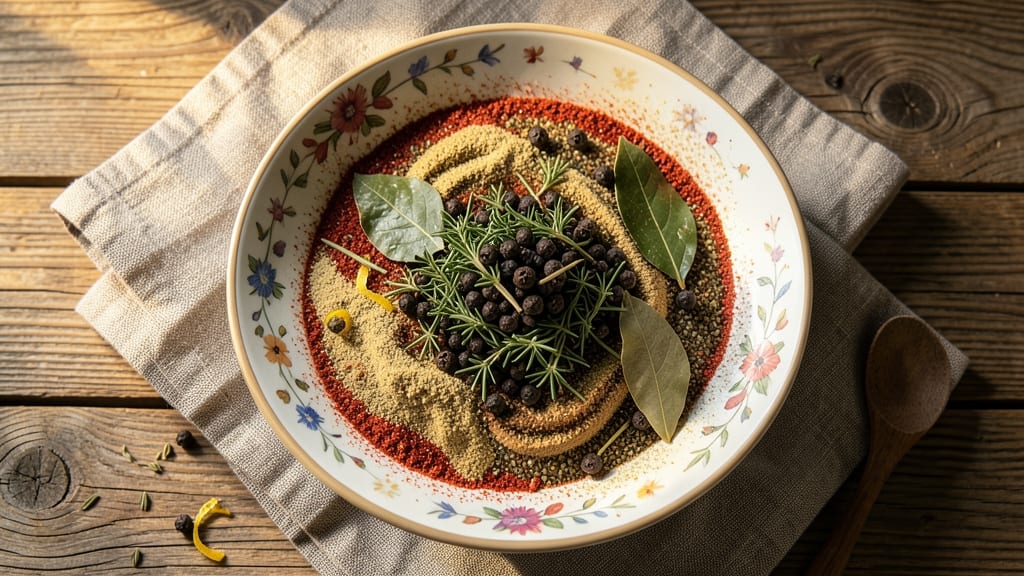
Transforming ordinary beef broth into restaurant-quality soup starts with this bold umami seasoning blend designed to elevate every spoonful. 🌟 The secret lies in carefully balanced spices that build depth over time—think earthy thyme, aromatic bay leaves, and a touch of smoked paprika that lingers on the palate.
Unlike pre-packaged mixes, this blend lets you control the intensity, ensuring your soup develops complex layers of flavor without overpowering the beef.
The foundation uses five simple ingredients measured in precise ratios: dried thyme for herbal brightness, bay leaves for subtle bitterness, black pepper for heat, paprika for smokiness, and a pinch of garlic powder to anchor the umami.
Each component plays a specific role—together they create a harmonious balance that transforms thin broth into something rich and satisfying. The best part? This mix stays fresh for months when stored properly, making it a pantry essential for quick weeknight soups.
What sets this seasoning apart is its ability to enhance rather than dominate—perfect for beef stews, hearty broths, or even braised dishes where you want that deep, savory backbone.
Simply stir it into your broth during the last 30 minutes of cooking, and let the flavors meld into something truly extraordinary. The result is a soup that tastes like it simmered for hours, even if you're short on time.
For maximum impact, toast the spices lightly before blending (just 30 seconds in a dry pan), which releases their essential oils and intensifies their aroma. Use this as your base, then customize with additional herbs or spices to match your preferences.
Let's create this flavor-packed blend that will become your go-to for beef soups.
Ingredients for beef soup seasoning
Five spices plus a pinch of salt—this simple blend turns basic broth into restaurant-worthy soup.
| Ingredient | Amount | Notes |
|---|---|---|
| Dried Thyme 🌿 | 2 tbsp | Leaves only, not stems |
| Bay Leaves 🌿 | 1 tbsp | Dried, crushed lightly |
| Black Peppercorns 🌶️ | 1 ½ tbsp | Freshly cracked preferred |
| Smoked Paprika 🌶️ | 1 tbsp | Not sweet paprika |
| Garlic Powder 🧄 | 1 tsp | Not garlic salt |
| Ground Coriander 🌿 | 1 tsp | Adds subtle citrus note |
| Onion Powder 🧅 | 1 tsp | Enhances savory depth |
| Sea Salt 🧂 | 1 tsp | Diamond Crystal preferred |
The thyme and bay leaves are your flavor anchors. Penzeys or bulk bins at Whole Foods carry the best quality—look for bright, vibrant spices with no signs of moisture or clumping. Smoked paprika is non-negotiable here; Spanish paprika like Pimentón de la Vera gives that authentic smoky depth. I always buy whole peppercorns and grind them fresh in a mortar (or just crush them with a heavy pan) because pre-ground pepper loses its punch fast. For garlic powder, McCormick or Badia are reliable brands that won't taste like cardboard.
No smoked paprika? Substitute half the amount with regular paprika plus a pinch of liquid smoke—just don't overdo it. Running low on thyme? Dried oregano at half the amount works in a pinch, though it won't be identical. The coriander adds a bright note, but if you hate citrusy flavors, skip it—this blend still works beautifully. For extra umami, add 1/2 tsp of mushroom powder (available at specialty stores). And if you're using this for braised dishes, consider doubling the garlic powder for more depth. Toasting the spices in a dry pan for 30 seconds before blending releases their essential oils—trust me, it makes a difference!
Store this blend in an airtight container away from light and heat—it'll keep its potency for 6-12 months. I like to portion it into small jars so I can grab just what I need without measuring. For maximum freshness, make a fresh batch every few months, especially if you notice the flavors fading. The beauty of this mix is its versatility—use it in beef stews, braises, or even as a rub for roasted vegetables. And if you're feeling adventurous, add a pinch of ground star anise for an exotic twist (just be warned—it's potent!)
Why You'll Love This Recipe
- Five-Ingredient Pantry Magic: I swear by this blend—no fresh herbs to wilt, no last-minute grocery runs. Just dump thyme, bay leaves, peppercorns, smoked paprika, and garlic powder into a jar, shake it up, and you’re golden. My lazy Sundays thank me every time.
- Smoky Depth in Minutes: That smoked paprika and crushed peppercorns? They turn bland beef into something rich and complex without slaving over a stove. Honestly, it’s the kind of flavor that makes you pause mid-bite and think, “Wait, how did this get so good?”
- Soup to Stew to Slow Cooker: Use it for beef soup, obviously—but also toss it into chili, rub it on roasts, or stir it into ground beef for tacos. I keep a batch in my fridge just for when I need to rescue a forgettable weeknight meal. (Yes, even on a Tuesday night.)
- Budget-Friendly Flavor Bomb: A little goes a long way, and these spices cost pennies. I buy them in bulk, divide them into tiny jars, and suddenly my grocery bill stretches farther. Plus, no sad, wilted herbs—just pure, potent flavor that lasts. My wallet and taste buds are both happy.
Step-by-step instructions for crafting bold beef soup seasoning
Mix these ingredients carefully—the right balance makes all the difference in flavor.
👨🍳 Step 1: Crush the Bay Leaves and Peppercorns
Start with the 1 tablespoon bay leaves—they need to be lightly crushed to release their aromatic oils. Place them between two sheets of parchment paper and gently roll with a rolling pin until they're just broken up, not powdered. You want visible pieces, not dust.
Next, crack the 1.5 tablespoons black peppercorns using a mortar and pestle or a dedicated pepper grinder. Freshly cracked peppercorns pack way more punch than pre-ground. You'll know it's done when you see tiny specks of pepper throughout your seasoning blend.
👨🍳 Step 2: Measure and Combine All Dry Ingredients
In a medium bowl, add the 2 tablespoons dried thyme (stems removed), 1 tablespoon smoked paprika, 1 teaspoon garlic powder, 1 teaspoon ground coriander, and 1 teaspoon onion powder. Use a fine-mesh strainer if your thyme has any stems mixed in—this ensures you're only getting the flavorful leaves.
Give everything a quick stir with a wooden spoon to break up any clumps. The smoked paprika should be evenly distributed—it's what gives this blend its signature depth. Here's the thing—don't skip measuring precisely. Too much smoked paprika can overpower, while too little won't deliver that rich umami base you're after.
👨🍳 Step 3: Add the Sea Salt and Final Mix
Sprinkle in the 1 teaspoon sea salt (I prefer Diamond Crystal for its clean flavor) and mix thoroughly. The salt should be completely incorporated—you want every spoonful to have balanced seasoning. If you're using this for a large pot of soup, you might want to double the batch, but keep the ratios exactly the same.
Give the mixture one final stir to ensure absolute uniformity. The texture should be coarse but even—you should be able to see all the individual spices. This isn't a fine powder; it's meant to be added whole to soups and stews so the flavors bloom gradually as they simmer.
⏰ Step 4: Store for Maximum Freshness
Transfer the seasoning blend to an airtight container—glass jars work best for preserving flavor. Seal tightly and store in a cool, dark place (like your pantry) where it'll stay fresh for up to 6 months. The spices will gradually lose potency over time, but they'll still add flavor even after that.
Here's a pro tip: If you're using this for a particularly rich soup, you can toast the spices gently in a dry pan for 1-2 minutes before adding to your soup. This enhances their natural oils and gives your broth an extra layer of complexity. Just don't let them burn—that'll turn your seasoning bitter.
Pro Tips For Making Beef Soup Seasoning
- CRUSH THE PEPPERCORNS: Whole black peppercorns won’t release their punch—crack them with the side of a knife or crush lightly in a mortar before adding. I used to toss them in whole and wondered why my soup tasted like a ghost of itself.
- TOAST THE SPICES FIRST: Bloom your dried thyme and smoked paprika in a dry pan for 30 seconds until fragrant. This wakes up their flavors before they even hit the broth—no more wondering why your seasoning feels half-hearted.
- SKIP THE WHOLE BAY LEAVES: Tear bay leaves in half before adding them to the soup. They’ll steep better and not turn into a floating leaf boat that looks like it belongs in a Victorian novel.
- STORE SMOKED PAPRIKA RIGHT: Keep smoked paprika in the fridge after opening—it loses its smoky kick fast when exposed to light and air. I learned this when my "smoky" soup suddenly tasted like dust.
Essential equipment for great beef soup seasoning
Essential Tools
Start with a mortar and pestle—this is non-negotiable for crushing peppercorns and bay leaves properly. I recommend a marble mortar from Le Creuset for its durability and smooth surface.
For larger batches, a spice grinder like the OXO Good Grips works well, but it won’t give you the same control as hand-crushing. 🌶️
Measuring Precision
A digital scale (like the OXO Good Grips) ensures accuracy for small quantities, but a stainless steel measuring spoons set from West Elm works perfectly for this blend. Avoid plastic spoons—they can absorb flavors over time.
For the smoked paprika, use a fine-mesh strainer to sift it into your bowl, preventing clumps that can ruin the texture. 🧂
Storage Containers
Invest in amber glass jars with airtight lids—Weck jars are my go-to for preserving spice blends. The dark glass blocks light, which degrades spices faster than heat. Label each jar with the date and contents to track freshness.
For bulk storage, mason jars from Ball work well, but avoid clear glass if you plan to keep them long-term. ❄️
Optional Upgrades
A cast-iron skillet (like a Lodge) is perfect for toasting spices before blending—just heat it over medium-low for 1-2 minutes to wake up the flavors. For grinding whole spices, a hand-crank pepper mill (such as the Peppina) gives you freshness on demand.
If you’re serious about spice quality, a spice subscription from Burlap & Barrel delivers premium ingredients monthly. 💫
Nutrition facts
Frequently asked questions
Can I use this seasoning blend for other types of soups?
While designed for beef, this blend works beautifully in chicken noodle soup, vegetable broths, or even lentil stews. The smoked paprika and thyme add depth to any savory base, though you might reduce the amount by 20% for lighter broths. For seafood soups, swap the smoked paprika for regular paprika and add a pinch of cayenne for a different profile.
How much seasoning should I add to my soup?
Start with 1 teaspoon per quart of broth—this gives a balanced flavor without overpowering. For heartier stews, increase to 1.5 teaspoons per quart. Taste as you go: the spices develop more flavor as they simmer, so add gradually. If using this for braised dishes, sprinkle directly over the meat in the last 30 minutes of cooking for maximum impact.
Can I make this blend without smoked paprika?
Yes, but the flavor will be less complex. Replace the 1 tablespoon smoked paprika with ½ tablespoon regular paprika plus ¼ teaspoon liquid smoke. For a smokier alternative, try ½ teaspoon chipotle powder (adjust to taste). The key is maintaining the same 1 tablespoon total for balance. Without smoked elements, the blend will taste more herb-forward than umami-rich.
Will this seasoning work in slow cooker recipes?
Perfectly! The spices hold up well in slow cooking—just add the blend during the last 2 hours of cooking time. For beef chuck roast, include it with the meat from the start, but for delicate proteins like chicken, wait until the last hour. The low-and-slow method actually enhances the aromatic oils in thyme and bay leaves, making every spoonful more flavorful.
How can I tell if my seasoning blend has gone bad?
Fresh seasoning should smell vibrant and aromatic. If it smells dull, musty, or like sawdust, it's lost its potency. Check for moisture or clumping—these are signs of spoilage. For safety, discard any blend that's been stored for over 12 months, even if it still smells okay. Always store in airtight containers to prevent contamination and flavor loss.